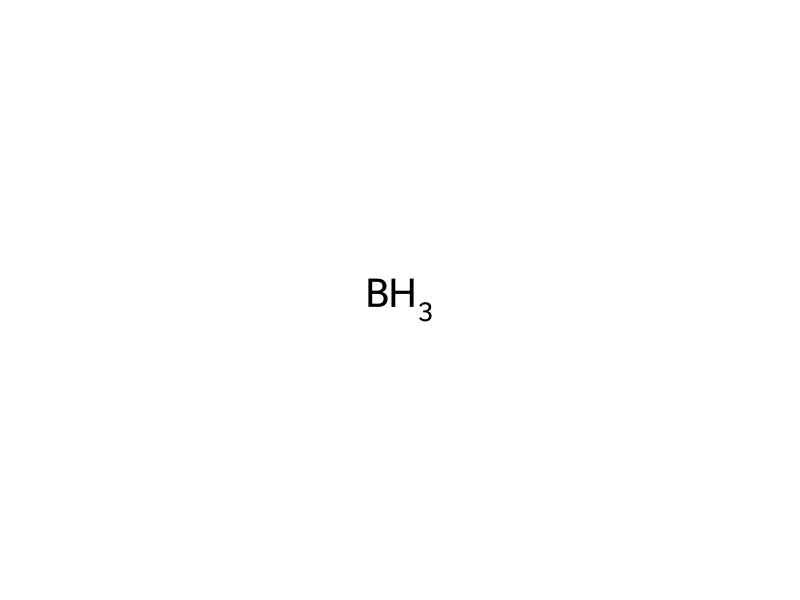
Borane → HCID 68761225, compound
Reaction equation

[N+:1]([C:4]1[CH:9]=[CH:8][CH:7]=[CH:6][C:5]=1[CH2:10][C:11]([N:13]1[CH2:18][CH2:17][O:16][CH2:15][CH2:14]1)=O)([O-:3])=[O:2].B>C1COCC1>[N+:1]([C:4]1[CH:9]=[CH:8][CH:7]=[CH:6][C:5]=1[CH2:10][CH2:11][N:13]1[CH2:14][CH2:15][O:16][CH2:17][CH2:18]1)([O-:3])=[O:2]Participants
Reactant 2

Product 1

Reagents, catalysts & solvents 1

Procedure
To a solution of 4-[(2-nitrophenyl)acetyl]morpholine (10 g, 40 mmol) in THF (250 ml) was added borane. THF (1.0M, 60 ml, 60 mmol) and the mixture heated at reflux for 1 h. A further portion of borane. THF (1.0M, 80 ml, 80 mmol) was added and reflux continued for 1 h. The cooled reaction was quenched by addition of hydrochloric acid (concentrated, 8 ml) and left at room temperature for 18 h. The mixture was concentrated under vacuum, basified with aqueous sodium hydroxide (2N) and extracted with ether (3×100 ml). The combined extracts were dried (magnesium sulphate) and the solvent evaporated under vacuum to give a crude sample of 4-[(2-nitrophenyl)ethyl]morpholine (11.42 g), which was used without further purification. Microanalysis: calculated C 61.007, H 6.83, N 11.86; found C 62.38; H, 8.02; N, 9.54.
Workup
- temperatureat reflux for 1 h
- temperaturereflux
- customThe cooled reaction
- customwas quenched by addition of hydrochloric acid (concentrated, 8 ml)
- waitleft at room temperature for 18 h
- concentrationThe mixture was concentrated under vacuum
- extractionextracted with ether (3×100 ml)
- dry with materialThe combined extracts were dried (magnesium sulphate)
- customthe solvent evaporated under vacuum
Sources & evidence
- ORD record
- ord-32a173a847b94456aa2fe1ef3438cf7d
- Source dataset
- uspto-grants-2007_12
- Patent number
- US07309800B2
Reaction notes
Loading…