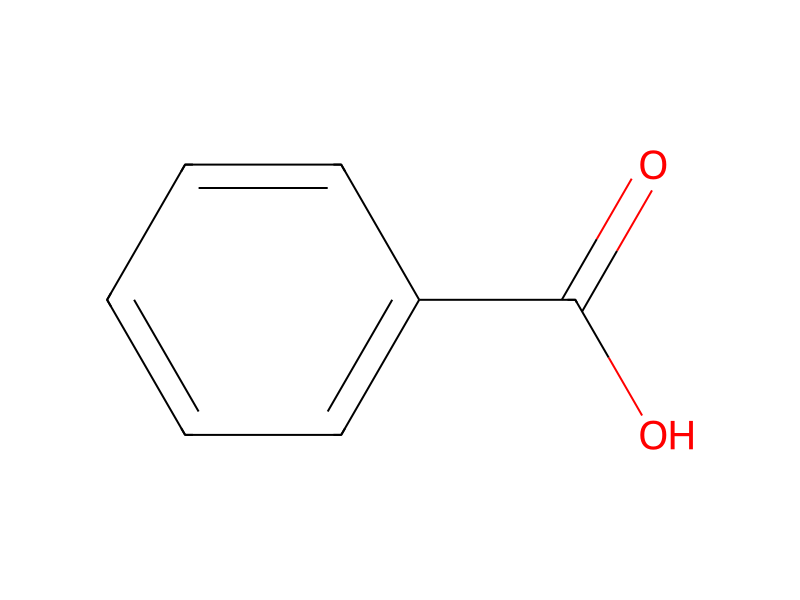
Benzoic Acid → HCID 20975374, compound
Reaction equation

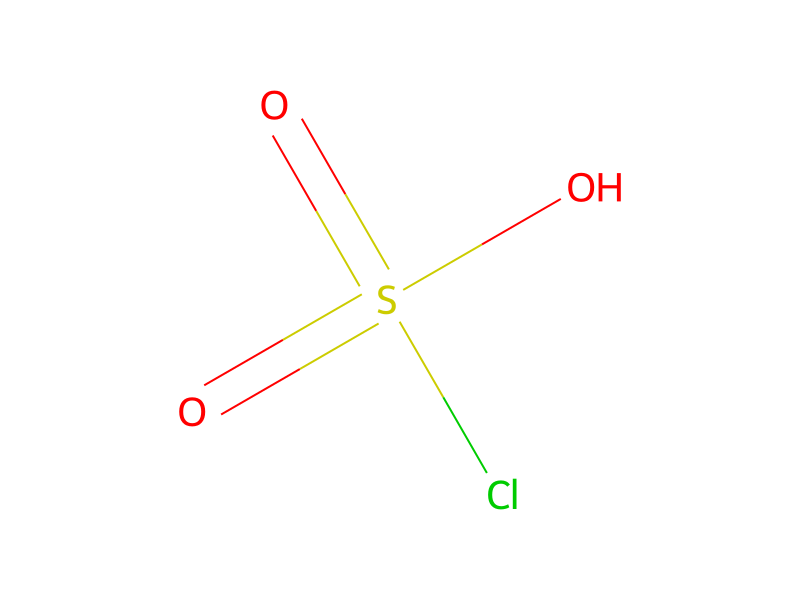
[Cl:1][S:2]([OH:5])(=[O:4])=[O:3].[C:6]1([C:12]([OH:14])=[O:13])[CH:11]=[CH:10][CH:9]=[CH:8][CH:7]=1>>[SH:2][O:5][C:12]([C:6]1[CH:11]=[CH:10][CH:9]=[CH:8][CH:7]=1)=[O:13].[Cl:1][S:2]([O:13][C:12]([C:6]1[CH:11]=[CH:10][CH:9]=[CH:8][CH:7]=1)=[O:14])(=[O:4])=[O:3]Participants


Conditions
- Temperature
- 0 °C
Procedure
In one step, a mercaptophenylcarboxylic acid is prepared, preferably from the following general procedure. Chlorosulfonic acid is added, preferably dropwise, to a reaction vessel containing a phenylcarboxylic acid. The reaction vessel is preferably equipped with a mechanical stirrer or other agitation means. About 2 to about 20 mols of chlorosulfonic acid are utilized per mol of phenylcarboxylic acid while maintaining the temperature of the reaction mixture at about 0° C. plus or minus about 10° C. The mixture is allowed to warm to room temperature over an extended period of time, such as about 12 hours, and then added, preferably dropwise, to an excess of crushed ice in order to precipitate the mercaptophenylcarboxylic acid. The mercaptophenylcarboxylic acid is collected by suction filtration and dissolved in a solvent such as ethyl acetate. The organic layer is separated from the aqueous layer and washed with a quantity of water, subsequently dried over a suitable drying agent such as anhydrous sodium sulfate, and then evaporated to yield chlorosulfonylphenylcarboxylic acid. Often, an isomeric mixture is formed. If desired, the individual isomers can be isolated from this mixture by utilizing conventional separation techniques such as recrystallization or column chromatography.
Workup
- customThe reaction vessel is preferably equipped with a mechanical stirrer
- customabout 10° C
- temperatureto warm to room temperature over an extended period of time, such as about 12 hours
- additionadded
- custompreferably dropwise, to an excess of crushed ice in order to precipitate the mercaptophenylcarboxylic acid
- filtrationThe mercaptophenylcarboxylic acid is collected by suction filtration
- dissolutiondissolved in a solvent such as ethyl acetate
- customThe organic layer is separated from the aqueous layer
- washwashed with a quantity of water
- dry with materialsubsequently dried over a suitable drying agent such as anhydrous sodium sulfate
- customevaporated
Sources & evidence
- ORD record
- ord-5018f0f31b664914a0491aeeefceb5c4
- Source dataset
- uspto-grants-2007_12
- Patent number
- US07312266B2
Reaction notes
Loading…