Isocyanate → HCID 20396650, compound
Reaction equation

[CH3:1][O:2][CH:3]([O:13][CH3:14])[CH2:4][O:5][C:6]1[CH:11]=[CH:10][C:9]([OH:12])=[CH:8][CH:7]=1.[CH2:15]([C:18]1[CH:19]=[C:20]([N:24]=[C:25]=[O:26])[CH:21]=[CH:22][CH:23]=1)[CH:16]=[CH2:17].[N-]=C=O>C1C=CC=CC=1.C(N(CC)CC)C>[CH2:15]([C:18]1[CH:19]=[C:20]([NH:24][C:25](=[O:26])[O:12][C:9]2[CH:10]=[CH:11][C:6]([O:5][CH2:4][CH:3]([O:2][CH3:1])[O:13][CH3:14])=[CH:7][CH:8]=2)[CH:21]=[CH:22][CH:23]=1)[CH:16]=[CH2:17]Participants
6
Reactant 3
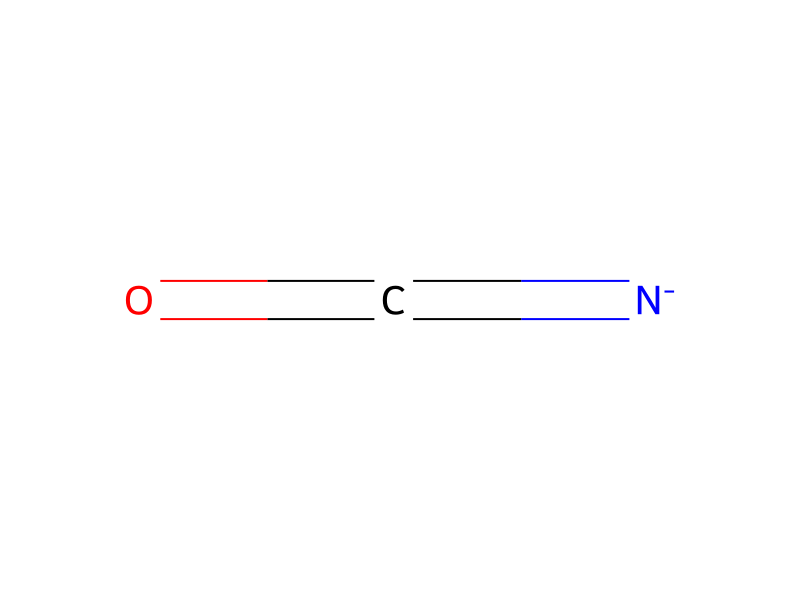


Product 1

Reagents, catalysts & solvents 2


Procedure
4-(2,2-Dimethoxyethoxy)phenol (0.05 mole) dissolved in benzene (10 ml) is charged into a glass reaction flask equipped with a mechanical stirrer. 3-Allylphenyl isocyanate (0.06 mole) and triethylamine (3 drops) are then added, and the resulting mixture is stirred at room temperature for a period of about 6 hours. The mixture is stripped of solvent and unreacted isocyanate to yield the desired product O-[4-(2,2-dimethoxyethoxy)phenyl] N-3-allylphenylcarbamate as the residue.
Workup
- additionis charged into a glass reaction flask
- customequipped with a mechanical stirrer
Sources & evidence
- ORD record
- ord-87c5f025cb374986b9bca706acb9fbd5
- Source dataset
- uspto-grants-1979_07
- Patent number
- US04163112
Reaction notes
Loading…