4-Chlorophenyl Isocyanate → 1-(4-Chlorophenyl)-3-(1-pyrrolin-2-yl)urea
Reaction equation

[Na].Cl.[NH2:3][C:4]1[CH2:8][CH2:7][CH2:6][N:5]=1.[Cl:9][C:10]1[CH:15]=[CH:14][C:13]([N:16]=[C:17]=[O:18])=[CH:12][CH:11]=1.[N-]=C=O>CC(C)=O>[Cl:9][C:10]1[CH:15]=[CH:14][C:13]([NH:16][C:17]([NH:3][C:4]2[CH2:8][CH2:7][CH2:6][N:5]=2)=[O:18])=[CH:12][CH:11]=1Participants
6
Reactant 4
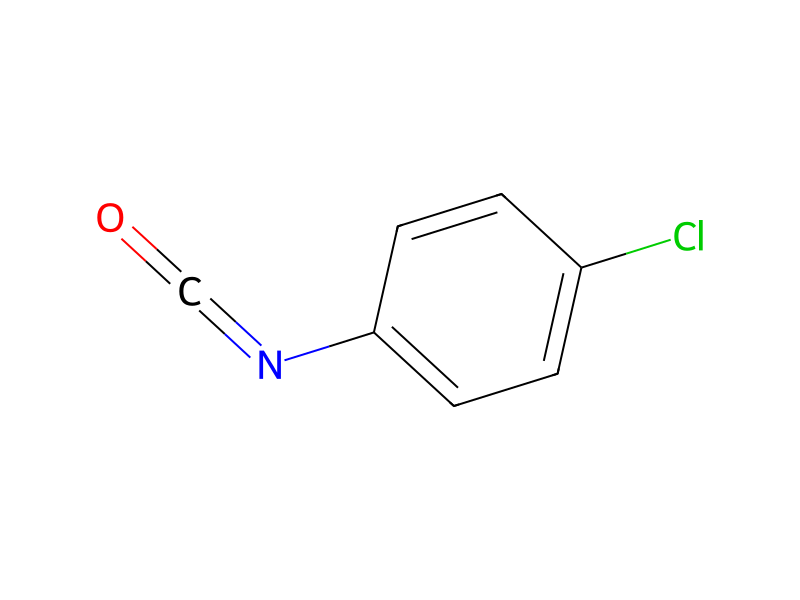
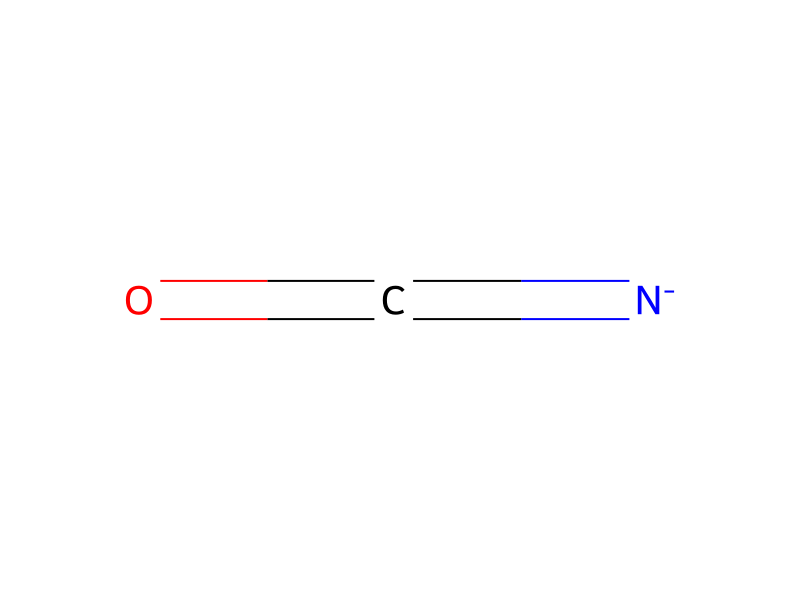


Product 1

Reagents, catalysts & solvents 1

Procedure
Following a procedure similar to that described in Example 1 but using 15.3 g. sodium in 1900 ml. dry acetone, 80 g. 2-amino-1-pyrroline hydrochloride, and 102 g. 4-chlorophenyl isocyanate in 500 ml. dry acetone, except that ice-bath cooling was applied during the addition of the isocyanate, there was obtained after recrystallization from ethyl acetate 66 g. 1-(4-chlorophenyl)-3-(1-pyrrolin-2-yl)urea; m.p. 147°-150° C.
Workup
- customthere was obtained
- customafter recrystallization from ethyl acetate 66 g
Sources & evidence
- ORD record
- ord-c11759d9e6ad46afb5247dd13b906d0b
- Source dataset
- uspto-grants-1977_10
- Patent number
- US04052382
Reaction notes
Loading…