Dopamine Hydrochloride → HCID 4256496, compound
Reaction equation

Cl.[NH2:2][CH2:3][CH2:4][C:5]1[CH:12]=[CH:11][C:9]([OH:10])=[C:7]([OH:8])[CH:6]=1.[CH:13]1([C:16](Cl)=[O:17])[CH2:15][CH2:14]1>N1C=CC=CC=1>[OH:8][C:7]1[CH:6]=[C:5]([CH2:4][CH2:3][NH:2][C:16]([CH:13]2[CH2:15][CH2:14]2)=[O:17])[CH:12]=[CH:11][C:9]=1[OH:10]Participants
Reactant 2

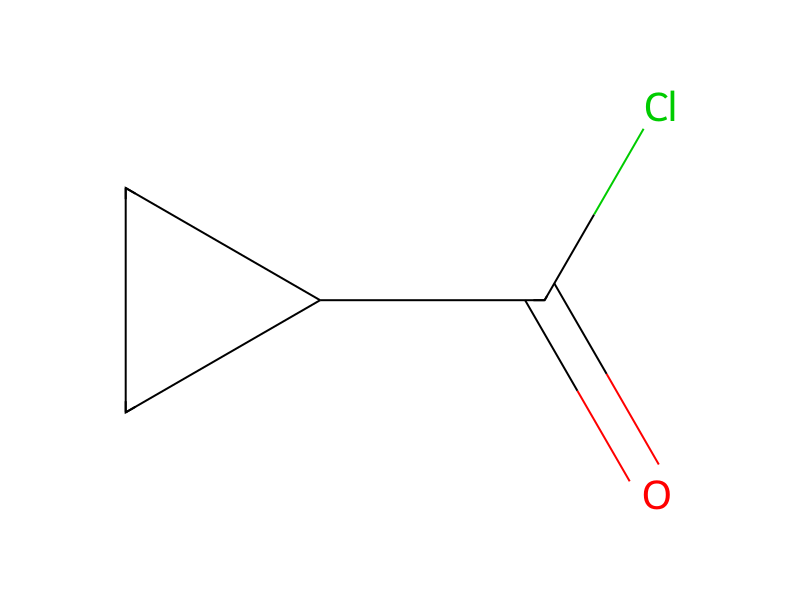
Product 1

Reagents, catalysts & solvents 1

Procedure
Dissolve 15.0 g. of dopamine hydrochloride in 200 ml. of pyridine. Add with stirring 24.96 g. of cyclopropane-carboxylic acid chloride portionwise over a 2-hour period at room temperature. Stir at room temperature overnight. Add methanol (200 ml.), water (75 ml.) and concentrate ammonium hydroxide solution (50 ml.) to the reaction mixture and allow the clear solution to stand for 5 hours at room temperature. Pour the solution into 2 liters of of 2N hydrochloric acid and ice with vigorous agitation. Extract the oily precipitate with ethyl acetate. Wash the extract with saturated aqueous sodium bicarbonate solution, dry over sodium sulfate and evaporate to a residue. Dissolve the residue from ethyl acetate-ethyl ether and crystallize to obtain the title compound, m.p. 174.5°-176° C.
Workup
- dissolutionDissolve 15.0 g
- additionAdd
- stirringStir at room temperature overnight
- concentrationAdd methanol (200 ml.), water (75 ml.) and concentrate ammonium hydroxide solution (50 ml.) to the reaction mixture
- additionPour the solution into 2 liters of of 2N hydrochloric acid and ice with vigorous agitation
- extractionExtract the oily precipitate with ethyl acetate
- washWash the
- extractionextract with saturated aqueous sodium bicarbonate solution
- dry with materialdry over sodium sulfate
- customevaporate to a residue
- dissolutionDissolve the residue from ethyl acetate-ethyl ether
- customcrystallize
Sources & evidence
- ORD record
- ord-b824dcd8a28448e2b360cdca4376f0bc
- Source dataset
- uspto-grants-1977_10
- Patent number
- US04053509
Reaction notes
Loading…