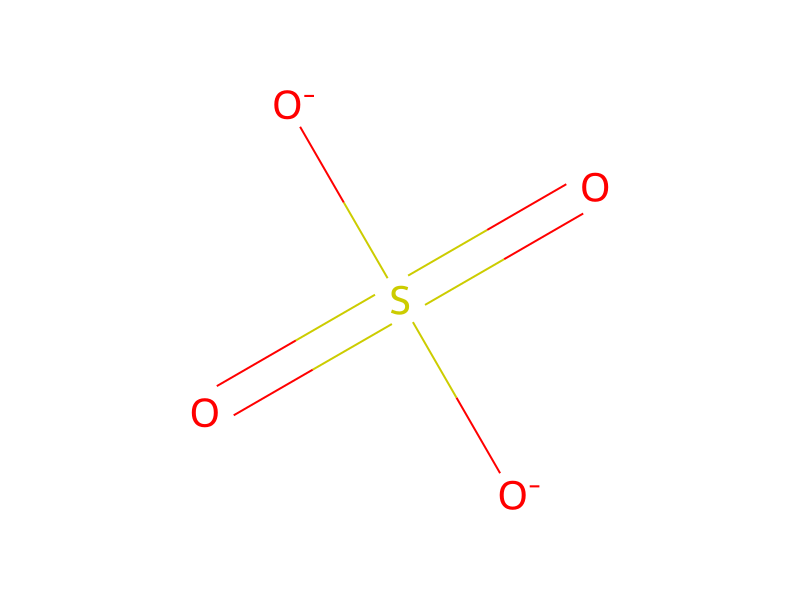
Sulfuric Acid → Sulfate Ion
Reaction equation
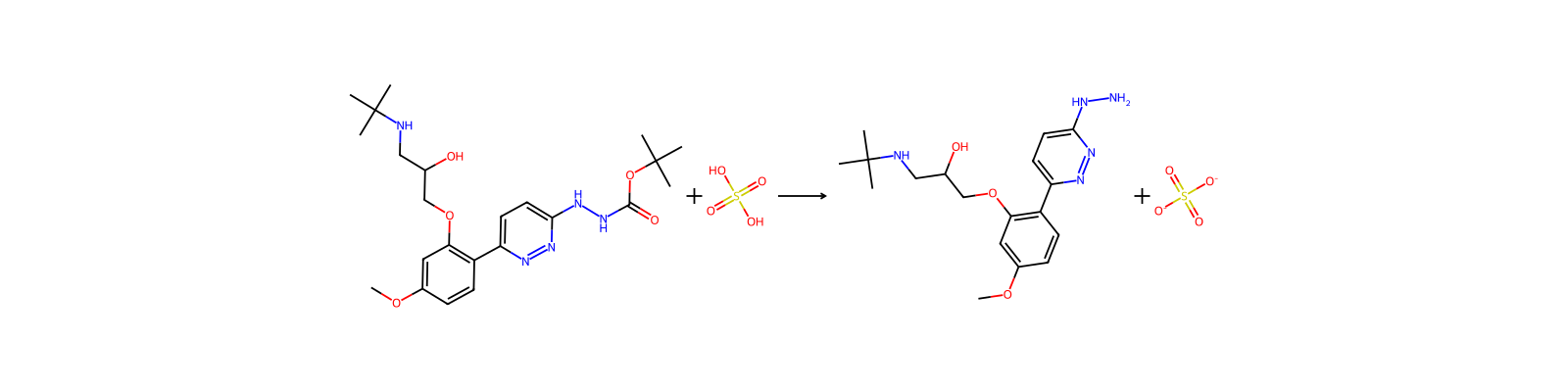
[C:1]([NH:5][CH2:6][CH:7]([OH:33])[CH2:8][O:9][C:10]1[CH:15]=[C:14]([O:16][CH3:17])[CH:13]=[CH:12][C:11]=1[C:18]1[N:19]=[N:20][C:21]([NH:24][NH:25]C(OC(C)(C)C)=O)=[CH:22][CH:23]=1)([CH3:4])([CH3:3])[CH3:2].[S:34](=[O:38])(=[O:37])([OH:36])[OH:35]>>[C:1]([NH:5][CH2:6][CH:7]([OH:33])[CH2:8][O:9][C:10]1[CH:15]=[C:14]([O:16][CH3:17])[CH:13]=[CH:12][C:11]=1[C:18]1[N:19]=[N:20][C:21]([NH:24][NH2:25])=[CH:22][CH:23]=1)([CH3:4])([CH3:2])[CH3:3].[S:34]([O-:38])([O-:37])(=[O:36])=[O:35]Participants
4



Procedure
3-[2-(3-t-Butylamino-2-hydroxypropoxy)-4-methoxyphenyl]-6-(2-t-butyloxycarbonylhydrazino)pyridazine (0.01 mole) was treated with dilute sulphuric acid (0.01 mole) and the solution evaporated to dryness to give the title compound as its sulphate salt.
Workup
- customthe solution evaporated to dryness
Sources & evidence
- ORD record
- ord-1623452a472f404484134f4e8b90a432
- Source dataset
- uspto-grants-1977_10
- Patent number
- US04053601
Reaction notes
Loading…