Hydrochloric Acid → Glycine, N-(1-methylethyl)-N-(phosphonomethyl)-
Reaction equation

Cl.[CH:2]([NH:5][CH2:6][C:7]([OH:9])=[O:8])([CH3:4])[CH3:3].[P:10]([OH:13])([OH:12])[OH:11].Cl.[CH2:15]=O>O.C(O)C>[CH:2]([N:5]([CH2:15][P:10]([OH:13])([OH:12])=[O:11])[CH2:6][C:7]([OH:9])=[O:8])([CH3:4])[CH3:3]Participants


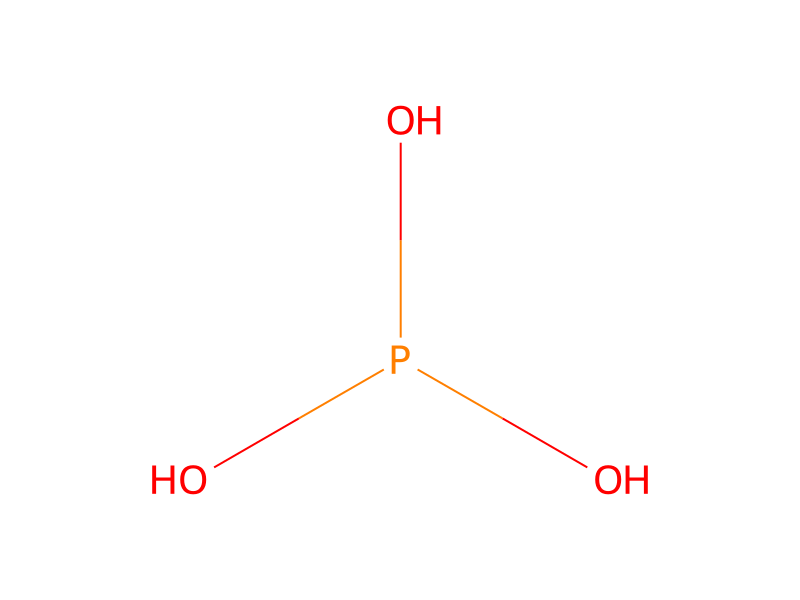




Conditions
- Temperature
- 108 °C
Procedure
To a 5 L 3-necked flask fitted with a mechanical stirrer, thermometer, addition funnel, and condenser was added 363 g (2.37 mol) of N-isopropylglycine hydrochloride, 205 g (2.50 mol) of phosphorous acid, and 1.7 L of 20% HCl solution. The mixture was heated to 108° C. giving a solution. From the addition funnel 231 g (2.84 mol) of 37% formaldehyde solution was added to the hot reaction mixture over 2 hours. The resulting yellow solution was refluxed for 8.5 hours. All volatiles were removed by vacuum distillation to leave a yellow oil. The oil was dissolved in 300 ml of H2O and diluted with 500 ml of ethyl alcohol to cause precipitation of the product. The crystals were collected by filtration, washed with ethyl alcohol, and air dried to yield 322 g (64%) of N-isopropyl-N-phosphonomethylglycine. Additional product contained in the mother liquors was not isolated.
Workup
- customTo a 5 L 3-necked flask fitted with a mechanical stirrer
- additionthermometer, addition funnel, and condenser
- customgiving a solution
- temperatureThe resulting yellow solution was refluxed for 8.5 hours
- customAll volatiles were removed by vacuum distillation
- customto leave a yellow oil
- customprecipitation of the product
- filtrationThe crystals were collected by filtration
- washwashed with ethyl alcohol, and air
- customdried
Sources & evidence
- ORD record
- ord-86eb51fcdf5c4217be73ba6ab16d4516
- Source dataset
- uspto-grants-1991_11
- Patent number
- US05068404
Reaction notes
Loading…