Hydrochloric Acid → HCID 20202897, compound
Reaction equation

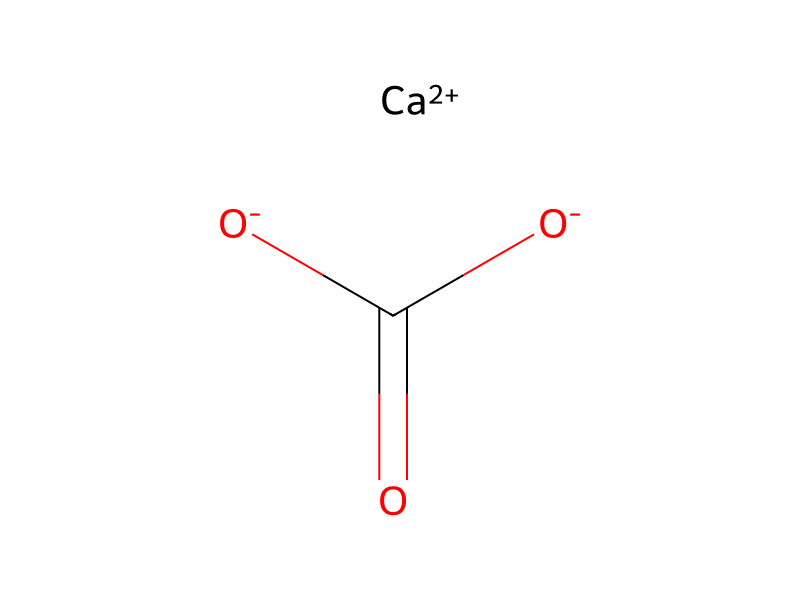
C(=O)([O-])[O-].[Ca+2].[NH2:6][C:7]1[CH:17]=[CH:16][C:15]([OH:18])=[CH:14][C:8]=1[C:9]([O:11][CH2:12][CH3:13])=[O:10].Cl.[C:20](Cl)(Cl)=[S:21]>O.ClC(Cl)Cl>[OH:18][C:15]1[CH:16]=[CH:17][C:7]([N:6]=[C:20]=[S:21])=[C:8]([CH:14]=1)[C:9]([O:11][CH2:12][CH3:13])=[O:10]Participants






Conditions
- Temperature
- 10 °C
Procedure
To a stirred mixture of 5 parts of calcium carbonate, 18.75 parts of trichloromethane and 12.5 parts of water were added 3.6 parts of ethyl 2-amino-5-hydroxybenzoate. 3 Parts of concentrate hydrochloric acid and 10 parts of water were added and the whole was stirred for 15 minutes under nitrogen atmosphere. After cooling in an ice bath at 10° C., 2.6 parts of carbonothioic dichloride were added dropwise, during a period of 20 minutes, at 10°-15° C. The whole was allowed to reach room temperature and stirring was continued for 2 hours. 300 Parts of trichloromethane and 200 parts of water were added. The organic layer was separated, washed with a hydrochloric acid solution 1N and with a sodium hydrogen carbonate solution 10%, dried, filtered and evaporated. The residue was crystallized from 45 parts of benzene. The product was filtered off and dried, yielding 3.0 parts (67.1%) of ethyl 5-hydroxy-2-isothiocyanatobenzoate (18).
Workup
- customto reach room temperature
- stirringstirring
- waitwas continued for 2 hours
- customThe organic layer was separated
- washwashed with a hydrochloric acid solution 1N and with a sodium hydrogen carbonate solution 10%
- customdried
- filtrationfiltered
- customevaporated
- customThe residue was crystallized from 45 parts of benzene
- filtrationThe product was filtered off
- customdried
Sources & evidence
- ORD record
- ord-d78d7e55591f4c4992e253aef50502c9
- Source dataset
- uspto-grants-1987_05
- Patent number
- US04665075
Reaction notes
Loading…