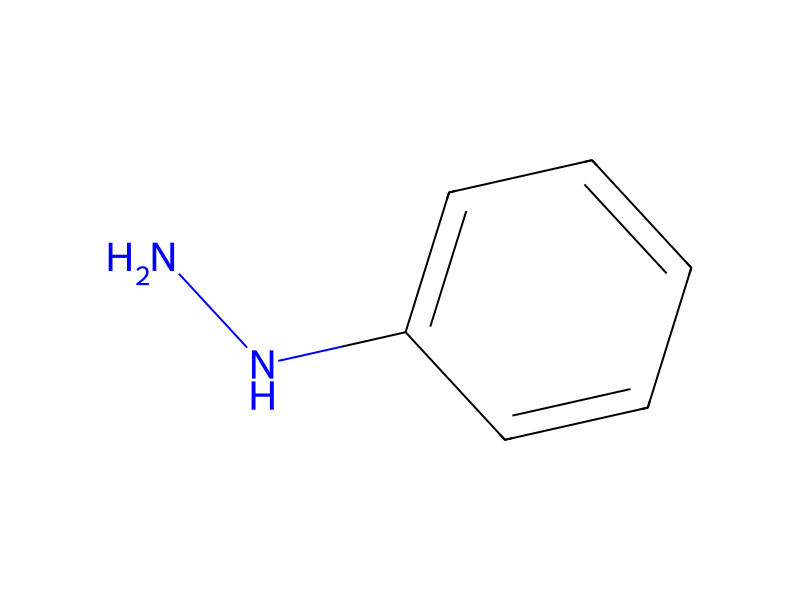
Phenylhydrazine → Trans-6-[2-(4-Methoxyphenyl)ethenyl]-2-phenyl-1(2H)-phthalazinone
Reaction equation

[CH3:1][O:2][C:3]1[CH:8]=[CH:7][C:6](/[CH:9]=[CH:10]/[C:11]2[CH:12]=[C:13]3[C:18](=[CH:19][CH:20]=2)[C:16](=[O:17])O[CH:14]3O)=[CH:5][CH:4]=1.[C:22]1([NH:28][NH2:29])[CH:27]=[CH:26][CH:25]=[CH:24][CH:23]=1>>[CH3:1][O:2][C:3]1[CH:4]=[CH:5][C:6](/[CH:9]=[CH:10]/[C:11]2[CH:12]=[C:13]3[C:18](=[CH:19][CH:20]=2)[C:16](=[O:17])[N:28]([C:22]2[CH:27]=[CH:26][CH:25]=[CH:24][CH:23]=2)[N:29]=[CH:14]3)=[CH:7][CH:8]=1Participants
3


Procedure
Following the procedure of Example 18 above trans-5-[2-(4-methoxyphenyl)ethenyl]-3-hydroxyphthalide (15 g) and phenyl hydrazine (10 ml) were reacted to give the 2-phenyl-1(2H)-phthalazinone derivative (9.8 g), mp 198°-199° C.
Workup
- customwere reacted
Sources & evidence
- ORD record
- ord-1763458df1944697bb9c421a6f58786d
- Source dataset
- uspto-grants-1987_05
- Patent number
- US04665181
Reaction notes
Loading…