6-Aminohexanoic Acid → 6-(Decanoylamino)hexanoic acid
Reaction equation

[C:1]([Cl:12])(=[O:11])[CH2:2][CH2:3][CH2:4][CH2:5][CH2:6][CH2:7][CH2:8][CH2:9][CH3:10].[NH2:13][CH2:14][CH2:15][CH2:16][CH2:17][CH2:18][C:19]([OH:21])=[O:20]>>[C:1]([Cl:12])(=[O:11])[CH2:2][CH2:3][CH2:4][CH2:5][CH2:6][CH2:7][CH2:8][CH2:9][CH3:10].[NH2:13][CH2:14][CH2:15][CH2:16][CH2:17][CH2:18][C:19]([OH:21])=[O:20].[C:1]([NH:13][CH2:14][CH2:15][CH2:16][CH2:17][CH2:18][C:19]([OH:21])=[O:20])(=[O:11])[CH2:2][CH2:3][CH2:4][CH2:5][CH2:6][CH2:7][CH2:8][CH2:9][CH3:10]Participants
5


Procedure
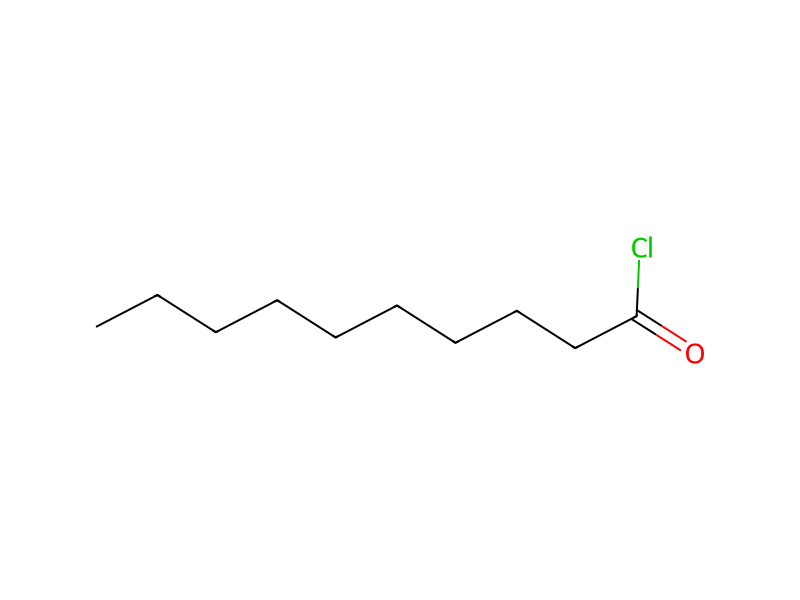
N-decanoyl-6-aminocaproic acid was prepared by reaction of decanoyl chloride with 6-aminocaproic acid according to the procedure described in Example I. From 95.4 g (0.500 mol) of decanoyl chloride and 65.6 g (0.500 mol) of 6-aminocaproic acid was obtained 140 g (98%) of N-decanoyl-6-aminocaproic acid, mp 73°-78° C.
Sources & evidence
- ORD record
- ord-68c98827f99b4d62a8baa55d11b2ca5e
- Source dataset
- uspto-grants-1987_01
- Patent number
- US04634551
Reaction notes
Loading…