Phthalic Anhydride → HCID 20222715, compound
Reaction equation

[NH2:1][CH:2]([C:7]1[CH:12]=[CH:11][CH:10]=[CH:9][CH:8]=1)[CH2:3][CH2:4][CH2:5][OH:6].[C:13]1(=O)[O:18][C:16](=[O:17])[C:15]2=[CH:19][CH:20]=[CH:21][CH:22]=[C:14]12>CN(C)C1C=CN=CC=1.O1CCOCC1>[O:17]=[C:16]1[C:15]2[C:14](=[CH:22][CH:21]=[CH:20][CH:19]=2)[C:13](=[O:18])[N:1]1[CH:2]([C:7]1[CH:12]=[CH:11][CH:10]=[CH:9][CH:8]=1)[CH2:3][CH2:4][CH2:5][OH:6]Participants
5
Reactant 2
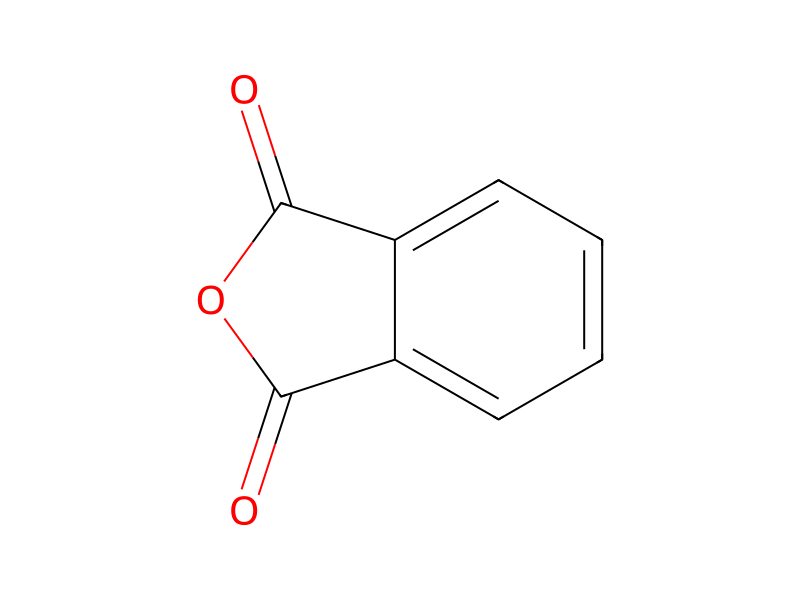

Product 1

Reagents, catalysts & solvents 2


Conditions
- Temperature
- 155 °C
Procedure
Heat a solution of δ-aminobenzenebutanol (7.32 g), phthalic anhydride (6.57 g) and 4-(dimethylamino)pyridine (0.050 g) in dioxane (100 ml) under a nitrogen atmosphere at reflux for one hour. Evaporate the solvent at atmospheric pressure and heat the residue at 155° C. under a nitrogen atmosphere for 21/2 hours. After cooling, dissolve the residue in EtOAc (400 ml). Wash the solution with 10% aqueous citric acid (50 ml) followed by saturated aqueous NaHCO3 (50 ml) and brine (50 ml). Dry the organic layer over Na2SO4, filter and vacuum evaporate the solvent to obtain the title compound.
Workup
- temperatureat reflux for one hour
- customEvaporate the solvent at atmospheric pressure
- temperatureAfter cooling
- dissolutiondissolve the residue in EtOAc (400 ml)
- washWash the solution with 10% aqueous citric acid (50 ml)
- dry with materialDry the organic layer over Na2SO4
- filtrationfilter
- customvacuum evaporate the solvent
Sources & evidence
- ORD record
- ord-5795d8fd615547629b6a1f7c848c3ab5
- Source dataset
- uspto-grants-1987_01
- Patent number
- US04634689
Reaction notes
Loading…