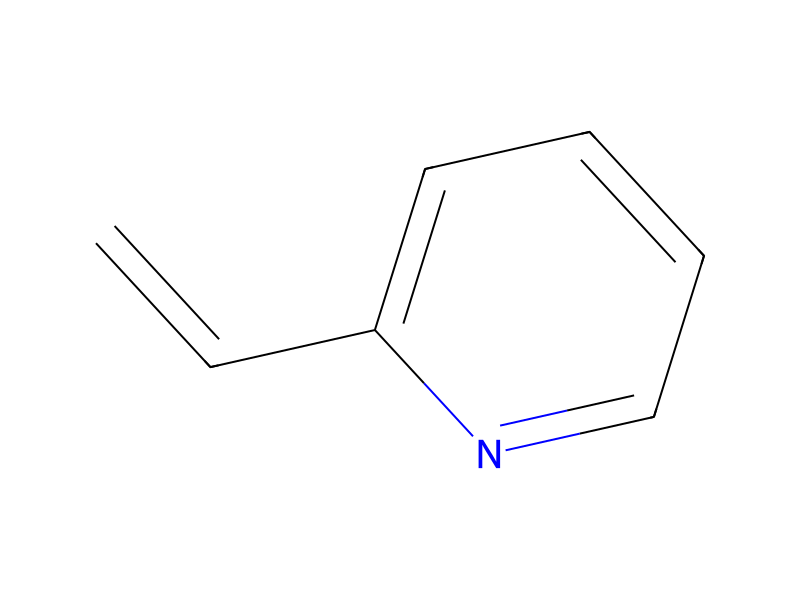
2-Vinylpyridine → 2,3,4,5-Tetrahydro-2-[2-(2-quinolinyl)ethyl]-1H-pyrido[4,3-b]indole
Reaction equation

[CH2:1]1[C:13]2[C:12]3[CH:11]=[CH:10][CH:9]=[CH:8][C:7]=3[NH:6][C:5]=2[CH2:4][CH2:3][NH:2]1.[CH:14]([C:16]1[CH:25]=[CH:24][C:23]2[C:18](=[CH:19][CH:20]=[CH:21][CH:22]=2)[N:17]=1)=[CH2:15].C(C1C=CC=CN=1)=C.C1(N)C(F)=C(F)C(F)=C(N)C=1F.Cl.Cl>>[N:17]1[C:18]2[C:23](=[CH:22][CH:21]=[CH:20][CH:19]=2)[CH:24]=[CH:25][C:16]=1[CH2:14][CH2:15][N:2]1[CH2:3][CH2:4][C:5]2[NH:6][C:7]3[CH:8]=[CH:9][CH:10]=[CH:11][C:12]=3[C:13]=2[CH2:1]1Participants
5


Procedure
The title compound was prepared following the procedure of Example 2 with the exception that 2,3,4,5-tetrahydro-1H-pyrido[4,3-b]indole was used instead of 8-fluoro-2,3,4,5-tetrahydro-1H-pyrido[4,3-b]indole and 2-vinylquinoline replaced 2-vinylpyridine. The product was converted to the dihydrochloride; mp 195°-197° C.
Sources & evidence
- ORD record
- ord-591407285cc342c8882fbf69f03755a0
- Source dataset
- uspto-grants-1987_01
- Patent number
- US04636563
Reaction notes
Loading…