Acetate → Phenylacetic Acid
Reaction equation

[C:1]([O-:4])(=[O:3])[CH3:2].[CH3:5][C:6]1([CH3:27])[S:10][C@@H:9]2[C@H:11]([NH:14]C(C[C:18]3[CH:19]=[CH:20][CH:21]=[CH:22][CH:23]=3)=O)[C:12](=[O:13])[N:8]2[C@H:7]1[C:24]([OH:26])=[O:25]>>[CH3:5][C:6]1([CH3:27])[S:10][C@@H:9]2[C@H:11]([NH2:14])[C:12](=[O:13])[N:8]2[C@H:7]1[C:24]([OH:26])=[O:25].[C:18]1([CH2:2][C:1]([OH:4])=[O:3])[CH:19]=[CH:20][CH:21]=[CH:22][CH:23]=1Participants
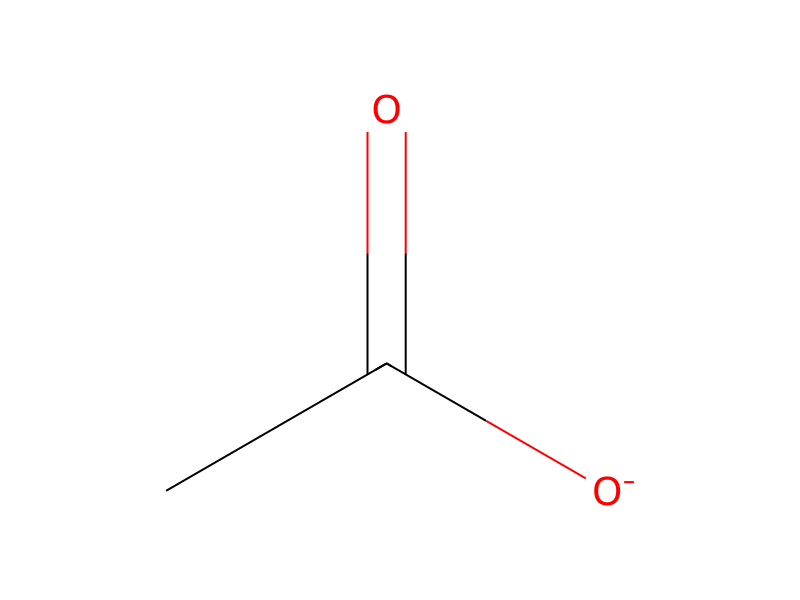


Procedure
To 400 ml of a sterile 1.1% chisosan acetate solution (chitosan-hv) were added 100 ml of an E. coli cell suspension having a wet biomass proportion of 50 g and well suspended. This suspension was thereafter transferred into the immobilization apparatus having been described. By applying pressure (1.3 bars) by means of sterile air, the suspension was added dropwise through the steel tubes into the 2% Na tripolyphosphate cross-linking agent solution (pH 8). The sterile air stream used to blow off the beads was selected such that beads having a final diameter of 0.6 mm were obtained. After the complete cross-linking throughout, curing and shrinkage of the chitosan biocatalyst beads, they could be used directly for the cleavage of Penicillin G to form 6-aminopenicillanic acid and phenylacetic acid. The resultant biocatalyst beads had an activity of 60 U/g KFM with a residual activity of 63%.
Workup
- customwere obtained
Sources & evidence
- ORD record
- ord-a6c89c7d494e4b5487dfb514e5676b42
- Source dataset
- uspto-grants-1987_01
- Patent number
- US04639423
Reaction notes
Loading…