Acetanilide → N-Acetylsulfanilyl chloride
Reaction equation

[C:1]([NH:4][C:5]1[CH:10]=[CH:9][CH:8]=[CH:7][CH:6]=1)(=[O:3])[CH3:2].[Cl:11][S:12](O)(=[O:14])=[O:13]>N1C=CC=CC=1>[C:1]([NH:4][C:5]1[CH:10]=[CH:9][C:8]([S:12]([Cl:11])(=[O:14])=[O:13])=[CH:7][CH:6]=1)(=[O:3])[CH3:2].[CH2:5]([NH2:4])[CH2:10][CH2:9][CH2:8][CH2:7][CH2:6][CH2:9][CH2:10][CH2:5][CH2:6][CH2:7][CH3:8]Participants
5
Reactant 2

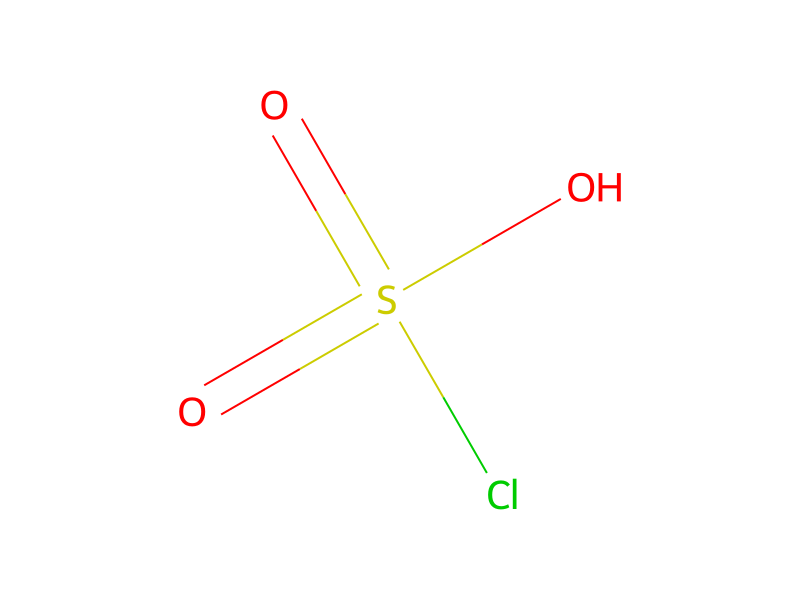
Product 2


Reagents, catalysts & solvents 1

Procedure
Twenty grams of 4-acetylaminophenylsulfonyl-chloride obtained from acetanilide and chlorosulfonic acid and 6.5 g of dodecylamine and 8.1 g of pyridine were added to 100 ml of acetonitrile, and the mixture was refluxed with heating for 3.5 hours. The solvent was distilled off under reduced pressure. 100 ml of ethyl acetate were added to this, and the organic phase was washed with a 5% potassium carbonate solution and a 1% hydrochloric acid solution, and then washed with water. After dehydration of the product by magnesium sulfate, the ethyl acetate was distilled off, whereby 17.7 g of a crude product was obtained.
Sources & evidence
- ORD record
- ord-a7c913a7a3bc42198f72f9b8c550ee1d
- Source dataset
- uspto-grants-1991_02
- Patent number
- US04992360
Reaction notes
Loading…