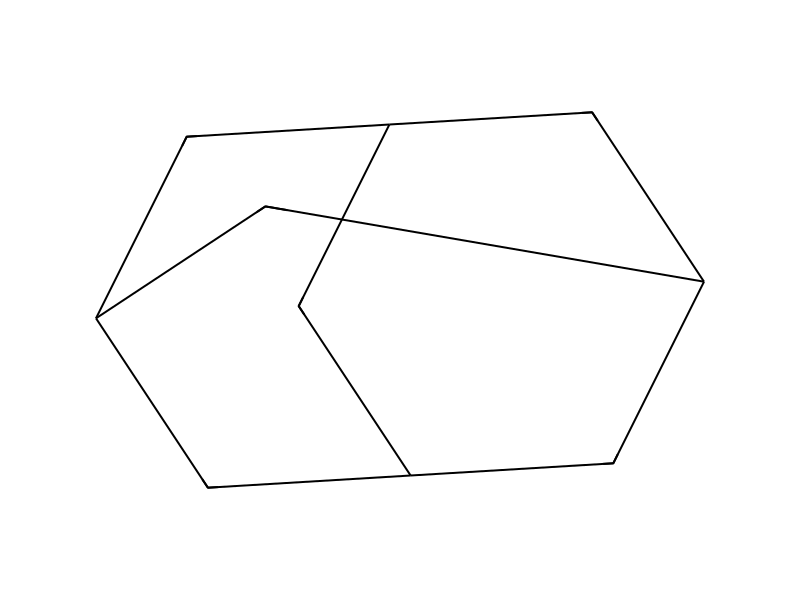
1-Bromoadamantane → Adamantane
Reaction equation

[Sn].[SnH](CCC(C(C(C(C(C(F)(F)F)(F)F)(F)F)(F)F)(F)F)(F)F)(CCC(C(C(C(C(C(F)(F)F)(F)F)(F)F)(F)F)(F)F)(F)F)CCC(C(C(C(C(C(F)(F)F)(F)F)(F)F)(F)F)(F)F)(F)F.[C:66]12(Br)[CH2:75][CH:70]3[CH2:71][CH:72]([CH2:74][CH:68]([CH2:69]3)[CH2:67]1)[CH2:73]2>>[CH:66]12[CH2:75][CH:70]3[CH2:71][CH:72]([CH2:74][CH:68]([CH2:69]3)[CH2:67]1)[CH2:73]2Participants


Procedure
Illustrative examples of the uses of one of these fluorous tin reagents, (C6F13CH2CH2)3SnH, are shown in FIG. 2. Reduction of adamantyl bromide with 1 equiv of (C6F13CH2CH2)3SnH followed by fluorous-organic liquid-liquid extraction provides the organic product adamantane on evaporation of the organic liquid phase and the fluorous product (C6F13CH2CH2)3SnBr on evaporation of the fluorous phase. A similar reduction can be conducted in a more economical way by using a catalytic amount of the fluorous tin hydride along with an inexpensive inorganic reductant like sodium cyanoborohydride. A three-phase liquid extraction then provides the respective products: inorganic salts (from the aqueous phase), adamantane (from the organic phase), and the tin hydride catalyst (from the fluorous phase).
Sources & evidence
- ORD record
- ord-a611a96704ea4d9c853827fd79ea59eb
- Source dataset
- uspto-grants-2005_03
- Patent number
- US06861544B1
Reaction notes
Loading…