3-Chloro-2-methyl-1-propene → Sodium Chloride
Reaction equation

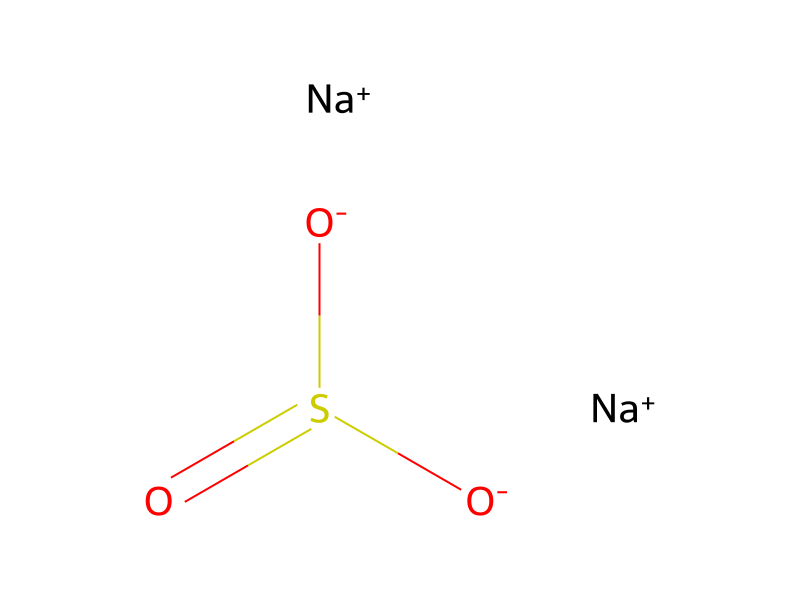
[CH2:1]([Cl:5])[C:2](=[CH2:4])[CH3:3].[S:6]([O-:9])([O-:8])=[O:7].[Na+:10].[Na+]>>[CH2:1]([S:6]([O-:9])(=[O:8])=[O:7])[C:2](=[CH2:4])[CH3:3].[Na+:10].[Cl-:5].[Na+:10]Participants
4



Procedure
In the first synthetic route, isobutene is reacted with chlorine to form the intermediate methallyl chloride. This compound reacts with sulfites to give the target products. For example, the reaction of methallyl chloride with sodium sulfite gives sodium methallylsulfonate and sodium chloride. Disadvantages of this synthesis are that the molar yield of target product is only 85% based on isobutene and inorganic chlorides are formed as coproducts and organic chlorine compounds are formed as by-products.
Workup
- customto give the target products
Sources & evidence
- ORD record
- ord-8c6e055a6b254dd286e1372d5bdc60d9
- Source dataset
- uspto-grants-2005_03
- Patent number
- US06864388B2
Reaction notes
Loading…