Benzyl Alcohol → 3-(Benzyloxy)-6-chloropyridazine
Reaction equation

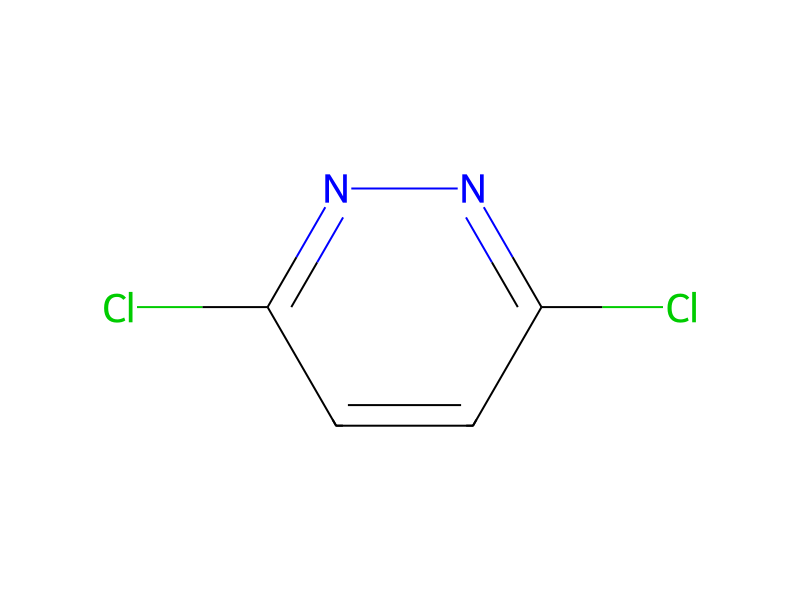
[Na].[Cl:2][C:3]1[N:4]=[N:5][C:6](Cl)=[CH:7][CH:8]=1.[CH2:10]([OH:17])[C:11]1[CH:16]=[CH:15][CH:14]=[CH:13][CH:12]=1>>[CH2:10]([O:17][C:6]1[N:5]=[N:4][C:3]([Cl:2])=[CH:8][CH:7]=1)[C:11]1[CH:16]=[CH:15][CH:14]=[CH:13][CH:12]=1Participants
4



Procedure
Sodium metal (3.1 g) was added to benzyl alcohol (75 mL) and gently warmed to 50° C. for 30 minutes until all the sodium metal dissolved. A solution of 3,6-dichloropyridazine (135 mmol) in benzyl alcohol (75 mL) was added. The reaction mixture was kept at 100° C. for 24 hours. Excess benzyl alcohol was evaporated and the residue was extracted with ethyl acetate (3×100 mL) and the ethyl acetate extract was washed with water. The resulting ethyl acetate layer was collected, dried, filtered, and the filtrate was evaporated to afford the title compound (90%, 26.7 g); mp, 77-78° C.
Workup
- dissolutiondissolved
- customExcess benzyl alcohol was evaporated
- extractionthe residue was extracted with ethyl acetate (3×100 mL)
- extractionthe ethyl acetate extract
- washwas washed with water
- customThe resulting ethyl acetate layer was collected
- customdried
- filtrationfiltered
- customthe filtrate was evaporated
Sources & evidence
- ORD record
- ord-04b8b80673ef4b139af510a6d75deec7
- Source dataset
- uspto-grants-2005_03
- Patent number
- US06872722B2
Reaction notes
Loading…