Triphenylphosphine → HCID 22988438, compound
Reaction equation

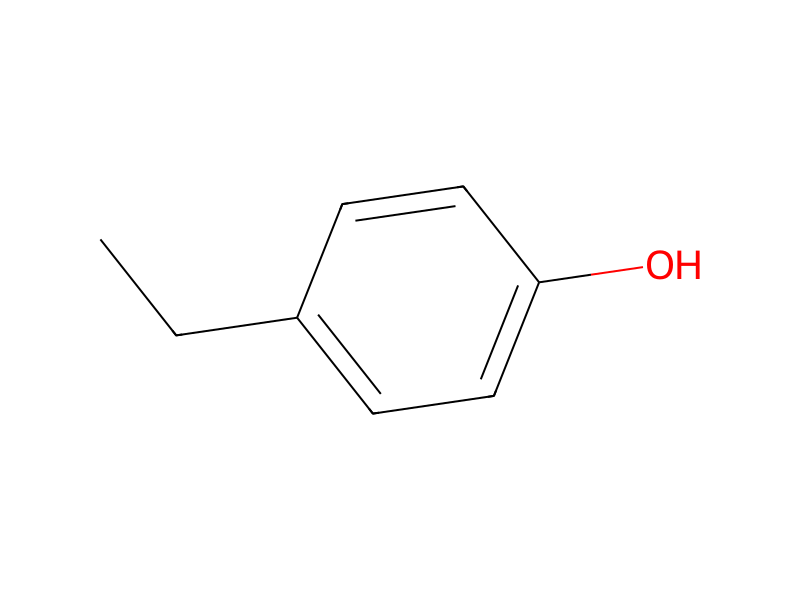
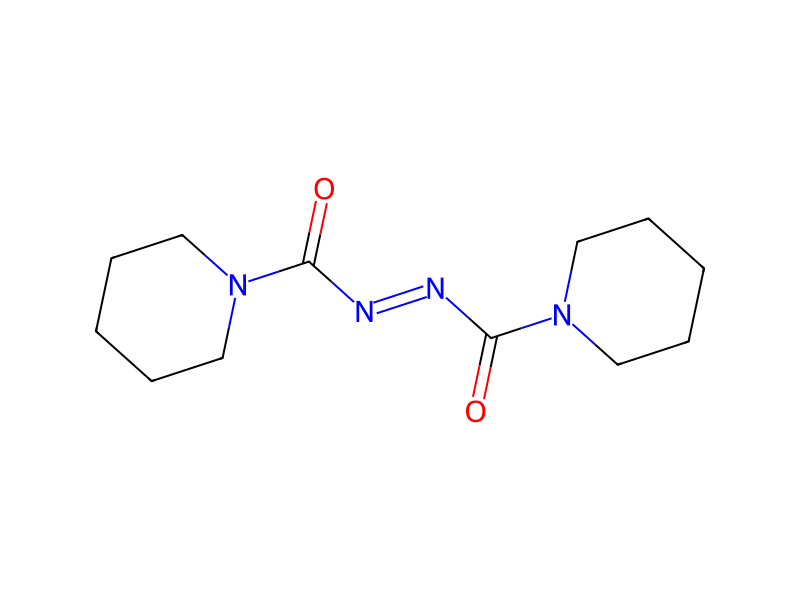
[CH2:1]([C:3]1[CH:8]=[CH:7][C:6](O)=[CH:5][CH:4]=1)[CH3:2].[CH2:10]([O:12][CH:13]([CH2:19][C:20]1[CH:25]=[CH:24][C:23]([OH:26])=[CH:22][CH:21]=1)[C:14]([O:16][CH2:17][CH3:18])=[O:15])[CH3:11].N(C(N1CCCCC1)=O)=NC(N1CCC[CH2:33][CH2:32]1)=O.C1(P(C2C=CC=CC=2)C2C=CC=CC=2)C=CC=CC=1>ClCCl>[CH2:10]([O:12][CH:13]([CH2:19][C:20]1[CH:21]=[CH:22][C:23]([O:26][CH2:2][CH2:1][C:3]2[CH:8]=[CH:7][C:6]([CH2:32][CH3:33])=[CH:5][CH:4]=2)=[CH:24][CH:25]=1)[C:14]([O:16][CH2:17][CH3:18])=[O:15])[CH3:11]Participants
6




Procedure
4-Ethyl-phenyl alcohol (0.45 g, 3 mmol) and ethyl 2-ethoxy-3-(4-hydroxyphenyl)propanoate (0.86 g, 3.6 mmol) were mixed in dichloromethane (15 ml). 1,1′-(Azodicarbonyl)dipiperidine (0.91 g, 3.6 mmol) and triphenylphosphine (0.95 g, 3.6 mmol) were then added respectively. The mixture was stirred at room temperature overnight and filtered. The filtrate was evaporated to dry in vacuum. Column chromatography of the residue on silica gel using ethyl acetate/heptane (gradient 10:90 to 50:50) as eluant gave 0.49 g desired product, yield 44%.
Workup
- filtrationfiltered
- customThe filtrate was evaporated
- customto dry in vacuum
Sources & evidence
- ORD record
- ord-d666ebde036a4b7aaf45833792a892a9
- Source dataset
- uspto-grants-2003_10
- Patent number
- US06630509B2
Reaction notes
Loading…