Potassium Iodide → 4-Benzyloxy-3-propoxybenzaldehyde
Reaction equation

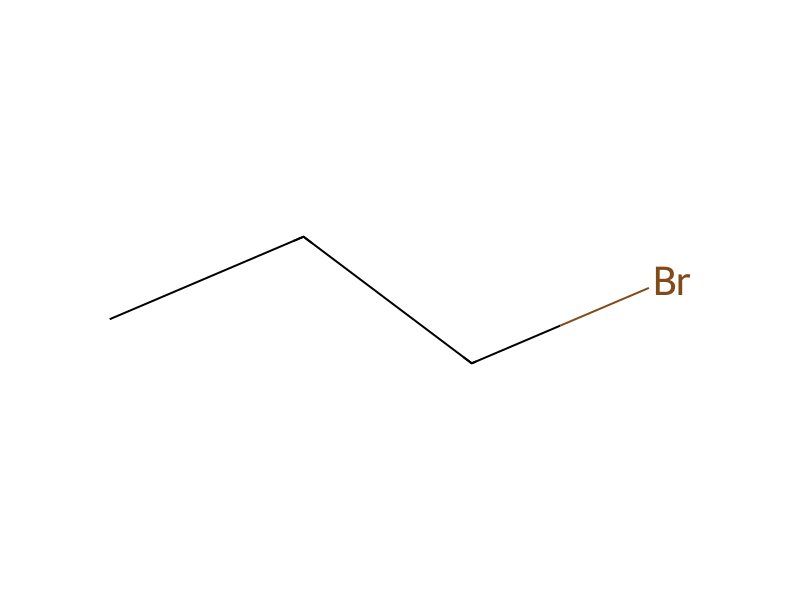
C(=O)([O-])[O-].[K+].[K+].[I-].[K+].[CH3:9][CH2:10][CH2:11]Br.[CH2:13]([O:20][C:21]1[CH:28]=[CH:27][C:24]([CH:25]=[O:26])=[CH:23][C:22]=1[OH:29])[C:14]1[CH:19]=[CH:18][CH:17]=[CH:16][CH:15]=1>CS(C)=O>[CH2:13]([O:20][C:21]1[CH:28]=[CH:27][C:24]([CH:25]=[O:26])=[CH:23][C:22]=1[O:29][CH2:9][CH2:10][CH3:11])[C:14]1[CH:15]=[CH:16][CH:17]=[CH:18][CH:19]=1Participants
6





Procedure
2.15 g (15.6 mmol) of potassium carbonate, 0.20 g (1.22 mmol) of potassium iodide and 1.20 ml (13.2 mmol) of n-propyl bromide were added to a solution of 2.73 g (12.0 mmol) of 4-benzyloxy-3-hydroxybenzaldehyde in 18 ml of dimethyl sulfoxide (DMSO) and were allowed to react for 24 hours at 60° C. Thereafter, the reaction mixture was cooled to room temperature and partitioned between ethyl acetate and water and the organic phase was washed several times with saturated sodium chloride solution, dried over magnesium sulfate, filtered and evaporated down. Chromatography of the residue over 50 g of silica gel using toluene gave 2.90 g of 4-benzyloxy-3-propoxybenzaldehyde.
Workup
- customto react for 24 hours at 60° C
- custompartitioned between ethyl acetate and water
- washthe organic phase was washed several times with saturated sodium chloride solution
- dry with materialdried over magnesium sulfate
- filtrationfiltered
- customevaporated down
Sources & evidence
- ORD record
- ord-65ecc0aa62774f3baa22028809276092
- Source dataset
- uspto-grants-2003_10
- Patent number
- US06632909B2
Reaction notes
Loading…