Catechol → HCID 889391, compound
Reaction equation

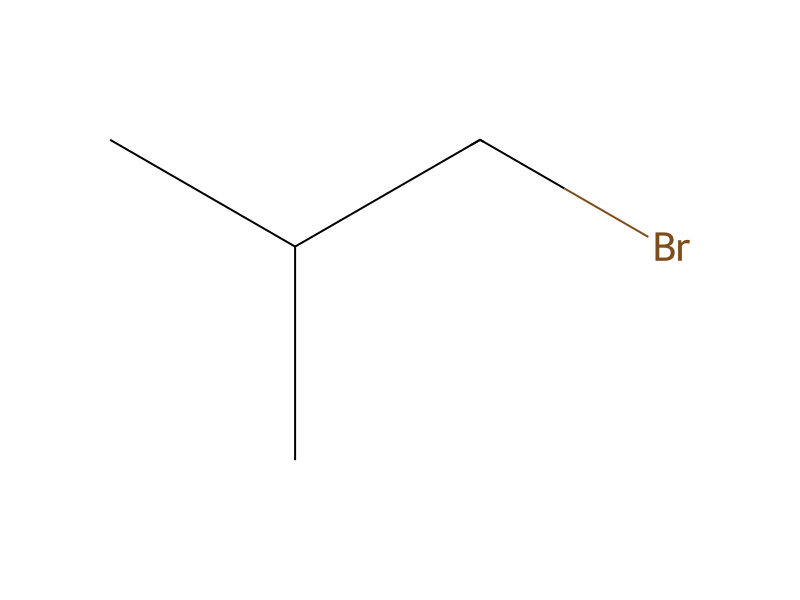
[C:1]1([C:3](=[CH:5][CH:6]=[CH:7][CH:8]=1)[OH:4])[OH:2].N[C@H](C(O)=O)[CH2:11][C:12]1[CH:21]=C2C(C=CC=C2)=C[CH:13]=1.[OH-].[K+].Br[CH2:28][CH:29]([CH3:31])[CH3:30]>C(O)C>[CH3:11][CH:12]([CH3:21])[CH2:13][O:2][C:1]1[CH:8]=[CH:7][CH:6]=[CH:5][C:3]=1[O:4][CH2:28][CH:29]([CH3:31])[CH3:30]Participants
6
Reactant 4



Product 1

Reagents, catalysts & solvents 1

Procedure
Pyrocatechol (220.22 g, 2 mol) and Nal (10.49 g, 0.14 mol) were initially introduced in 900 ml of ethanol, and the mixture was heated to reflux. KOH (56.11 g, 1 mol) dissolved in about 300 ml of ethanol and simultaneously 1-bromo-2-methylpropane (137.03 g, 1 mol, 108.75 ml) were subsequently slowly added dropwise. The mixture was refluxed further overnight. On the next day, the same amount of KOH and alkyl bromide were again added. This procedure was repeated a total of seven times.
Workup
- temperaturethe mixture was heated to reflux
- temperatureThe mixture was refluxed further overnight
Sources & evidence
- ORD record
- ord-c77a496cace54afe95a309579a7c6594
- Source dataset
- uspto-grants-2003_10
- Patent number
- US06638646B2
Reaction notes
Loading…