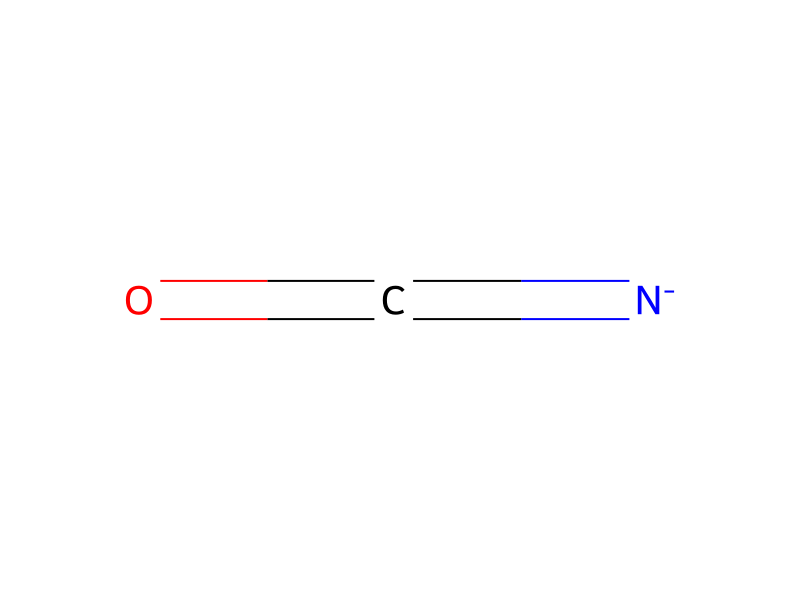
Isocyanate → HCID 10573917, compound
Reaction equation

[Br:1][C:2]1[CH:3]=[C:4](C(N=[N+]=[N-])=O)[CH:5]=[N:6][CH:7]=1.[N-:13]=[C:14]=[O:15].[CH3:16][O:17][C:18]1[CH:19]=[C:20]2[C:24](=[CH:25][C:26]=1[C:27]([F:30])([F:29])[F:28])[NH:23][CH2:22][CH2:21]2>C1(C)C=CC=CC=1.ClCCl>[Br:1][C:2]1[CH:3]=[C:4]([NH:13][C:14]([N:23]2[C:24]3[C:20](=[CH:19][C:18]([O:17][CH3:16])=[C:26]([C:27]([F:29])([F:30])[F:28])[CH:25]=3)[CH2:21][CH2:22]2)=[O:15])[CH:5]=[N:6][CH:7]=1Participants
6




Procedure
5-Bromo-3-pyridylcarbonylazide (3.7 g, 16 mmoles) was heated under reflux in dry toluene (100 ml) for 1 hr. After cooling the resulting solution of isocyanate was treated with a solution of 5-methoxy-6-trifluoromethyl indoline (D11) (35 g, 16 mmoles) in dichloromethane (600 ml) and stirred overnight. The mixture was concentrated in vacuo and the residue triturated with diethyl ether. Filtration and washing with more diethyl ether gave the tide compound (D26) (5.4 g, 81%).
Workup
- concentrationThe mixture was concentrated in vacuo
- customthe residue triturated with diethyl ether
- filtrationFiltration
- washwashing with more diethyl ether
Sources & evidence
- ORD record
- ord-a2feb5a794c44f17a29ac5581d70049c
- Source dataset
- uspto-grants-2003_10
- Patent number
- US06638953B2
Reaction notes
Loading…