N-Methyl-4-nitroaniline → 2-bromo-N-methyl-N-(4-nitrophenyl)acetamide
Reaction equation

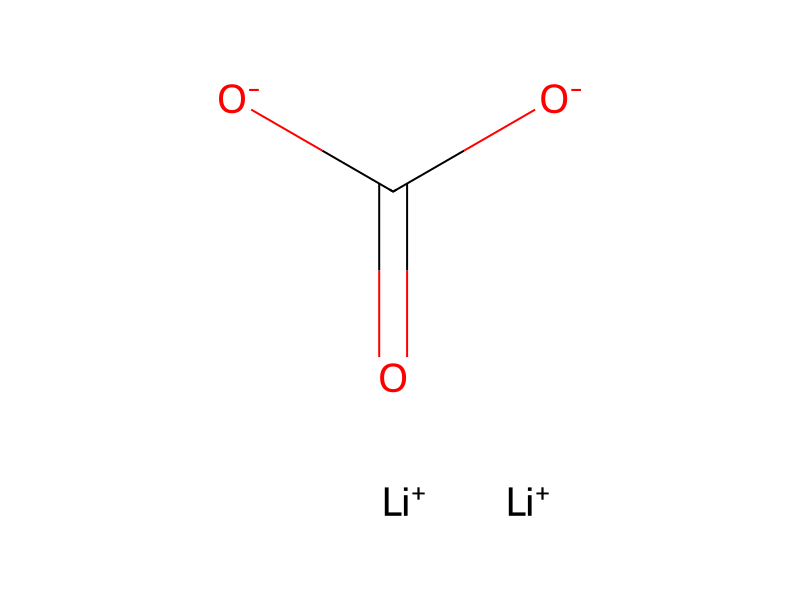
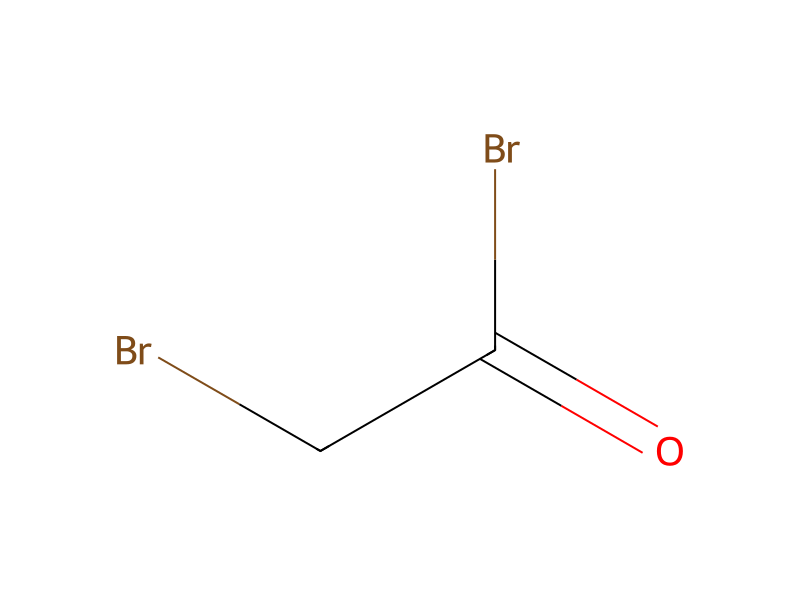
[CH3:1][NH:2][C:3]1[CH:8]=[CH:7][C:6]([N+:9]([O-:11])=[O:10])=[CH:5][CH:4]=1.C(=O)([O-])[O-].[Li+].[Li+].[Br:18][CH2:19][C:20](Br)=[O:21]>O1CCOCC1>[Br:18][CH2:19][C:20]([N:2]([C:3]1[CH:4]=[CH:5][C:6]([N+:9]([O-:11])=[O:10])=[CH:7][CH:8]=1)[CH3:1])=[O:21]Participants
5
Reactant 3

Product 1

Reagents, catalysts & solvents 1

Procedure
23.5 g (0.15 mol) of N-methyl-4-nitroaniline are dissolved in 400 ml of dioxane and combined with 22.2 g (0.3 mol) of lithium carbonate. Then 32.2 g (0.18 mol) of bromoacetylbromide are added dropwise in such a way that the internal temperature does not exceed 33° C. After 18 hours' stirring the reaction solution is evaporated down to 100 ml, combined with 500 ml of water and stirred for 1 hour. The precipitate formed is suction filtered, washed with water and dried. The crude product is stirred in 400 ml of ethyl acetate at 40° C. Then the insoluble matter is filtered off, the solution is evaporated down and the solid residue is triturated with ether.
Workup
- customdoes not exceed 33° C
- customis evaporated down to 100 ml
- stirringstirred for 1 hour
- customThe precipitate formed
- filtrationfiltered
- washwashed with water
- customdried
- stirringThe crude product is stirred in 400 ml of ethyl acetate at 40° C
- filtrationThen the insoluble matter is filtered off
- customthe solution is evaporated down
- customthe solid residue is triturated with ether
Sources & evidence
- ORD record
- ord-bea18bee3b6d4a8f80a41c8184565167
- Source dataset
- uspto-grants-2003_10
- Patent number
- US06638965B2
Reaction notes
Loading…