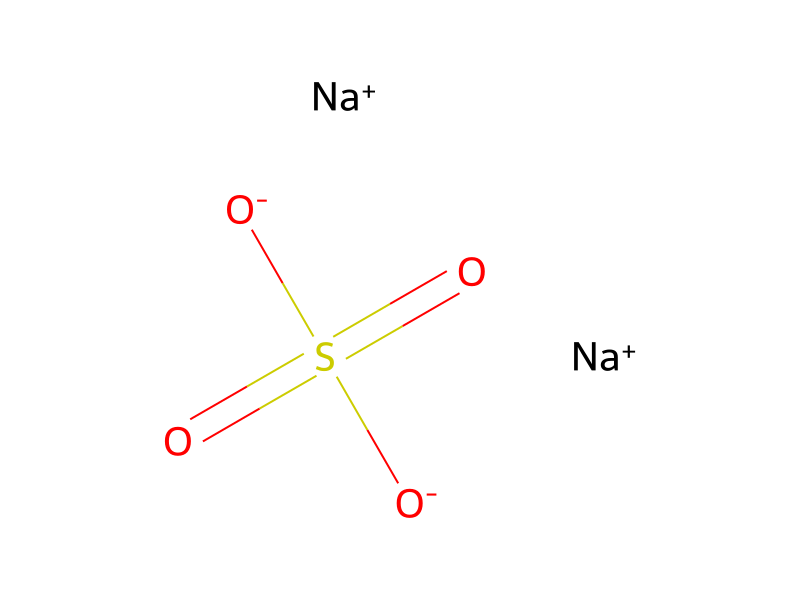
Sodium Sulfate → HCID 18006318, compound
Reaction equation

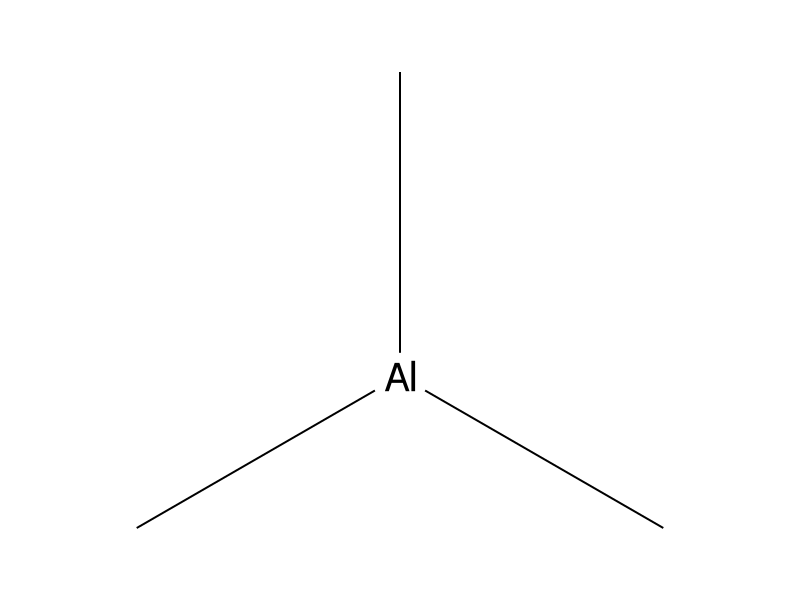
Cl[B:2]([CH:14]1[CH2:18][CH2:17][CH2:16][CH:15]1[C:19]1[CH:24]=[CH:23][CH:22]=[CH:21][CH:20]=1)[CH:3]1[CH2:7][CH2:6][CH2:5][CH:4]1[C:8]1[CH:13]=[CH:12][CH:11]=[CH:10][CH:9]=1.[CH3:25][Al](C)C.[Cl-].[NH4+].S([O-])([O-])(=O)=O.[Na+].[Na+]>CCCCCC>[CH3:25][B:2]([CH:14]1[CH2:18][CH2:17][CH2:16][CH:15]1[C:19]1[CH:24]=[CH:23][CH:22]=[CH:21][CH:20]=1)[CH:3]1[CH2:7][CH2:6][CH2:5][CH:4]1[C:8]1[CH:13]=[CH:12][CH:11]=[CH:10][CH:9]=1Participants
Reactant 4


Product 1

Reagents, catalysts & solvents 1

Conditions
- Temperature
- 0 °C
Procedure
Chloro-bis-(2-phenyl-cyclopentyl)-borane from preparation 1 was diluted with 60 mL of dry hexanes under nitrogen. The solution was cooled to 0° C. and a 2M solution of trimethylaluminum in hexanes (5.8 mL) was added dropwise causing the reaction to turn orange. The reaction was allowed to warm to room temperature and stirred for 1.5 hours. During this time a red-brown mass precipitated out of solution, leaving a yellow supernatant. The hexane supernatant was transferred via cannula to a nitrogen flushed separatory funnel containing 50 mL of saturated aqueous ammonium chloride. The organic phase becomes colorless and was transferred via cannula to a dry flask containing sodium sulfate for drying. The solution was then transferred via cannula to a dry, nitrogen-flushed flask and the solvent removed under aspirator vacuum and nitrogen. The clear oil was used directly without further characterization.
Workup
- customthe reaction
- temperatureto warm to room temperature
- customDuring this time a red-brown mass precipitated out of solution
- customleaving a yellow supernatant
- customwas transferred via cannula to a dry flask
- customfor drying
- customflushed flask
- customthe solvent removed under aspirator vacuum and nitrogen
Sources & evidence
- ORD record
- ord-138666e3676945c488a9dcef9c750ec1
- Source dataset
- uspto-grants-2003_10
- Patent number
- US06639107B1
Reaction notes
Loading…