Tetrahydrofuran → HCID 12040176, compound
Reaction equation

[CH3:1][O:2][C:3]1[CH:8]=[C:7]([O:9][CH3:10])[N:6]=[C:5]([C:11]([C:13]2[CH:19]=[CH:18][CH:17]=[C:16]([CH2:20][O:21][CH3:22])[C:14]=2[NH2:15])=[O:12])[N:4]=1.O1CCCC1.B.[Na]>O>[CH3:10][O:9][C:7]1[CH:8]=[C:3]([O:2][CH3:1])[N:4]=[C:5]([CH:11]([OH:12])[C:13]2[CH:19]=[CH:18][CH:17]=[C:16]([CH2:20][O:21][CH3:22])[C:14]=2[NH2:15])[N:6]=1Participants
Reactant 3


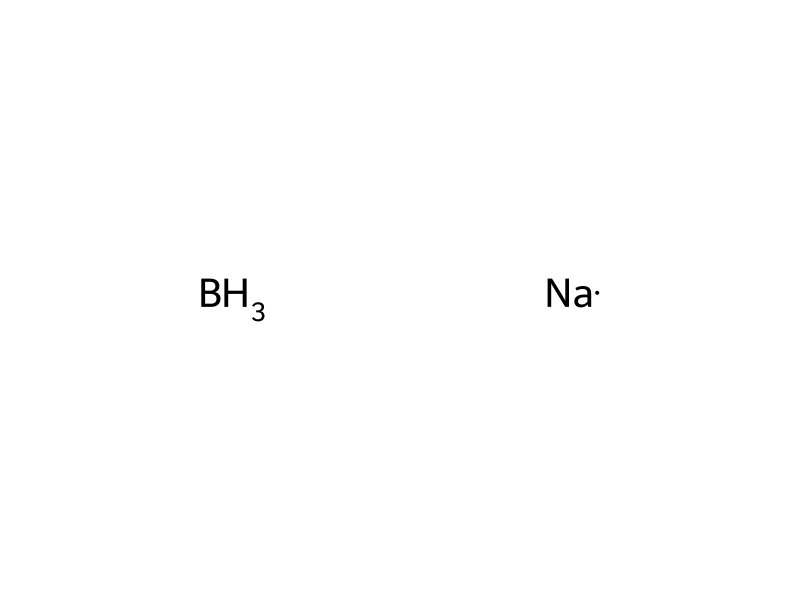
Product 1

Reagents, catalysts & solvents 1

Procedure
3.1 g (10 mM) of the 2-(4,6-dimethoxypyrimidine-2-ylcarbonyl)-6-methoxymethylaniline obtained in the above (4) was dissolved in 50 ml of a 1:1 (by volume ratio) mixed solvent of tetrahydrofuran and water. While the solution was stirred at room temperature, thereto was added 0.6 g (16 mM) of sodium boron hydride. The mixture was stirred at room temperature for 2 hours. 50 ml of ice water was added, followed by extraction with ethyl acetate. The organic layer was washed with a saturated aqueous sodium chloride solution, dried, and subjected to vacuum distillation to remove the solvent. The residual crystals were washed with diisopropyl ether to obtain 2.8 g (yield: 92%) of 2-[(4,6-dimethoxypyrimidine-2-yl)hydroxymethyl]-6-methoxymethylaniline as a white powder (melting point: 40 to 42° C.).
Workup
- dissolutionwas dissolved in 50 ml of a 1:1 (by volume ratio)
- stirringThe mixture was stirred at room temperature for 2 hours
- extractionfollowed by extraction with ethyl acetate
- washThe organic layer was washed with a saturated aqueous sodium chloride solution
- customdried
- distillationsubjected to vacuum distillation
- customto remove the solvent
- washThe residual crystals were washed with diisopropyl ether
Sources & evidence
- ORD record
- ord-fc0624bd66984cb1ad9787cea4eba683
- Source dataset
- uspto-grants-2002_10
- Patent number
- US06458748B1
Reaction notes
Loading…