Catechol → HCID 889391, compound
Reaction equation

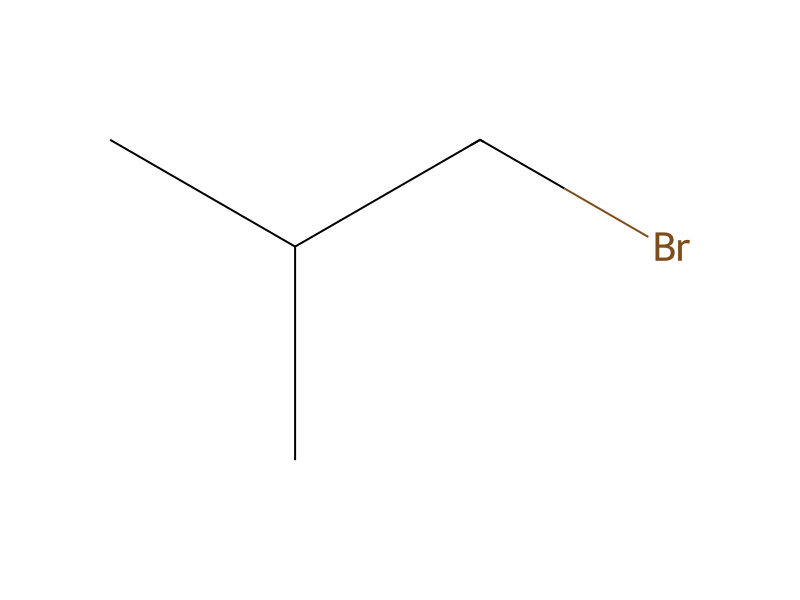
[C:1]1([C:3](=[CH:5][CH:6]=[CH:7][CH:8]=1)[OH:4])[OH:2].N[C@H](C(O)=O)[CH2:11][C:12]1[CH:21]=C2C(C=CC=C2)=C[CH:13]=1.[OH-].[K+].Br[CH2:28][CH:29]([CH3:31])[CH3:30]>C(O)C>[CH3:11][CH:12]([CH3:21])[CH2:13][O:2][C:1]1[CH:8]=[CH:7][CH:6]=[CH:5][C:3]=1[O:4][CH2:28][CH:29]([CH3:31])[CH3:30]Participants
Reactant 4



Product 1

Reagents, catalysts & solvents 1

Procedure
Catechol (220.22 g, 2 mol) and Nal (10.49 g, 0.14 mol) were initially charged in 900 ml of ethanol and heated to reflux. Subsequently, KOH (56.11 g, 1 mol) dissolved in about 300 ml of ethanol and, simultaneously, 1-bromo-2-methylpropane (137.03 g, 1 mol, 108.75 ml) were slowly added dropwise. The mixture was refluxed further overnight. On the next day, the same amounts of KOH and alkyl bromide were again added. This procedure was repeated a total of seven times. After cooling the reaction mixture, the solution was decanted from the solid. The filter cake was washed with ethanol. The organic phase was evaporated. The filter cake was dissolved in 1 l of warm water and admixed with the organic phase which had been diluted with ethyl acetate. After phase separation, the organic phase was again stirred with 10% strength aqueous NaOH, washed with water and dried over Na2SO4. The crude product obtained after taking off the solvent was fractionally distilled under reduced pressure.
Workup
- temperatureheated to reflux
- temperatureThe mixture was refluxed further overnight
- temperatureAfter cooling the reaction mixture
- customthe solution was decanted from the solid
- washThe filter cake was washed with ethanol
- customThe organic phase was evaporated
- dissolutionThe filter cake was dissolved in 1 l of warm water
- additionhad been diluted with ethyl acetate
- customAfter phase separation
- washwashed with water
- dry with materialdried over Na2SO4
Sources & evidence
- ORD record
- ord-4ee1066947cb4cdb90c4c0170f8e0555
- Source dataset
- uspto-grants-2002_10
- Patent number
- US06458909B1
Reaction notes
Loading…