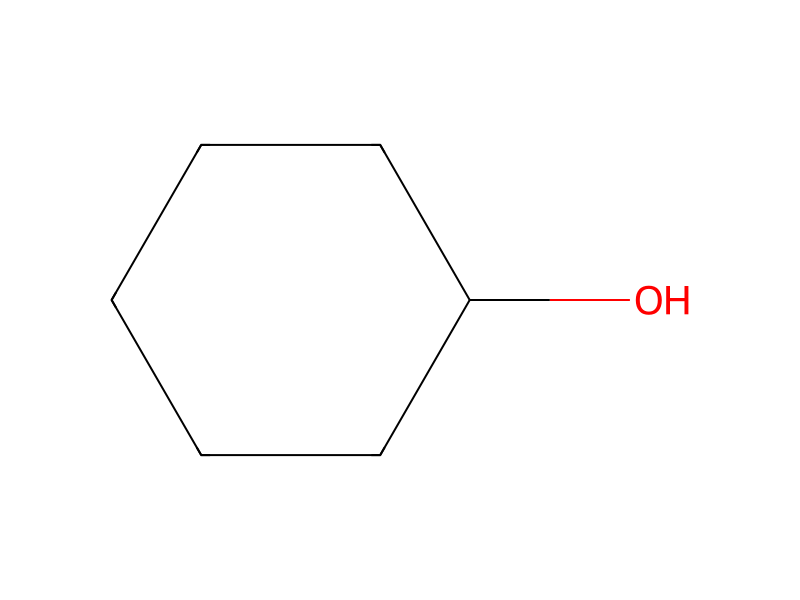
Cyclohexanol → HCID 18543014, compound
Reaction equation

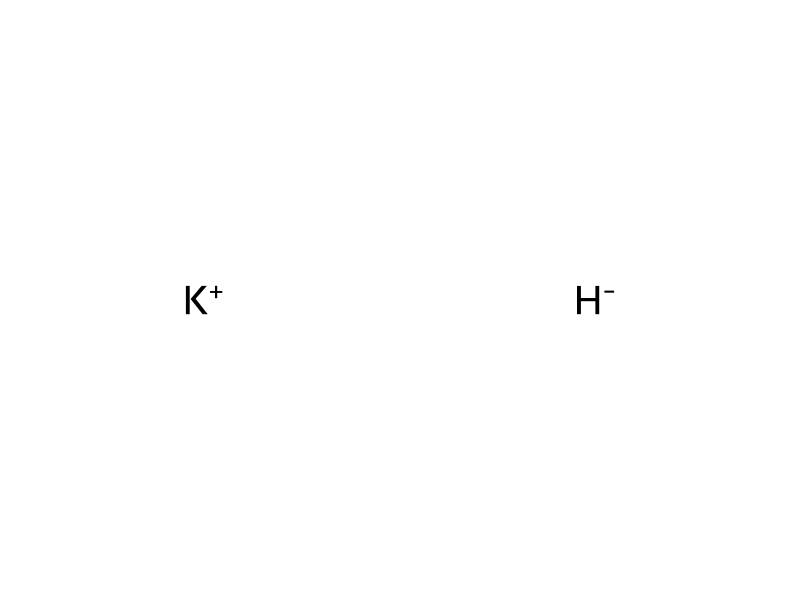
[CH:1]1([OH:7])[CH2:6][CH2:5][CH2:4][CH2:3][CH2:2]1.[H-].[K+].[Cl:10][C:11]1[CH:12]=[C:13]([N+:18]([O-:20])=[O:19])[CH:14]=[CH:15][C:16]=1F>CS(C)=O.C(OCC)C>[Cl:10][C:11]1[CH:12]=[C:13]([N+:18]([O-:20])=[O:19])[CH:14]=[CH:15][C:16]=1[O:7][CH:1]1[CH2:6][CH2:5][CH2:4][CH2:3][CH2:2]1Participants
Reactant 3

Product 1

Reagents, catalysts & solvents 2


Procedure
Cylcohexanol (2.9 g) in dimethylsulfoxide (20 mL) is added slowly to a flask containing potassium hydride (0.90 g, pre-washed three times with hexanes) under an atmosphere of argon and the solution is stirred for about 1 hour at room temperature. A solution of 3-chloro-4-fluoro-nitrobenzene (1 g) in dimethylsulfoxide (10 mL) is added and the resulting dark red colored solution is then heated for three hours to approximately 100 degrees. The reaction mixture is then cooled, diluted with diethyl ether (300 mL), and washed successively with saturated aqueous ammonium chloride, three times with water, then with saturated aqueous sodium chloride. The organic layer is then dried over anhydrous magnesium sulfate, the solvent is removed under reduced pressure, and the resulting oil is chromatographed over silica gel (5% ethyl acetate in hexanes is used as the eluant) to provide the desired product as an orange solid.
Workup
- temperaturethe resulting dark red colored solution is then heated for three hours to approximately 100 degrees
- temperatureThe reaction mixture is then cooled
- washwashed successively with saturated aqueous ammonium chloride, three times with water
- dry with materialThe organic layer is then dried over anhydrous magnesium sulfate
- customthe solvent is removed under reduced pressure
- customthe resulting oil is chromatographed over silica gel (5% ethyl acetate in hexanes
Sources & evidence
- ORD record
- ord-7d25efc13ae14fa2983bf72ca6bfa5c8
- Source dataset
- uspto-grants-2002_10
- Patent number
- US06462055B2
Reaction notes
Loading…