
基本信息
- 标准SMILES
C[O-].[Na+]- InChIKey
WQDUMFSSJAZKTM-UHFFFAOYSA-N- 分子式
- CH3ONa
- 平均分子量
- 54.024 g/mol
- 单同位素质量
- 54.008159
概述
Sodium methylate is a white amorphous powder. It reacts with water to form sodium hydroxide, a corrosive material, and methyl alcohol, a flammable liquid. The heat from this reaction may be sufficient to ignite surrounding combustible material or the sodium methylate itself if the water is present in only small amounts. It is used to process edible fats and oils, and to make other chemicals.
名称与标识
- 首选名称
- Sodium Methoxide
- IUPAC
- sodium methanolate
- 中文名
- 甲醇钠
- 英文名
- Sodium Methoxide
- 分子式
- CH3NaO
- 分子量
- 55.03
名称与别名
Sodium methanolateSODIUM METHOXIDE124-41-4Sodium methylateMethoxysodiumMethanol, sodium saltFeldalat NMMetilato sodicoMethylate de sodiumIG663U5EMCMethanol, sodium salt (1:1)DTXSID8027030
展开更多名称
甲氧鈉甲醇钠甲醇鈉甲氧化钠甲氧基钠甲醇钠盐甲醇钠CP甲醇钠溶液甲醇钠甲醇固体甲醇钠NaOMeMeONaSodium methoxide solutionsodiuM forMaldehydesodium methylate solutionSODIUM METHOXIDE POWDER
RefChem:6240SODIUM METHYLATE, DRYDTXCID607030204-699-5sodium;methanolateMFCD00012179Sodium methoxide, 25% in methanolsodiummethanolate
数据库标识
- CAS
124-41-4- PubChem CID
- 10942334
- DTXSID
DTXSID8027030- UNII
- IG663U5EMC
- EC Number
- 204-699-5
- Nikkaji
- J2.934C
性质
结构计算性质
- 极性表面积
- 23.1 Ų
- 氢键供体
- 0
- 氢键受体
- 1
- 可旋转键
- 0
- 重原子
- 3
- 形式电荷
- 0
- 复杂度
- 4.8
实验与物化性质
Chemical Classes
Metals -> Metal Alkoxides
Flammable agents - 4th degree
Density
greater than 1 at 68 °F (USCG, 1999)
Dec by water. Apparent density of solvent-free material is approximately 4.6 lb/gal
Density: 0.45 g/mL at 20 °C, apparent density (packing weight) 0.60 g/mL
1.3 g/cm³
Color/Form
Amorphous, free flowing powder
Tetragonal crystals
Solubility
Soluble in ethanol, methanol
Soluble in fats, esters
Insoluble in hydrocarbons and most common organic solvents
Solubility in water: reaction
Decomposition
Decomposes in air above 126 °C.
When heated to decomposition it emits toxic fumes of /sodium oxide/.
Decomposed in air above 260 °F
Energy of decomp (in range 410 to 460 °C) measured as 0.77 kJ/g.
Melting Point
Melting point (decomposes) = 127 °C
Melting point: decomp. Soluble in cold water. Soluble in methanol. /Solvated form/
No melting point; decomposes at >50 °C
Physical Description
Sodium methylate is a white amorphous powder. It reacts with water to form sodium hydroxide, a corrosive material, and methyl alcohol, a flammable liquid. The heat from this reaction may be sufficient to ignite surrounding combustible material or the sodium methylate itself if the water is present in only small amounts. It is used to process edible fats and oils, and to make other chemicals.
CBI; Dry Powder; Liquid; Liquid; Other Solid
White hygroscopic solid; [ICSC] White to yellowish solid; Commercial products are powders or solutions in methanol; [Reference #2] White powder; [Aldrich MSDS]
WHITE HYGROSCOPIC POWDER.
Stability/Shelf Life
Sensitive to air and moisture
Decomposed by water
Autoignition Temperature
240 °C
>50 °C
Other Experimental Properties
Decomposes in air above 127 °C
Reacts violently with water forming flammable methanol and corrosive sodium hydroxide
White powder /Solvated form/
物理化学性质
- 熔点
- -98 °C · -98 °C
- 沸点
- 65 °C · 65 °C
- 密度
- 0.97 g/mL · 0.97 g/mL at 20 °C
- 堆积密度
- 500 · 500-600kg/m3
- 蒸气密度
- 1.1 · 1.1 (vs air)
- 蒸气压
- 50 mm · 50 mm Hg ( 20 °C)
- 折射率
- 1.37 · 1.3700
- 闪点
- 11 °C · 11 °C
- 储存条件
- 5 °C · Store at +5°C to +30°C.
- 溶解度
- Miscible with ethanol, methanol, fats and esters.Immiscible with hydrocarbons and organic solvents.
- 形态
- Powder
- 酸度系数(pKa)
- 15.17 · 15.17[at 20 ℃]
- 比重
- 0.945 · 0.945
- 颜色
- clarity
- PH值
- 11 · 11 (20°C, 20g/L in H2O)
- 爆炸极限值(explosive limit)
- 36 % · 36%
- 水溶解性
- reacts
- 敏感性
- Moisture Sensitive
- 水解敏感性
- 8 · 8: reacts rapidly with moisture, water, protic solvents
- Merck
- 14 · 14,8643
- BRN
- 3592982 · 3592982
- 暴露限值
- 2 mg/m3OSHA: · ACGIH: Ceiling 2 mg/m3OSHA: TWA 2 mg/m3NIOSH: IDLH 10 mg/m3; Ceiling 2 mg/m3
- 介电常数
- 1.5 · 1.5(Ambient)
- 稳定性
- Stability Highly flammable. Reacts violently with water. Keep container dry. Incompatible with water, acids, chlorinated solvents.
- InChI
- 1S/CH3O.Na/c1-2;/h1H3;/q-1;+1
- InChIKey
- WQDUMFSSJAZKTM-UHFFFAOYSA-N
- SMILES
- [Na+].C[O-]
- LogP
- -0.77 at · -0.77 at 25℃
- CAS 数据库
- 124 · 124-41-4(CAS DataBase Reference)
- NIST化学物质信息
- Sodium methoxide(124-41-4)
- EPA化学物质信息
- Sodium methoxide (124-41-4)
化学性质
无色无定形细粉末。 溶于甲醇、乙醇。
安全与法规
GHS分类
GHS Classification
Danger
H251: Self-heating; may catch fire [Danger Self-heating substances and mixtures]
P235, P260, P264, P280, P301+P330+P331, P302+P361+P354, P304+P340, P305+P354+P338, P316, P321, P363, P405, P407, P410, P413, P420, and P501 (click each P-code to see the statement)
This chemical does not meet GHS hazard criteria for 0.3% (2 of 630) of reports.
Danger
H228 (41.9%): Flammable solid [Danger Flammable solids]
危害信息
Regulatory Information
Chemical: Methanol, sodium salt
Methanol, sodium salt (1:1) is listed on the EPA's Chemical Data Reporting (CDR) system. Manufacturers and importers of Methanol, sodium salt (1:1) are required to report information about their production and use of this chemical to the EPA under the Toxic Substances Control Act (TSCA). (40 eCFR Part 711)
Status: Active Update: 20-04-2023 https://echa.europa.eu/registration-dossier/-/registered-dossier/14236
Methanol, sodium salt: HSNO Approval: HSR001298 Approved with controls
The New Jersey Worker and Community Right to Know Act requires public and private employers to provide information about hazardous substances at their workplaces. (N.J.S.A. 34:5A-1 et. seq.)
DOT LabelSpontaneously Combustible Corrosive
Fire Hazards
Behavior in Fire: Contact with water or foam applied to adjacent fires will produce flammable methanol. (USCG, 1999)
· Produce flammable gases on contact with water.
· Flammable/combustible material.
Highly flammable. Many reactions may cause fire or explosion. Risk of fire and explosion on contact with water, moist air or metals.
Fire Potential
... (Solid) flammable when exposed to heat or flame. (solution) flammable, moderate fire risk.
/Sodium methoxide/ may ignite in moist air ...
Health Hazards
Inhalation of dust causes severe irritation of nose and throat. Contact with eyes or skin causes severe irritation and burns. Ingestion causes irritation of mouth and stomach. (USCG, 1999)
· Inhalation or contact with vapors, substance or decomposition products may cause severe injury or death.
· May cause toxic effects if inhaled or ingested.
Hazards Summary
Highly toxic; [Quick CPC] Corrosive to skin; High inhalation exposure of dust may cause pulmonary edema; [ICSC] A strong base that reacts with water to form sodium hydroxide and methyl alcohol, a reaction that may generate enough heat to ignite combustible materials; [CAMEO] Rapidly and exothermically reacts with tissue water forming sodium hydroxide (responsible for corrosivity) and methanol; Oral LD50s (rat) range from 800-1,687 mg/kg with water or water soluble solvents as the vehicle, and is 2,037 mg/kg using corn oil; No toxicity observed in 8-hr inhalation study of rats in a dust enriched atmosphere; Not likely to cause skin sensitization or be carcinogenic; [Reference #2] See Methyl alcohol. See Sodium hydroxide.;
DOT ID and Guide
1431 138
1289 132
Reactive GroupBases, Strong
EC ClassificationSymbol: F, C; R: 11-14-34; S: (1/2)-8-16-26-43-45
UN ClassificationUN Hazard Class: 4.2; UN Subsidiary Risks: 8; UN Pack Group: II
Special Reports
European Chemicals Bureau; IUCLID Dataset, Sodium methanolate (124-41-4) (2000 CD-ROM edition). Information on usage pattern, toxicology, and environmental effects supplied by industry to the European Union. Available from the database query page: http://ecb.jrc.it/esis/esis.php as of November 6, 2006.
Reactivity AlertsStrong Reducing Agent
安全与防护
Fire Fighting
Excerpt from ERG Guide 138 [Substances - Water-Reactive (Emitting Flammable Gases)]:
NO water. NO hydrous agents. Use dry powder, dry sand. In case of fire: keep drums, etc., cool by spraying with water. NO direct contact with water.
First Aid Measures
Fresh air, rest. Half-upright position. Artificial respiration may be needed. Refer immediately for medical attention.
First rinse with plenty of water for at least 15 minutes, then remove contaminated clothes and rinse again. Refer immediately for medical attention.
Rinse with plenty of water (remove contact lenses if easily possible). Refer immediately for medical attention.
Rinse mouth. Do NOT induce vomiting. Refer immediately for medical attention.
Accidental Release Measures
· CALL 911. Then call emergency response telephone number on shipping paper. If shipping paper not available or no answer, refer to appropriate telephone number listed on the inside back cover.
· ELIMINATE all ignition sources (no smoking, flares, sparks or flames) from immediate area.
· CALL 911. Then call emergency response telephone number on shipping paper. If shipping paper not available or no answer, refer to appropriate telephone number listed on the inside back cover.
· ELIMINATE all ignition sources (no smoking, flares, sparks or flames) from immediate area.
First Aid
Get medical attention at once following all exposures to this compound.
General First Aid:
General First Aid:
Safe StorageFireproof. Separated from strong oxidants, acids, metals and food and feedstuffs. Dry. Cool. Well closed. Store in an area having corrosion resistant concrete floor. Store in an area without drain or sewer access.
Exposure Control and Personal Protection
· Wear positive pressure self-contained breathing apparatus (SCBA).
· Wear positive pressure self-contained breathing apparatus (SCBA).
Fire Fighting Procedures
If material on fire or involved in fire: Do not extinguish fire unless flow can be stopped. Use "alcohol" foam, dry chemical or carbon dioxide. Cool all affected containers with flooding quantities of water. Apply water from as far a distance as possible. Do not use water on material itself. /Sodium methylate solutions/
If material on fire or involved in fire: Do not use water. Use dry chemical or carbon dioxide.
Storage ConditionsFireproof. Separated from strong oxidants, strong acids, food and feedstuffs. Cool. Dry.
Cleanup Methods
Spillage disposal: Evacuate danger area! Consult an expert! Do NOT wash away into sewer. Sweep spilled substance into clean and dry containers. Do NOT absorb in saw-dust or other combustible absorbents. Personal protection: chemical protection suit including self-contained breathing apparatus.
Nonfire Spill ResponseExcerpt from ERG Guide 138 [Substances - Water-Reactive (Emitting Flammable Gases)]:
Disposal Methods
SRP: The most favorable course of action is to use an alternative chemical product with less inherent propensity for occupational exposure or environmental contamination. Recycle any unused portion of the material for its approved use or return it to the manufacturer or supplier. Ultimate disposal of the chemical must consider: the material's impact on air quality; potential migration in soil or water; effects on animal, aquatic, and plant life; and conformance with environmental and public health regulations.
Spillage Disposal
Remove all ignition sources. Evacuate danger area! Consult an expert! Personal protection: complete protective clothing including self-contained breathing apparatus. Cover the spilled material with dry sand. Sweep spilled substance into covered dry plastic containers. Carefully collect remainder. Then store and dispose of according to local regulations. Do NOT wash away into sewer.
毒理信息
Ecotoxicity ValuesLC50 Leuciscus idus (Ide) 346 mg/L/48 hr; static
Adverse EffectsDermatotoxin - Skin burns.
Exposure RoutesSerious local effects by all routes of exposure.
Signs and Symptoms
Sore throat. Cough. Burning sensation. Shortness of breath. Laboured breathing.
Redness. Pain. Serious skin burns.
Redness. Pain. Blurred vision. Severe deep burns.
Burns in mouth and throat. Burning sensation in the throat and chest. Shock or collapse.
ICSC Environmental DataThis substance may be hazardous to the environment. Special attention should be given to aquatic organisms.
Human Toxicity Excerpts
/SIGNS AND SYMPTOMS/ Solution contains /the hydrolysis product/ methyl alcohol, and is toxic and corrosive to tissue.
/SIGNS AND SYMPTOMS/ Ingestion causes irritation of mouth and stomach.
/SIGNS AND SYMPTOMS/ Corrosive. The substance is corrosive to the eyes, the skin and the respiratory tract. Inhalation of dusts may cause lung edema. The effects may be delayed.
Non-Human Toxicity Excerpts
/LABORATORY ANIMALS: Acute Exposure/ In a rabbit eye irritation test, a 30% solution in methanol was corrosive.
/LABORATORY ANIMALS: Acute Exposure/ A 30% solution in methanol was corrosive to rabbit skin.
/LABORATORY ANIMALS: Acute Exposure/ Corrosive in a rabbit skin irritation test. An 80% aqueous preparation was examined. Since sodium methoxide hydrolyzes rapidly in water to NaOH and methanol, the corrosive action was the result of the NaOH.
Antidote and Emergency Treatment
The symptoms of lung edema often do not become manifest until a few hours have passed and they are aggravated by physical effort. Rest and medical observation are therefore essential. Immediate administration of an appropriate inhalation therapy by a doctor or a person authorized by him/her, should be considered.
Non-Human Toxicity Values
LD50 Rat dermal >2000 mg/kg bw
LD50 Rat oral 800 mg/kg bw
LD50 Mouse ip 40 mg/kg bw
法规信息
CERCLA Reportable Quantities
Persons in charge of vessels or facilities are required to notify the National Response Center (NRC) immediately, when there is a release of this designated hazardous substance, in an amount equal to or greater than its reportable quantity of 1000 lb or 454 kg. The toll free number of the NRC is (800) 424-8802. The rule for determining when notification is required is stated in 40 CFR 302.4 (section IV. D.3.b).
Clean Water Act Requirements
Sodium methoxide is designated as a hazardous substance under section 311(b)(2)(A) of the Federal Water Pollution Control Act and further regulated by the Clean Water Act Amendments of 1977 and 1978. These regulations apply to discharges of this substance. This designation includes any isomers and hydrates, as well as any solutions and mixtures containing this substance.
安全数据
- F
- 9-21
- wgk
- 1
- tsca
- TSCA listed
- 毒性
- LD50 orally in Rabbit: 2037 mg/kg LD50 dermal Rat > 2000 mg/kg
- RTECS号
- PC3570000
- 包装类别
- II
- 危险等级
- 4.2
- 存储类别
- 4.2 - Pyrophoric and self-heating hazardous materials
- 安全说明
- 8-16-26-43-45-7-36/37-7/8-36/37/39
- 海关编码
- 29051900
- 自燃温度
- 878 °F
- 危险品标志
- F,T,C
- 危险性类别
- Acute Tox. 4 OralFlam. Sol. 1Met. Corr. 1Self-heat. 1Skin Corr. 1A
- 危险类别码
- 11-23/24/25-34-39/23/24/25-36/38-14-36/37/38-22-10
- 毒害物质数据
- 124-41-4(Hazardous Substances Data)
- 危险品运输编号
- UN 1431 4.2/PG II (SODIUM METHYLATE)
包装储运
爆炸物危险特性其水解产物苛性钠对皮肤,角膜有腐蚀性
可燃性危险特性遇水分解甲醇和氢氧化钠, 可燃
储运特性库房通风低温干燥; 与酸类及氧化剂分开存放。
灭火剂泡沫、二氧化碳、砂土
化学与工业
药理信息
MeSH Pharmacological ClassificationLiquids that dissolve other substances (solutes), generally solids, without any change in chemical composition, as, water containing sugar. (Grant & Hackh's Chemical Dictionary, 5th ed)
用途与制造
Uses
Used in organic synthesis, as alkaline catalyst (making biodiesel grade methyl esters and for treatment of edible fats and oils), in condensation reactions, as analytical reagent, and as intermediate for pharmaceuticals; [HSDB]
Alkaline catalyst used in the production of biodiesel grade methyl esters.
In organic synthesis
Condensation reactions, catalyst for treatment of edible fats and oils, especially lard, intermediate for pharmaceuticals, preparation of sodium cellulosate, analytical reagent.
ImpuritiesIn 97.5% sodium methylate powder: 0.5% sodium hydroxide; 0.3% sodium formate; 0.4% sodium carbonate; 0.5% free methanol.
U.S. Production
2023: 55,000,000 - <70,000,000 lb
This chemical is listed as a High Production Volume (HPV) (65FR81686). Chemicals listed as HPV were produced in or imported into the U.S. in >1 million pounds in 1990 and/or 1994. The HPV list is based on the 1990 Inventory Update Rule. (IUR) (40 CFR part 710 subpart B; 51FR21438).
(1972) 2.35X10+9 GRAMS
(1975) 4.96X10+9 GRAMS
(1983) 4.57X10+9 g.
Production volumes for non-confidential chemicals reported under the Inventory Update Rule; Reported range for 1986, 1990, 1994, 1998 and 2002 >10-50 million lb. [Table#2082]
Consumer UsesPigment
Industry UsesPigment
Methods of ManufacturingReaction of molten sodium with methyl alcohol or by the reaction of methyl alcohol with sodium amalgam obtained from the electrolysis of brine.
Formulations/Preparations
97.5% sodium methylate; 30% solution in methanol.
Technical; and 98% purity grade.
General Manufacturing Information
Plastics Material and Resin Manufacturing
Methanol, sodium salt (1:1): ACTIVE
应用领域
概述甲醇钠亦称甲氧基钠。是甲醇生成的醇盐的一种,化学式为CH3ONa,是有机合成中常用的强碱。甲醇钠通常以甲醇、乙醇等醇类溶剂的溶液储存。溶于醚生成悬浊液,对湿气敏感,遇水分解为甲醇和氢氧化钠:CH3ONa + H2O → CH3OH + NaOH甲醇钠产品有两种形式:固体和液体,固体是甲醇钠纯品,液体是甲醇钠的甲醇溶液,甲醇钠含量 27.5~31% 。液体甲醇钠是无色或微黄色粘稠性液体,对氧气敏感,易燃,易爆。极易吸潮。溶于甲醇和乙醇,遇水分解成甲醇和氢氧化纳,在126.6℃以上的空气中分解。不溶于苯和甲苯。有强烈的刺激性,极强的腐蚀性。用作缩合剂和强碱性催化剂,以及甲氧基化剂用于制取维生素B1及A、磺胺嘧啶等药物。少量用于农药生产。也可用作处理食用脂肪和食用油(特别是处理猪油)的催化剂。还可用作分析试剂。 固体甲醇钠是无色无定型粉末,对氧气敏感,易燃,溶于甲醇、乙醇,遇水分解成甲醇和氢氧化钠,在126.6℃以上的空气中分解。主要用于生产磺胺类药物、 VB6和VA,甲醇钠也是一种有机合成的催化剂,用于农药生产和油脂加工工业。固体甲醇钠和甲醇钠甲醇溶液
用途用作有机合成中的碱性缩合剂及催化剂,用于香料、染料等的合成,是维生素B1、A及磺胺嘧啶的原料
用途有机合成中用作缩合剂,食用油脂处理中用作催化剂,又是磺胺咪啶、新诺明、磺胺增效剂等药物合成的重要原料
用途主要用作医药、农药的原料,也用于染料及化纤业
用途脂肪酯交换催化剂。以改变脂肪结构,使适用于人造奶油等。在最终食品中必须除去。
用途主要用作缩合剂、强碱性催化剂以及甲氧基化剂,用于制取维生素B1及A、磺胺嘧啶等药物,少量用于农药生产。也用作处理食用脂肪和食用油(特别是处理猪油)的催化剂。还用作分析试剂。
用途广泛用于香料、染料等工业中。 主要用作缩合剂和强碱性催化剂,以及甲氧基化剂用于制取维生素B1及A、磺胺嘧啶等药物。少量用于农药生产。也可用作处理食用脂肪和食用油(特别是处理猪油)的催化剂。还可用作分析试剂。
用途用作有机合成的缩合剂
制备方法
生产方法在反应锅中加入二甲苯(水分<0.05)、金属钠,加热至130-140℃,保温1h,停止加热,快速搅拌1h后,用冷却水冷至50℃,开始滴加无水甲醇(水分<0.1%),并适当补加无水二甲苯,滴加速度视甲醇回流量与氢气释放量而定。滴加完毕,加热回流4h后,冷至室温,即得浆状甲醇钠,减压蒸馏回收二甲苯,再真空干燥4h,充氮冷却得成品甲醇钠。收率90%以上。也可采用氢氧化钠与甲醇在85-100℃连续反应脱水而制得。
生产方法由氢氧化钠与甲醇在苯中反应而得。
上下游产品信息
上游原料
下游产品
试剂价格
- L05673 · 500g
- 甲醇钠, 98% Sodium methoxide, 98% — 590元
- B21872 · 2500ml
- 甲醇钠Sodium methoxideca 30% w/w in methanol — 832元
供应商50 家
国药集团化学试剂有限公司86-21-63210123 · [email protected]
梯希爱(上海)化成工业发展有限公司021-67121386 · [email protected]
上海阿拉丁生化科技股份有限公司400-6206333 13167063860 · [email protected]
杭州品高化工有限公司0571-87658025 · [email protected]
淄博创谷化工科技有限公司00-15864498288 15864498288 · [email protected]
T&W GROUP021-61551611 13296011611 · [email protected]
爱斯特(成都)生物制药股份有限公司+86-28-85122536 85324413 · [email protected]
科瑞迪化学400-821-5857 021-64326257 · [email protected]
上海迈瑞尔生化科技有限公司4006356688 18621169109 · [email protected]
天津中信凯泰化工有限公司022-66880623 · [email protected]
阿法埃莎(中国)化学有限公司400-6106006 · [email protected]
安耐吉化学&3A(安徽泽升科技股份有限公司)400-0056266 · [email protected]
上海景颜化工科技有限公司13817811078 · [email protected]
嘉兴市艾森化工有限公司0573-85285100 18627885956 · [email protected]
池州捷峰生物科技有限公司0566-8928158 · [email protected]
武汉威顺达科技发展有限公司86-027-88774375 · [email protected]
合肥天健化工有限公司551-65418679 15856988503;15837135945 · [email protected]
南京蓝白化工有限公司025-85499326 15366059326;13813836665 · [email protected]
上海忆嵘生物科技有限公司18049974220 · [email protected]
山东艺鸿化工有限公司15253143303 15269100373
山东西亚化学有限公司13355009207 13355009207 · [email protected]
玛雅试剂+86 (573) 82222445 (0)18006601000 452520369 · [email protected]
四川库利南科技有限公司400-1166-196 18981987031 · [email protected]
天津希恩思生化科技有限公司400 638 7771 · [email protected]
南京维奥化工有限公司Please Send Email 18652950785 · [email protected]
临沂振峰化工有限公司15653329837 15653329837
斯百全化学(上海)有限公司021-021-021-67601398-809-809-809 15221380277 · [email protected]
乐陵创利科技有限公司0534-8101711 13606437406
上海思域化工科技有限公司86-21-34053660 · [email protected]
赛默飞世尔科技(中国)有限公司800-810-5118 · [email protected]
北京伊诺凯科技有限公司400-810-7969 010-59572699 · [email protected]
上海特伯化学科技有限公司+86-21-60341587 · [email protected]
上海遐瑞医药科技有限公司+86 21 61551611
TOKYO CHEMICAL INDUSTRY CO., LTD.03-36680489 · [email protected]
上海贤鼎生物科技有限公司4009209199 · [email protected]
深圳康特腾科技有限公司86-0755-86635001 · [email protected]
越林试剂021-62960152 · [email protected]
山东新华制药股份有限公司0533- 2196801 18853385675 · [email protected]
淄博市张店区沣水社会福利化工厂13792166025
北京环宇世纪化学科技有限公司hysj_bj.com
上海将来实业股份有限公司400-0066400 13621662912 · [email protected]
上海将来实业股份有限公司021-61552785 · [email protected]
安徽科迪达化工有限公司0554-2106669 · [email protected]
HBCChem, Inc.+1-510-219-6317 · [email protected]
日照力德士化工有限公司010-51268198 · [email protected]
郑州阿尔法化工有限公司0371-53732842 15981811963 · [email protected]
美岚实业(上海)有限公司021-58958189 · [email protected]
上海爱蝶实业有限公司021-58957966 18930537195 · [email protected]
成都零六生物科技有限公司400-1166-196 13458535857 · [email protected]
广拓化学(上海)有限公司021-60899189-8001 18918189673 · [email protected]
相关反应
13,291 条
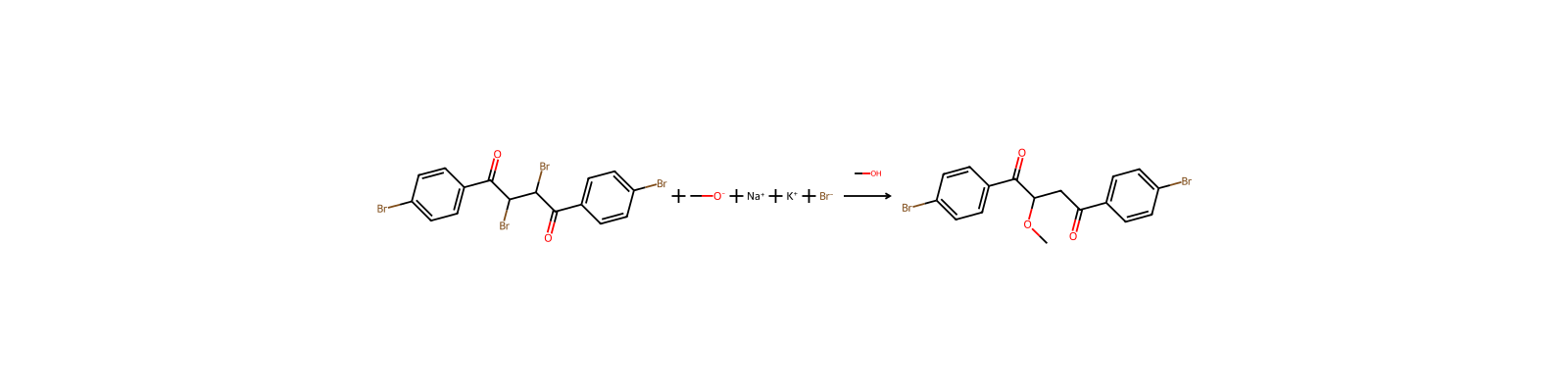
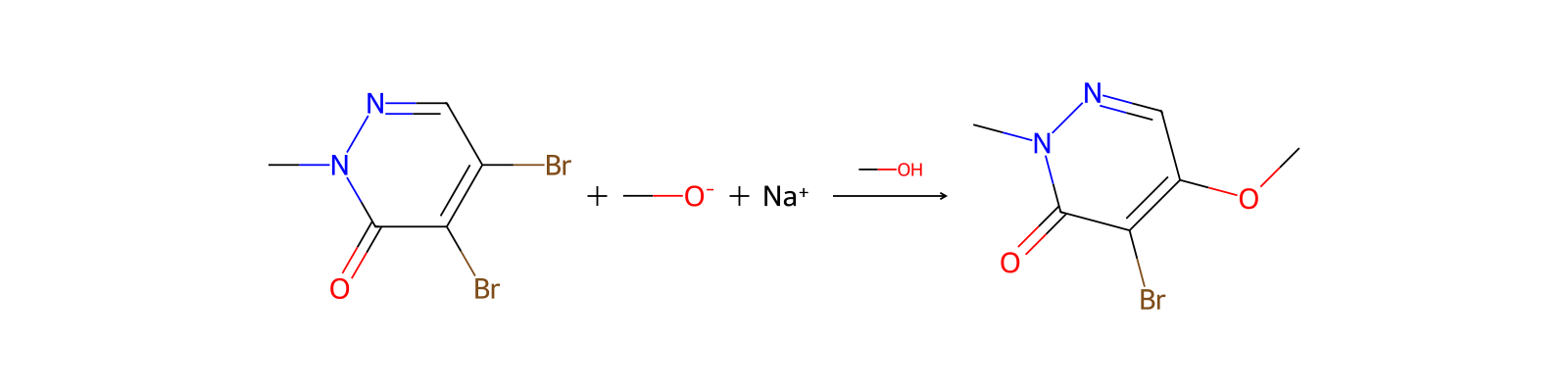
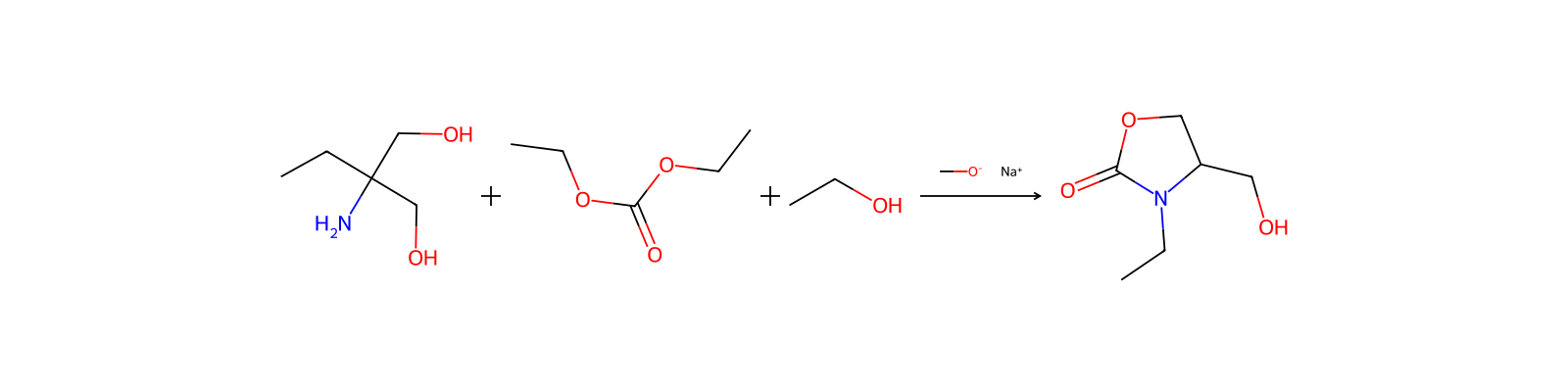
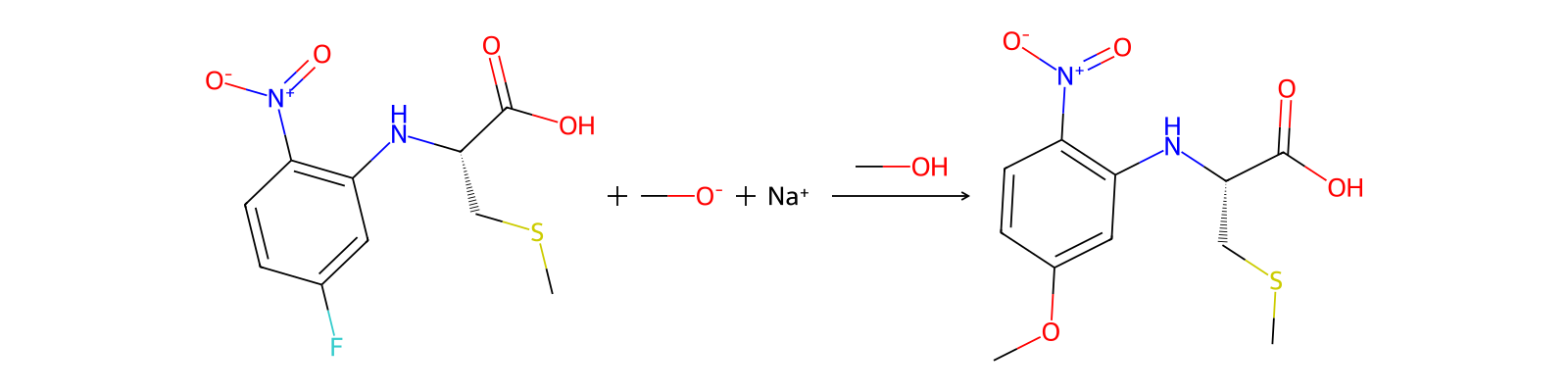
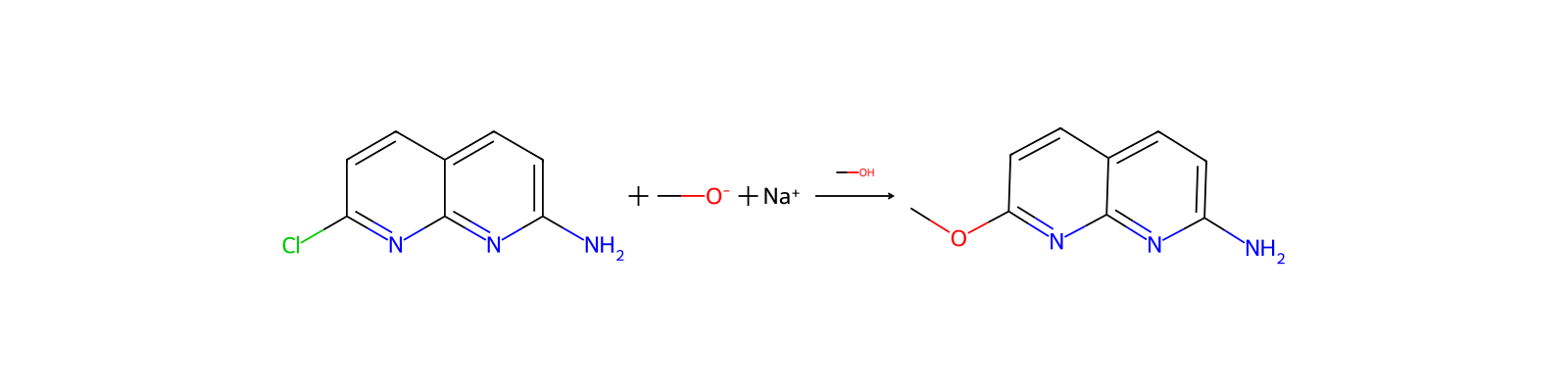
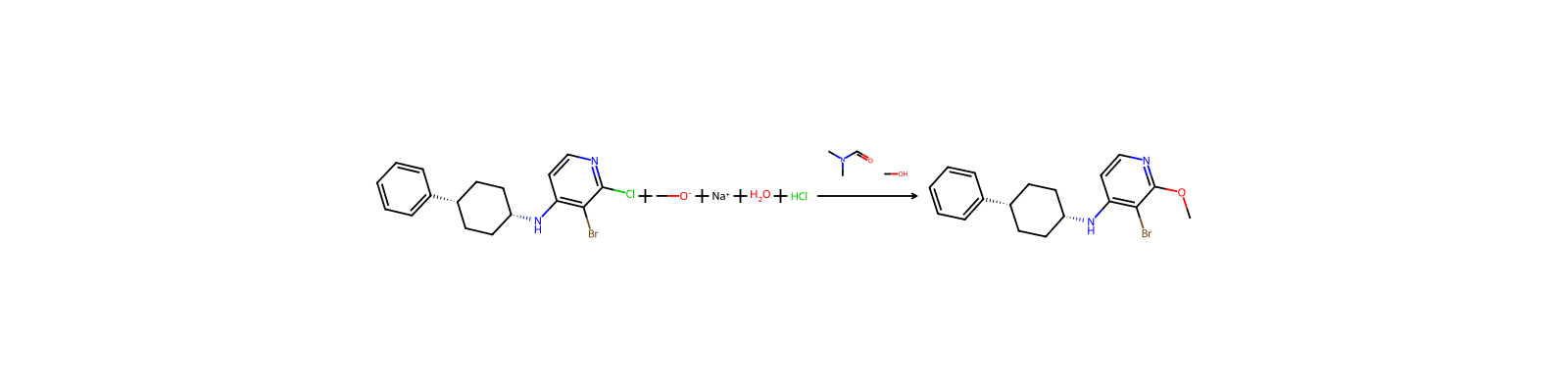
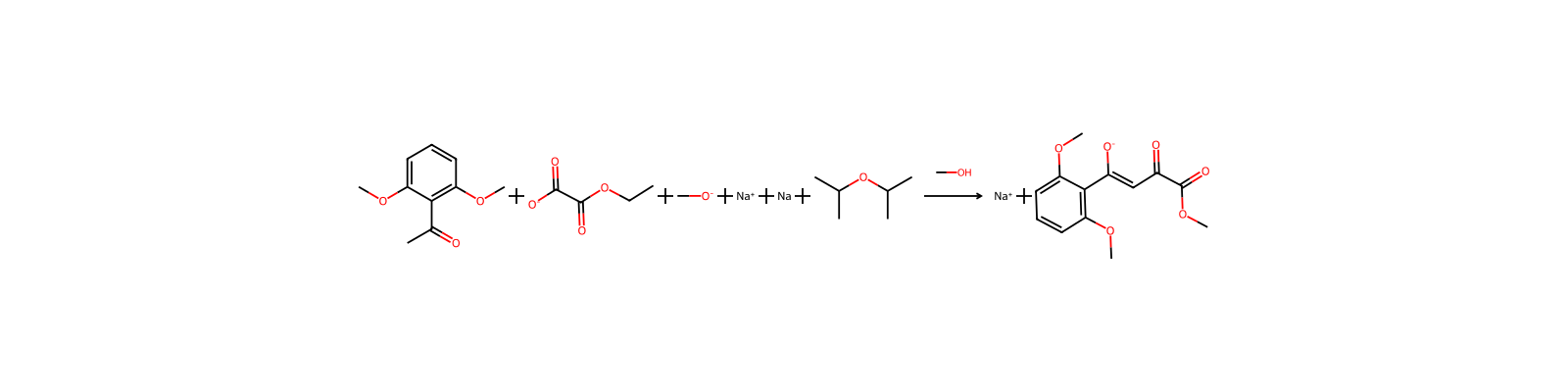
关联笔记
加载中…