概述
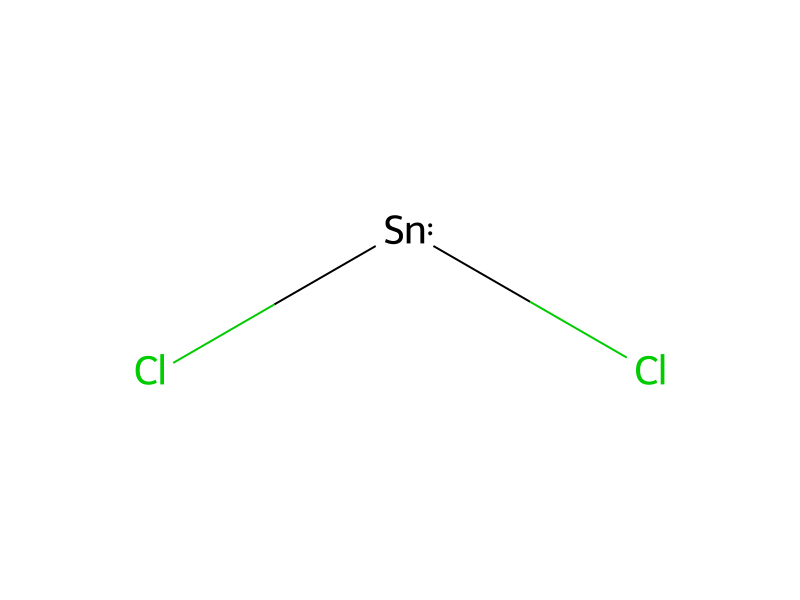
Stannous chloride, solid appears as crystalline mass or flaky solid with a fatty appearance. Density 3.95 g / cm3. Melting point 247 °C. Burns, but may be difficult to ignite. Toxic by ingestion. Irritates skin and eyes. Used in the manufacture of dyes, pharmaceuticals and as a tanning agent.
名称与标识
- 首选名称
- Stannous Chloride
- IUPAC
- dichlorotin
- 中文名
- 氯化亚锡
- 英文名
- Stannous chloride
- 分子式
- Cl2Sn
- 分子量
- 189.62
名称与别名
Stannous chloride7772-99-8DichlorotinStannous dichlorideTin (II) chlorideStannous chloride anhydrousAnhydrous stannous chlorideTin chloride (SnCl2)Uniston CR-HT 200Stannous chloride, anhydrousTin(II) chloride (1:2)NCI-C02722
展开更多名称
绿化锡氯化亞錫二氯亚锡二氯化锡氯化亚锡無水氯化錫无水二氯化锡无水氯化锡粉无水氯化亚锡高纯氯化亚锡SnCl2TIN CHLORIDETin(ll) ChlorideTIN(II) CHLORIDETIN DICHLORIDEStannous chloride hydrateStannous chlorid
CI 77864C.I. 77864R30H55TN67RefChem:6258SnCl(2)Kit for the Preparation of Technetium Tc 99m Red Blood Cells231-868-01BQV3749L5
数据库标识
- CAS
7772-99-8- PubChem CID
- 24479
- ChEMBL
CHEMBL2297930- EC Number
- 231-868-0
性质
结构计算性质
- 极性表面积
- 0 Ų
- 氢键供体
- 0
- 氢键受体
- 0
- 可旋转键
- 0
- 重原子
- 3
- 形式电荷
- 0
- 复杂度
- 2.8
实验与物化性质
Chemical Classes
Metals -> Metals, Inorganic Compounds
Corrosives
CosmeticsReducing
OdorOdorless
Food AdditivesANTIOXIDANT -> FDA Substance added to food
Density
3.95 at 77 °F (NTP, 1992) - Denser than water; will sink
3.90 g/cu cm
White monoclinic crystals; decomposes @ 37 °C, density 2.71 g/cu cm, souluble in water, ethanol, NaOH, very soluble in HCl. /Dihydrate/
3.95 g/cm³
2.71 @25 °C
Color/Form
White, ortho rhombic crystals
Orthorhombic crystalline mass or flakes; fatty appearance
Solubility
less than 1 mg/mL at 72 °F (NTP, 1992)
Freely soluble
Water: soluble in less than its own weight of water, but it forms an insoluble basic salt with excess water; Ethanol: soluble
A white crystalline solid, sol in methanol /Dihydrate/
Sol in methyl acetate, isobutyl alcohol; practically insol in petroleum naphtha, xylene
SOL IN PYRIDINE, ETHYL ACETATE
Boiling Point
1206 °F at 760 mmHg (NTP, 1992)
623 °C
623 °C @760 [mm Hg]
Decomposition
When heated to decomp it emits toxic fumes of Cl- /chloride/.
Decomposed by hot water.
652 °C
Melting Point
475 °F (NTP, 1992)
246 °C
246.8 °C
246 °C
Vapor Pressure
0 mmHg at 68 °F (NTP, 1992)
3.3 kPa @ 427.9 °C
Food Contact SubstancesFCS -> FDA Inventory of Food Contact Substances Listed in 21 CFR
物理化学性质
- 熔点
- 246 °C · 246 °C(lit.)
- 沸点
- 652 °C · 652 °C(lit.)
- 密度
- 3.95 · 3.95
- 蒸气压
- 0 Pa · 0Pa at 20℃
- 闪点
- 652 °C · 652°C
- 储存条件
- 30 °C · Store below +30°C.
- 溶解度
- 2 O: · H2O: soluble
- 形态
- powder
- 颜色
- White
- 比重
- 3.95 · 3.95
- 气味 (Odor)
- Odorless
- PH值
- 2 · 2.0 (100g/l, H2O, 20℃)
- 水溶解性
- Soluble in water, alkalies, alcohol, methyl ethyl ketone, methyl acetate and acetone.
- 敏感性
- Air Sensitive & Hygroscopic
- 晶体结构
- 2 type · PbCl2 type
- 晶系
- Nogata
- Merck
- 14 · 14,8783
- 空间群
- Pnma
- 晶格常数
- 30.779 · a/nmb/nmc/nmα/oβ/oγ/oV/nm30.7790.4430.9219090900.318
- 暴露限值
- 2 mg/m3NIOSH: · ACGIH: TWA 2 mg/m3NIOSH: IDLH 100 mg/m3; TWA 2 mg/m3
- 稳定性
- Stable, but moisture sensitive. Incompatible with strong bases, strong oxidizing agents, reactive metals, hydrogen peroxide, water.
- 化妆品成分功效
- REDUCING
- InChI
- 1S/2ClH.Sn/h2*1H;/q;;+2/p-2
- InChIKey
- AXZWODMDQAVCJE-UHFFFAOYSA-L
- SMILES
- Cl[SnH2]Cl
- LogP
- -2.15 at · -2.15 at 20℃
- CAS 数据库
- 7772 · 7772-99-8(CAS DataBase Reference)
- EPA化学物质信息
- Tin dichloride (7772-99-8)
安全与法规
GHS分类
GHS Classification
This chemical does not meet GHS hazard criteria for 0.5% (4 of 774) of reports.
Danger
H290 (36.2%): May be corrosive to metals [Warning Corrosive to Metals]
P234, P260, P261, P264, P264+P265, P270, P271, P272, P273, P280, P301+P317, P301+P330+P331, P302+P352, P302+P361+P354, P304+P340, P305+P351+P338, P305+P354+P338, P316, P317, P319, P321, P330, P333+P317, P337+P317, P362+P364, P363, P390, P391, P403+P233, P405, P406, and P501 (click each P-code to see the statement)
Aggregated GHS information provided per 774 reports by companies from 50 notifications to the ECHA C&L Inventory. Each notification may be associated with multiple companies.
Danger
危害信息
Regulatory Information
Chemical: Tin chloride (SnCl2)
Regulation (EC) No 1331/2008
Tin chloride (SnCl2) is listed on the EPA's Chemical Data Reporting (CDR) system. Manufacturers and importers of Tin chloride (SnCl2) are required to report information about their production and use of this chemical to the EPA under the Toxic Substances Control Act (TSCA). (40 eCFR Part 711)
Status: Active Update: 01-12-2022 https://echa.europa.eu/registration-dossier/-/registered-dossier/13167
Tin (II) chloride, anhydrous: Does not have an individual approval but may be used under an appropriate group standard
The New Jersey Worker and Community Right to Know Act requires public and private employers to provide information about hazardous substances at their workplaces. (N.J.S.A. 34:5A-1 et. seq.)
Other Safety InformationIMAP assessments - Tin chloride (SnCl2): Human health tier I assessment
DOT LabelCorrosive
Fire Hazards
Excerpt from ERG Guide 154 [Substances - Toxic and/or Corrosive (Non-Combustible)]:
Not combustible. Gives off irritating or toxic fumes (or gases) in a fire.
Fire PotentialIgnition on contact with bromine trifluoride.
Health HazardsExcerpt from ERG Guide 154 [Substances - Toxic and/or Corrosive (Non-Combustible)]:
Hazards Summary
A skin irritant; [Hawley] A strong reducing agent; An eye and respiratory tract irritant; [ICSC] A strong reducing agent; A skin and eye irritant; [CAMEO] A skin and eye irritant; May cause skin sensitization; [eChemPortal: ERMA] Harmful if swallowed; Causes burns; Possible reproductive toxin; A corrosive substance that can cause injury to the skin, eyes, and respiratory tract; [MSDSonline] See Tin and inorganic compounds.
FDA Requirements
Stannous chloride is a food additive permitted for direct addition to food for human consumption, as long as 1) the quantity of the substance added to food does not exceed the amount reasonably required to accomplish its intended physical, nutritive, or other technical effect in food, and 2) any substance intended for use in or on food is of appropriate food grade and is prepared and handled as a food ingredient.
Substance added directly to human food affirmed as generally recognized as safe (GRAS).
Stannous chloride used as a chemical preservative in animal drugs, feeds, and related products is generally recognized as safe when used in accordance with good manufacturing or feeding practice.
Reactive GroupSalts, Acidic
UN ClassificationUN Hazard Class: 8; UN Pack Group: III
Special Reports
DHHS/NTP; Toxicology & Carcinogenesis Studies of Stannous Chloride in F344/N Rats and B6C3F1 Mice (Feed Study) Technical Report Series No. 231 (1982) NIH Publication No. 82-1787
DHHS/ATSDR; Toxicological Profile for Tin TP-91/27 (1992)
Reactivity AlertsStrong Reducing Agent
安全与防护
Fire Fighting
Excerpt from ERG Guide 154 [Substances - Toxic and/or Corrosive (Non-Combustible)]:
In case of fire in the surroundings, use appropriate extinguishing media. In case of fire: keep drums, etc., cool by spraying with water.
First Aid Measures
Fresh air, rest.
Remove contaminated clothes. Rinse skin with plenty of water or shower.
First rinse with plenty of water for several minutes (remove contact lenses if easily possible), then refer for medical attention.
Give one or two glasses of water to drink. Refer for medical attention .
First Aid
EYES: First check the victim for contact lenses and remove if present. Flush victim's eyes with water or normal saline solution for 20 to 30 minutes while simultaneously calling a hospital or poison control center. Do not put any ointments, oils, or medication in the victim's eyes without specific instructions from a physician. IMMEDIATELY transport the victim after flushing eyes to a hospital even if no symptoms (such as redness or irritation) develop.
Safe StorageSeparated from incompatible materials and food and feedstuffs. Dry.
Storage Conditions
KEEP TIGHTLY CLOSED, IN A COOL PLACE. /DIHYDRATE/
CONTAINERS: BOTTLES; DRUMS.
Cleanup Methods
If ... stannous chloride ... is spilled or leaked, the following steps should be taken: 1. Ventilate area of spill or leak. 2. Collect spilled or leaked material in the most convenient and safe manner for reclamation or for disposal. ... Liquid containing inorganic tin compounds should be absorbed in vermiculite, dry sand, earth, or a similar material.
Nonfire Spill ResponseExcerpt from ERG Guide 154 [Substances - Toxic and/or Corrosive (Non-Combustible)]:
Disposal Methods
SRP: At the time of review, criteria for land treatment or burial (sanitary landfill) disposal practices are subject to significant revision. Prior to implementing land disposal of waste residue (including waste sludge), consult with environmental regulatory agencies for guidance on acceptable disposal practices.
Spillage Disposal
Personal protection: particulate filter respirator adapted to the airborne concentration of the substance. Do NOT let this chemical enter the environment. Sweep spilled substance into covered containers. Carefully collect remainder. Then store and dispose of according to local regulations.
Preventive Measures
If employees' clothing may have become contaminated with solid stannous chloride ... employees should change into uncontaminated clothing before leaving the work premises. ... Non-impervious clothing which becomes wet with stannous chloride should be removed promptly and not reworn until the stannous chloride is removed from the clothing.
Clothing contaminated with stannous chloride /or/ stannic chloride ... should be placed in closed containers for storage until it can be discarded or until provision is made for the removal of contaiminant from the clothing. If the clothing is to be laundered or otherwise cleaned to remove the contaminant, the person performing the operation should be informed of contaminant's hazardous properties.
Skin that becomes contaminated with stannous chloride should be promptly washed to remove any stannous chloride. Employees who handle stannous chloride, stannic chloride ... should wash their hands thoroughly before eating, smoking, or using toilet facilities.
SRP: Contaminated protective clothing should be segregated in such a manner so that there is no direct personal contact by personnel who handle, dispose, or clean the clothing. Quality assurance to ascertain the completeness of the cleaning procedures should be implemented before the decontaminated protective clothing is returned for reuse by the workers. All contaminated clothing should not be taken home at end of shift, but should remain at employee's place of work for cleaning.
SRP: The scientific literature for the use of contact lenses in industry is conflicting. The benefit or detrimental effects of wearing contact lenses depend not only upon the substance, but also on factors including the form of the substance, characteristics and duration of the exposure, the uses of other eye protection equipment, and the hygiene of the lenses. However, there may be individual substances whose irritating or corrosive properties are such that the wearing of contact lenses would be harmful to the eye. In those specific cases, contact lenses should not be worn. In any event, the usual eye protection equipment should be worn even when contact lenses are in place.
Isolation and EvacuationExcerpt from ERG Guide 154 [Substances - Toxic and/or Corrosive (Non-Combustible)]:
Eye PreventionWear safety goggles or eye protection in combination with breathing protection.
毒理信息
Treatment
EYES: irrigate opened eyes for several minutes under running water. INGESTION: do not induce vomiting. Rinse mouth with water (never give anything by mouth to an unconscious person). Seek immediate medical advice. SKIN: should be treated immediately by rinsing the affected parts in cold running water for at least 15 minutes, followed by thorough washing with soap and water. If necessary, the person should shower and change contaminated clothing and shoes, and then must seek medical attention. INHALATION: supply fresh air. If required provide artificial respiration.
Health EffectsIngestion of large amounts of inorganic tin compounds can cause stomachache, anemia, and liver and kidney problems. (L307, L308)
Adverse EffectsDermatotoxin - Skin burns.
Exposure Routes
The substance can be absorbed into the body by inhalation of its aerosol and by ingestion.
Oral (L308) ; inhalation (L308) ; dermal (L308)
Toxicity SummaryInorganic and organic tin compounds are weak inhibitors of alcohol dehydrogenase. (A183)
Signs and Symptoms
Cough. Sore throat.
Redness. Pain.
Abdominal pain. Diarrhoea. Nausea. Vomiting.
Inorganic or organic tin compounds placed on the skin or in the eyes can produce skin and eye irritation. (L308)
Ongoing Test Status
The following link will take the user to the National Toxicology Program (NTP) Test Agent Search Results page, which tabulates all of the "Standard Toxicology & Carcinogenesis Studies", "Developmental Studies", and "Genetic Toxicity Studies" performed with this chemical. Clicking on the "Testing Status" link will take the user to the status (i.e., in review, in progress, in preparation, on test, completed, etc.) and results of all the studies that the NTP has done on this chemical. [http://ntp-apps.niehs.nih.gov/ntp_tox/index.cfm?fuseaction=ntpsearch.searchresults&searchterm=7772-99-8]
ICSC Environmental DataThe substance is harmful to aquatic organisms.
Human Toxicity Excerpts
In this study tin(II), as stannous chloride, is readily taken up by human white blood cells and can cause damage to DNA. Damage was detected in white blood cells after exposure to 10-50 uM tin(II) for 30 minutes at either 0 deg or 37 °C.
Organotin compounds examined in this study exhibited a relative order of potency for induction of in vitro hemolysis in human erythrocytes as follows: tri-n-butylitin > tri-n-propyltitn > tetra-n-butyltin > triphenyltin chloride > tri-n-ethyltin bromide > dibutyltin dichloride > stannous chloride > tri-n-methyltin chloride + butyltin chloride dihydroxide.
Carcinogen Classification
Stannous chloride
TR-231: Carcinogenesis Bioassay of Stannous Chloride (CASRN 7772-99-8) in F344/N Rats and B6C3F1/N Mice (Feed Study) (1982 )
06/23/81
Equivocal Evidence
No Evidence
No Evidence
Non-Human Toxicity Excerpts
THERE IS 1 REPORT ... OF PARALYSIS IN DOG AFTER LARGE DOSE (500 MG/KG) OF STANNOUS CHLORIDE IN MILK.
SEVERE GROWTH RETARDATION & OTHER SIGNS OF TOXICITY OCCURRED WITH STANNOUS CHLORIDE ... @ FEEDING LEVELS OF 0.3% /TO RATS/.
DOSE EFFECT OF INORGANIC TIN WAS EXAMINED IN MALE WISTAR RATS ORALLY ADMIN STANNOUS CHLORIDE (1, 3, 10, & 30 MG TIN/KG). EACH DOSE WAS ADMIN 6 TIMES @ 12 HR INTERVALS. DECREASES IN GASTRIC SECRETION, DUODENAL ALKALINE PHOSPHATASE & HEPATIC PHOSPHORYLASE ACTIVITIES, SERUM CALCIUM CONCN, FEMORAL CALCIUM CONTENT WERE FOUND. AT 3 MG/KG, THE CALCIUM CONTENT IN EPIPHYSIS OF THE FEMUR WAS SIGNIFICANTLY DECREASED BUT NOT AT 1 MG/KG. RESULTS SUGGEST THAT THE CRITICAL ORGAN IN INORGANIC TIN TOXICITY IS BONE.
WHEN ADMIN ORALLY TO RATS TWICE DAILY FOR 3 DAYS, STANNOUS CHLORIDE (3 MG TIN/100 G) INCR SERUM GLUCOSE CONCN & DECR SERUM INSULIN LEVEL AFTER A SINGLE ORAL GLUCOSE LOAD (0.2 G/100 %).
For more Non-Human Toxicity Excerpts (Complete) data for STANNOUS CHLORIDE (21 total), please visit the HSDB record page.
Populations at Special RiskSkin disease: Certain inorganic tin cmpd other than oxides are primary skin irritants. Persons with existing skin disorders may be more susceptible to the effects of these agents.
法规信息
FDA Requirements
Stannous chloride is a food additive permitted for direct addition to food for human consumption, as long as 1) the quantity of the substance added to food does not exceed the amount reasonably required to accomplish its intended physical, nutritive, or other technical effect in food, and 2) any substance intended for use in or on food is of appropriate food grade and is prepared and handled as a food ingredient.
Substance added directly to human food affirmed as generally recognized as safe (GRAS).
Stannous chloride used as a chemical preservative in animal drugs, feeds, and related products is generally recognized as safe when used in accordance with good manufacturing or feeding practice.
State Drinking Water Guidelines(MN) MINNESOTA 4000 ug/l /Tin/
安全数据
- wgk
- 1
- tsca
- TSCA listed
- 毒性
- LD50 in mice, rats (mg/kg): 1710.0, 2000.0 orally; 271.0, 316.0 i.p.; 34.8, 43.0 i.v. (Singh, Junnarkar)
- RTECS号
- XP8700000
- 包装类别
- II
- 危险等级
- 8
- 存储类别
- 8B - Non-combustible corrosive hazardous materials
- 安全说明
- 26-36/37/39-45-61-60-53
- 海关编码
- 28273990
- 危险品标志
- C,Xi,N
- 危险性类别
- Acute Tox. 4 InhalationAcute Tox. 4 OralAquatic Chronic 3Eye Dam. 1Met. Corr. 1Skin Corr. 1BSkin Sens. 1STOT RE 2 OralSTOT SE 3
- 危险类别码
- 22-34-36/37/38-37-68-50/53-48/22-43-20-63
- 毒害物质数据
- 7772-99-8(Hazardous Substances Data)
- 危险品运输编号
- UN 3260 8/PG 3
化学与工业
药理信息
PharmacodynamicsStannous chloride itself is not known to produce a pharmacological effect at the dosages used clinically.
Mechanism of ActionStannous chloride acts as a reducing agent for technetium-99m allowing formation of a Tc99m-Sn-pyrophosphate complex in combination sodium pyrophosphate. See [DB09165] for information on the active agent.
Metabolism/Metabolites
Though tin metal is very poorly absorbed, tin compounds may be absorbed via oral, inhalation, or dermal routes, with organotin compounds being much more readily absorbed than inorganic tin compounds. Tin may enter the bloodstream and bind to hemoglobin, where it is distributed and accumulates mainly in the kidney, liver, lung, and bone. Tin and its metabolites are excreted mainly in the urine and feces. (L308)
Absorption, Distribution and Excretion
The concn of tin in the diaphysis was higher than in the epiphysis both in controls and rats given oral doses of stannous chloride for 28 days.
The effect of dietary tin on zinc, copper, & iron utilization by rats was studied. Male weanling Sprague-Dawley rats were fed a diet containing 206 ug tin (as stannous chloride)/g feed for 21 days. The rats fed the test diet lost more zinc in feces and retained much lower levels of zinc in tibias and kidneys than rats fed the control diet 1 ug tin/g. Rats fed the tin supplemented diet retained higher levels of tin in kidneys and tibias and lower levels of copper in kidneys than controls.
Volunteers in a balance experiment given diets containing 0.11 or 49.67 mg tin (as stannous chloride) daily for 20 days appeared to absorb 50 and 3% of the tin, respectively, as estimated from dietary and fecal tin recovery.
... Rats and rabbits absorbed <2% of orally administered tin from stannous chloride.
用途与制造
Uses
Used as a mordant in textile dyeing; [www.ci.tucson.az.us/arthazards/medium.html] A powerful reducing agent used to make dyes, pigments, pharmaceuticals, sensitized paper, lubricating oil additives, and organic and inorganic chemicals; Also used in tinning by galvanic methods; in liquor finishing of wire; in sensitizing of glass, plastics, and other non-conductive surfaces before metalizing; and as a soldering flux, tanning agent, ink stain remover, yeast reviver, chemical reagent, organic catalyst, and food additive; [HSDB] Used to produce polymers and phosphors (reducing agent), to silver mirrors, and to stabilize perfumes in soaps; [Hawley]
Metal Thermal Spraying [Category: Plate]
Textile arts [Category: Hobbies]
Powerful reducing agent, particularly in manufacture of dyes; in tanning by galvanic methods; in liquor finishing of wire; in sensitizing of glass before metallizing; as soldering flux; as mordant in dyeing with cochineal; in manufacture of color pigments, pharmaceuticals, sensitized paper, lubricating oil additives; as tanning agent; in removing ink stains; in yeast revivers; reagent in analytical chemistry; as catalyst in organic reactions
Anhydrous stannous chloride is used extensively in the plating industry and in tin alloy plating. Used as an analytical reducing agent, a reducing agent in inorganic and organic chemicals manufacture and in the photoleaching of dyes, and as a sensitizing agent for nonconductive surfaces before silver coating or other metallization processes. It is also used to sensitize plastics prior to their electroless coating with metals. It is also used as a food additive.
Tin(II) chloride is used for the tin-plating of steel when making tin cans, for textile dyeing, as a catalyst in the production of the plastic polylactic acid, as a reducing agent, in organic chemistry, and as a food additive, serving as a color-retention agent and antioxidant. (L319)
ImpuritiesAbsorbs oxygen from air and forms insol oxychloride /dihydrate/
U.S. Imports
(1972) 3.89X10+7 G
(1975) 1.7X10+7 G
(1986) 96,032 LB
U.S. Production2023: 1,000,000 - <2,500,000 lb
Consumer UsesNot Known or Reasonably Ascertainable
Industry UsesNot Known or Reasonably Ascertainable
Methods of Manufacturing
Prepn of anhydrous salt may be by direct reaction of chlorine and molten tin, heating tin in hydrogen chloride gas, or reducing stannic chloride soln with tin metal followed by dehydration.
Stannous chloride dihydrate is prepared either by treatment of granulated tin with hydrochloric acid followed by evaporation and crystallization or by reduction of stannic chloride soln with a cathode or tin metal followed by crystallization. /stannous chloride, dihydrate/
Formulations/Preparations
Stannous chloride is available in 2 forms: anhydrous and stannous chloride dihydrate, also called tin crystals or tin salts.
Grades: technical; chemically pure; reagent. ...
Anhydrous, 99.5% reagent and 99% technical grades. ...
Household ProductsInformation on 8 consumer products that contain Stannous chloride in the following categories is provided:
Use Classification
Food additives
Food Additives -> ANTIOXIDANT; COLOUR_RETENTION_AGENT -> JECFA Functional Classes
Food Additives -> ANTIOXIDANT; COLOUR_RETENTION_AGENT -> JECFA Functional Classes
Cosmetics -> Reducing
General Manufacturing Information
All Other Chemical Product and Preparation Manufacturing
Tin chloride (SnCl2): ACTIVE
应用领域
用途氯化亚锡用作还原剂、媒染剂、分析试剂及脱水剂,也用作有机合成催化剂。
应用无水二氯化锡用于染料、香料、制镜、电镀等工业;并用作超高压润滑油、漂白剂,用作还原剂、媒染剂、脱色剂和分析试剂,用于银、砷、钼、汞的测定。强还原剂。测定血清中无机磷及碱性磷酸酯酶活力。钼蓝法测定土壤及植株的含磷量。有机反应催化剂。用作还原剂、媒染剂、酸性镀锡,做主盐使用。用于玻璃制镜工业,作镀硝酸银的敏化剂,使镀膜亮度好,在ABS电镀时加入本品镀层不易脱落。
用途用于银、砷、钼等的测定,也用作媒染剂、还原剂
上下游产品信息
上游原料
下游产品
试剂价格
- A16202 · 2500g
- 无水氯化锡 (II)Tin(II) chlorideanhydrous — 6715元
- 041960 · 1kg
- 氯化锡 (II), 无水, 99%最低Tin(II) chloride, anhydrous, 99% min, Thermo Scientific Chemicals — 4209元
供应商50 家
国药集团化学试剂有限公司86-21-63210123 · [email protected]
北京华美互利生物化工010-56205725 · [email protected]
郑州阿尔法化工有限公司+86-18530059196 · [email protected]
衢州润东化工有限公司0570-8789886 18892685668 · [email protected]
上海阿拉丁生化科技股份有限公司400-6206333 13167063860 · [email protected]
河北创海生物科技有限公司+86-86-13131129325 · [email protected]
Dayang Chem (Hangzhou) Co.,Ltd.+86-0571-88938639 17705817739 · [email protected]
科瑞迪化学400-821-5857 021-64326257 · [email protected]
上海迈瑞尔生化科技有限公司4006356688 18621169109 · [email protected]
上海铭熠医药化工有限公司021-51200341 18717810934 · [email protected]
阿法埃莎(中国)化学有限公司400-6106006 · [email protected]
上海瀚鸿科技股份有限公司021-54306202 13764082696 · [email protected]
山东洛克化工有限公司17653113209 13065062079 · [email protected]
上海景颜化工科技有限公司13817811078 · [email protected]
池州捷峰生物科技有限公司0566-8928158 · [email protected]
天津金汇太亚化学试剂有限公司022-59582624 18622766592 · [email protected]
玛雅试剂+86 (573) 82222445 (0)18006601000 452520369 · [email protected]
四川库利南科技有限公司400-1166-196 18981987031 · [email protected]
天津希恩思生化科技有限公司400 638 7771 · [email protected]
湖南汇百侍生物科技有限公司0731-85526065 13308475853 · [email protected]
Connect Chemicals GmbH+49 2102 2077 19 · [email protected]
斯百全化学(上海)有限公司021-021-021-67601398-809-809-809 15221380277 · [email protected]
艾科试剂4008-755-333 18080918076 · [email protected]
赛默飞世尔科技(中国)有限公司800-810-5118 · [email protected]
北京伊诺凯科技有限公司400-810-7969 010-59572699 · [email protected]
TOKYO CHEMICAL INDUSTRY CO., LTD.03-36680489 · [email protected]
北京环宇世纪化学科技有限公司hysj_bj.com
上海将来实业股份有限公司400-0066400 13621662912 · [email protected]
上海将来实业股份有限公司021-61552785 · [email protected]
HBCChem, Inc.+1-510-219-6317 · [email protected]
郑州鸿晟医药科技有限公司0371-0371-13526885213 15637198702 · [email protected]
上海御略医药科技有限公司021-60345187 13671753212 · [email protected]
上海麦克林生化科技股份有限公司15221275939 15221275939 · [email protected]
上海嵩爰化工科技有限公司010-1234567 18521000990 · [email protected]
北京欣赛维化学科技有限公司010-56218822 13717722232 · [email protected]
上海凯赛化工有限公司021-33516722 13701817765 · [email protected]
上海兴鲁化工科技有限公司02120970332 · [email protected]
成都润泽本土化工有限公司13096311329 028-88469284 616445927 · [email protected]
北京华扬致成科技有限公司13716033033 · [email protected]
上海蓝润化学有限公司021-69515658 ; 69515628 13701998368 · [email protected]
上海容立化学科技有限公司021-69992220 13701886816 · [email protected]
上海康拓化工有限公司021-69185552 13701777608 · [email protected]
湖北巨胜科技有限公司027-59599241 18871490274 · [email protected]
Sigma-Aldrich西格玛奥德里奇(上海)贸易有限公司021-61415566 800-8193336 · [email protected]
大连易得瑞化工有限公司15141125520 15141125520 · [email protected]
成都瑞欧克科技有限公司028-64353063 · [email protected]
九鼎化学(上海)科技有限公司4009209199 · [email protected]
山东智尚新材料有限公司+8617653113209 · [email protected]
上海博景化工有限公司021-37199966 13681836088 · [email protected]
上海宏瑞化工有限公司13906273813 13485185589
相关反应
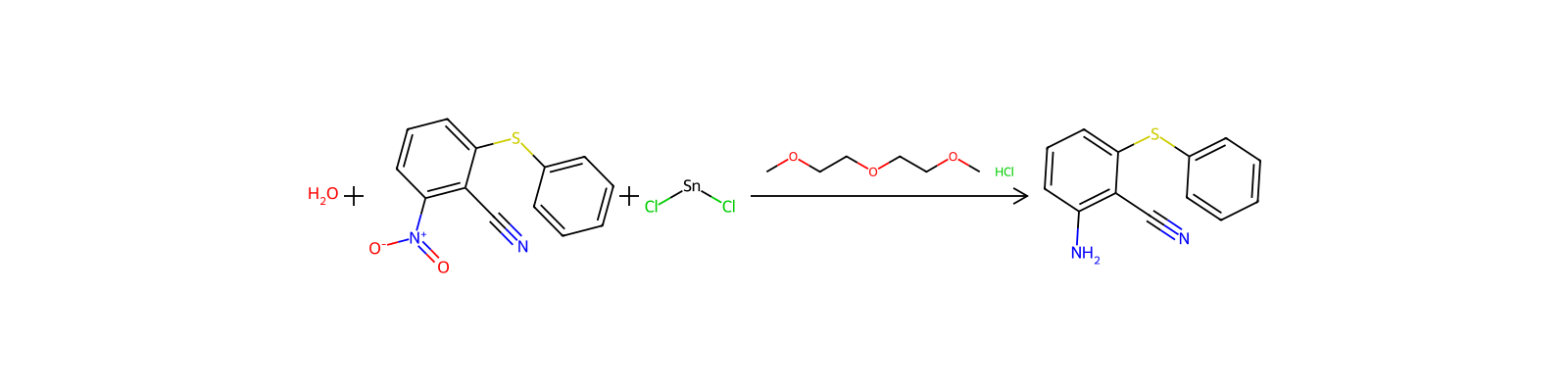
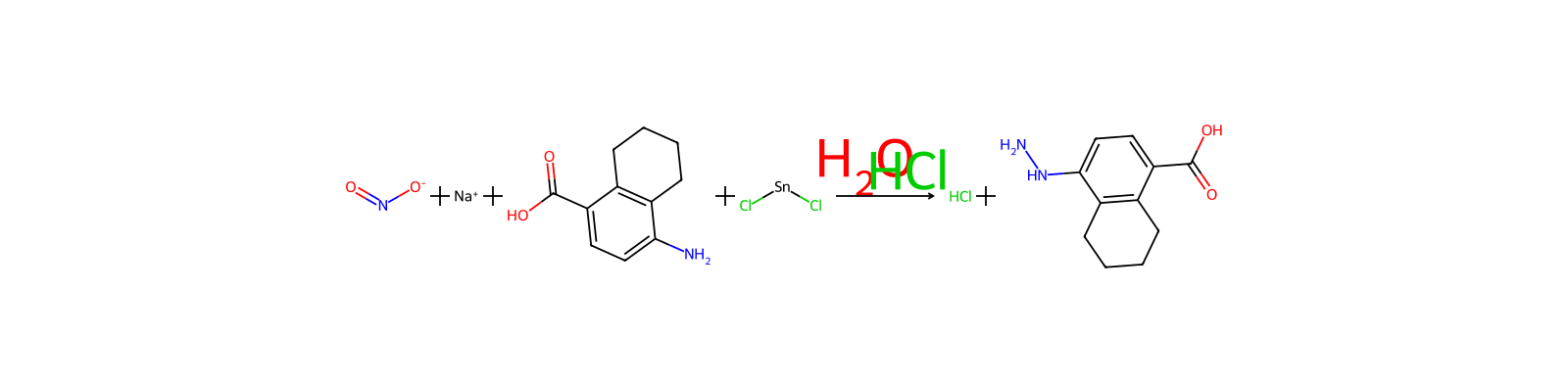
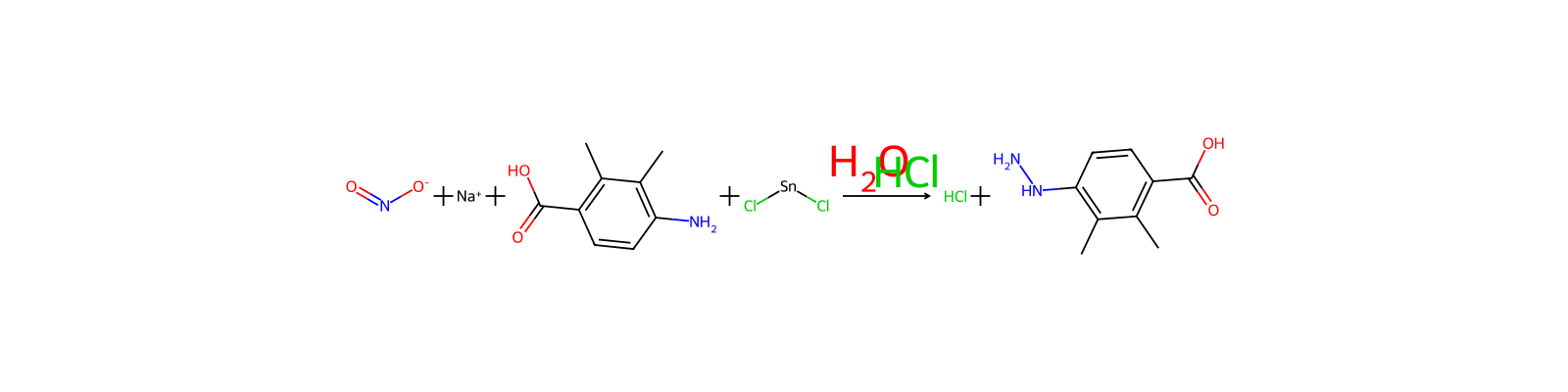
2,559 条
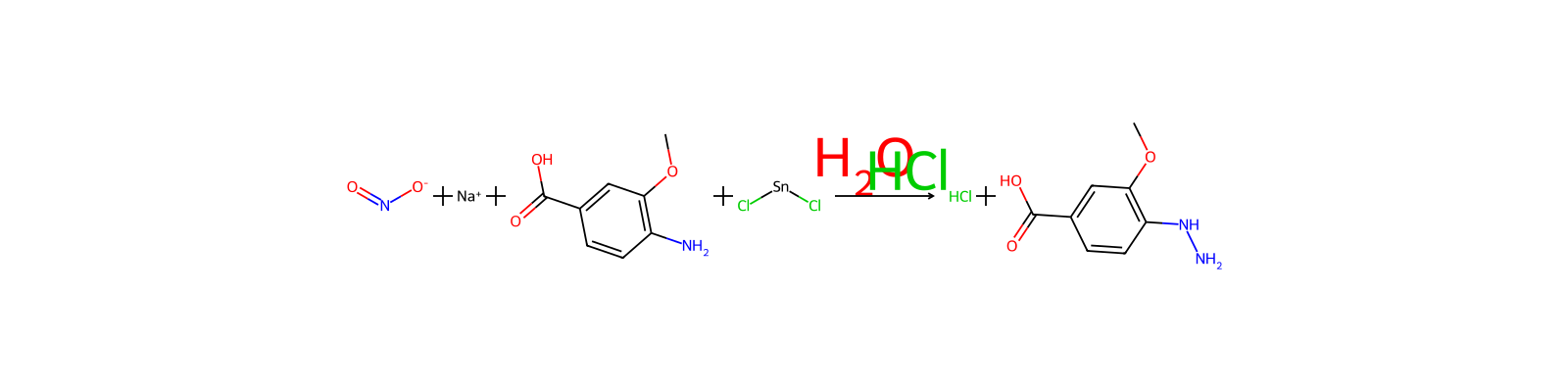
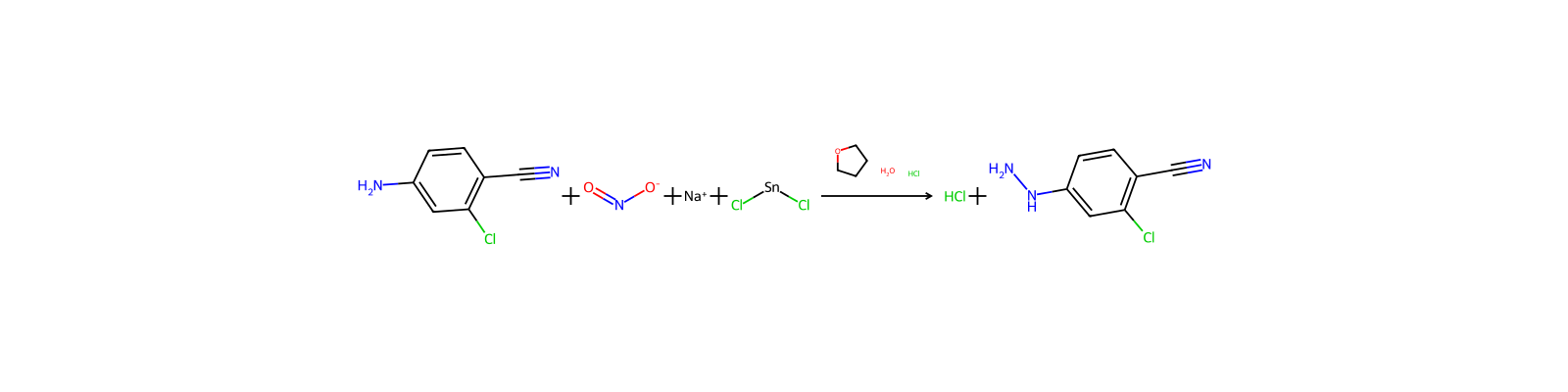
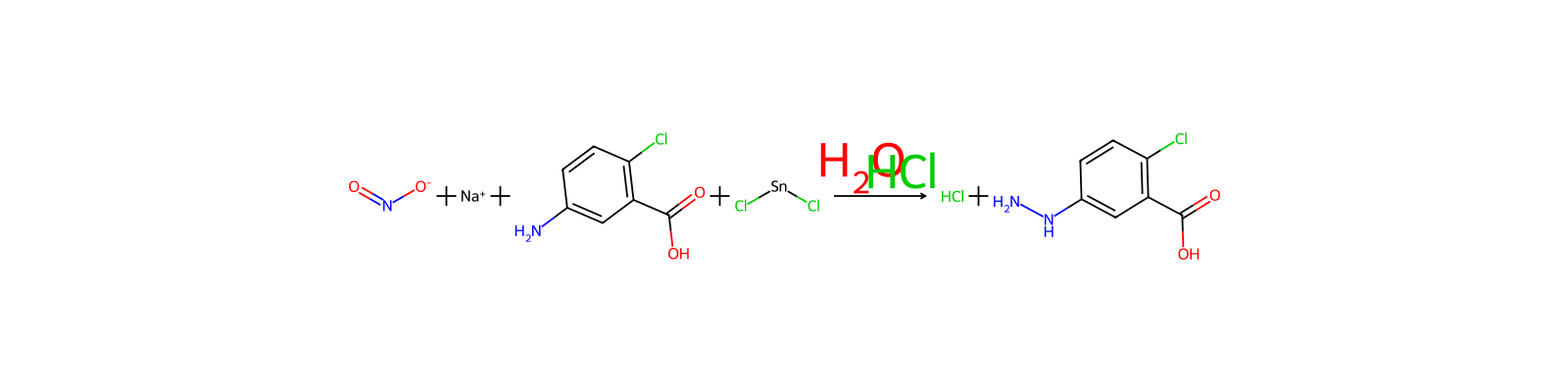
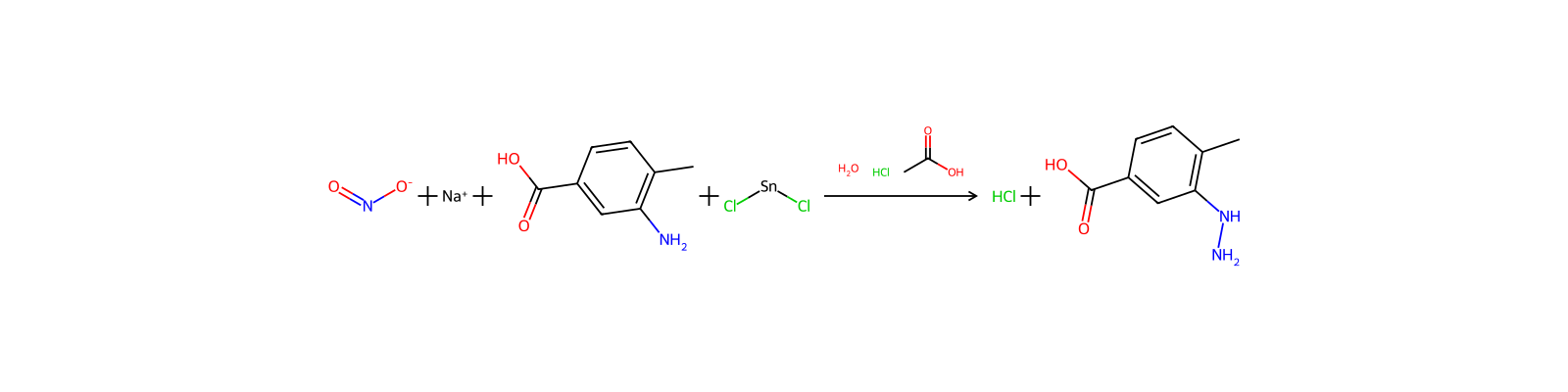
关联笔记
加载中…