

基本信息
- 标准SMILES
Cc1c[nH]c2ccccc12- InChIKey
ZFRKQXVRDFCRJG-UHFFFAOYSA-N- 分子式
- C9H9N
- 平均分子量
- 131.17 g/mol
- 单同位素质量
- 131.07349929
概述
Skatole is a methylindole carrying a methyl substituent at position 3. It is produced during the anoxic metabolism of L-tryptophan in the mammalian digestive tract. It has a role as a mammalian metabolite and a human metabolite.
名称与标识
- 首选名称
- Skatole
- IUPAC
- 3-methyl-1H-indole
- 中文名
- 3-甲基吲哚
- 英文名
- 3-Methylindole
- 分子式
- C9H9N
- 分子量
- 131.17
名称与别名
3-METHYLINDOLE3-Methyl-1H-indoleSkatole83-34-1Scatole1H-Indole, 3-methyl-SkatolIndole, 3-methyl-beta-MethylindoleFEMA No. 3019DTXSID80217753-methyl-indole
展开更多名称
糞素烘臭类糞臭素粪臭素3-甲基吲3-甲吲哚3-甲基吲哚β-甲基吲哚β-甲基氮杂茚粪臭素(标准品)FEMA 30193-Methylindole (skatole)3-MIscatol3-Methyindole1H-Indole,3-methyl-
SKATOLUM9W945B5H7RNSC-122024CHEBI:9171DTXCID6017753 MethylindoleRefChem:58525201-471-7
数据库标识
- CAS
83-34-1- PubChem CID
- 6736
- DTXSID
DTXSID8021775- ChEMBL
CHEMBL1329793- ChEBI
CHEBI:9171- UNII
- 9W945B5H7R
- EC Number
- 201-471-7
- Nikkaji
- J3.211E
性质
结构计算性质
- XLogP
- 2.6
- 极性表面积
- 15.8 Ų
- 氢键供体
- 1
- 氢键受体
- 0
- 可旋转键
- 0
- 重原子
- 10
- 形式电荷
- 0
- 复杂度
- 122
实验与物化性质
Chemical Classes
Nitrogen Compounds -> Indoles
Waste-water effluent contaminant
SpringerMaterials PropertiesAngular frequency
FragrancesFragrance Ingredient (Skatole) -> IFRA transparency List
LogP
LogP= 2.60
2.60
Odor
CHARACTERISTIC FECAL ODOR AT HIGH LEVELS, BECOMING PLEASANT, SWEET, AND WARM AT VERY LOW LEVELS
Fecal odor
TasteWARM, OVER-RIPE, FRUITY FLAVOR BELOW 0.1 PPM
Food AdditivesFLAVOR ENHANCER, FLAVORING AGENT OR ADJUVANT -> FDA Substance added to food
Flavoring AgentsEU Flavoring substances
Color/Form
LEAVES FROM PETROLEUM ETHER; WHITE-BROWN SCALES
White crystalline substance, browning upon aging.
Solubility
SOL IN HOT WATER, ALC, BENZENE, CHLOROFORM, ETHER
SOL IN ACETONE, WATER, ETHANOL, ETHER
0.498 mg/mL
Soluble in boiling water
Soluble (in ethanol)
6.8 [ug/mL] (The mean of the results at pH 7.4)
Boiling Point
265-266 °C @ 755 MM HG
265.00 to 266.00 °C. @ 755.00 mm Hg
Melting Point
95 °C
97.5 °C
物理化学性质
- 熔点
- 92 · 92-97 °C (lit.)
- 沸点
- 265 · 265-266 °C (lit.)
- 密度
- 1.0111 · 1.0111 (estimate)
- FEMA
- 3019 · 3019 | SKATOLE
- 折射率
- 1.607 · 1.6070 (estimate)
- 闪点
- 132 °C · 132 °C
- 储存条件
- 30 °C · Store below +30°C.
- 溶解度
- Chloroform (Slightly), Methanol (Slightly)
- 酸度系数(pKa)
- 17.3 · 17.30±0.30(Predicted)
- 形态
- Crystalline Powder or Flakes
- 颜色
- Almost white to pale brown
- 气味 (Odor)
- indole-like odor
- 嗅觉阈值(Odor Threshold)
- 0.0000056 ppm · 0.0000056ppm
- 香型
- animal
- 生物来源
- synthetic
- 水溶解性
- Soluble in water, Ether, Alcohols, Benzene, Acetone, Chloroform.
- 敏感性
- Light Sensitive
- Merck
- 14 · 14,8560
- JECFA Number
- 1304 · 1304
- BRN
- 111296 · 111296
- Henry's Law Constant
- 2.9 · 2.9×10-5 mol/(m3Pa) at 25℃, Wetlaufer et al. (1964)
- 稳定性
- Stable, but light-sensistive. Stench! Incompatible with strong oxidizing agents, strong acids, acid ahydrides, acid chlorides. Combustible.
- 主要应用
- flavors and fragrances
- 化妆品成分功效
- PERFUMING
- InChI
- 1S/C9H9N/c1-7-6-10-9-5-3-2-4-8(7)9/h2-6,10H,1H3
- InChIKey
- ZFRKQXVRDFCRJG-UHFFFAOYSA-N
- SMILES
- Cc1c[nH]c2ccccc12
- LogP
- 2.6 · 2.60
- CAS 数据库
- 83 · 83-34-1(CAS DataBase Reference)
- NIST化学物质信息
- 1 H-Indole, · 1H-Indole, 3-methyl-(83-34-1)
- EPA化学物质信息
- 3 · 3-Methylindole (83-34-1)
化学性质
白色结晶。沸点265-266℃,熔点93-96℃,溶于3体积95%乙醇及油质香料。有带咸臭而强的吲哚样动物香,气势非常有力,扩散力强,很持久。浓度高时的气息令人作呕,仅在极低浓度下才有大灵猫香样动物香,味觉是温暖过熟熟果样口味。
安全与法规
GHS分类
GHS Classification
This chemical does not meet GHS hazard criteria for 76% (304 of 400) of all reports.
Warning
H315 (19.5%): Causes skin irritation [Warning Skin corrosion/irritation]
P261, P264, P264+P265, P271, P273, P280, P302+P352, P304+P340, P305+P351+P338, P319, P321, P332+P317, P337+P317, P362+P364, P391, P403+P233, P405, and P501 (click each P-code to see the statement)
Aggregated GHS information provided per 400 reports by companies from 16 notifications to the ECHA C&L Inventory. Each notification may be associated with multiple companies.
危害信息
Regulatory Information
Chemical: 1H-Indole, 3-methyl-
Commission Regulation (EC) No 1565/2000 (Repealed by Com. Implementing Reg. (EU) No 872/2012)
Status: Cease Manufacture Update: 21-11-2018 https://echa.europa.eu/registration-dossier/-/registered-dossier/23505
1H-Indole, 3-methyl-: Does not have an individual approval but may be used under an appropriate group standard
Other Safety InformationIMAP assessments - 1H-Indole, 3-methyl-: Human health tier I assessment
Hazards Summary
Caused no irritation in humans following 24 hour closed patch test (2% in petrolatum); [HSDB] Lethal doses by intravenous and oral routes produced pulmonary lesions in cattle; [RTECS] Safe when used as a flavoring agent in food; [JECFA] See Indole.
Hazard Classes and CategoriesSkin Irrit. 2 (19.5%)
安全与防护
Cleanup Methods
CHEM SCRUBBING SYSTEMS ARE ATTRACTIVE FOR CONTINUOUSLY HANDLING LARGE VOL OF GAS CONTAINING VERY LOW CONCN OF POTENT ODORANTS. THESE SYSTEMS USUALLY FUNCTION BY OXIDN OF THE ODORANT. THE ODOR CONTROL OF SKATOLE IS DISCUSSED FOR EACH OF THE OXIDIZERS: NAOCL, CL2, KMNO4, AND O3.
TWO TYPES OF AIR WASHERS, CROSS-CURRENT AND COUNTERCURRENT, WERE INSTALLED IN THE VENTILATION OF THE EXHAUST SYSTEM IN LIVESTOCK AND POULTRY FARMS, TO DEODORIZE THE AIR. ACTIVATED SLUDGE FROM A SEWAGE PLANT WAS ADDED TO THE CIRCULATING WATER. WASH WATER SAMPLES CONTAINED SKATOLE.
Disposal Methods
SRP: At the time of review, criteria for land treatment or burial (sanitary landfill) disposal practices are subject to significant revision. Prior to implementing land disposal of waste residue (including waste sludge), consult with environmental regulatory agencies for guidance on acceptable disposal practices.
毒理信息
Environmental Fate
TERRESTRIAL FATE: A methanogenic consortium, enriched from wetland soil completely mineralized 13 mg of 3-methylindole within 35 days(1). Based on a recommended classification scheme(2), an estimated Koc value of 600(SRC), indicates that 3-Methylindole will have low mobility in soil(SRC). Volatilization of 3-methylindole may occur slowly from moist soil surfaces(SRC) given an estimated Henry's Law constant of 2.1X10⁻⁶ atm-cu m/mole(SRC), using a fragment constant estimation method(3).
AQUATIC FATE: Based on a recommended classification scheme(1), an estimated Koc value of 600(SRC), determined from a structure estimation method(2), indicates that 3-methylindole is expected to adsorb to suspended solids and sediment in water(SRC). 3-Methylindole will volatilize from water surfaces(1,SRC) based on an estimated Henry's Law constant of 2.1X10⁻⁶ atm-cu m/mole(SRC), developed using a fragment constant estimation method(3). Estimated half-lives for a model river and model lake are 20 and 148 days, respectively(1,SRC). According to a classification scheme(5), an estimated BCF value of 56(1,SRC), from an experimental log Kow(4), suggests that bioconcentration in aquatic organisms is moderate, not high(SRC). When exposed to natural sunlight 3-methylindole may undergo photo-oxidative degradation. The aqueous rate constant for the photolysis of 3-methylindole was measured as 0.18 hr-1 with a half life of 3.8 hours(6). The major product of the aqueous photo-oxidative degradation of 3-methylindole is thought to be o-(N-formyl)aminoacetophenone(6).
ATMOSPHERIC FATE: According to a model of gas/particle partitioning of semivolatile organic compounds in the atmosphere(1), 3-Methylindole, which has an extrapolated vapor pressure of 0.005 mm Hg at 25 °C(4,SRC), will exist primarily as a vapor in the ambient atmosphere. Vapor-phase 3-methylindole is degraded in the atmosphere by reaction with photochemically-produced hydroxyl radicals(SRC); the half-life for this reaction in air is estimated to be about 0.64 hours(3,SRC).
Food Survey ValuesCheese products obtained from dairy cattle in the French Alps were found to contain 3-methylindole(1). No concentration data are currently available.
Effluent ConcentrationsUnspecified concentrations of 3-methylindole were detected in the secondary effluents of a municipal wastewater treatment facility in Addison Illinois(1).
Soil Adsorption/Mobility
The Koc of 3-methylindole is estimated as approximately 600(SRC), using an experimental log Kow of 2.60(1,SRC) and a regression-derived equation(2,SRC). According to a recommended classification scheme(3), this estimated Koc value suggests that 3-methylindole has low mobility in soil(SRC). The value of Koc may be influenced by the pH of the soil for this compound due to the basic nature of the amine group(SRC).
Natural Pollution Sources
...AFRICAN CIVET CAT; CELTIS RETICULOSA, A JAVANESE TREE.
Common naturally occurring sources of 3-methylindole are feces, beetroot, and nectrandra wood(1,2).
Human Toxicity Excerpts
TESTED AT 2% IN PETROLATUM IT PRODUCED NO IRRITATION AFTER A 48-HR CLOSED-PATCH TEST ON HUMAN SUBJECTS.
SKATOLE AND ITS METABOLIC INTERMEDIATES MAY BE RELATED TO HUMAN PATHOLOGICAL CONDITIONS, INCL MALABSORPTION SYNDROMES AND CERTAIN ANEMIAS AND HEPATIC COMA. 6-HYDROXYSKATOLE, THE MAJOR METABOLITE OF SKATOLE IN MAN, MAY BE A PSYCHOTROPIC SUBSTANCE; IT IS EXCRETED AS THE SULFATE IN ELEVATED AMOUNTS IN THE URINE OF SOME SCHIZOPHRENIC PT.
Artificial Pollution Sources3-Methylindole's production and use in the fragrance industry and as a food additive(1,2) may result in its release to the environment through various waste streams(SRC).
Environmental BiodegradationA methanogenic consortium, enriched from wetland soil completely mineralized 13 mg of 3-methylindole within 35 days(1).
Environmental Bioconcentration
An estimated BCF value of 56 was calculated for 3-methylindole(SRC), using an experimental log Kow of 2.60(4) and a recommended regression-derived equation(2). According to a classification scheme(3), this BCF value suggests that bioconcentration in aquatic organisms is moderate, not high(SRC).
Volatilization from Water/Soil
The Henry's Law constant for 3-methylindole is estimated as 2.1X10⁻⁶ atm-cu m/mole(SRC) from its extrapolated value for vapor pressure, 0.005 mm Hg(1), and experimental water solubility, 498 mg/l(2). This value indicates that 3-methylindole will volatilize from water surfaces(3,SRC). Based on this Henry's Law constant, the volatilization half-life from a model river (1 m deep, flowing 1 m/sec, wind velocity of 3 m/sec) is estimated as approximately 20 days(3,SRC). The volatilization half-life from a model lake (1 m deep, flowing 0.05 m/sec, wind velocity of 0.5 m/sec) is estimated as approximately 148 days(3,SRC). 3-Methylindole's Henry's Law constant(1,2,SRC) indicates that volatilization from moist soil surfaces will not be important(SRC).
Non-Human Toxicity Excerpts
IN FROGS, THE MINIMUM LETHAL DOSE OF SKATOLE ADMIN SC OR INTO THE ABDOMINAL LYMPH SAC WAS 1 G/KG; A PARALYTIC ACTION ON THE CENTRAL NERVOUS SYSTEM RESULTED IN A COMPLETE ABOLITION OF SPONTANEOUS REFLEX AND RESP MOVEMENTS. AN ORAL DOSE OF 0.3 G SKATOLE/KG GIVEN TO GOATS PRODUCED DIFFUSE PULMONARY EDEMA WHICH RESULTED IN DEATH, AND ORAL OR IV ADMIN TO COWS CAUSED PULMONARY LESIONS. DEATH FROM PULMONARY EDEMA & EMPHYSEMA RESULTED IN 3/3, 0/2 AND 1/3 COWS GIVEN 0.2 (ORAL), 0.1 (ORAL) AND 0.06 G/KG (IV IN PROPYLENE GLYCOL), RESPECTIVELY.
MICE TREATED ORALLY WITH 100 MG SKATOLE/KG SHOWED NO SIGNS OF PULMONARY DISEASE. ORAL INGESTION OF 200 MG/KG BY MICE ALSO FAILED TO INDUCE PULMONARY EMPHYSEMA, BUT PULMONARY CONGESTION DID OCCUR, AS SHOWN BY A REDUCTION IN THE PHOSPHOLIPID CONTENT OF THE LUNG AND INCREASES IN HEMOGLOBIN CONTENT. ...WHEN MICE WERE GIVEN SKATOLE (10 MG/KG BODY WT) IP FOR 15 CONSECUTIVE DAYS...LESIONS OF THE LIVER, SPLEEN, KIDNEY AND LUNGS WERE PRESENT BUT SHOWED MARKED REGENERATION AFTER THE DOSE WAS STOPPED.
RABBITS INJECTED IN THE KNEE JOINT WITH A SINGLE DOSE OF SKATOLE (0.26 MMOL IN 1 ML AQUEOUS 50% PROPYLENE GLYCOL) DEVELOPED ACUTE ARTHRITIS AND AN ACUTE INFLAMMATION ORIGINATING IN THE SYNOVIAL TISSUE, WHILE RABBITS INJECTED IN THE KNEE JOINT WITH 0.04-0.26 MMOL SKATOLE ONCE WEEKLY FOR 6 WK DEVELOPED CHRONIC ARTHRITIS, THE SEVERITY INCREASING WITH INCREASING DOSAGES. ...SKATOLE APPLIED FULL STRENGTH TO INTACT OR ABRADED RABBIT SKIN FOR 24 HR UNDER OCCLUSION WAS NOT IRRITATING.
3-METHYLINDOLE (3MI) WAS ORALLY ADMIN AS A SINGLE DOSE OF 0.1-0.2 G/KG WHICH THEN PRODUCED ACUTE PULMONARY EDEMA IN CATTLE. LUNG TISSUE COLLECTED AFTER 72 HR REVEALED VESICULATION AND DESQUAMATION OF ALVEOLAR TYPE I CELLS AS WELL AS HYPERPLASIA OF THE ALVEOLAR TYPE II CELLS. HYALINE MEMBRANE FORMATION, ALONG WITH MASSIVE ACCUMULATION OF TUBULAR MYELIN IN THE ALVEOLAR SPACES, WAS OBSERVED. PULMONARY CAPILLARIES WERE OCCLUDED WITH MICROTHROMBI, AND LEUKOCYTES INFILTRATED THE INTERSTITIUM AS WELL AS THE ALVEOLI. ACCUMULATION OF LARGE AGGREGATES OF GLYCOGEN IN THE ALVEOLAR TYPE II CELLS WERE THE MOST UNUSUAL CHANGES SEEN IN EXPTL ANIMALS.
THE PATHOLOGIC FEATURES OF BRONCHIOLITIS WERE STUDIED IN HORSES AND PONIES FROM 30 MIN TO 27 DAYS AFTER AN ORAL DOSE OF 3-METHYLINDOLE (3MI). FROM 30 MIN TO 3 HR, LESIONS WERE LIMITED TO NONCILIATED BRONCHIOLAR EPITHELIAL (CLARA) CELLS, WHICH LOST APICAL CAPS AND CYTOPLASMIC GRANULES AND HAD DILATED SMOOTH ENDOPLASMIC RETICULUM (SER). AT 12 HR, NECROTIC CLARA CELLS WERE EXFOLIATED; DEGENERATION AND NECROSIS WERE EVIDENT, IN BRONCHIOLAR CILIATED CELLS. RARE EPITHELIAL CELLS WITH HYPERPLASTIC SER APPEARED ON THE DENUDED BASAL LAMINA AT 24 HR. INFLAMMATORY CELLS, EPITHELIA, FIBROBLASTLIKE CELLS, COLLAGEN, AND DEBRIS OCCLUDED MANY BRONCHIOLAR LUMENS FROM 3 TO 6 DAYS. REORGANIZATION RESULTED IN A SIMPLE COLUMNAR BRONCHIOLAR EPITHELIUM WITH RELATIVELY NORMAL CILIATED CELLS AND FEWER FIBROBLASTLIKE CELLS. HOWEVER, MATURE CLARA CELLS WERE RARE AT 27 DAYS, AND COLLAGENOUS BANDS STILL DIVIDED BRONCHIOLAR LUMENS.
Environmental Abiotic Degradation
When exposed to natural sunlight the aqueous rate constant for the photolysis of 3-methylindole was measured as 0.18 hr-1 with a half life of 3.8 hours(1). The major product of the photo-oxidative degradation of 3-methylindole is thought to be o-(N-formyl)aminoacetophenone(1). The vapor-phase reaction of 3-methylindole with photochemically-produced hydroxyl radicals has been estimated as 2.0X10⁻¹⁰ cu cm/molecule-sec at 25 °C(SRC) using a structure estimation method(2,SRC). This corresponds to an atmospheric half-life of about 0.64 hours at an atmospheric concentration of 5X10+5 hydroxyl radicals per cu cm(3,SRC).
安全数据
- F
- 8-13
- wgk
- 2
- tsca
- TSCA listed
- 毒性
- MLD in frogs (mg/kg): 1000 s.c. (Bin-Ichi)
- RTECS号
- NM0350000
- 存储类别
- 11 - Combustible Solids
- 安全说明
- 26-36-61
- 海关编码
- 29339920
- 危险品标志
- Xi,N
- 危险性类别
- Aquatic Chronic 2
- 危险类别码
- 36/37/38-51/53
- 毒害物质数据
- 83-34-1(Hazardous Substances Data)
- 危险品运输编号
- UN3077 - class 9 - PG 3 - DOT/IATA UN3335 - Environmentally hazardous substances, solid, n.o.s., HI: all (not BR)
化学与工业
药理信息
Mechanism of Action
NUCLEOPHILIC THIOL AGENTS, GLUTATHIONE, L-CYSTEINE AND N-ACETYL-L-CYSTEINE, PROTECTED MICROSOMAL PROTEINS AGAINST ALKYLATION BY THE REACTIVE METABOLITE OF 3-METHYLINDOLE. THE CYTOSOL FRACTION FROM THE LUNGS OF CATTLE INCR THE PROTECTIVE EFFECT OF THESE THIOL AGENTS. PRETREATMENT OF SHEEP WITH DIETHYLMALEATE, WHICH DEPLETES GLUTATHIONE, INCR THE SEVERITY OF THE PNEUMOTOXIC EFFECT OF 3-METHYLINDOLE, WHEREAS PRETREATMENT WITH L-CYSTEINE DECR THE SEVERITY OF THIS EFFECT. THESE FINDINGS ARE CONSISTENT WITH A HYPOTHESIS THAT AN ELECTROPHILIC REACTIVE METABOLITE OF 3-METHYLINDOLE IS RESPONSIBLE FOR ITS PNEUMOTOXIC EFFECT AND IMPLIES THAT GLUTATHIONE AND GLUTATHIONE S-TRANSFERASES ARE INVOLVED IN THE DETOXIFICATION OF THIS REACTIVE METABOLITE.
INCUBATION OF VARIOUS INDOLIC COMPD WITH GOAT LUNG MICROSOMES SHOWED THAT ONLY 3-METHYLINDOLE WAS ABLE TO GENERATE A FREE RADICAL IN THE NADPH-DEPENDENT MICROSOMAL SYSTEM, AS TESTED BY SPIN-TRAPPING. ENZYMIC RADICAL FORMATION FROM 3-METHYLINDOLE SUGGESTS A MICROSOMAL-ACTIVATED FREE RADICAL MECHANISM FOR THE SPECIFICITY OF 3-METHYLINDOLE-INDUCED PULMONARY TOXICITY.
Bioactivation of 3-methylindole (3MI), a highly selective pneumotoxin in goats, was investigated in human lung and liver tissues in order to provide information about the susceptibility of humans to 3MI toxicity. Human lung microsomes were prepared from eight organ transplantation donors and liver microsomes from one of the donors were /selected/. The 3MI turnover rate with human lung microsomes was 0.23 +/- 0.06 nmol/mg/min, which was lower than the rate with the human liver microsomes (7.40 mnol/mg/min). The activities were NADPH dependent and inhibited by l-aminobenzotriazole, a potent cytochrome p450 suicide substrate inhibitor. Covalent binding of 3MI reactive intermediates to human tissues was determined by incubation of (14)C-3MI and NADPH with human lung and liver microsomal proteins. Although human lung microsomes displayed measurable covalent binding activity (2.74 +/- 2.57 pmol/mg/min), the magnitude of this reaction was only 4% as large as that seen with human liver microsomes and also was inhibited by l-aminobenzotriazole. Therefore, the bioactivation of 3MI to covalently binding intermediates is catalyzed by cytochrome p450 in human pulmonary tissues. These activities were compared to those activities measured with tissues from goats. Proteins from goat and human pulmonary and hepatic microsomal incubations were incubated with radioactive 3MI, and radioactive proteins were analyzed by SDS-PAGE and HPLC and visualized by autoradiography and radiochromatography, respectively. The results showed that a 57-kDa protein was clearly the most prominently alkylated target associated with 3MI reactive intermediates. These data suggest that humans may be susceptible to 3MI mediated toxicities and that the specificity of covalent binding and the extent of binding to target proteins may play important roles in organ and species selective susceptibilities to 3MI pneumotoxicity.
Metabolism/Metabolites
SKATOLE IS PRODUCED IN THE GI TRACT (SMALL INTESTINE AND RUMEN) BY THE BACTERIAL DEGRADATION OF DIETARY TRYPTOPHAN RESIDUES...
MATURE BEEF COWS GRAZING ON DRY SUMMER RANGE WERE MOVED TO LUSH GREEN PASTURE TO INDUCE ACUTE BOVINE PULMONARY EDEMA AND EMPHYSEMA (ABPE) AND TO DETERMINE WHETHER PLASMA AND RUMINAL FLUID 3-METHYLINDOLE (3MI) CONCN ARE RELATED TO THE DEVELOPMENT OF ABPE. IN VITRO PRODN OF 3MI WAS OBSERVED IN CULTURE MEDIA INOCULATED WITH RUMINAL FLUID, DEMONSTRATING THAT MICROORGANISMS CAPABLE OF PRODUCING 3MI WERE IN THE RUMEN. APPARENTLY RUMINAL MICROORGANISMS OF CATTLE CONVERT TRYPTOPHAN (CONTAINED IN LUSH FORAGE) TO 3MI, WHICH UPON ABSORPTION BY THE ANIMAL MAY RESULT IN THE ONSET OF ABPE.
FORMED FROM INDOLE-3-ACETIC ACID. YIELDS O-FORMAMIDOACETOPHENONE IN RAT, WHEAT; FRYDMAN RB ET AL; FEBS LETTERS 17: 273 (1971). YIELDS 5-HYDROXYSKATOLE, 7-HYDROXYSKATOLE IN RAT; DALGLIESH CE ET AL; BIOCHEM J 70: 13P (1958). YIELDS 6-HYDROXYSKATOLE IN RABBIT; JEPSON JB ET AL; BIOCHIM BIOPHYS ACTA 62: 91 (1962). YIELDS SALICYLIC ACID IN PSEUDOMONAS; PROCTOR MM; NATURE (LONDON) 181: 1345 (1958). /FROM TABLE/
GOATS WERE GIVEN JUGULAR INFUSIONS OF (14)C-3-METHYLINDOLE (3MI). A MAJOR ROUTE OF METABOLISM INVOLVED FORMATION OF 3-METHYLOXINDOLE AND SUGGESTS THAT A MIXED FUNCTION OXIDASE, PYRROLOOXYGENASE, MAY BE THE MAJOR METABOLIC SYSTEM INVOLVED. A MINOR ROUTE OF METABOLISM INVOLVED OXIDATION OF THE METHYL CARBON OF 3MI.
For more Metabolism/Metabolites (Complete) data for 3-METHYLINDOLE (6 total), please visit the HSDB record page.
3-methylindole has known human metabolites that include 3-methyleneindolenine and 3-methylindole-2,3-epoxide.
Absorption, Distribution and Excretion
AFTER ADMIN OF SKATOLE TO CATTLE IN A DOSE OF 0.1-0.2 G SKATOLE/KG INTRARUMINALLY OR 0.06 G/KG BY JUGULAR INFUSION, THE MEAN PLASMA CONCN OF SKATOLE BECAME MAXIMAL AT 3 AND 9 HR, RESPECTIVELY.
GOATS WERE GIVEN A 2 HR JUGULAR INFUSION OF 3-METHYLINDOLE (3MI) CONTAINING (14)C-3MI USING PROPYLENE GLYCOL AS THE VEHICLE. 3MI WAS RAPIDLY CLEARED FROM BLOOD PLASMA AND TISSUES AFTER INFUSION, AND 81% OF THE RADIOACTIVITY WAS EXCRETED IN THE URINE BY 24 HR. MAX CONCN OF UNMETABOLIZED 3MI IN THE TISSUES RANGED FROM 2.6 TO 15 UG 3MI/G, INCL 7.5 UG 3MI/G IN THE LUNG. THE LUNG CONTAINED THE HIGHEST PROPORTION OF METABOLITES. THE DATA DEMONSTRATE THAT 3MI DOES NOT SELECTIVELY CONCENTRATE IN THE LUNG AND THAT THE CONCN ARE LOWER THAN THOSE USUALLY ASSOC WITH DIRECT MEMBRANE DAMAGE.
Cellular LocationsMembrane
用途与制造
Uses
Used in perfume fixatives, artificial civet (musk), food flavoring, and experimental veterinary medications; [HSDB]
IN PERFUMERY (FIXATIVE), ARTIFICIAL CIVET
FLAVORING FOOD ADDITIVE
MEDICATION
Methods of Manufacturing
OBTAINED BY FUSING EGG ALBUMIN WITH POTASSIUM HYDROXIDE.
SYNTHESIZED...BY HEATING GLYCEROL AND ANILINE IN THE PRESENCE OF ZINC CHLORIDE; ALSO BY TREATING THE PHENYLHYDRAZONE OF PROPIONIC ALDEHYDE WITH A CALCULATED AMT OF ZINC CHLORIDE IN AN OIL BATH @ 180 °C...
...BY CYCLIZATION OF O-TOLUIDIDES.
Use Classification
Fragrance Ingredients
Flavouring Agent -> FLAVOURING_AGENT -> JECFA Functional Classes
Flavoring Agents -> JECFA Flavorings Index
Flavouring Agent -> FLAVOURING_AGENT -> JECFA Functional Classes
Flavouring Agent -> FLAVOURING_AGENT -> JECFA Functional Classes
General Manufacturing Information
1H-Indole, 3-methyl-: ACTIVE
SKATOLE (0.001-0.1% IN THE DIET) ADVERSELY AFFECTED LARVAL GROWTH AND DEVELOPMENT AND THE SUBSEQUENT REPRODUCTIVE CAPACITY OF THE BOLLWORM, HELIOTHIS ZEA. IT IS AN ATTRACTANT FOR THE PALM WEEVIL RHYNCHOPHORUS PALMARUM AND FOR HIPPELATES EYE GNATS. ... SKATOLE HAS BEEN SHOWN TO...CAUSE, AT LEVELS OF 0.2-0.4 MG/ML, TOTAL INHIBITION OF LATERAL GROWTH BY SCLEROTINA TRIFOLIORUM, THE CLOVER ROT FUNGUS, TO EFFECT IN 100 PPM CONCN GREATER THAN 75% INHIBITION AGAINST THE RUBBER-TREE MOLDY-ROT FUNGUS MYCELIUM...
SKATOLE ACTS AS A PLANT HORMONE SHOWING AUXINIC EFFECTS IN LENS CULINARIS ROOTS AND AFFECTING SEED GERMINATION AND GROWTH OF STELLARIA MEDIA AND HYPTIS SUAVEOLENS AS WELL AS THE GROWTH OF PLANT TISSUES IN VITRO.
SYNTHETIC FLAVOR INGREDIENTS- SKATOLE: FLAVOR USEFUL IN CHEESE, GRAPE, BERRY, NUT, EGG.
REPORTED USES: NON-ALCOHOLIC BEVERAGES, 0.75 PPM; ICE CREAM, ICES, ETC, 1.0 PPM; CANDY, 0.78 PPM; BAKED GOODS, 0.80 PPM; GELATINS AND PUDDINGS, 0.01 PPM; CHEWING GUM, 0.10 PPM.
For more General Manufacturing Information (Complete) data for 3-METHYLINDOLE (7 total), please visit the HSDB record page.
应用领域
概述粪臭素白色鳞片或粉末状结晶(由石油醚中),暴露于空气中时逐渐变深色;带(fecal)而强的吲哚样动物香。气势非常有力,扩散力强,很持久。浓度高时的气息令人作呕,仅在极低的浓度下才有大灵猫香样动物香。味觉是温暖过熟熟果样口味。熔点96℃(93~96℃);沸点265~266℃;溶于沸水,溶于乙醇及其他一般有机溶剂中。
用途粪臭素有很好的定香价值,常做定香剂使用,但只能用痕量才能在花香型香精中赋于大灵猫香,给人以一种过熟的花香。常用来配制大灵猫香。在香精配方中,常与苯乙酸、灵猫酮或巨环酮类同用来取得好的天然动物香效果,与檀香香气香料同用效果较好。
用途有很好的定香价值,常作定香剂使用,但只能痕量用于花香型香精中来比拟大灵猫香,也常用来配制大灵猫香。还常与苯乙酸、灵猫酮或巨环酮类共用来取得好的天然动物香效果。极限痕量用于葡萄、干酪果香、坚果香等食用香精中。
用途3-甲基吲哚具有令人不愉快的粪臭味,但经大量稀释后有愉快的香味,特别具有灵猫香基的香韵,在干酪、坚果、葡萄等制品中加入少量就有效果,在海味香精中加入,可具鱼肉味。
用途用作有机合成试剂
用途可用于生化试剂,对胰蛋白酶活性具有抑制作用。大量稀释后具有花香味,被用于香烟、香水中的香精、定香剂以及食物香料等。
用途医药中间体;定香剂
制备方法
生产方法3-甲基吲哚存在于灵猫香、人类、干酪、牛奶和茶中。工业生产可由丙醛与苯肼加热脱去水分子而获得丙醛苯腙,然后同氯化锌或硫酸加热,脱去氨分子而得到3-甲基吲哚。
上下游产品信息
上游原料
试剂价格
- L03890 · 5g
- 3-甲基吲哚, 99%3-Methylindole, 99% — 211元
- 12703 · 25g
- 3-甲基吲哚, 98%3-Methylindole, 98%, Thermo Scientific Chemicals — 810元
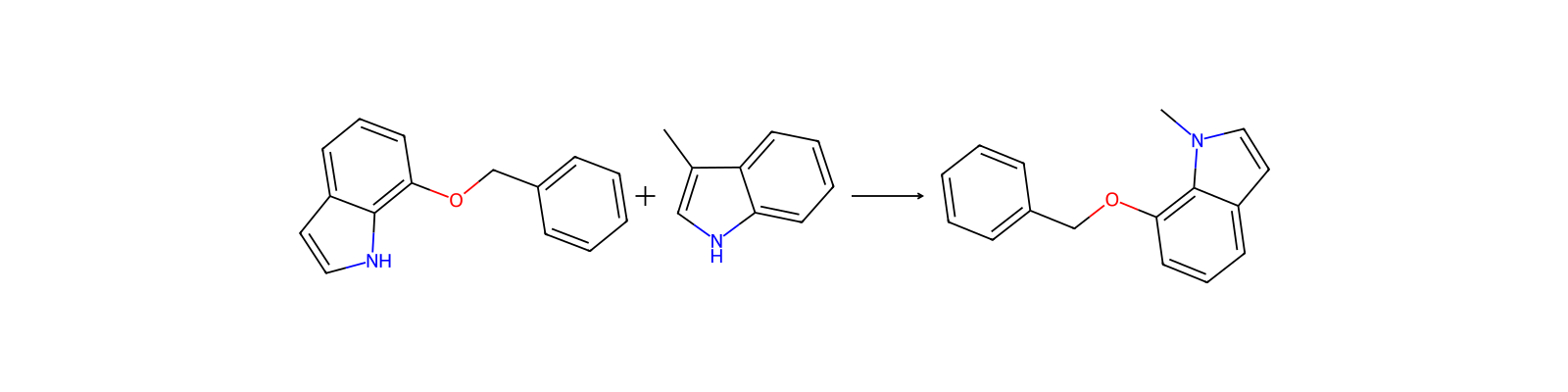
相关反应
117 条

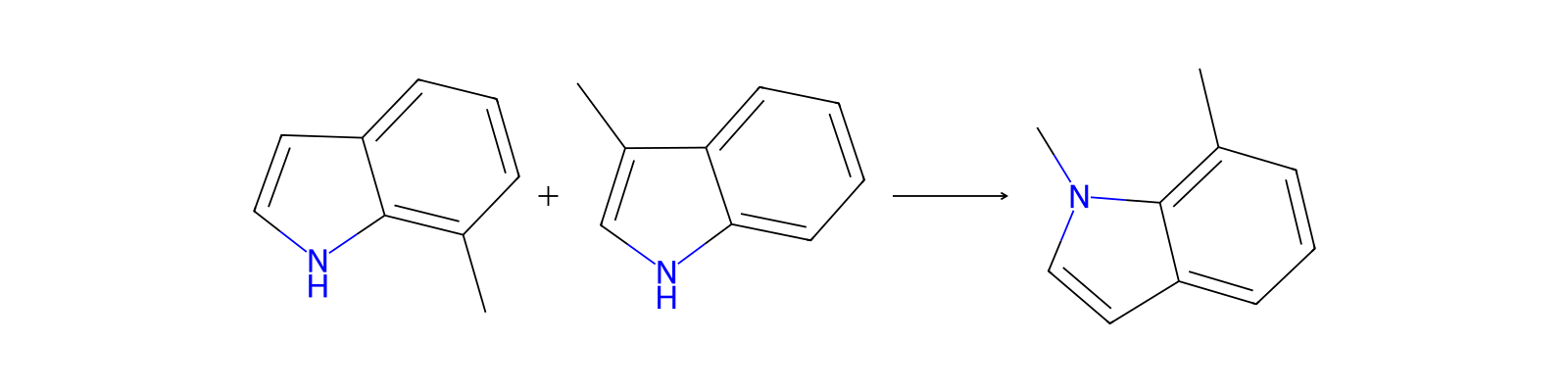

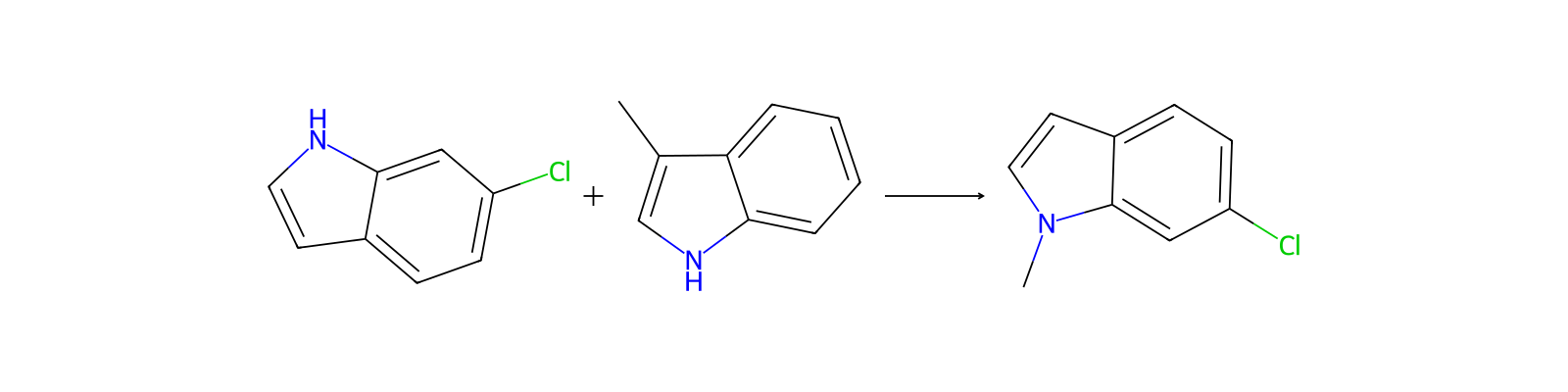
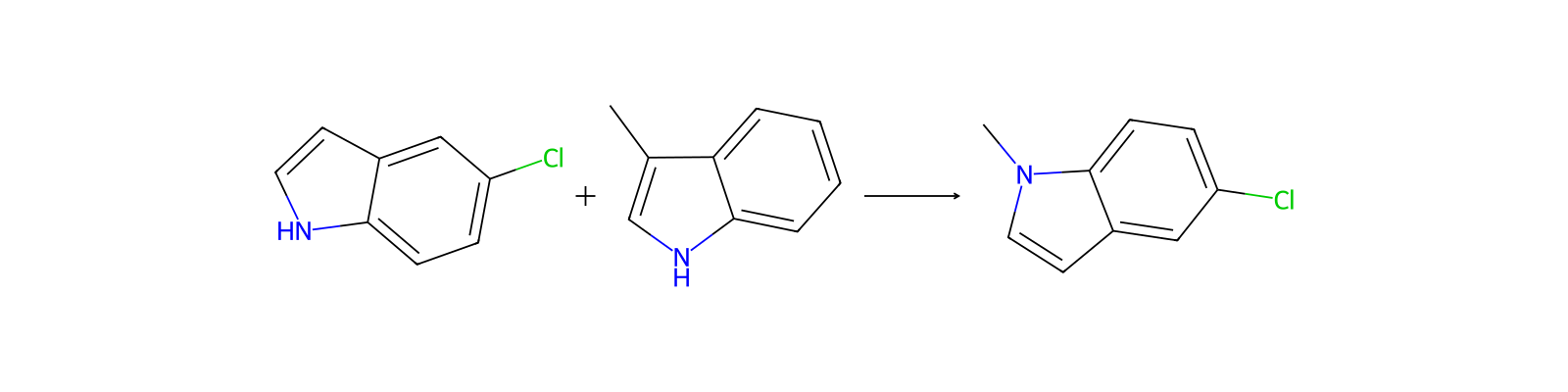
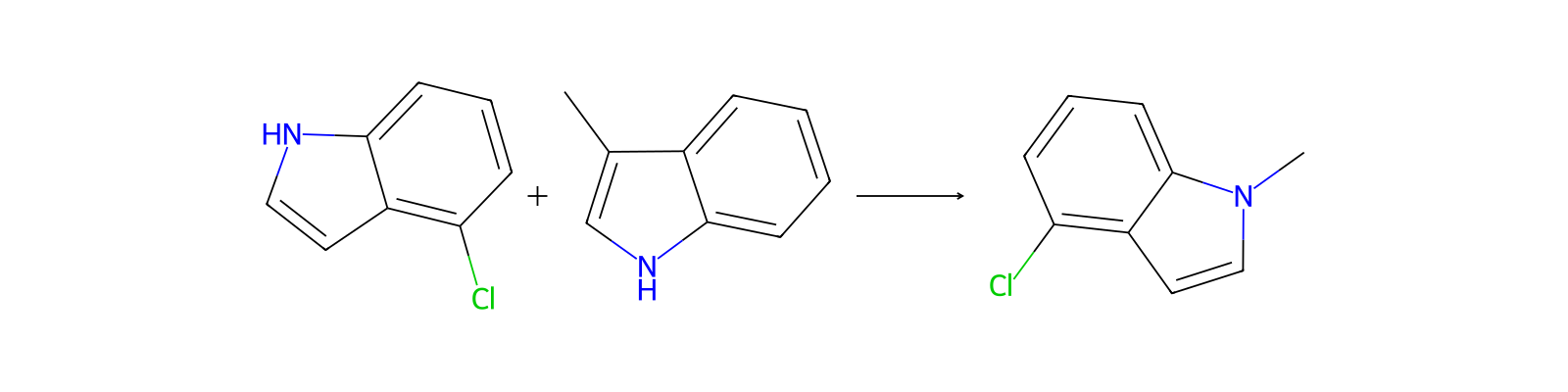
关联笔记
加载中…