
基本信息
- 标准SMILES
[C-]#N.[Na+]- InChIKey
MNWBNISUBARLIT-UHFFFAOYSA-N- 分子式
- CNNa
- 平均分子量
- 49.007 g/mol
- 单同位素质量
- 48.99284328
概述
Sodium cyanide appears as a white crystalline solid, lump solid or powder. A deadly human poison by ingestion. Toxic by skin absorption through open wounds, by ingestion, and by inhalation of dust.
名称与标识
- 首选名称
- Sodium Cyanide
- IUPAC
- sodium cyanide
- 中文名
- 氰化钠
- 英文名
- Sodium cyanide
- 分子式
- CNNa
- 分子量
- 49.01
名称与别名
SODIUM CYANIDE143-33-9CymagCyanogranCyanide of sodiumNaCNSodium cyanide (Na(CN))Cyanasalt HCyanasalt SCyanobrikKyanid sodnyCianuro di sodio
展开更多名称
山奈山奈钠山奈奶氰化鈉山埃钠氰化钠山奈、山奶钠氰化钠, 颗粒氰化钠(XZ)氰化钠(液体)Sodium cyanide, p.a.sodium iminomethanidekyanidsodnycaswellno758Natriumcyanid
Cyanure de sodiumHydrocyanic acid, sodium saltM-44 cyanide capsulesRCRA waste number P106O5DDB9Z95GEPA Pesticide Chemical Code 074002DTXSID4024309NSC-77379
数据库标识
- CAS
143-33-9- PubChem CID
- 8929
- DTXSID
DTXSID4024309- ChEMBL
CHEMBL1644697- ChEBI
CHEBI:33192- UNII
- O5DDB9Z95G
- EC Number
- 205-599-4
- Nikkaji
- J387E
性质
结构计算性质
- 极性表面积
- 23.8 Ų
- 氢键供体
- 0
- 氢键受体
- 2
- 可旋转键
- 0
- 重原子
- 3
- 形式电荷
- 0
- 复杂度
- 12.8
实验与物化性质
Chemical Classes
Toxic Gases & Vapors -> Cyanides
-> NIOSH Emergency Response Categories
pHAq soln strongly alkaline
SpringerMaterials Propertiesnuclear quadrupole coupling
PesticidesPesticide -> EPA IRIS
Odor
Odorless when perfectly dry, emits odor of hydrogen cyanide when damp
Faint odor of bitter almonds
Faint almond-like odor.
Density
1.6 at 77 °F (USCG, 1999) - Denser than water; will sink
1.595 g/cu cm @ 20 °C
1.6 g/cm³
1.6 @25 °C
1.60
Viscosity4 cP @ 30 °C (26% aqueous soln)
Color/Form
White cubic crystals
WHITE SOLID IN FORM OF GRANULES, FLAKES, OR EGGS (RESEMBLING CHICKEN EGGS)
White, granular or crystalline solid.
Solubility
greater than or equal to 100 mg/mL at 68 °F (NTP, 1992)
48 G/100 CC WATER @ 10 °C
82 G/100 CC WATER @ 35 °C
Slightly sol in alcohol
Solubility in water, g/l at 20 °C: 480-520 (freely soluble)
(77 °F): 58%
CorrosivityCorrosive to aluminum.
Flash PointNot combustible (EPA, 1998)
Boiling Point
2725 °F at 760 mmHg (EPA, 1998)
1496 °C
1496 °C
1496 °C @760 [mm Hg]
2725 °F
物理化学性质
- 熔点
- 563.7 °C · 563.7 °C(lit.)
- 沸点
- 1497 °C · 1497°C
- 堆积密度
- 750 · 750-900kg/m3
- 密度
- 1.6 · 1.6
- 蒸气密度
- 1.7 · 1.7 (vs air)
- 蒸气压
- 1 mm · 1 mm Hg ( 817 °C)
- 闪点
- 1500 °C · 1500°C
- 储存条件
- Poison room
- 溶解度
- 2 O: · H2O: 1 M at 20 °C, clear, colorless
- 酸度系数(pKa)
- 9.36 · 9.36[at 20 ℃]
- 形态
- Solid
- 颜色
- White
- 气味 (Odor)
- 1 to · The dry salts are odorless, but reaction with atmospheric moisture produces HCN, whose bitter almond odor is detectable at 1 to 5 ppm; however, 20 to 60% of the population are reported to be unable to detect the odor of HCN.
- PH值
- 11.7 · 11.7 (100g/l, H2O, 20°C)
- 酸碱指示剂变色ph值范围
- 11 · 11-12
- 水溶解性
- 37 g/100mL · 37 g/100mL (20 ºC)
- 比热容
- 1.44 J/ · Cp(crystal): 1.44 J/(g·K), at 25℃
- 敏感性
- Hygroscopic
- Merck
- 14 · 14,8605
- BRN
- 3587243 · 3587243
- 介电常数
- 7.6 · 7.6(Ambient)
- 暴露限值
- 5 mg · ACGIH TLV-TWA:(measured as CN) skin 5 mg CN/m3;TLV-CEILING:5 mg/m3,as CNOSHA PEL-TWA:(measured as CN) skin 5 mg CN/m3NIOSH REL-TWA:5 mg CN/m3/ 10-minute
- 稳定性
- hygroscopic
- InChI
- 1S/CN.Na/c1-2;/q-1;+1
- InChIKey
- MNWBNISUBARLIT-UHFFFAOYSA-N
- SMILES
- [Na+].N#[C-]
- LogP
- -0.25 at · -0.25 at 20℃
- CAS 数据库
- 143 · 143-33-9(CAS DataBase Reference)
- NIST化学物质信息
- Sodium cyanide(143-33-9)
- EPA化学物质信息
- Sodium cyanide (143-33-9)
- ECETOC JACC REPORT
- Sodium cyanide (143-33-9)
化学性质
立方晶系,白色结晶颗粒或粉末,易潮解,有微弱的苦杏仁气味。 能溶于水、氨、乙醇和甲醇中。
安全与法规
GHS分类
GHS Classification
Danger
H290 (45.3%): May be corrosive to metals [Warning Corrosive to Metals]
P234, P260, P262, P264, P264+P265, P270, P271, P273, P280, P284, P301+P316, P302+P352, P304+P340, P305+P351+P338, P305+P354+P338, P316, P317, P319, P320, P321, P330, P332+P317, P337+P317, P361+P364, P362+P364, P390, P391, P403+P233, P405, P406, and P501 (click each P-code to see the statement)
Aggregated GHS information provided per 433 reports by companies from 29 notifications to the ECHA C&L Inventory. Each notification may be associated with multiple companies.
Danger
H300: Fatal if swallowed [Danger Acute toxicity, oral]
危害信息
Hazards IdentificationWater-reactive material (WR)
Regulatory Information
Chemical: Sodium cyanide (Na(CN))
Hazard Traits - Reproductive Toxicity
Sodium cyanide (Na(CN)) is listed on the EPA's Chemical Data Reporting (CDR) system. Manufacturers and importers of Sodium cyanide (Na(CN)) are required to report information about their production and use of this chemical to the EPA under the Toxic Substances Control Act (TSCA). (40 eCFR Part 711)
Sodium cyanide is listed in the dataset of EPA Human Health Benchmarks for Pesticides under the Safe Drinking Water Act (40 eCFR 141)
Status: Active Update: 29-06-2022 https://echa.europa.eu/registration-dossier/-/registered-dossier/15159
Sodium cyanide: HSNO Approval: HSR002740 Approved with controls
Other Safety Information
PEC / SN / Other assessments - Sodium cyanide: Environment
- Indoor Air: Sodium cyanide can be released into indoor air as fine droplets, liquid spray (aerosol), or fine particles.
DOT Label
Poison
Poison
Fire Hazards
Sodium cyanide is not combustible itself, but contact with acids releases highly flammable hydrogen cyanide gas. Fire may produce irritating or poisonous gases. Runoff from fire control water may give off poisonous gases. Container may explode in the heat of fire. Avoid strong oxidizers such as nitrates and chlorates; acids and acid salts. Avoid contact with acids. Aqueous solutions rapidly decompose. (EPA, 1998)
Excerpt from ERG Guide 157 [Substances - Toxic and/or Corrosive (Non-Combustible / Water-Sensitive)]:
· Non-combustible, substance itself does not burn but may decompose upon heating to produce corrosive and/or toxic fumes.
· Non-combustible, substance itself does not burn but may decompose upon heating to produce corrosive and/or toxic fumes.
Not combustible but forms flammable gas on contact with water or damp air. Gives off irritating or toxic fumes (or gases) in a fire.
Health Hazards
Super toxic; probable oral lethal dose in humans is less than 5 mg/kg or a taste (less than 7 drops) for a 70 kg (150 lb.) person. Sodium cyanide is poisonous and may be fatal if inhaled, swallowed or absorbed through the skin. Contact with sodium cyanide may cause burns to skin and eyes. Individuals with chronic diseases of the kidneys, respiratory tract, skin, or thyroid are at greater risk of developing toxic cyanide effects. (EPA, 1998)
Excerpt from ERG Guide 157 [Substances - Toxic and/or Corrosive (Non-Combustible / Water-Sensitive)]:
· TOXIC and/or CORROSIVE; inhalation, ingestion or contact (skin, eyes) with vapors, dusts or substance may cause severe injury, burns or death.
· TOXIC and/or CORROSIVE; inhalation, ingestion or contact (skin, eyes) with vapors, dusts or substance may cause severe injury, burns or death.
Hazards Summary
There are two common scenarios for cyanide poisoning in the industrial setting: 1) mixing acid and cyanide solutions, and 2) pouring cyanide wastes into non-alkaline solutions. Mixing cyanide salts with water, e.g., showering in clothes contaminated with cyanides, will generate hydrogen cyanide gas. Dermal absorption of cyanide salts deposited on large areas of skin can result in fatal poisoning. [Sullivan, p. 705-6] Liquid causes second degree burns after contact for a few minutes; [CHRIS] Corrosive to skin; [Quick CPC] A severe skin, eye, and respiratory tract irritant; [ICSC]
DOT ID and Guide
1689 157
3414 157
1689 157(solid)
3414 157(solution)
Reactive Group
Cyanides, Inorganic
Cyanides, Inorganic
UN ClassificationUN Hazard Class: 6.1; UN Pack Group: I
Explosion Hazards- Sodium cyanide reacts violently with strong oxidants such as nitrates, chlorates, nitric acid, and peroxides, causing an explosion hazard.
Special Reports
NIOSH; Criteria Document: Hydrogen Cyanide and Cyanide Salts (1976) DHEW Pub. NIOSH 77-108
Nat'l Research Council Canada; Effects of Cyanides on Aquatic Organisms with Emphasis Upon Fresh Water Fishes (1982) NRCC No.19246
Health Effects Assessment for Sodium Cyanide Report; Iss EPA/540/1-86/012
Sodium cyanide; potassium cyanide: Cahiers de notes documentaries 118: 133-138 (1985)
For more Special Reports (Complete) data for SODIUM CYANIDE (8 total), please visit the HSDB record page.
安全与防护
Fire Fighting
Full protective clothing including self-contained breathing apparatus, rubber gloves, boots, and bands around legs, arms, and waist should be provided. No skin surface should be exposed. Normal fire fighting procedures may be used.
Excerpt from ERG Guide 157 [Substances - Toxic and/or Corrosive (Non-Combustible / Water-Sensitive)]:
NO hydrous agents. NO water. NO carbon dioxide. In case of fire in the surroundings, use appropriate extinguishing media. In case of fire: keep drums, etc., cool by spraying with water.
- Sodium cyanide is non-combustible.
First Aid Measures
Administration of oxygen may be needed. Fresh air, rest. No mouth-to-mouth artificial respiration. Refer immediately for medical attention.
Wear protective gloves when administering first aid. Remove contaminated clothes. Rinse skin with plenty of water or shower. Refer immediately for medical attention .
First rinse with plenty of water for several minutes (remove contact lenses if easily possible), then refer for medical attention.
Rinse mouth. Administration of oxygen may be needed. NO mouth-to-mouth artificial respiration. Do NOT induce vomiting. Refer immediately for medical attention.
Accidental Release Measures
· CALL 911. Then call emergency response telephone number on shipping paper. If shipping paper not available or no answer, refer to appropriate telephone number listed on the inside back cover.
· ELIMINATE all ignition sources (no smoking, flares, sparks or flames) from immediate area.
· CALL 911. Then call emergency response telephone number on shipping paper. If shipping paper not available or no answer, refer to appropriate telephone number listed on the inside back cover.
· ELIMINATE all ignition sources (no smoking, flares, sparks or flames) from immediate area.
First Aid
Warning: Heart palpitations may occur within minutes after exposure. Caution is advised. Effects may be delayed.
Excerpt from ERG Guide 157 [Substances - Toxic and/or Corrosive (Non-Combustible / Water-Sensitive)]:
General First Aid:
General First Aid:
(General first aid procedures)
Safe StorageSeparated from strong oxidants, acids, food and feedstuffs, carbon dioxide and products containing water. Dry. Well closed. Keep in a well-ventilated room. Store in an area without drain or sewer access.
Firefighting HazardsNot combustible, but if involved in a fire decomposes to produce hydrogen cyanide & oxides of nitrogen.
Exposure Control and Personal Protection
· Wear positive pressure self-contained breathing apparatus (SCBA).
· Wear positive pressure self-contained breathing apparatus (SCBA).
TIH (Toxic Inhalation Hazard) - Term used to describe gases and volatile liquids that are toxic when inhaled. Some are TIH materials themselves, e.g., chlorine, and some release TIH gases when spilled in water, e.g., chlorosilanes. [ERG 2016].
3.8 [mg/m3], as CN, inhalable fraction[German Research Foundation (DFG)]
Fire Fighting Procedures
Carbon dioxide fire extinguishers must not be used where cyanide salts are present. /Cyanide salts/
Wear chemical protective suit with self-contained breathing apparatus.
Avoid carbon dioxide extinguishers. Extinguish fire using agent suitable for surrounding fire. Use water spray to keep fire-exposed containers cool.
If material involved in fire: Extinguish fire using agent suitable for type of surrounding fire. (Material itself does not burn or burns with difficulty.) Use water in flooding quantities as fog. Cool all affected containers with flooding quantities of water. Use foam, dry chemical, or carbon dioxide. Use water spray to knock-down vapors. /Sodium cyanide solution/
If material involved in fire: Extinguish fire using agent suitable for type of surrounding fire. (Material itself does not burn or burns with difficulty.) Use foam, dry chemical, or carbon dioxide. Do not use water on material itself. If large quantities of combustibles are involved, use water in flooding quantities as spray and fog. Use water spray to knock-down vapors. /Sodium cyandie, solid/
Storage Conditions
Store in a cool, dry, well-ventilated location. Separate from water, acids, carbon dioxide.
Cyanide salts as solids must be stored in sealed or tightly closed containers. No hooks should be used in handling cyanide containers. ... Storage areas must be adequately ventilated to ensure that cyanide concentrations do not exceed the recommended workplace environmental limits. /Cyanide salts/
ALL CONTAINERS OF CYANIDE SALTS SHOULD BE KEPT COVERED OR IN EXHAUST HOOD WHEN NOT IN USE. /CYANIDES/
Cyanide salts as solids or solutions must be ... protected from corrosion or damage. They should be stored so there is no contact with nitrate-nitrite mixtures or peroxides. /Cyanide salts/
Cleanup Methods
WASTE CYANIDE SALTS FROM CASE HARDENING OF STEEL ARE DESTROYED BY REACTING THE SALTS AT 650-700 °C WITH WASTE FERRIC HYDROXIDE SLUDGES FROM VARIOUS SOURCES. /CYANIDE SALTS/
Environmental considerations - Land spill: Dig a pit, pond, lagoon, or holding area to contain liquid or solid material. /SRP: If time permits, pits, ponds, lagoons, soak holes, or holding areas should be sealed with an impermeable flexible membrane liner./ Cover solids with a plastic sheet to prevent dissolving in rain or fire fighting water. /Sodium cyanide, solid/
Environmental considerations - Land spill: Dig a pit, pond, lagoon, or holding area to contain liquid or solid material. /SRP: If time permits, pits, ponds, lagoons, soak holes, or holding areas should be sealed with an impermeable flexible membrane liner./ Dike surface flow using soil, sand bags, foamed polyurethane, or foamed concrete. Absorb bulk liquid with fly ash or cement powder. Cover solids with a plastic sheet to prevent dissolving in rain or fire fighting water. /Sodium cyanide solution/
Environmental considerations - Air spill: Apply water spray or mist to knock down vapors. Vapor knock down water is corrosive or toxic and should be diked for containment. /Sodium cyanide solution; sodium cyanide, solid/
For more Cleanup Methods (Complete) data for SODIUM CYANIDE (10 total), please visit the HSDB record page.
Nonfire Spill Response
Excerpt from ERG Guide 157 [Substances - Toxic and/or Corrosive (Non-Combustible / Water-Sensitive)]:
Excerpt from ERG Guide 157 [Substances - Toxic and/or Corrosive (Non-Combustible / Water-Sensitive)]:
Disposal Methods
Generators of waste (equal to or greater than 100 kg/mo) containing this contaminant, EPA hazardous waste number D003; P106, must conform with USEPA regulations in storage, transportation, treatment and disposal of waste.
Cyanide salts should not be flushed into any drain which may contain or subsequently receive acid waste. ... Cyanide process waste solutions and flushings from spills should be passed through a cyanide waste disposal system. /Cyanide salts/
Sodium cyanide is a poor candidate for incineration.
SMALL AMOUNTS OF AMMONIUM CHLORIDE-BUFFERED, AQUEOUS SODIUM CYANIDE WERE DECONTAMINATED WITH CALCIUM HYPOCHLORITE AT LESS THAN OR EQUAL TO 12 DEGREES, WHILE LARGER AMOUNTS OF CYANIDE WASTE WERE TREATED WITH HYPOCHLORITE FROM ANY SOURCE AT PH 10 TO CONVERT CYANIDE ION TO CYANATE ION.
毒理信息
Body BurdenCyanide is present in normal healthy human organs at concentrations ranging up to 0.5 mg/kg. /Cyanide/
Treatment
Antidotes to cyanide poisoning include hydroxocobalamin and sodium nitrite, which release the cyanide from the cytochrome system, and rhodanase, which is an enzyme occurring naturally in mammals that combines serum cyanide with thiosulfate, producing comparatively harmless thiocyanate. Oxygen therapy can also be administered. (L97)
Interactions
FASTED MONGREL DOGS WERE SUBJECTED TO SODIUM THIOSULFATE INFUSION FOLLOWED BY SODIUM CYANIDE ADMIN (1 MG/KG) 30 MIN LATER. A PHARMACOKINETIC MODEL SHOWED THAT SODIUM THIOSULFATE INCREASED THE RATE OF CONVERSION OF CYANIDE TO THIOCYANATE BY A FACTOR OF 36.5; ALSO, IT REDUCED THE APPARENT VOLUME OF DISTRIBUTION OF CYANIDE.
ATTEMPTS WERE MADE TO EVALUATE THE EFFECTS OF PRETREATMENT WITH AIR AND OXYGEN EITHER ALONE OR IN VARIOUS COMBINATIONS WITH SODIUM NITRITE AND/OR SODIUM THIOSULFATE ON THE PHYSIOLOGIC DISPOSITION OF SODIUM (14)C-CYANIDE IN MICE. OXYGEN EITHER ALONE OR IN COMBINATION WITH SODIUM THIOSULFATE ... ENHANCED THE RESPIRATORY EXCRETION WHEN COMPARED WITH AIR. SODIUM THIOSULFATE ACCELERATED THE INITIAL RATE, BUT NOT THE TOTAL AMOUNT OF RADIOACTIVITY EXCRETED. THE CUMULATIVE RECOVERY OF RADIOACTIVE GASES WAS ... GREATER WITH GROUPS RECEIVING OXYGEN EITHER ALONE OR WITH SODIUM THIOSULFATE. NO SIGNIFICANT DIFFERENCES BETWEEN VARIOUS EXPERIMENTAL GROUPS WERE NOTED IN THE TOTAL AMOUNT OF URINARY RADIOACTIVITY EXCRETED OR THE TOTAL BODY RETENTION OF RADIOACTIVITY.
Previous reports indicated that prophylactic protection against cyanide intoxication in mice can be enhanced by administration of chlorpromazine when it is given with sodium thiosulfate. The mechanism of potentiation of sodium thiosulfate by chlorpromazine was studied alone and in combination with sodium nitrite. Although chlorpromazine was found to induce a hypothermic response, the mechanism of enhancement of the antagonism of cyanide by chlorpromazine does not correlate with the hypothermia produced. Various other possible mechanisms were investigated, such as rate of methemoglobin formation, enzymatic activity of rhodanese and cytochrome oxidase, and alpha-adrenergic blockade. The alpha-adrenergic blocking properties of chlorpromazine may provide a basis for its antidotal effect, since this protective effect can be reversed with an alpha-antagonist, methoxamine. /Cyanide/
The effects of tribuyltin and sodium cyanide on hemolysis in human erythrocytes are described. Tributyltin has a sharp cut take off concentration for induction of hemolysis. A 5 uM concentration of tributyltin induces hemolysis and 1 uM or less does not in erythrocyte suspensions with lysis are sigmoidal indicating a complex molecular mechanism leading to lysis. Ten mM sodium cyanide plus 1 uM tributyltin does not stimulate hemolysis rates above levels observed with 10 mM sodium cyanide alone. Five nM sodium cyanide plus hemolytic concentrations of tributyltin stimulates hemolysis rates synergistically compared with either cyanide or tributyltin alone. Ultrastructurally, hemolytic concentrations of tribuyltin can be visualized in the electron microscope by osmium staining during fixation as electron dense spheres penetrating the lipid bilayer of the erythrocyte plasma membrane. Ten mM sodium cyanide plus 25 uM tributyltin increases slightly the size of osmiophilic structures in erythrocyte membranes compared with those spheres seen in cells exposed to 25 uM tribuyltin alone. Sodium cyanide is the only compound tested that stimulates tributyltin induced hemolysis.
Target Organs
Reproductive
Eyes, skin, cardiovascular system, central nervous system, thyroid, blood
Health Effects
Exposure to high levels of cyanide for a short time harms the brain and heart and can even cause coma, seizures, apnea, cardiac arrest and death. Chronic inhalation of cyanide causes breathing difficulties, chest pain, vomiting, blood changes, headaches, and enlargement of the thyroid gland. Skin contact with cyanide salts can irritate and produce sores. (L96, L97)
Environmental Fate
Aquatic Fate: The alkali metal salts are very soluble in water, and as a result, they readily dissociate into their respective anions and cations upon release to water. The resulting cyanide ion may then form hydrogen cyanide or react with various metals present in natural water. If the cyanide ion is present in excess, complex metallocyanides may form; however, if metals are prevalent, simple metal cyanides may form.
Adverse EffectsOther Poison - Chemical Asphyxiant
Exposure Routes
The substance can be absorbed into the body by inhalation, through the skin and by ingestion.
inhalation, skin absorption, ingestion, skin and/or eye contact
Sodium cyanide can affect the body through ingestion, inhalation, skin contact, or eye contact.
Inhalation (L96) ; oral (L96) ; dermal (L96)
Toxicity Summary
IDENTIFICATION: Other cyanides, such as sodium and potassium cyanide, are solid or crystalline hygroscopic salts widely used in ore extracting processes for the recovery of gold and silver, electroplating, case-hardening of steel, base metal flotation, metal degreasing, dyeing, printing, and photography. They are also widely used in the synthesis of organic and inorganic chemicals (e.g., nitriles, carboxylic acids, amides, esters, and amines; heavy metal cyanides) and in the production of chelating agents. HUMAN EXPOSURE: Cyanides are well absorbed via the gastrointestinal tract or skin and rapidly absorbed via the respiratory tract. Once absorbed, cyanide is rapidly and ubiquitously distributed throughout the body, although the highest levels are typically found in the liver, lungs, blood, and brain. There is no accumulation of cyanide in the blood or tissues following chronic or repeated exposure. Approximately 80% of absorbed cyanide is metabolized to thiocyanate in the liver by the mitochondrial sulfur transferase enzyme rhodanese and other sulfur transferases. Thiocyanate is excreted in the urine. Minor pathways for cyanide detoxification involve reaction with cystine to produce aminothiazoline- and iminothiazolidinecarboxylic acids and combination with hydroxycobalamin (vitamin B12a) to form cyanocobalamin (vitamin B12); these end-products are also excreted in the urine. The principal features of the toxicity profile for cyanide are its high acute toxicity by all routes of administration, with a very steep and rate-dependent dose-effect curve, and chronic toxicity, probably mediated through the main metabolite and detoxification product, thiocyanate. The toxic effects of cyanide ion in humans and animals are generally similar and are believed to result from inactivation of cytochrome oxidase and inhibition of cellular respiration and consequent histotoxic anoxia. The primary targets of cyanide toxicity in humans are the cardiovascular, respiratory, and central nervous systems. The endocrine system is also a potential target for long-term toxicity, as a function of continued exposure to thiocyanate, which prevents the uptake of iodine in the thyroid and acts as a goitrogenic agent. Sequele after severe acute intoxications may include neuropsychiatric manifestations and Parkinson-type disease. Cyanide from tobacco smoke has been implicated as a contributing factor in tobacco-alcohol amblyopia. Long-term exposure to lower concentrations of cyanide in occupational settings can result in a variety of symptoms related to central nervous system effects. Cyanides are weakly irritating to the skin and eye; alkali salts have not been identified. ANIMAL/PLANT STUDIES: The principal features of the toxicity profile for cyanide are its high acute toxicity by all routes of administration, with a very steep and rate-dependent dose-effect curve, and chronic toxicity, probably mediated through the main metabolite and detoxification product, thiocyanate. The toxic effects of cyanide ion in humans and animals are generally similar and are believed to result from inactivation of cytochrome oxidase and inhibition of cellular respiration and consequent histotoxic anoxia. The primary targets of cyanide toxicity in animals are the cardiovascular, respiratory, and central nervous systems. The endocrine system is also a potential target for long-term toxicity, as a function of continued exposure to thiocyanate, which prevents the uptake of iodine in the thyroid and acts as a goitrogenic agent. In a 13-week repeated-dose toxicity study in which cyanide was administered in drinking-water, there were no clinical signs associated with central nervous system effects or histopathological effects in the brain or thyroid of rats or mice. There were slight changes in the reproductive tract in male rats, which, although they apparently would not affect fertility in rats. The examination of neurotoxicity in this study was limited to clinical observation and optical microscopy in autopsy. The few available studies specifically intended to investigate neurotoxicity, while reporting adverse effects at exposure levels of 1.2 mg cyanide/kg body weight per day in rats and 0.48 mg cyanide/kg body weight per day in goats, suffer from weaknesses that preclude their quantitative assessment. In relation to characterization of concentration-response for repeated-dose toxicity for inhalation (relevant principally to the occupational environment), in three separate studies in rats, there were no adverse systemic effects in rats exposed to acetone cyanohydrin, which is rapidly hydrolysed to hydrogen cyanide at physiological pH, at concentrations up to 211 mg/m3 (corresponding to a concentration of 67 mg hydrogen cyanide/m3). The steepness of the dose-effect curve is illustrated by the observation of 30% mortality among rats exposed part of the day to 225 mg acetone cyanohydrin/m3 (71 mg hydrogen cyanide/m3). Adverse effects of exposure to the low concentrations of cyanide that are generally present in the general environment (<1 ug/m3 in ambient air; <10 ug/litre in water) are unlikely. /Cyanide/
Organic nitriles decompose into cyanide ions both in vivo and in vitro. Consequently the primary mechanism of toxicity for organic nitriles is their production of toxic cyanide ions or hydrogen cyanide. Cyanide is an inhibitor of cytochrome c oxidase in the fourth complex of the electron transport chain (found in the membrane of the mitochondria of eukaryotic cells). It complexes with the ferric iron atom in this enzyme. The binding of cyanide to this cytochrome prevents transport of electrons from cytochrome c oxidase to oxygen. As a result, the electron transport chain is disrupted and the cell can no longer aerobically produce ATP for energy. Tissues that mainly depend on aerobic respiration, such as the central nervous system and the heart, are particularly affected. Cyanide is also known produce some of its toxic effects by binding to catalase, glutathione peroxidase, methemoglobin, hydroxocobalamin, phosphatase, tyrosinase, ascorbic acid oxidase, xanthine oxidase, succinic dehydrogenase, and Cu/Zn superoxide dismutase. Cyanide binds to the ferric ion of methemoglobin to form inactive cyanmethemoglobin. (L97)
Signs and Symptoms
Nausea. Dizziness. Drowsiness. Sore throat. Headache. Confusion. Weakness. Shortness of breath. Convulsions. Unconsciousness.
MAY BE ABSORBED! Redness. Pain. Further see Inhalation.
Redness. Pain. Further see Inhalation.
Burning sensation. Nausea. Vomiting. Diarrhoea. See Inhalation.
irritation eyes, skin; asphyxia; lassitude (weakness, exhaustion), headache, confusion; nausea, vomiting; increased resp rate; slow gasping respiration; thyroid, blood changes
- Redness, pain, and severe deep burns.
Ongoing Test Status
The following link will take the user to the National Toxicology Program (NTP) Test Agent Search Results page, which tabulates all of the "Standard Toxicology & Carcinogenesis Studies", "Developmental Studies", and "Genetic Toxicity Studies" performed with this chemical. Clicking on the "Testing Status" link will take the user to the status (i.e., in review, in progress, in preparation, on test, completed, etc.) and results of all the studies that the NTP has done on this chemical. [http://ntp-apps.niehs.nih.gov/ntp_tox/index.cfm?fuseaction=ntpsearch.searchresults&searchterm=143-33-9]
ICSC Environmental DataThe substance is very toxic to aquatic organisms.
法规信息
RCRA Requirements
P106; As stipulated in 40 CFR 261.33, when sodium cyanide, as a commercial chemical product or manufacturing chemical intermediate or an off-specification commercial chemical product or a manufacturing chemical intermediate, becomes a waste, it must be managed according to federal and/or state hazardous waste regulations. Also defined as a hazardous waste is any container or inner liner used to hold this waste or any residue, contaminated soil, water, or other debris resulting from the cleanup of a spill, into water or on dry land, of this waste. Generators of small quantities of this waste may qualify for partial exclusion from hazardous waste regulations (40 CFR 261.5(e)).
/SRP:/ D003; A solid waste containing sodium cyanide may become characterized as a hazardous waste when subjected to testing for reactivity as stipulated in 40 CFR 261.23, and if so characterized, must be managed as a hazardous waste.
TSCA Requirements
Section 8(a) of TSCA requires manufacturers of this chemical substance to report preliminary assessment information concerned with production, use, and exposure to EPA as cited in the preamble in 51 FR 41329.
Pursuant to section 8(d) of TSCA, EPA promulgated a model Health and Safety Data Reporting Rule. The section 8(d) model rule requires manufacturers, importers, and processors of listed chemical substances and mixtures to submit to EPA copies and lists of unpublished health and safety studies. Sodium cyanide is included on this list.
Manufacturers and processors of sodium cyanide are required to conduct chemical fate and terrestrial effects tests under TSCA section 4.
FIFRA Requirements
As the federal pesticide law FIFRA directs, EPA is conducting a comprehensive review of older pesticides to consider their health and environmental effects and make decisions about their future use. Under this pesticide reregistration program, EPA examines health and safety data for pesticide active ingredients initially registered before November 1, 1984, and determines whether they are eligible for reregistration. In addition, all pesticides must meet the new safety standard of the Food Quality Protection Act of 1996. Pesticides for which EPA had not issued Registration Standards prior to the effective date of FIFRA 1988 were divided into three lists based upon their potential for human exposure and other factors, with List B containing pesticides of greater concern and List D pesticides of less concern. Sodium cyanide is found on List C. Case No: 3086; Pesticide type: rodenticide; Case Status: Reregistration Eligibility Decision Approved 9/94, PB95-173514 - OPP has made a decision that some/all uses of the pesticide are eligible for reregistration, as reflected in a Reregistration Eligibility Decision (RED) document.; Active ingredient (AI): sodium cyanide; Data Call-in (DCI) Date(s): 9/30/92; AI Status: Reregistration Eligibility Decision Completed - OPP has completed a Reregistration Eligibility document for the case/AI.
CERCLA Reportable Quantities
Persons in charge of vessels or facilities are required to notify the National Response Center (NRC) immediately, when there is a release of this designated hazardous substance, in an amount equal to or greater than its reportable quantity of 10 lb or 4.54 kg. The toll free number of the NRC is (800) 424-8802; In the Washington D.C. metropolitan area (202) 426-2675. The rule for determining when notification is required is stated in 40 CFR 302.4 (section IV. D.3.b).
Releases of CERCLA hazardous substances are subject to the release reporting requirement of CERCLA section 103, codified at 40 CFR part 302, in addition to the requirements of 40 CFR part 355. Sodium cyanide is an extremely hazardous substance (EHS) subject to reporting requirements when stored in amounts in excess of its threshold planning quantity (TPQ) of 100 lbs.
Clean Water Act Requirements
Sodium cyanide is designated as a hazardous substance under section 311(b)(2)(A) of the Federal Water Pollution Control Act and further regulated by the Clean Water Act Amendments of 1977 and 1978. These regulations apply to discharges of this substance. This designation includes any isomers and hydrates, as well as any solutions and mixtures containing this substance.
State Drinking Water Standards(CA) CALIFORNIA 150 ug/L /Cyanide ion/
DHS Chemicals of Interest (COI)
Sodium cyanide
A Commercial Grade
A Placarded Amount
Chemical or material that can be mixed with readily available materials.
State Drinking Water Guidelines
(AZ) ARIZONA 220 ug/l /Cyanide ion/
(ME) MAINE 140 ug/l /Cyanide ion/
(MN) MINNESOTA 100 ug/l /Cyanide ion/
Federal Drinking Water StandardsEPA 200 ug/l /Cyanide ion/
Federal Drinking Water GuidelinesEPA 200 ug/l /Cyanide ion/
安全数据
- wgk
- 3
- tsca
- TSCA listed
- 毒性
- LD50 orally in rats: 15 mg/kg (Smyth)
- RTECS号
- VZ7525000
- 包装类别
- I
- 危险等级
- 6.1
- 存储类别
- 6.1B - Non-combustible, acute toxic Cat. 1 and 2very toxic hazardous materials
- 安全说明
- 7-28-29-45-60-61-28A
- 海关编码
- 28371110
- 危险品标志
- T+,N
- 危险性类别
- Acute Tox. 1 DermalAcute Tox. 1 InhalationAcute Tox. 1 OralAquatic Acute 1Aquatic Chronic 1Eye Dam. 1Met. Corr. 1Skin Corr. 1STOT RE 1
- 危险类别码
- 26/27/28-32-50/53-48/25
- 毒害物质数据
- 143-33-9(Hazardous Substances Data)
- 职业暴露限值
- Ceiling: 5 mg/m3 (4.7 ppm) [10-minute] [*Note: The REL also applies to other cyanides (as CN) except Hydrogen cyanide.]
- 危险品运输编号
- UN 3414 6.1/PG I/II/III (SODIUM CYANIDE SOLUTION)
毒性防护
毒性氰化钠的致死剂量为0.10 g,其他参见氰化钾。
急性毒性口服- 大鼠 LD50: 6.4 毫克/ 公斤; 腹腔- 小鼠 LD50: 5.88 毫克/ 公斤
职业标准TLA-TWA 5 毫克 (氰)/ 立方米; STEL 10 毫克 (氰)/ 立方米
包装储运
可燃性危险特性不可燃物质; 遇水、酸放出有毒易燃氰化氢气体; 受热产生有毒氰化物和氧化钠烟雾
储运特性库房通风低温干燥; 与碱、酸类、食品添加剂分开存放
化学与工业
药理信息
Mechanism of Action
CYANIDE HAS A VERY HIGH AFFINITY FOR IRON IN THE FERRIC STATE. WHEN ABSORBED, /CYANIDE/ ... REACTS READILY WITH TRIVALENT IRON OF CYTOCHROME OXIDASE IN MITTCHONDRIA; CELLULAR RESPIRATION IS THUS INHIBITED & CYTOTOXIC HYPOXIA RESULTS. SINCE UTILIZATION OF OXYGEN IS BLOCKED, VENOUS BLOOD IS OXYGENATED AND IS ALMOST AS BRIGHT RED AS ARTERIAL BLOOD. RESPIRATION IS STIMULATED BECAUSE CHEMORECEPTIVE CELLS RESPOND AS THEY DO TO DECREASED OXYGEN. A TRANSIENT STAGE OF CNS STIMULATION WITH HYPERPNEA AND HEADACHE IS OBSERVED; FINALLY THERE ARE HYPOXIC CONVULSIONS AND DEATH DUE TO RESPIRATORY ARREST. /CYANIDE/
SINGLE DOSES OF CYANIDE PRODUCE ALTERATIONS IN PATTERN OF BRAIN METABOLITES CONSISTENT WITH DECR IN OXIDATIVE METABOLISM & INCR IN GLYCOLYSIS. DECR IN BRAIN GAMMA-AMINOBUTYRIC ACID ... HAVE BEEN ASCRIBED TO CYANIDE INHIBITION OF GLUTAMIC ACID DECARBOXYLASE. /CYANIDE/
THE CORTICAL GRAY MATTER, HIPPOCAMPUS (H1), CORPORA STRIATA, & SUBSTANTIA NIGRA ARE COMMONLY AFFECTED. ... CYANIDE ALSO HAS PROPENSITY FOR DAMAGING WHITE MATTER, PARTICULARLY CORPUS CALLOSUM. CYANIDE INHIBITS CYTOCHROME OXIDASE & PRODUCES CYTOTOXIC ANOXIA, BUT ALSO CAUSES HYPOTENSION THROUGH ITS EFFECTS ON HEART. /CYANIDE/
Evoked release of transmitter at the squid giant synapse was examined under conditions where the calcium ion concentration in the presynaptic terminal was manipulated by inhibitors of calcium sequestration. Simultaneous intracellular recordings of presynaptic and postsynaptic resting action potentials were made during bath application of various metabolic inhibitors including sodium cyanide. Cyanide reversibly depressed the post-synaptic potential. The progressive reduction of post-synaptic potential amplitude was accompanied by a reversible increase in synaptic delay. The time course of block of the post-synaptic potential was similar for different agents and dependant on the rate of presynaptic activity (30-40 min at 0.01 Hz). Recovery of the post-synaptic action potential following block by cyanide was obtained within 40 min. Synaptic depression by the metabolic inhibitors does not result from changes in the presynaptic resting or action potentials, nor from a change in post-synaptic receptor sensitivity. The post-synaptic response to local ionophoresis of L-glutamate was unchanged following the inhibition of evoked release of transmitter by cyanide. Injections of EDTA into presynaptic terminals poisoned by cyanide produced transient increases in post-synaptic potential amplitude, suggesting that cyanide is having its effect through raising intracellular calcium rather than lowering ATP. Control experiments injecting EDTA into unpoisoned nerve terminals showed no apparent effect on evoked transmitter release.
For more Mechanism of Action (Complete) data for SODIUM CYANIDE (10 total), please visit the HSDB record page.
Biological Half-LifeHalf-life for the conversion of cyanide to thiocyanate from a non-lethal dose in man is between 20 min and 1 hr. /Cyanide/
Metabolism/Metabolites
OPOSSUMS WERE DOSED WITH SODIUM CYANIDE BY ... STOMACH TUBE. ... ANALYSIS INDICATED THAT MAJOR ROUTE OF DETOXICATION ... WAS BY CONVERSION TO THIOCYANATE, WHICH WAS EXCRETED IN URINE. TRACES OF 2-IMINO-4-THIAZOLIDINE CARBOXYLIC ACID WERE OBSERVED IN CRUDE CONCENTRATED EXTRACT OF URINE.
... CYANIDE ION IS CONJUGATED WITH SULFUR TO FORM THIOCYANATE. ... CONJUGATION IS CATALYZED BY THE ENZYME RHODANESE WHICH IS WIDELY DISTRIBUTED IN MOST ANIMAL TISSUES EXCEPT BLOOD, LIVER BEING PARTICULARLY ACTIVE. ... THE RHODANESE MECHANISM IS CAPABLE OF DETOXICATING ONLY LIMITED AMT OF CYANIDE, SUCH AS ARE FORMED DURING NORMAL METAB. /ANOTHER SULFUR DONOR IS 3-MERCAPTOPYRUVATE. THE ENZYME, MERCAPTOSULFUR TRANSFERASE IS LOCALIZED IN CYTOSOL./ /CYANIDE/
Salmonella typhimurium strain (OASS positive) (OASS, O-acetylserine sulfhydrylase) synthesize a toxic but non-mutagenic metabolite from cyanide and O-acetylserine. Salmonella typhimurium mutant DW379 (OASS deficient) is neither able to carry out this reaction in vitro nor produce the toxic metabolite in vivo. L-Cysteine reverses the cyanide metabolite mediated inhibition and thus allows OASS positive strains to grow in medium containing cyanide and O-acetylserine. The results suggest that the enzyme O-acetylserine sulfhydrylase catalyzes the reaction of cyanide and O-acetylserine to form the toxic metabolite. This metabolite from ninhydrin-positive, adheres strongly to the cation-exchange column, and migrates in thin layer chromatography to an Rf value similar to that of beta-cyanoalanine.
/ONE OF/ THE MAJOR MECHANISMS FOR REMOVING CYANIDE FROM THE BODY IS ITS ENZYMATIC CONVERSION, BY THE MITOCHONDRIAL ENZYME RHODANESE (TRANSSULFURASE), TO THIOCYANATE, WHICH IS RELATIVELY ... /LESS TOXIC/. /CYANIDE/
For more Metabolism/Metabolites (Complete) data for SODIUM CYANIDE (6 total), please visit the HSDB record page.
Organic nitriles are converted into cyanide ions through the action of cytochrome P450 enzymes in the liver. Cyanide is rapidly absorbed and distributed throughout the body. Cyanide is mainly metabolized into thiocyanate by either rhodanese or 3-mercaptopyruvate sulfur transferase. Cyanide metabolites are excreted in the urine. (L96)
MeSH Pharmacological Classification
Compounds or agents that combine with an enzyme in such a manner as to prevent the normal substrate-enzyme combination and the catalytic reaction.
Substances used for the detection, identification, analysis, etc. of chemical, biological, or pathologic processes or conditions. Indicators are substances that change in physical appearance, e.g., color, at or approaching the endpoint of a chemical titration, e.g., on the passage between acidity and alkalinity. Reagents are substances used for the detection or determination of another substance by chemical or microscopical means, especially analysis. Types of reagents are precipitants, solvents, oxidizers, reducers, fluxes, and colorimetric reagents. (From Grant & Hackh's Chemical Dictionary, 5th ed, p301, p499)
Substances which, when ingested, inhaled, or absorbed, or when applied to, injected into, or developed within the body in relatively small amounts may, by their chemical action, cause damage to structure or disturbance of function. (From Dorland, 27th ed)
Absorption, Distribution and Excretion
IN 30 DAYS, 72% OF (14)C FROM AN IP DOSE OF (14)C-CYANIDE TO MICE WAS EXCRETED IN URINE AND FECES, 25% IN EXPIRED AIR AND 3% WAS RETAINED IN ANIMALS. PEAK EXCRETION OCCURRED WITHIN 10 MIN IN EXPIRED AIR AND WITHIN 6-24 HR IN URINE AND FECES. /CYANIDE/
CYANIDES ARE RAPIDLY ABSORBED FROM SKIN & ALL MUCOSAL SURFACES & ARE MOST DANGEROUS WHEN INHALED, BECAUSE TOXIC AMT ARE ABSORBED THROUGH BRONCHIAL MUCOSA & ALVEOLI. /CYANIDES/
THE CYANIDE ION IS READILY ABSORBED AFTER ORAL OR PARENTERAL ADMIN. PROLONGED LOCAL CONTACT WITH CYANIDE SOLN ... MAY RESULT IN ABSORPTION OF TOXIC AMT THROUGH SKIN. PART OF ABSORBED CYANIDE IS EXCRETED UNCHANGED BY THE LUNG. LARGER PORTION ... IS CONVERTED BY SULFURTRANSFERASE RELATIVELY NONTOXIC TO THIOCYANATE ION. /CYANIDE/
As estimated in rats given 30 mg sodium cyanide intraperitoneally over a period of 8 days, 80 percent of the total cyanide is excreted in the urine in the form of thiocyanate.
For more Absorption, Distribution and Excretion (Complete) data for SODIUM CYANIDE (9 total), please visit the HSDB record page.
用途与制造
Uses
Used to clean metals, chelate compounds, and extract gold and silver; Used to manufacture dyes, agricultural chemicals, and pharmaceuticals; Also used in electroplating, heat treating, and metal stripping; Used as a rodenticide (killing coyote, fox, and wild dogs) and insecticide (fumigating trucks and post-harvest application to fruit trees); [HSDB]
Steel Producing [Category: Industry]
/Former use/ Fumigating citrus and other fruit trees, ships, railway cars, warehouses
/FORMER USE/ AS RODENTICIDE
Cleaning metals; mfr of dyes and pigments, nylon int, chelating cmpd; extracting gold and silver from ores.
For rabbit, rat burrows and holes; termite nests
U.S. Exports
(1978) 9.66X10+9 G
(1982) 9.96X10+9 G
(1985) 1.23X10+10 g
(1987) 9,031,377 lb
U.S. Imports
(1978) 7.01X10+9 G
(1982) 7.45X10+9 G
(1985) 8.32X10+9 g
(1986) 2.77x10+7 lb
U.S. Production
2023: 400,000,000 - <550,000,000 lb
(1977) AT LEAST 1.14X10+11 G
Industry UsesIon exchange agent
Methods of Manufacturing
Sodium cyanide can be prepared by heating sodium amide with carbon, by melting sodium chloride and calcium cyanamide together in an electric furnace ...
Molten sodium, ammonia and charcoal react to give a high grade (98%) sodium cyanide
Formulations/Preparations
Powder
Grades: 30% soln; 73-75%; 96-98%; reagent; technical; briquettes granular.
The cyanide of commerce is 95-98% pure.
Mixtures of sodium cyanide with sodium chloride or carbonate for special uses are also marketed.
For more Formulations/Preparations (Complete) data for SODIUM CYANIDE (6 total), please visit the HSDB record page.
Household ProductsCosmetics product ingredient: Sodium cyanide
General Manufacturing Information
Primary Metal Manufacturing
Sodium cyanide (Na(CN)): ACTIVE
U.S.: For use only by trained persons with permit or license.
应用领域
用途用作各种钢的淬火剂,镀铜、银、镉、锌等的主要组分,用于提取金、银等贵重金属,也是氰化物和氢氰酸的原料
用途在机械工业中用作各种钢的淬火剂。电镀工业中作为镀铜、银、镉和锌等的主要组分。冶金工业中用于提取金、银等贵重金属。化学工业中是制造各种无机氰化物和发生氢氰酸的原料,也用于制造有机玻璃、各种合成材料、丁腈橡胶、合成纤维的共聚物。染料工业中用于制造三聚氰氯(活性染料中间体,又为生产增白剂的原料)。医药工业中用于制造氰乙酸甲酯和丙二酸二乙酯等。纺织工业中用作媒染剂,还用于钢的液式渗碳,渗氮。直接利用氰化钠生产的重要无机氰化物主要有黄血盐钠、黄血盐钾、氰化钾、氰化锌、氰化钡、氰化亚铜、硫氰化钠、硫氰化钾;有机氰化物有氰乙酸、丙二腈、蛋氨酸、氰苄、三聚氰氯等。利用氰化钠发生氰化氢再生产的主要产品有:甲基丙烯酸甲酯、甲基丙烯酸丁酯、甲基丙烯酸、偶氮二异丁腈、偶氮二异庚腈、次氨基三乙酸、羟乙腈等。
用途用于塑料、医药、农药、染料、冶金、电镀、选矿等行业,也用作制氢氰酸原料。
用途在分析上用作掩蔽剂,在冶炼、电镀工业中用作铬合剂,还用于昆虫激素的研究
制备方法
生产方法目前工业生产以丙烯腈副产法为主。氨钠法将金属钠和石油焦按一定比例,加入反应器中,加热至650℃,通入氨气,升温至800℃,反应7h,金属钠全部转化为氰化钠。反应物经保温650℃过滤,以除去过量石油焦,熔融物放出经浇铸成型而得氰化钠产品。其2Na+2C+2Ntl3→2NaCN+3H2↑氰熔体法 将氰熔体和氧化铅加入萃取槽中,其配料比为(500~700):l,加入氧化铅因生成PbS沉淀,起到脱硫作用。萃取液经沉降,排出清液含NaCN 80~90 g/L,在发生器中与浓硫酸反应生成氢氰酸气体,经冷凝除水后,进入吸收反应器内用液碱吸收,生成氰化钠。其反应如下:Na2s+PbO+H2O→PbS++2NaOHCa(CN)2+H2SO4→CaSO4↓+2HCN↑HCN+NaOH→NaCN+H2O安氏法 以天然气、氨和空气为原料。天然气经水洗塔脱去无机硫和部分有机硫,经过滤使精制后的天然气含硫量≤l mg/m3、C2以上的烃类在2%以下,液氨经汽化器汽化,空气经过滤器精滤。将三种原料气按氨:甲烷:空气:1:(1.15~1.17):(6.70~6.80)的比例,经混合器混合进入氧化反应器,以铂铑合金为触媒,于1070~1120℃温度下,反应生成含8.5%的混合气体,经冷却后进氨吸收塔,用硫酸吸收残余氨,然后经水冷却,用低温水吸收氰化氢,尾气经碱洗塔后排空。水吸收氰化氢溶液经换热后进入解吸塔,塔顶得纯度98%HCN,再与碱液反应,生成氰化钠溶液,经蒸发、结晶、干燥、成型,制得成品。其CH4+NH3→HCN+3H2HCN+NaOH→NaCN+H2O火焰法 以天然气、氧气、氨为原料,分别经过滤器滤去杂质,稳压计量后进人混合器。氧气一部分做主氧进混合器,另一部分直接进喷嘴作点火用。三种原料气按一定比例配合,在温度1500℃下进行合成氢氰酸的燃烧反应,反应气经喷水淬冷、冷却器冷却,进氨吸收塔,以15%~20%硫酸吸收反应气中的残余氨,可回收硫酸铵。含氰化氢的反应气经水冷,用低温水吸收氰化氢而成1.5%溶液,经精馏塔精馏可得含量98%~99%的氰化氢,再经碱液吸收、蒸发、结晶、干燥、成型,制得氰化钠成品。其主要反应如下:2CH4+3O2〓2CO+4H2OCH4+NH3〓HCN+3H2HCN+NaOH〓NaCN+H2O水吸收氰化氢后的尾气含氢气65%、一氧化碳约30%,可回收制合成氨、甲醇、草酸等产品。轻油裂解法将轻油和氨按比例在雾化器中混合,预热至280℃,在电弧炉中裂解反应,以石油焦作载体,以氮气作保护气进行密闭防氧化,温度1450℃,反应生成氢氰酸气体,经除尘、冷却后,再经除氨、水洗、吸收、精馏而得纯净的氢氰酸,再用碱液吸收生成氰化钠。其反应如下:C6H14+6NH3→6HCN+13H2↑HCN+NaOH→NaCN+H2O丙烯腈副产法在丙烯氨氧化法制丙烯腈的过程中,副产氰化氢气体(其量相当于丙烯腈产量的4%~10%),经碱液吸收,再经蒸发、浓缩、分离、干燥,制得氰化钠产品。其HCN+NaOH→NaCN+H2O
上下游产品信息
上游原料
下游产品
试剂价格
- 80116580 · 500G
- 氰化钠(XZ)sodium cyanide — 715元
- 80116518 · 500G
- 氰化钠(XZ)sodium cyanide — 917元
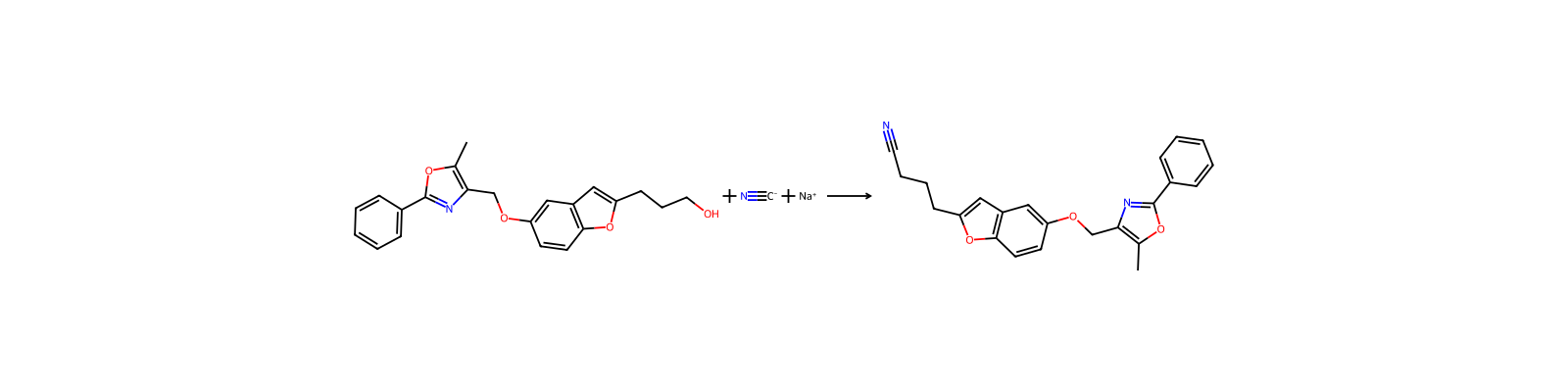
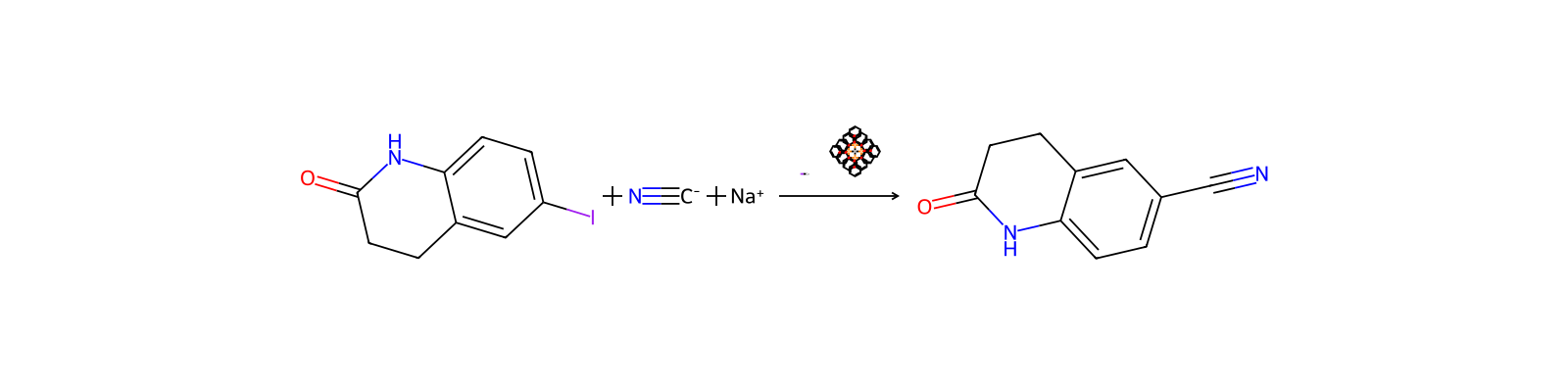
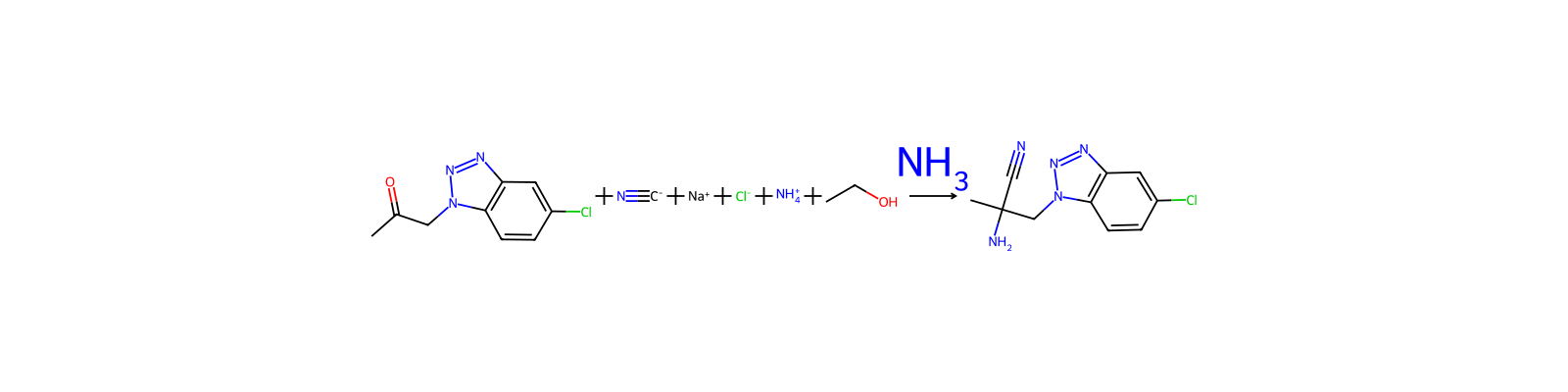
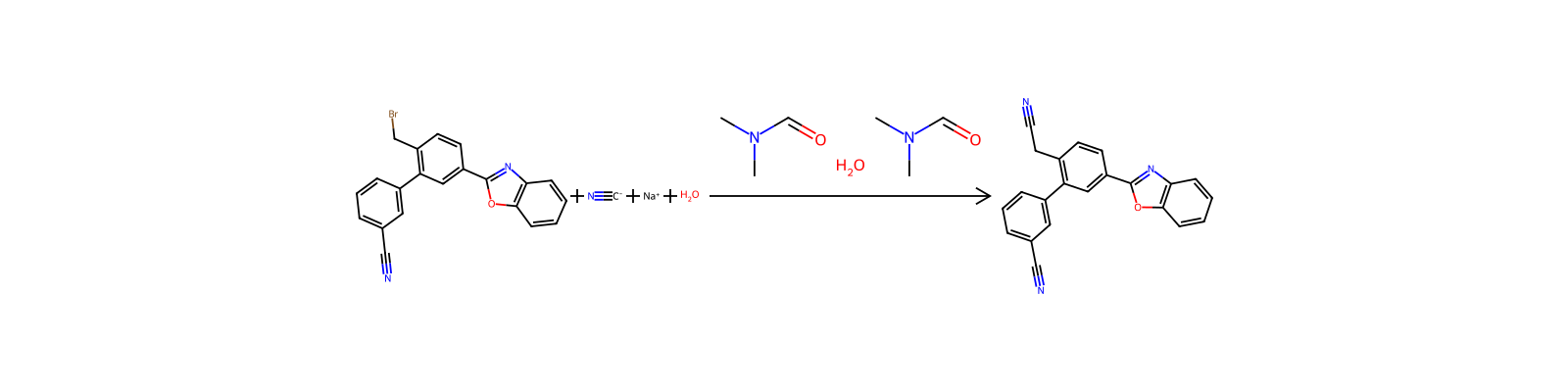
相关反应
3,176 条



关联笔记
加载中…