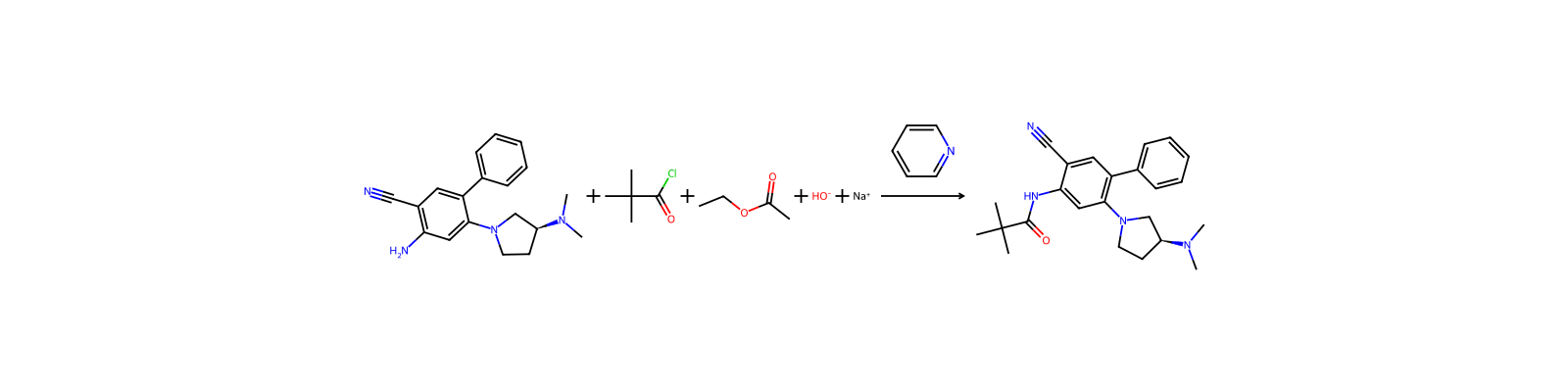
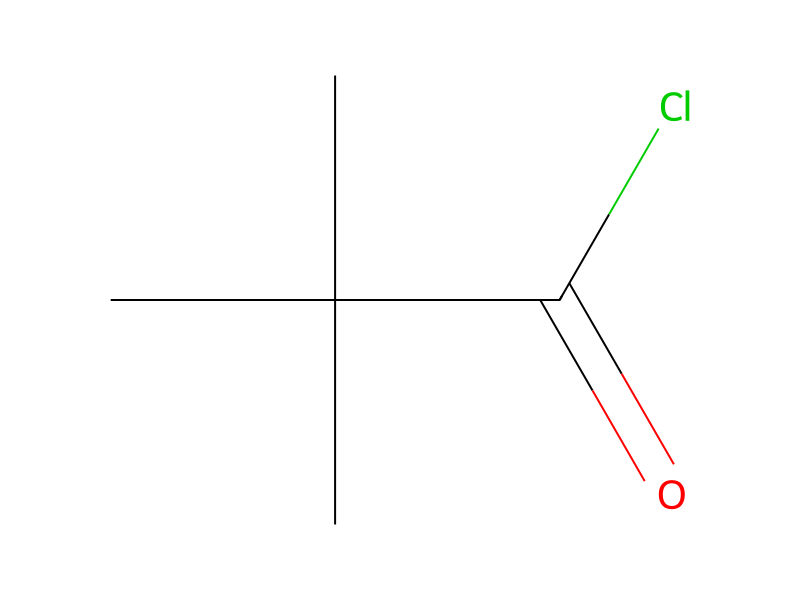
[NH2:1][C:2]1[CH:7]=[C:6]([N:8]2[CH2:12][CH2:11][C@H:10]([N:13]([CH3:15])[CH3:14])[CH2:9]2)[C:5]([C:16]2[CH:21]=[CH:20][CH:19]=[CH:18][CH:17]=2)=[CH:4][C:3]=1[C:22]#[N:23].[C:24](Cl)(=[O:29])[C:25]([CH3:28])([CH3:27])[CH3:26].C(OCC)(=O)C.[OH-].[Na+]>N1C=CC=CC=1>[C:22]([C:3]1[C:2]([NH:1][C:24](=[O:29])[C:25]([CH3:28])([CH3:27])[CH3:26])=[CH:7][C:6]([N:8]2[CH2:12][CH2:11][C@H:10]([N:13]([CH3:14])[CH3:15])[CH2:9]2)=[C:5]([C:16]2[CH:17]=[CH:18][CH:19]=[CH:20][CH:21]=2)[CH:4]=1)#[N:23]4-Amino-6-[(3S)-3-(dimethylamino)pyrrolidin-1-yl]biphenyl-3-carbonitrile (I-243) (300 mg, 0.98 mmol) was dissolved in pyridine (3 ml), and under nitrogen atmosphere at room temperature, pivaloyl chloride (181 μl, 1.47 mmol) was added. After stirring at room temperature for 3 days, the reaction liquid was fractionated with ethyl acetate and aqueous 1 M sodium hydroxide solution. The organic layer was washed with saturated brine, then dried over anhydrous sodium sulfate. The insoluble matter was separated by filtration, then the solvent was evaporated away and the resulting residue was purified by middle-pressure liquid chromatography (eluent, chloroform:methanol=98:2) to obtain the entitled compound (364 mg, 95%) as a pale yellow gel.