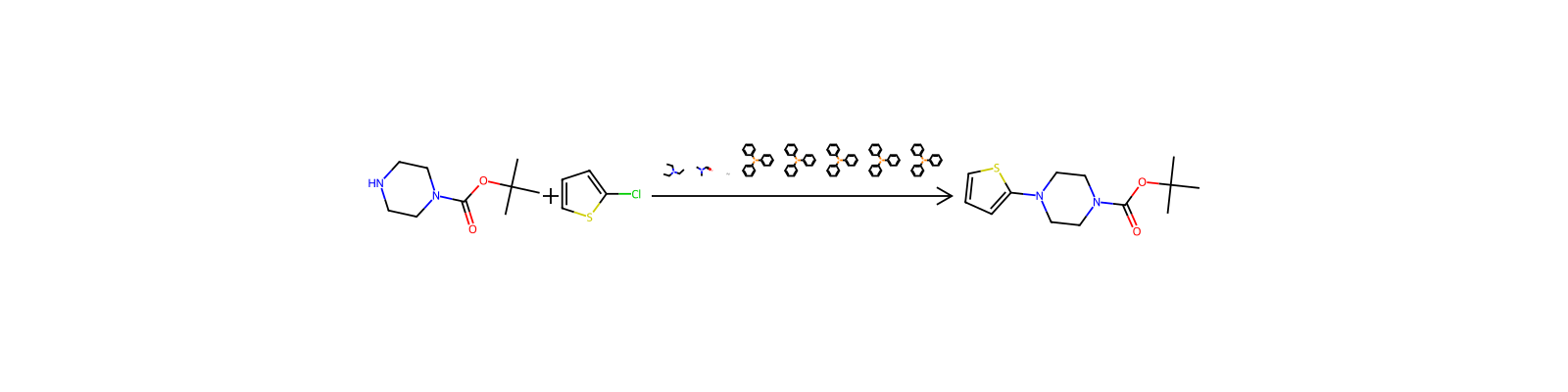
HRID 302As catalyst
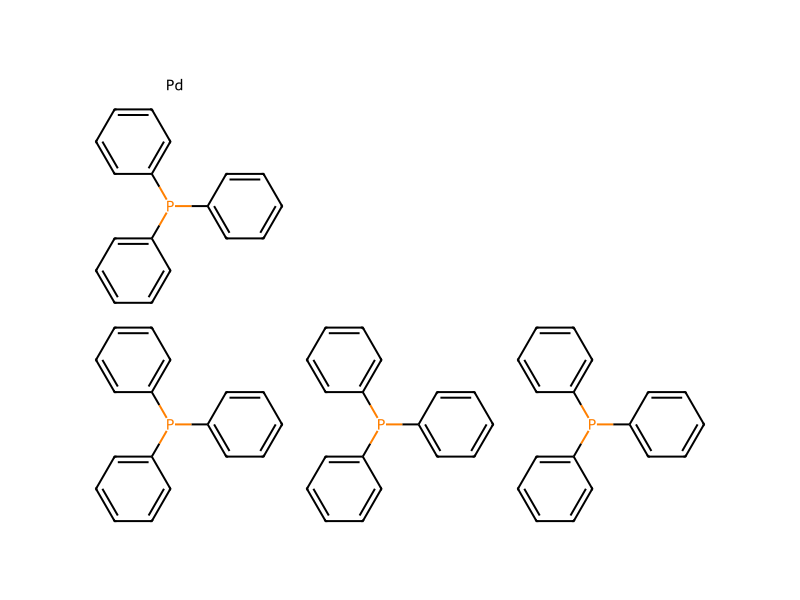
14221-01-3[Pd].c1ccc(P(c2ccccc2)c2ccccc2)cc1.c1ccc(P(c2ccccc2)c2ccccc2)cc1.c1ccc(P(c2ccccc2)c2ccccc2)cc1.c1ccc(P(c2ccccc2)c2ccccc2)cc1NFHFRUOZVGFOOS-UHFFFAOYSA-NTetrakis(triphenylphosphine)palladium(0) is a coordination complex of palladium. It is widely used as a catalyst for coupling reactions. Palladium is a chemical element with the chemical symbol Pd and an atomic number of 46. It is found as a free metal alloyed with gold and other platinum group metals and in the rare minerals cooperite and polarite. (L794, L806)
Safety information is for reference only and does not replace the supplier’s Safety Data Sheet (SDS), applicable regulations, or professional assessment.
This chemical does not meet GHS hazard criteria for 0.5% (1 of 193) of reports.
Warning
H302 (83.9%): Harmful if swallowed [Warning Acute toxicity, oral]
P261, P264, P270, P272, P273, P280, P301+P317, P302+P352, P321, P330, P333+P317, P362+P364, and P501 (click each P-code to see the statement)
Aggregated GHS information provided per 193 reports by companies from 11 notifications to the ECHA C&L Inventory. Each notification may be associated with multiple companies.
Chemical: Palladium, tetrakis(triphenylphosphine)-, (T-4)-
REACH registered substance: Tetrakis(triphenylphosphine)palladium (EC: 238-086-9)
Palladium, tetrakis(triphenylphosphine)-, (T-4)-: Does not have an individual approval but may be used under an appropriate group standard
Palladium may be absorbed through oral, dermal, and inhalation exposure. Once in the body it distributes to the kidney, liver, spleen, lymph nodes, adrenal gland, lung and bone. Palladium's ability to form complexes allows it the bind to amino acids, proteins, DNA, and other macromolecules. Palladium and its metabolites are excreted in the urine and faeces. (A21)
UsesTetrakis(triphenylphosphine)palladium(0) is widely used as a catalyst for palladium-catalyzed coupling reactions.
UsesPd(PPh3)4 is widely used as a catalyst for palladium-catalyzed coupling reactions. Prominent applications include the Heck reaction, Suzuki coupling, Stille coupling, Sonogashira coupling, and Negishi coupling.
PreparationIt can be prepared by reduction of PdCl₂(PPh₃)₂ with hydrazine or by reaction of Pd₂(dba)₃ with triphenylphosphine (PPh₃).
14221-01-3DTXSID9065732Due to their ability to form strong complexes with both inorganic and organic ligands, palladium ions can disturb cellular equilibria, replace other essential ions, and interact with functional groups of macromolecules, such as proteins or DNA. Palladium complexes binding to DNA and RNA leads to strand breakage. Palladium ions are able to inhibit most major cellular functions, including DNA and RNA synthesis. Palladium compounds have been shown to bind to and inhibit various enzymes, including creatine kinase and prolyl hydroxylase. (L798)