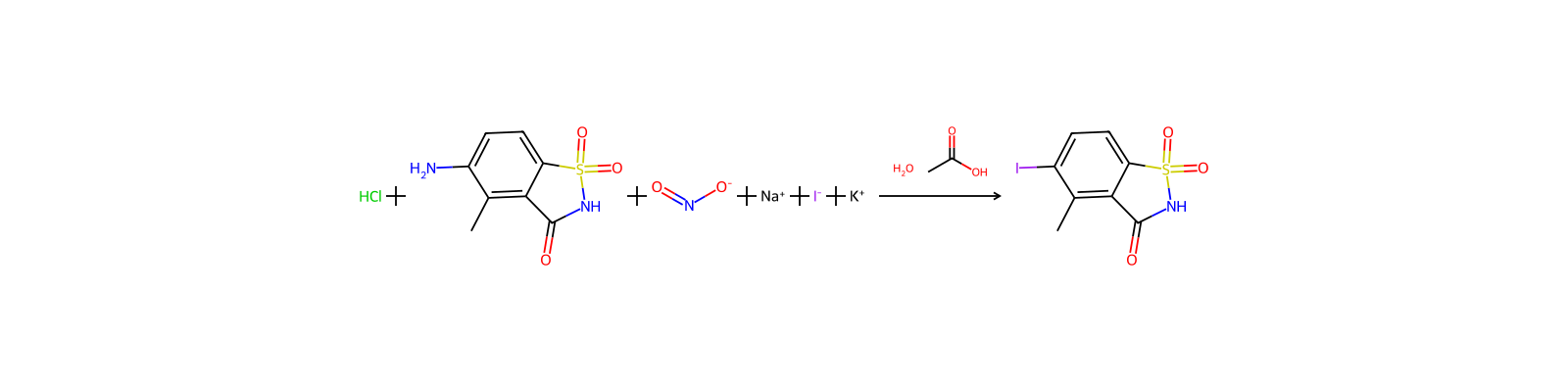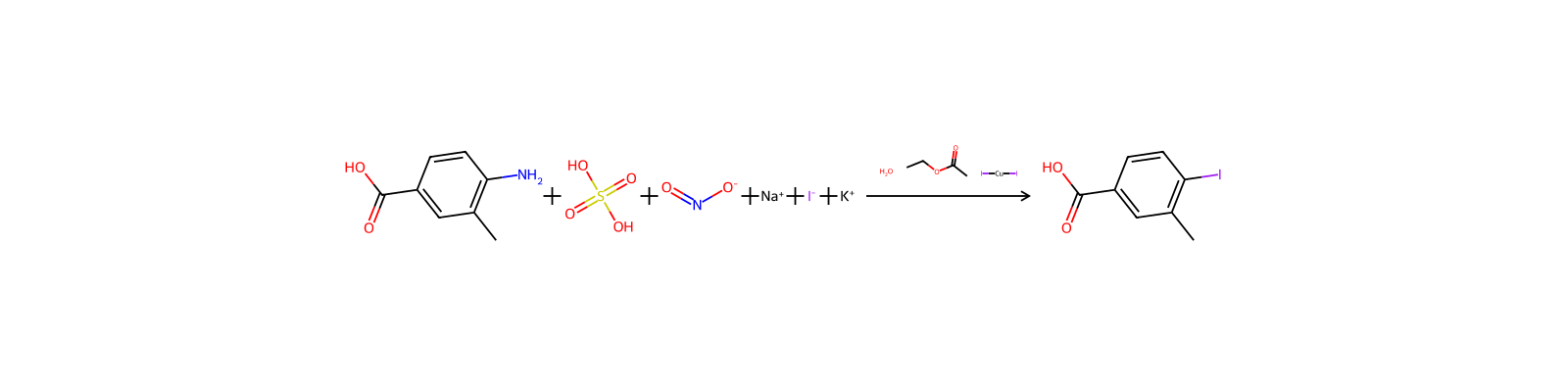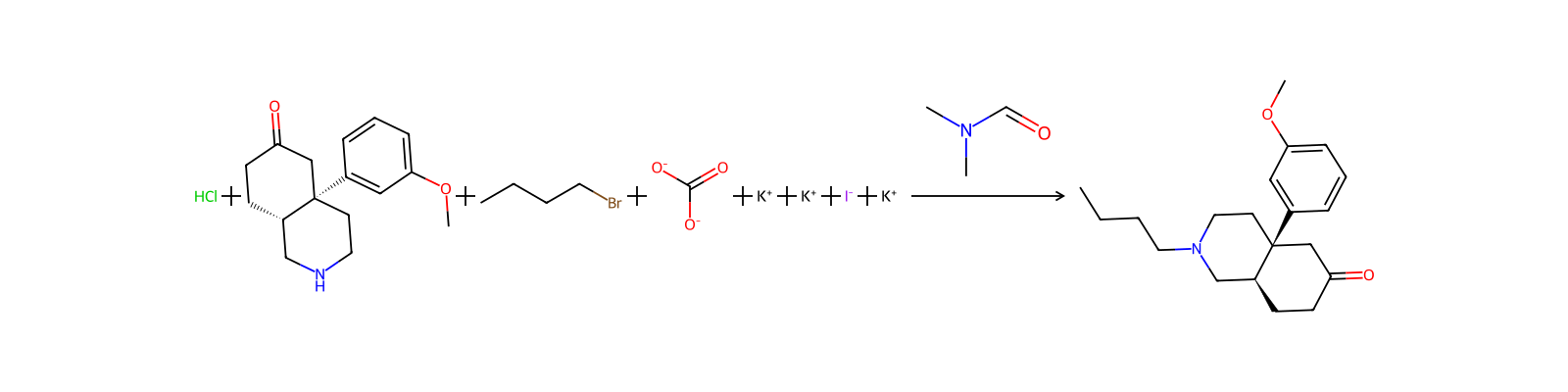
HRID 783As reactant

7681-11-0[I-].[K+]NLKNQRATVPKPDG-UHFFFAOYSA-MPotassium iodide is an odorless white solid. Sinks and mixes with water. (USCG, 1999)
7681-11-0DTXSID7034836CHEMBL1141CHEBI:8346Plastics -> Other stabilisers
Plastics -> N.a.
Fungicides
Active substance -> EU Pesticides database: Not approved
3.13 at 59 °F (USCG, 1999) - Denser than water; will sink
3.12 g/cu cm
3.13 @25 °C
Colorless or white, cubical crystals, white granules, or powder
Safety information is for reference only and does not replace the supplier’s Safety Data Sheet (SDS), applicable regulations, or professional assessment.
This chemical does not meet GHS hazard criteria for 13% (94 of 721) of reports.
Danger
H302 (16.2%): Harmful if swallowed [Warning Acute toxicity, oral]
P233, P260, P261, P264, P264+P265, P270, P271, P272, P273, P280, P284, P301+P317, P302+P352, P304+P340, P305+P351+P338, P319, P321, P330, P332+P317, P333+P317, P337+P317, P342+P316, P362+P364, P391, P403, and P501 (click each P-code to see the statement)
Aggregated GHS information provided per 721 reports by companies from 53 notifications to the ECHA C&L Inventory. Each notification may be associated with multiple companies.
Danger
Chemical: Potassium iodide (KI)
Commission Regulation (EU) No 188/2011
Potassium iodide (KI) is listed on the EPA's Chemical Data Reporting (CDR) system. Manufacturers and importers of Potassium iodide (KI) are required to report information about their production and use of this chemical to the EPA under the Toxic Substances Control Act (TSCA). (40 eCFR Part 711)
05/751/EC, Reg. (EU) No 116/2014
REACH registered substance: Potassium iodide (EC: 231-659-4)
Potassium iodide: Does not have an individual approval but may be used under an appropriate group standard
A skin and eye irritant; [CAMEO] Emergency treatment: Iodides; After ingestion, hypersensitivity reactions, e.g., angioedema and urticaria, may occur; Chronic ingestion may cause various skin diseases, goiter, hypothyroidism, and congenital thyroid effects; [HSDB] May cause sensitization by skin contact; [Quick CPC] See Iodine for the TLV of Iodides.
S - Sensory organs
R - Respiratory system
V - Various
QV - Various
QR - Respiratory system
QS - Sensory organs
It works in the thyroid gland. By inhibiting thyroid hormone synthesis and release, thyroid gland vascularity is reduced, thyroid gland tissue becomes firmer, thyroid cell size is reduced, follicular colloid reaccumulates, and bound iodine levels increase. As a protectant following radiation exposure, KI blocks the uptake of radioactive iodine isotopes by the thyroid gland thereby minimizing the risk of radiation-induced thyroid neoplasms.
In hyperthyroid patients, potassium iodide produces rapid remission of symptoms by inhibiting the release of thyroid hormone into the circulation. The effects of potassium iodide on the thyroid gland include reduction of vascularity, a firming of the glandular tissue, shrinkage of the size of individual cells, reaccumulation of colloid in the follicles, and increases in bound iodine. These actions may facilitate thyroidectomy when the medication is given prior to surgery.
When administered prior to and following administration of radioactive isotopes and in radiation emergencies involving the release of radioactive iodine, potassium iodide protects the thyroid gland by blocking the thyroidal uptake of radioactive isotopes of iodine.
The mechanism of action of potassium iodide's antifungal activity against Sporothix schenckii has not been determined. Potassium iodide does not appear to increase monocyte or neutrophil killing of S. schenckii in in vitro studies. However, exposure of the yeast form of S. schenckii to various concentrations of iodine (iodine and potassium iodide solution) has resulted in rapid cell destruction.
Potassium iodide is thought to act as an expectorant by increasing respiratory tract secretions and thereby decreasing the viscosity of mucous ...
When potassium iodide is administered simultaneously with radiation exposure, the protectant effect is approximately 97%. Potassium iodide given 12 and 24 hours before exposure yields a 90% and 70% protectant effect, respectively. However, potassium iodide administered 1 and 3 hours after exposure results in an 85% and 50% protectant effect, respectively. Potassium iodide administered more than 6 hours after exposure is thought to have a negligible protectant effect.
HEXAHEDRAL CRYSTALS, EITHER TRANSPARENT OR SOMEWHAT OPAQUE
Slightly soluble in ethanol
148 g/100 g water at 25 °C
127.5 g sol in 100 cc water at 0 °C; 1.88 g sol in 100 cc alcohol at 25 °C; 1.31 g sol in 100 cc acetone at 25 °C; sol in ether, ammonia
1 gram dissolves in 0.7 mL water, 0.5 mL boiling water; 51 mL absolute ethanol; 22 mL alcohol; 8 mL methanol; 75 mL acetone; 2 mL glycerol; about 2.5 mL glycol
FDA approved drugs -> Active ingredient
FDA approved drugs -> Active ingredient
Antifungal medicines
The Approved Drug Products with Therapeutic Equivalence Evaluations List identifies currently marketed over-the-counter drug products, incl potassium iodide, approved on the basis of safety and effectiveness by FDA under sections 505 of the Federal Food, Drug, and Cosmetic Act.
Potassium iodide is a food additive permitted for direct addition to food for human consumption, as long as 1) the quantity of the substance added to food does not exceed the amount reasonably required to accomplish its intended physical, nutritive, or other technical effect in food, and 2) any substance intended for use in or on food is of appropriate food grade and is prepared and handled as a food ingredient.
Substance added directly to human food affirmed as generally recognized as safe (GRAS).
Potassium iodide used as a nutrient and/or dietary supplement in animal drugs, feeds, and related products is generally recognized as safe when used in table salt as a source of dietary iodine in accordance with good manufacturing or feeding practice.
For more FDA Requirements (Complete) data for POTASSIUM IODIDE (6 total), please visit the HSDB record page.
Residues of the following chemical substances are exempted from the requirement of a tolerance when used in accordance with good manufacturing practice as ingredients in an antimicrobial pesticide formulation, provided that the substance is applied on a semi-permanent or permanent food-contact surface (other than being applied on food packaging) with adequate draining before contact with food. (a) The following chemical substances when used as ingredients in an antimicrobial pesticide formulation may be applied to: Food-contact surfaces in public eating places, dairy-processing equipment, and food-processing equipment and utensils. Potassium iodide is included on this list. Limit: When ready for use, the total end-use concentration of all iodide-producing chemicals in the solution is not to exceed 25 ppm of titratable iodine.
Residues of the following chemical substances are exempted from the requirement of a tolerance when used in accordance with good manufacturing practice as ingredients in an antimicrobial pesticide formulation, provided that the substance is applied on a semi-permanent or permanent food-contact surface (other than being applied on food packaging) with adequate draining before contact with food. ... (b) The following chemical substances when used as ingredients in an antimicrobial pesticide formulation may be applied to: Dairy processing equipment, and food-processing equipment and utensils. Potassium iodide is included on this list. Limit: When ready for use, the total end-use concentration of all iodide-producing chemicals in the solution is not to exceed 25 ppm of titratable iodine.
Residues of the following chemical substances are exempted from the requirement of a tolerance when used in accordance with good manufacturing practice as ingredients in an antimicrobial pesticide formulation, provided that the substance is applied on a semi-permanent or permanent food-contact surface (other than being applied on food packaging) with adequate draining before contact with food. ... (c) The following chemical substances when used as ingredients in an antimicrobial pesticide formulation may be applied to: Food-processing equipment and utensils. Potassium iodide is included on this list. Limit: When ready for use, the total end-use concentration of all iodide-producing chemicals in the solution is not to exceed 25 ppm of titratable iodine.
As the federal pesticide law FIFRA directs, EPA is conducting a comprehensive review of older pesticides to consider their health and environmental effects and make decisions about their future use. Under this pesticide reregistration program, EPA examines health and safety data for pesticide active ingredients initially registered before November 1, 1984, and determines whether they are eligible for reregistration. In addition, all pesticides must meet the new safety standard of the Food Quality Protection Act of 1996. Pesticides for which EPA had not issued Registration Standards prior to the effective date of FIFRA '88 were divided into three lists based upon their potential for human exposure and other factors, with List B containing pesticides of greater concern and List D pesticides of less concern. Potassium Iodide is found on List C. Case No: 3080; Pesticide type: fungicide, herbicide, antimicrobial; Case Status: OPP is reviewing data from the pesticide's producers regarding its human health and/or environmental effects, or OPP is determining the pesticide's eligibility for reregistration and developing the RED document.; Active ingredient (AI): potassium iodide; AI Status: The producers of the pesticide have made commitments to conduct the studies and pay the fees required for reregistration, and are meeting those commitments in a timely manner.
Acute Tox. 4 (16.2%)
Serious eye damage/eye irritation - Category 2B
Serious eye damage/eye irritation - Category 2B
SRP: The most favorable course of action is to use an alternative chemical product with less inherent propensity for occupational exposure or environmental contamination. Recycle any unused portion of the material for its approved use or return it to the manufacturer or supplier. Ultimate disposal of the chemical must consider: the material's impact on air quality; potential migration in soil or water; effects on animal, aquatic, and plant life; and conformance with environmental and public health regulations.
Residues of the following chemical substances are exempted from the requirement of a tolerance when used in accordance with good manufacturing practice as ingredients in an antimicrobial pesticide formulation, provided that the substance is applied on a semi-permanent or permanent food-contact surface (other than being applied on food packaging) with adequate draining before contact with food. (a) The following chemical substances when used as ingredients in an antimicrobial pesticide formulation may be applied to: Food-contact surfaces in public eating places, dairy-processing equipment, and food-processing equipment and utensils. Potassium iodide is included on this list. Limit: When ready for use, the total end-use concentration of all iodide-producing chemicals in the solution is not to exceed 25 ppm of titratable iodine.
Residues of the following chemical substances are exempted from the requirement of a tolerance when used in accordance with good manufacturing practice as ingredients in an antimicrobial pesticide formulation, provided that the substance is applied on a semi-permanent or permanent food-contact surface (other than being applied on food packaging) with adequate draining before contact with food. ... (b) The following chemical substances when used as ingredients in an antimicrobial pesticide formulation may be applied to: Dairy processing equipment, and food-processing equipment and utensils. Potassium iodide is included on this list. Limit: When ready for use, the total end-use concentration of all iodide-producing chemicals in the solution is not to exceed 25 ppm of titratable iodine.
Residues of the following chemical substances are exempted from the requirement of a tolerance when used in accordance with good manufacturing practice as ingredients in an antimicrobial pesticide formulation, provided that the substance is applied on a semi-permanent or permanent food-contact surface (other than being applied on food packaging) with adequate draining before contact with food. ... (c) The following chemical substances when used as ingredients in an antimicrobial pesticide formulation may be applied to: Food-processing equipment and utensils. Potassium iodide is included on this list. Limit: When ready for use, the total end-use concentration of all iodide-producing chemicals in the solution is not to exceed 25 ppm of titratable iodine.
9.4 [mg/m3]
100 [mg/m3]
620 [mg/m3]
Potassium iodide increased the toxic effect in selenium poisoning.
Concurrent use of captopril, enalapril, or lisinopril with potassium iodide may result in hyperkalemia; serum potassium concentrations should be monitored , however usual doses of potassium iodide used for radiation protection (i.e. up to 130 mg) contain negligible amounts of potassium and should not constitute a problem with ACE inhibitors.
Skin Sensitizer - An agent that can induce an allergic reaction in the skin.
Adverse effects are unlikely when KI is used at low doses and for a short time (less than two weeks). The most common side effects are on the digestive system, predominantly gastrointestinal intolerance and its bitter (metallic) taste; thus, the recommendation is to take it with juice or milk to protect against gastrointestinal irritation. However, significant side effects may occur when high doses are administered, especially for treating infectious skin disorders.
If iodide-induced hypothyroidism is detected, these changes are reversible by discontinuing the administration of KI. A study of 7 patients with iodide-induced hypothyroidism showed serum T4, T3, and TSH concentrations returned to normal within one month of iodide withdrawal.
/SIGNS AND SYMPTOMS/ Iodism (chronic iodine poisoning) may follow prolonged use; symptoms include metallic taste, sore mouth, swollen eyelids sneezing, skin eruptions, nausea, vomiting, epigastric pain, and diarrhea. ... angioedema, laryngeal edema, and cutaneous hemorrhages may occur.
/SIGNS AND SYMPTOMS/ ... Serum-sickness type of hypersensitivity, such as fever, arthralgia, lymph node enlargement, and eosinophilia, may appear. Thromobotic thrombocytopenic purpura and fatal periarteritis nodosa attributed to hypersensitivity to iodide ... described. /Iodide preparations/
/SIGNS AND SYMPTOMS/ In a small proportion of individuals given large doses of iodide for long periods ... thyroid gland shows hyperplasia & is depleted of stores of iodine. Thyroid hormone corrects hypothyroidism and causes goiter to subside ... /Iodide preparation/
/SIGNS AND SYMPTOMS/ Hypersensitivity reactions to iodides may occur and may be manifested by angioedema, cutaneous and mucosal hemorrhage, and signs and symptoms resembling serum sickness, such as fever, arthralgia, lymph node enlargement, and eosinophilia. Urticaria, thrombotic thrombocytopenic purpura, and fatal periarteritis have also been attributed to iodide hypersensitivity. Hypocomplementemic vasculitis in some patients with chronic urticaria or systemic lupus erythematosus has been associated with iodide sensitivity, and some clinicians caution that potassium iodide may precipitate severe systemic illness in such patients. Jodbasedow or iodine-induced thyrotoxicosis may occur with low doses of iodides (i.e., less than 25 mg of iodine daily); this effect is uncommon in the US but more frequent in areas with endemic iodine deficiency.
For more Human Toxicity Excerpts (Complete) data for POTASSIUM IODIDE (6 total), please visit the HSDB record page.
/LABORATORY ANIMALS: Acute Exposure/ Testing of potassium iodide on rabbit eyes by injection of 3% solution into cornea has caused only slight reaction, graded 17 on a scale of 0-100. /KI solution/
/LABORATORY ANIMALS: Developmental or Reproductive Toxicity/ In female minks fed a basal diet supplemented with either 0, 10, 100, or 1000 ppm KI, gestational periods were shorter than controls. Only 2.1 kits/female mated were whelped by mink fed 100 ppm KI and none of females that received 1000 ppm KI whelped.
/GENOTOXICITY/ Oral administration of KI to pregnant rats produced significant chromosomal aberrations in embryonic liver cells, especially during days 7-14 of pregnancy.
While data specific to potassium iodide were not located(SRC, 2006), the literature suggests that some pharmaceutically active compounds originating from human and veterinary therapy are not eliminated completely in municipal sewage treatment plants and are therefore discharged into receiving waters(1). Wastewater treatment processes often were not designed to remove them from the effluent(2). Selected organic waste compounds may be degrading to new and more persistent compounds that may be released instead of or in addition to the parent compound(2). Studies have indicated that several polar pharmaceutically active compounds can leach through subsoils into aquifers(1).
Basic treatment: Establish a patent airway. Suction if necessary. Watch for signs of respiratory insufficiency and assist ventilations if needed. Administer oxygen by nonrebreather mask at 10 to 15 L/min. Monitor for pulmonary edema and treat if necessary ... . Monitor for shock and treat if necessary ... . Anticipate seizures and treat if necessary ... . For eye contamination, flush eyes immediately with water. Irrigate each eye continuously with normal saline during transport ... . Do not use emetics. For ingestion, rinse mouth and administer 5 ml/kg up to 200 ml of water for dilution if the patient can swallow, has a strong gag reflex, and does not drool ... . Cover skin burns with dry sterile dressings after decontamination ... . /Poison A and B/
Advanced treatment: Consider orotracheal or nasotracheal intubation for airway control in the patient who is unconscious, has severe pulmonary edema, or is in respiratory arrest. Positive pressure ventilation techniques with a bag valve mask device may be beneficial. Monitor cardiac rhythm and treat arrhythmias as necessary ... . Start an IV with D5W /SRP: "To keep open", minimal flow rate/. Use lactated Ringer's if signs of hypovolemia are present. Watch for signs of fluid overload. Consider drug therapy for pulmonary edema ... . For hypotension with signs of hypovolemia, administer fluid cautiously. Watch for signs of fluid overload ... . Treat seizures with diazepam (Valium) ... . Use proparacaine hydrochloride to assist eye irrigation ... . /Poison A and B/
The Approved Drug Products with Therapeutic Equivalence Evaluations List identifies currently marketed over-the-counter drug products, incl potassium iodide, approved on the basis of safety and effectiveness by FDA under sections 505 of the Federal Food, Drug, and Cosmetic Act.
Potassium iodide is a food additive permitted for direct addition to food for human consumption, as long as 1) the quantity of the substance added to food does not exceed the amount reasonably required to accomplish its intended physical, nutritive, or other technical effect in food, and 2) any substance intended for use in or on food is of appropriate food grade and is prepared and handled as a food ingredient.
Substance added directly to human food affirmed as generally recognized as safe (GRAS).
Potassium iodide used as a nutrient and/or dietary supplement in animal drugs, feeds, and related products is generally recognized as safe when used in table salt as a source of dietary iodine in accordance with good manufacturing or feeding practice.
For more FDA Requirements (Complete) data for POTASSIUM IODIDE (6 total), please visit the HSDB record page.
Residues of the following chemical substances are exempted from the requirement of a tolerance when used in accordance with good manufacturing practice as ingredients in an antimicrobial pesticide formulation, provided that the substance is applied on a semi-permanent or permanent food-contact surface (other than being applied on food packaging) with adequate draining before contact with food. (a) The following chemical substances when used as ingredients in an antimicrobial pesticide formulation may be applied to: Food-contact surfaces in public eating places, dairy-processing equipment, and food-processing equipment and utensils. Potassium iodide is included on this list. Limit: When ready for use, the total end-use concentration of all iodide-producing chemicals in the solution is not to exceed 25 ppm of titratable iodine.
Residues of the following chemical substances are exempted from the requirement of a tolerance when used in accordance with good manufacturing practice as ingredients in an antimicrobial pesticide formulation, provided that the substance is applied on a semi-permanent or permanent food-contact surface (other than being applied on food packaging) with adequate draining before contact with food. ... (b) The following chemical substances when used as ingredients in an antimicrobial pesticide formulation may be applied to: Dairy processing equipment, and food-processing equipment and utensils. Potassium iodide is included on this list. Limit: When ready for use, the total end-use concentration of all iodide-producing chemicals in the solution is not to exceed 25 ppm of titratable iodine.
Residues of the following chemical substances are exempted from the requirement of a tolerance when used in accordance with good manufacturing practice as ingredients in an antimicrobial pesticide formulation, provided that the substance is applied on a semi-permanent or permanent food-contact surface (other than being applied on food packaging) with adequate draining before contact with food. ... (c) The following chemical substances when used as ingredients in an antimicrobial pesticide formulation may be applied to: Food-processing equipment and utensils. Potassium iodide is included on this list. Limit: When ready for use, the total end-use concentration of all iodide-producing chemicals in the solution is not to exceed 25 ppm of titratable iodine.
As the federal pesticide law FIFRA directs, EPA is conducting a comprehensive review of older pesticides to consider their health and environmental effects and make decisions about their future use. Under this pesticide reregistration program, EPA examines health and safety data for pesticide active ingredients initially registered before November 1, 1984, and determines whether they are eligible for reregistration. In addition, all pesticides must meet the new safety standard of the Food Quality Protection Act of 1996. Pesticides for which EPA had not issued Registration Standards prior to the effective date of FIFRA '88 were divided into three lists based upon their potential for human exposure and other factors, with List B containing pesticides of greater concern and List D pesticides of less concern. Potassium Iodide is found on List C. Case No: 3080; Pesticide type: fungicide, herbicide, antimicrobial; Case Status: OPP is reviewing data from the pesticide's producers regarding its human health and/or environmental effects, or OPP is determining the pesticide's eligibility for reregistration and developing the RED document.; Active ingredient (AI): potassium iodide; AI Status: The producers of the pesticide have made commitments to conduct the studies and pay the fees required for reregistration, and are meeting those commitments in a timely manner.
Although eliminated chiefly by the kidneys, it can also be found in saliva, tears, sweat, & milk. ... Some of retained iodine is stored in the thyroid & incorporated into thyroxine.
The iodide ion is excreted in part by bronchi.
Potassium iodide is distributed into /human/ breast milk ...
Used as a medication (for thyroid disorders and as an expectorant and antifungal agent); an iodine supplement in salt, water, and animal feeds; a deodorant for manure; and a chemical for photographic emulsions; [HSDB] Used in holography; [www.ci.tucson.az.us/arthazards/medium.html]
Photographic Processing [Category: Other]
For Potassium Iodide (USEPA/OPP Pesticide Code: 075701) ACTIVE products with label matches. /SRP: Registered for use in the U.S. but approved pesticide uses may change periodically and so federal, state and local authorities must be consulted for currently approved uses./
Manufacture of photographic emulsions; in animal and poultry feeds to the extent of 10-30 parts per million; in table salt as a source of iodine and in some drinking water; also in analytical chemistry.
Photography (precipitating silver); spectroscopy; infrared transmission; scintillation.
In treatment of hyperthyroidism /Lugol's solution/
Impurities: sulfates and heavy metals
Typically less than 1 ppm H2O-OH in 99.9995% purity, ultradry grades
(1977) No Data
(1979) No Data
(1987) No Data
(1977) 3.18X10+7 G
(1979) 3.15X10+7 G
(1985) 3.03x10+7 g
2023: 1,000,000 - <2,500,000 lb
(1977) 7.15X10+8 G
(1979) 8.42X10+8 G
(1985) 7.08x10+8 g
(1994) 10 thousand-500 thousand pounds
(1998) 10 thousand-500 thousand pounds
Prepd from HI and KHCO3. Purification by melting in dry hydrogen ... Continuous electrolytic process for large scale industrial prepn: Morylott, Elkins, US Patent 29899450 (1961 to Dow).
A hot aqueous solution of potassium hydroxide is treated with iodine ... to form mixture of KI & potassium iodate. Solution is concentrated by heating ... then an excess of powdered charcoal is added ... Mixture is evaporated to dryness, then ignited. Charcoal ... reduces iodate to iodide and all of the iodine is thus obtained as potassium iodide.
...Prepared by first forming ferrosoferric iodide through reaction between iron wire and iodine in presence of water. A solution of pure potassium carbonate ... added until solution is faintly alkaline, boiled for few moments, and filtered; filtrate is concentrated and set aside to crystallize. KI ... is crystallized from an alkaline solution...
... Most USA production involves absorption of iodine in KOH. Approximately 80 wt % of the potassium iodate ... crystallizes from the reaction mixture and is separated for sale. Of the remainder, 90 wt % is removed by evaporation, fusion, and heating to about 600 °C. The iodate is a poison /and/ ... must be completely removed frequently by a final reduction with carbon. After re-solution in water, further purification is carried out before recrystallization. Iron, barium, carbonate, and hydrogen sulfide are used to effect precipitation of sulfates and heavy metals.
Made by (1) Reaction of HI & KCl, followed by distillation of HCl, (2) Reaction of iodine with KOH or K2CO3 in solution, (3) Reaction of ferrous/ferric iodide with K2CO3, and (4) Evaporation of natural brines
Oral: Solution: 249 mg (of iodide) per 5 mL Pima Syrup, (Fleming), 1 g/mL SSKI, (Upsher-Smith) Tablets: 65 mg Thyro-Safe (scored), (Recip US); 130 mg Iosat, (Anbec). Thyro-Block (scored), (MedPointe).
Available in 99.9995% purity, ultradry grades; 45% solution
Cosmetics -> Antimicrobial
Plastics -> Polymer Type -> N.a.
Plastics -> Other stabilisers
Plastics Material and Resin Manufacturing
Potassium iodide (KI): ACTIVE
Potassium Iodide of commerce contains about 99.5% KI.
Incompatibilities: Alkaloidal salts, chlorate hydrate, tartaric and other acids, calomel, potassium chlorate, metallic salts.
VET: Potassium iodide contains 76.45% iodine & 23.55% potassium. ...iodized salt usually contains about 0.007% iodine or about 0.01% potassium iodide. Adequate use of such salt in feed rations assures adequate iodine intake for normal nutritional needs but not necessarily for therapy.
OccurrencePotassium iodide is found in seaweed. Some important applications of this compound involve its use in pharmaceuticals and as a source of iodine in food,especially in animal and poultry feed. Potassium iodide is added to table salt to provide iodine in human food.Another major use is in making photographic emulsions. In analytical chemistry, potassium iodide is used in iodometric titration with starch indicator to analyze dissolved oxygen, dissolved chlorine, sulfide, and other analytes in water.
UsesPotassium Iodide is a source of iodine and a nutrient and dietary supplement. it exists as crystals or powder and has a solubility of 1 g in 0.7 ml of water at 25°c. it is included in table salt for the preven- tion of goiter.Potassium Iodide is used primarily used in the treatment of radiation poisoning due to environmental contamination by iodine-131. It is also manufacture of photographic emulsions; in animal and poultry feeds to the extent of 10-30 parts per million; in table salt as a source of iodine and in some drinking water; also In animal chemistry. In medicine,potassium iodide is used to regulate the thyroid gland.
General DescriptionPotassium iodide is an odorless white solid. Sinks and mixes with water. (USCG, 1999)
PreparationPotassium iodide is made by absorption of iodine in potassium hydroxide:I2 + 6KOH → 5KI + KIO3 + 3H2OMost potassium iodate, KIO3 , is separated from the product mixture by crystallization and filtration. Remaining iodates are removed by evaporation of the solution and other processes, such as carbon reduction or thermal decompostion at 600oC to iodide:2KIO3 → 2KI + 3O2Another method of preparation that does not involve the formation of iodate is by treating iron turnings with iodine solution. The product, ferrosoferric iodide, Fe3I816H2O, is boiled with 15 wt% potassium carbonate solution: Fe3I8.16H2O + 4K2CO3 → 8 KI + 4CO2 + Fe3O4 + 16H2OA similar method is used to prepare potassium bromide, discussed earlier (see Potassium Bromide.)Potassium iodide can be prepared by reacting hydriodic acid with potassium bicarbonate:HI + KHCO3 → KI + CO2 + H2OIt is purified by melting in dry hydrogen.Potassium iodide also may be obtained by various electrolytic processes.
DefinitionChEBI: Potassium iodide is a metal iodide salt with a K(+) counterion. A compound that contains pentavalent iodine, which is usually ionically bound to electropositive atoms. It is a scavenger of hydroxyl radicals. It has a role as a radical scavenger and an expectorant. It contains an iodide. It is a type of iodine that is not radioactive and can be used to help block one type of radioactive material, radioactive iodine (I-131), from being absorbed by the thyroid.