
HRID 5591As product
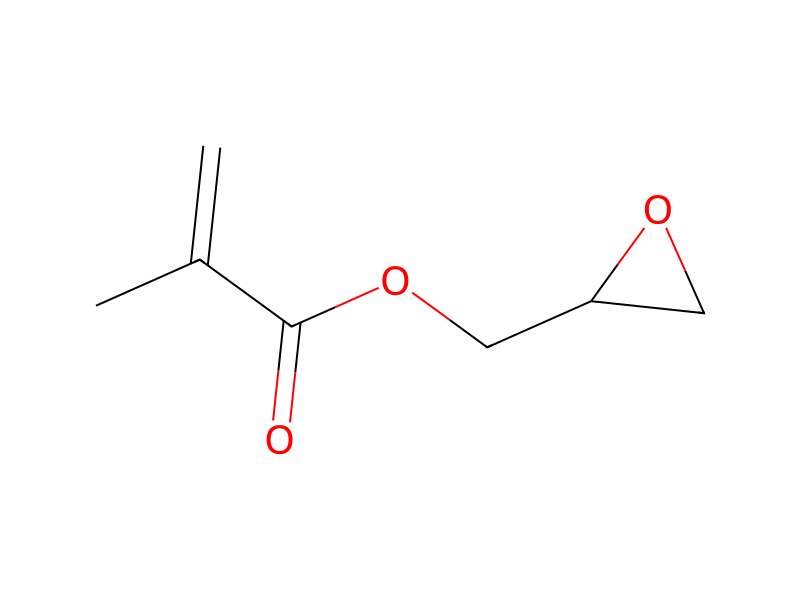
106-91-2C=C(C)C(=O)OCC1CO1VOZRXNHHFUQHIL-UHFFFAOYSA-NGlycidyl Methacrylate can cause cancer according to California Labor Code.
106-91-2、25067-05-41.073 at 68 °F (USCG, 1999) - Denser than water; will sink
1.07 g/cu cm @ 25 °C
Relative density (water = 1): 1.08
5 to 10 mg/mL at 68 °F (NTP, 1992)
Very soluble in benzene, ethyl ether, ethyl alcohol
Solubility in water, g/100ml at 25 °C: 5 (moderate)
181 °F (NTP, 1992)
84 °C (Tag open cup)
372 °F at 760 mmHg (NTP, 1992)
189 °C
189 °C
Safety information is for reference only and does not replace the supplier’s Safety Data Sheet (SDS), applicable regulations, or professional assessment.
Danger
H302: Harmful if swallowed [Warning Acute toxicity, oral]
P203, P260, P261, P262, P264, P264+P265, P270, P271, P272, P280, P301+P317, P301+P330+P331, P302+P352, P302+P361+P354, P304+P340, P305+P354+P338, P316, P317, P318, P319, P321, P330, P333+P317, P361+P364, P362+P364, P363, P403+P233, P405, and P501 (click each P-code to see the statement)
This chemical does not meet GHS hazard criteria for < 0.1% (1 of 1165) of reports.
Danger
H302+H332 (37.9%): Harmful if swallowed or if inhaled [Warning Acute toxicity, oral; acute toxicity, inhalation]
Chemical: 2-Propenoic acid, 2-methyl-, oxiranylmethyl ester
Hazard Traits - Carcinogenicity; Reproductive Toxicity
2-Propenoic acid, 2-methyl-, 2-oxiranylmethyl ester is listed on the EPA's Chemical Data Reporting (CDR) system. Manufacturers and importers of 2-Propenoic acid, 2-methyl-, 2-oxiranylmethyl ester are required to report information about their production and use of this chemical to the EPA under the Toxic Substances Control Act (TSCA). (40 eCFR Part 711)
REACH registered substance: 2,3-epoxypropyl methacrylate (EC: 203-441-9)
Glycidyl methacrylate: Does not have an individual approval but may be used under an appropriate group standard
Special Hazards of Combustion Products: Irritating vapors are generated when heated (USCG, 1999)
Combustible. Above 61 °C explosive vapour/air mixtures may be formed.
Chemical intermediate for polymers; monomer and diluent in epoxy resin formulations; [HSDB] Used in Japan as an intermediate for resins and other chemicals; Also used in emulsions for impregnating paper and textiles, in paint coatings, and adhesive applications; [OECD SIDS: Glycidyl methacrylate - 1999]
Pulp and Paper Processing [Category: Industry]
CHEM INT FOR POLYMERS; MONOMER & DILUENT IN EPOXY RESIN FORMULATIONS.
In hydrogel lenses.
In BIS-GMA dental resin.
Adhesion promotion/crosslinking comonomer (acrylic/vinyl resins)
2023: 10,000,000 - <50,000,000 lb
(1972) GREATER THAN 4.54X10+5 G
(1975) GREATER THAN 4.54X10+5 G
REACTION OF METHACRYLIC ACID WITH GLYCIDOL
The methacrylates can be synthesized by catalytic oxidation of isobutylene and subsequent esterification with the appropriate alcohol, or by reacting acetone with hydrocyanic acid and subsequent esterification in sulfuric acid with the appropriate alcohol. /Methacrylic esters/
Epichlorohydrin + methacrylic acid (esterification)
Grades or purity: Technical: 92%
Inhibitor of polymerization: Hydroquinone monomethyl ether: 50 ppm




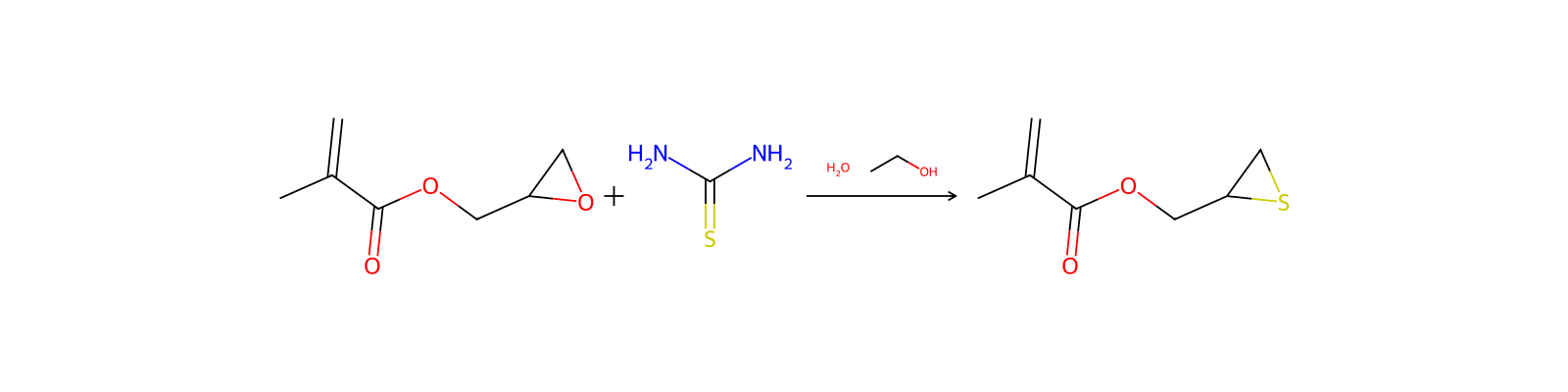


DTXSID0025361CHEMBL1333073CHEBI:132844Allergic contact dermatitis reported in workers using anaerobic sealants; [Kanerva, p. 1741] Liquid causes first degree burns on short exposure. [CHRIS] Glycidyl methacrylate is a skin irritant. [Quick CPC] Causes labored breathing and corneal injuries in lethal concentration studies; [AIHA] May polymerize on exposure to heat or light; A severe skin, eye, and respiratory tract irritant; Can cause burns to skin and eyes; May cause skin sensitization; [ICSC] Reports of allergic contact dermatitis in adhesive sealant manufacturing employees and one chemist; [OECD SIDS: Glycidyl methacrylate - 1999] Exposure to monomer is not expected in handling polymerized products; [IARC monograph volume 125]
Pursuant to section 8(d) of TSCA, EPA promulgated a model Health and Safety Data Reporting Rule. The section 8(d) model rule requires manufacturers, importers, and processors of listed chemical substances and mixtures to submit to EPA copies and lists of unpublished health and safety studies. Glycidyl methacrylate is included on this list.
Fires involving this chemical can be controlled using a dry chemical, carbon dioxide or Halon extinguisher. (NTP, 1992)
Use dry powder, carbon dioxide, foam. In case of fire: keep drums, etc., cool by spraying with water.
Fresh air, rest. Half-upright position. Refer for medical attention.
Remove contaminated clothes. Rinse skin with plenty of water or shower. Refer for medical attention .
First rinse with plenty of water for several minutes (remove contact lenses if easily possible), then refer for medical attention.
Rinse mouth. Do NOT induce vomiting. Give one or two glasses of water to drink. Refer for medical attention .
EYES: First check the victim for contact lenses and remove if present. Flush victim's eyes with water or normal saline solution for 20 to 30 minutes while simultaneously calling a hospital or poison control center. Do not put any ointments, oils, or medication in the victim's eyes without specific instructions from a physician. IMMEDIATELY transport the victim after flushing eyes to a hospital even if no symptoms (such as redness or irritation) develop.
Store only if stabilized. Cool. Well closed. Keep in the dark. Separated from strong oxidants, strong bases and strong acids. Separated from food and feedstuffs. Store in an area without drain or sewer access. Provision to contain effluent from fire extinguishing.
Temp during storage must be kept low to minimize formation of peroxides and other oxidation products. ... Storage temp below 30 °C are recommended for the polyfunctional methacrylates. ... The methacrylate monomers should not be stored for longer than one year. Shorter storage times are recommended for the aminomethacrylates, ie, three months, and the polyfunctional methacrylates, ie, six months. Many of these cmpd are sensitive to UV light and should, therefore, be stored in the dark. The methacrylic esters may be stored in mild steel, stainless steel, or aluminum. /Methacrylic acid & derivatives/
SMALL SPILLS AND LEAKAGE: If you spill this chemical, use absorbent paper to pick up all liquid spill material. Your contaminated clothing and absorbent paper should be sealed in a vapor-tight plastic bag for eventual disposal. Solvent wash all contaminated surfaces with alcohol followed by washing with a strong soap and water solution. Do not reenter the contaminated area until the Safety Officer (or other responsible person) has verified that the area has been properly cleaned.
SRP: At the time of review, criteria for land treatment or burial (sanitary landfill) disposal practices are subject to significant revision. Prior to implementing land disposal of waste residue (including waste sludge), consult with environmental regulatory agencies for guidance on acceptable disposal practices.
Personal protection: filter respirator for organic gases and vapours adapted to the airborne concentration of the substance. Collect leaking and spilled liquid in covered containers as far as possible. Do NOT let this chemical enter the environment.
... Hazard is the generation of considerable exothermic heat in some of the reactions, so that high pressures & temp may develop. This danger ... should be borne in mind when designing plant. Awareness of the dangers and of good engineering design are essential to safety. Employees should be instructed about the necessity of cleansing the skin if it is contaminated by materials which are irritants or skin-absorbed. With careful design, however, and complete enclosure of those processes where toxic chemicals or intermediates occur, dangerous exposures can be avoided. /Acrylic acid & derivatives/
SRP: The scientific literature for the use of contact lenses in industry is conflicting. The benefit or detrimental effects of wearing contact lenses depend not only upon the substance, but also on factors including the form of the substance, characteristics and duration of the exposure, the uses of other eye protection equipment, and the hygiene of the lenses. However, there may be individual substances whose irritating or corrosive properties are such that the wearing of contact lenses would be harmful to the eye. In those specific cases, contact lenses should not be worn. In any event, the usual eye protection equipment should be worn even when contact lenses are in place.
SRP: Contaminated protective clothing should be segregated in such a manner so that there is no direct personal contact by personnel who handle, dispose, or clean the clothing. Quality assurance to ascertain the completeness of the cleaning procedures should be implemented before the decontaminated protective clothing is returned for reuse by the workers. Contaminated clothing should not be taken home at end of shift, but should remain at employee's place of work for cleaning.
TERRESTRIAL FATE: Based on a classification scheme(1), an estimated Koc value of 10(SRC), determined from a structure estimation method(2), indicates that glycidyl methacrylate is expected to have very high mobility in soil(SRC). Volatilization of glycidyl methacrylate from moist soil surfaces is expected to occur slowly(SRC) given an estimated Henry's Law constant of 3.1X10⁻⁷ atm-cu m/mole(SRC), using a fragment constant estimation method(3). Glycidyl methacrylate is not expected to volatilize from dry soil surfaces(SRC) based upon an estimated vapor pressure of 0.62 mm Hg(SRC), determined from a fragment constant method(4). Screening tests indicate that glycidyl methacrylate is readily biodegradable; it reached 93-94% of its theoretical BOD in 4 weeks using an activated sludge inoculum(5).
AQUATIC FATE: Based on a classification scheme(1), an estimated Koc value of 10(SRC), determined from a structure estimation method(2), indicates that glycidyl methacrylate is not expected to adsorb to suspended solids and sediment in water(SRC). Volatilization from water surfaces is expected to occur slowly(3) based upon an estimated Henry's Law constant of 3.1X10⁻⁷ atm-cu m/mole(SRC), developed using a fragment constant estimation method(4). Volatilization half-lives for a model river and model lake are 140 days and 1000 days, respectively(SRC), using an estimation method(3). According to a classification scheme(5), an estimated BCF of 3(3), from an estimated log Kow of 0.81(6), suggests the potential for bioconcentration in aquatic organisms is low. A base-catalyzed second-order hydrolysis rate constant of 7X10⁻³ L/mole-sec(SRC) was estimated using a structure estimation method(7); this corresponds to half-lives of 31 yrs and 3 yrs at pH values of 7 and 8, respectively(7). The rate constant estimated for the epoxide does not include neutral hydrolysis rate constant. For some epoxides, the neutral rate constant is the dominant hydrolysis rate at environmental pHs. If the neutral rate constant is important, the estimated hydrolysis rate will under-estimate the actual rate(SRC). Screening tests indicate that glycidyl methacrylate is readily biodegradable; it reached 93-94% of its theoretical BOD in 4 weeks using an activated sludge inoculum(8).
ATMOSPHERIC FATE: According to a model of gas/particle partitioning of semivolatile organic compounds in the atmosphere(1), glycidyl methacrylate, which has an estimated vapor pressure of 0.62 mm Hg at 25 °C(2), is expected to exist solely as a vapor in the ambient atmosphere. Vapor-phase glycidyl methacrylate is degraded in the atmosphere by reaction with photochemically-produced hydroxyl radicals(SRC); the half-life for this reaction in air is estimated to be 17 hours(SRC) from its estimated rate constant of 3.1X10⁻⁷ cu cm/molecule-sec at 25 °C(3). Because the structurally similar ethyl methacrylate does not absorb light in the environmental spectrum above 290 nm(4), direct photolysis of glycidyl methacrylate is not expected to occur(SRC).
Cough. Sore throat. Laboured breathing.
Redness. Pain. Skin burns.
Redness. Pain. Burns.
Sore throat. Burning sensation in the throat and chest. Abdominal pain.
Using a structure estimation method based on molecular connectivity indices(1), the Koc for glycidyl methacrylate can be estimated to be about 10(SRC). According to a classification scheme(2), this estimated Koc value suggests that glycidyl methacrylate is expected to have very high mobility in soil.
The mutagenicity of glycidyl methacrylate (GMA) was evaluated in Salmonella tester strains TA98, TA100, TA1535 and TA1537 (Ames Test), both in the presence and absence of added metabolic activation by Aroclor-induced rat liver S9 fraction. Based on preliminary bacterial toxicity determinations, GMA, diluted with DMSO, was tested for mutagenicity at concentrations ranging from 100-2000 ug/plate in the absence of activation and concentrations ranging from 32-1000 ug/plate in the presence of activation using the plate incorporation method. GMA caused a positive response at all concentrations tested in tester strains TA100 and TA1535 without activation, and in tester strain TA1535 with activation. Positive responses were also observed in tester strain TA100 at 100-1000 ug/plate in the presence of activation, but not at 32 ug/plate.
Glycidyl methacrylate
Group 2A: Probably carcinogenic to humans
Volume 125: (2020) Some Industrial Chemical Intermediates and Solvents
2020 online
2019
An estimated BCF of 3 was calculated for glycidyl methacrylate(SRC), using an estimated log Kow of 0.81(1,SRC) and a regression-derived equation(2). According to a classification scheme(3), this BCF suggests the potential for bioconcentration in aquatic organisms is low.
Pursuant to section 8(d) of TSCA, EPA promulgated a model Health and Safety Data Reporting Rule. The section 8(d) model rule requires manufacturers, importers, and processors of listed chemical substances and mixtures to submit to EPA copies and lists of unpublished health and safety studies. Glycidyl methacrylate is included on this list.
Plastics Material and Resin Manufacturing
2-Propenoic acid, 2-methyl-, 2-oxiranylmethyl ester: ACTIVE
METHYL METHACRYLATE, AND IN GENERAL THE METHACRYLIC ESTERS, POLYMERIZE MUCH LESS READILY THAN THE CORRESPONDING ORDINARY ACRYLATES. NONE THE LESS, THEY ARE STABILIZED BY ADDING HYDROQUINONE OR PYROGALLOL, PARTICULARLY IN THE PRESENCE OF METALLIC COPPER. /METHACRYLATES/
UsesUniversal Platform for Surface Modification Employing Grafter Polymer Layers
DefinitionChEBI: An acrylate macromolecule composed of repeating 1-methyl-1-[(oxiran-2-ylmethoxy)carbonyl]ethylene units.