HomeMCPSkillsWorkbenchOpenChem
HomeWorkbenchNotificationsMe
llms.txt · skill.md · MCP GuidePrivacy Policy · Terms of Service · Supportv1.8.5
  1. Home
  2. /Compound

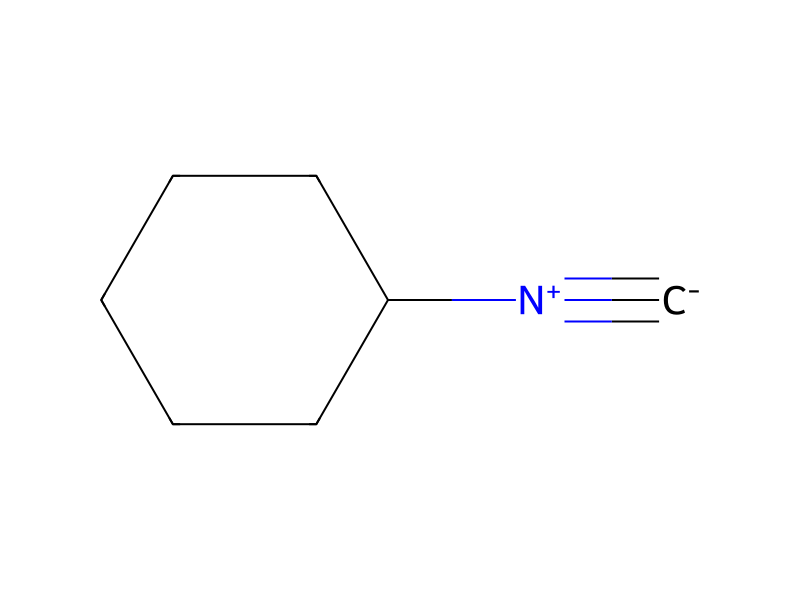
Cyclohexyl isocyanide

HCID 79129
New reaction
Print
Basic informationOverviewNames & identifiersPropertiesSafety & regulationChemistry & industryRelated reactionsCompound notes
Substructure searchFind similar structures

Basic information

CAS
931-53-3
Standard SMILES
[C-]#[N+]C1CCCCC1
InChIKey
XYZMOVWWVXBHDP-UHFFFAOYSA-N
Molecular formula
C7H11N
Average molar mass
109.17 g/mol
Monoisotopic mass
109.08914936

Overview

Cyclohexyl isocyanide is an isocyanide having a cyclohexyl group attached to nitrogen. It is a conjugate base of a cyclohexyl isocyanide(1+).

Names & identifiers

Preferred name
Cyclohexyl isocyanide
IUPAC
isocyanocyclohexane
English name
Cyclohexyl isocyanide
Molecular formula
C7H11N
Molecular weight
109.17

Names & synonyms

Cyclohexyl isocyanide931-53-3IsocyanocyclohexaneCyclohexane, isocyano-CyclohexaneisonitrileN-CyclohexylisocyanideNSC-60128N7L87QP9YGCHEBI:17966DTXSID90239266RefChem:580810DTXCID10161757
Show more names
HANSA ISN-0519BIO-FARMA BF001328Cyclohexyl #niso-cyanideCyclohexyl isocyanide,99%Cyclohexyl isocyanide 98%
213-238-7CyclohexylisocyanideCyclohexyl isonitrileMFCD00003839CYIcyclohexylisonitrileIsocyano-cyclohexaneEINECS 213-238-7

Database identifiers

CAS
931-53-3
PubChem CID
79129
DTXSID
DTXSID90239266
ChEBI
CHEBI:17966
UNII
N7L87QP9YG
EC Number
213-238-7
Nikkaji
J1.169.788G、J298.513F

Properties

Computed structural properties

XLogP
1.7
Topological polar surface area
4.4 Ų
Hydrogen bond donors
0
Hydrogen bond acceptors
1
Rotatable bonds
0
Heavy atoms
8
Formal charge
0
Complexity
103

Physicochemical properties

Melting point
6.45 °C · 6.45°C
Boiling point
78 °C/27 · 78 °C/27 mmHg
Density
0.9 · 0.90
refractive index
1.45 · 1.45
Flash point
77 °C · 77 °C
storage temp.
2 °C · Store at +2°C to +8°C.
form
clear liquid
color
Colorless to Almost colorless
BRN
3662332 · 3662332
Stability
Stable. Incompatible with strong acids, strong bases, strong reducing agents, strong oxidizing agents. Flammable.
InChI
InChI=1S/C7H11N/c1-8-7-5-3-2-4-6-7/h7H,2-6H2
InChIKey
XYZMOVWWVXBHDP-UHFFFAOYSA-N
SMILES
C1([N+]#[C-])CCCCC1
CAS DataBase Reference
931 · 931-53-3(CAS DataBase Reference)
Comptox DTXSID
90239266 · DTXSID90239266

Safety & regulation

Safety information is for reference only and does not replace the supplier’s Safety Data Sheet (SDS), applicable regulations, or professional assessment.

GHS classification

GHS Classification · 4 items

Danger

H301 (100%): Toxic if swallowed [Danger Acute toxicity, oral]

P261, P262, P264, P270, P271, P280, P301+P316, P302+P352, P304+P340, P316, P321, P330, P361+P364, P403+P233, P405, and P501 (click each P-code to see the statement)

Aggregated GHS information provided per 42 reports by companies from 4 notifications to the ECHA C&L Inventory. Each notification may be associated with multiple companies.

Hazard information

Regulatory InformationCyclohexyl isocyanide: Does not have an individual approval but may be used under an appropriate group standard
Hazard Classes and CategoriesAcute Tox. 3 (100%)

Safety data

F
10-13-21
PPE
Eyeshields, Faceshields, Gloves, type ABEK (EN14387) respirator filter
wgk
3
ridadr
UN 2810 6.1/PG 2
hs_code
29299090
risk_code
20/21/22-23/24/25
Signal word
Danger
Symbol(GHS)
GHS06
hazard_code
Xn,T
safety_code
36/37-45-24/25
hazard_class
6.1
Storage Class
6.1C - Combustible acute toxic Cat.3toxic compounds or compounds which causing chronic effects

Chemistry & industry

Applications · 2 items

UsesCyclohexyl Isocyanide can be used as novel arginase inhibitors to treat diseases.

General DescriptionCyclohexyl isocyanide reacts with dimethyl acetylenedicarboxylate to give a mixture of cyclopenta[b]pyridine derivatives, azaspirononatriene derivative and the azabicyclononatriene. It reacts with dialkyl acetylenedicarboxylates to form 1:1 intermediate which on facile addition to 1-benzylisatin and tryptantrin yields highly functionalized novel unsaturated γ-spiroiminolactones.

Preparation methods · 1 item

PreparationCAUTION: Use a well-ventilated hood and take all precautions before using phosgene.To a flask equipped as in Preparation 3-1 is added 1.27 kg (10.0 moles) of N-cyclohexylformamide, 3.20 liters of triethylamine, and 4.50 liters of methylene chloride. The solution is stirred while phosgene is rapidly added (300-400 gm/hr) to cause vigorous refluxing. Refluxing ceases after 1.04 kg (10.2 moles) of phosgene have been added and the addition is stopped. The reaction mixture is cooled to 22-25°C, 400 gm (23.5 moles) of ammonia gas added over a period of 1-2 hr, the mixture filtered then concentrated under reduced pressure, and the residue distilled to afford 955 gm (88%), b.p. 67-72°C (14 mm Hg).

Upstream & downstream products

Downstream products

N,N'-DicyclohexylureaN-Methylcyclohexylamine

Additional notes

DefinitionChEBI: Cyclohexyl isocyanide is an isocyanide having a cyclohexyl group attached to nitrogen. It is a conjugate base of a cyclohexyl isocyanide(1+).

Related reactions

487 records
New reaction record
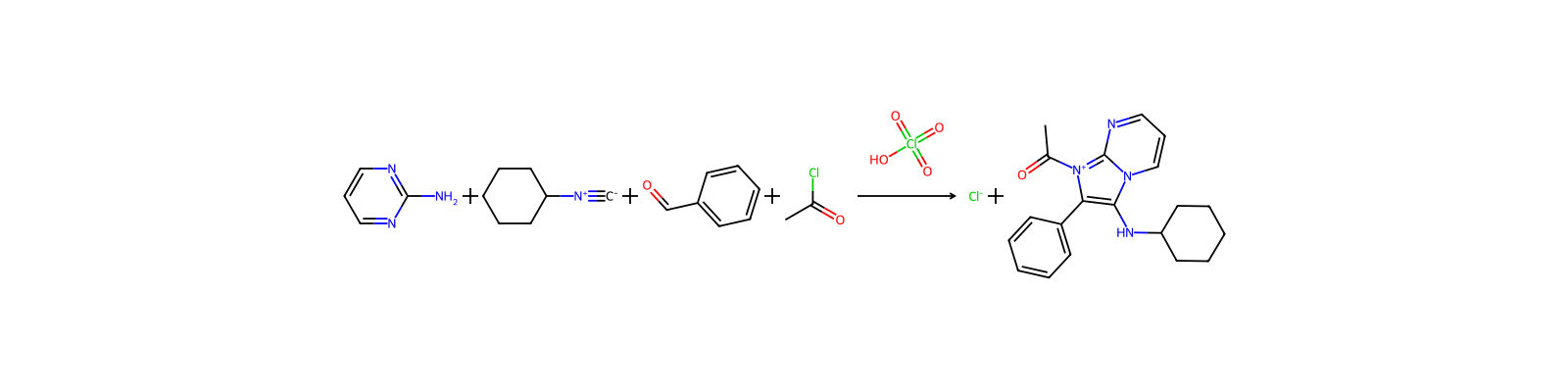
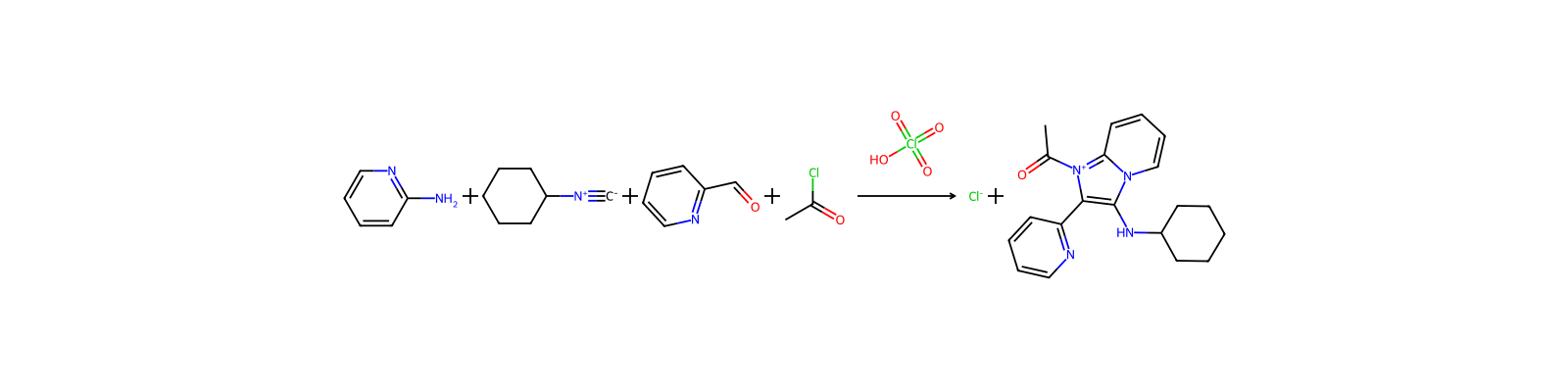
HRID 7511As reactant
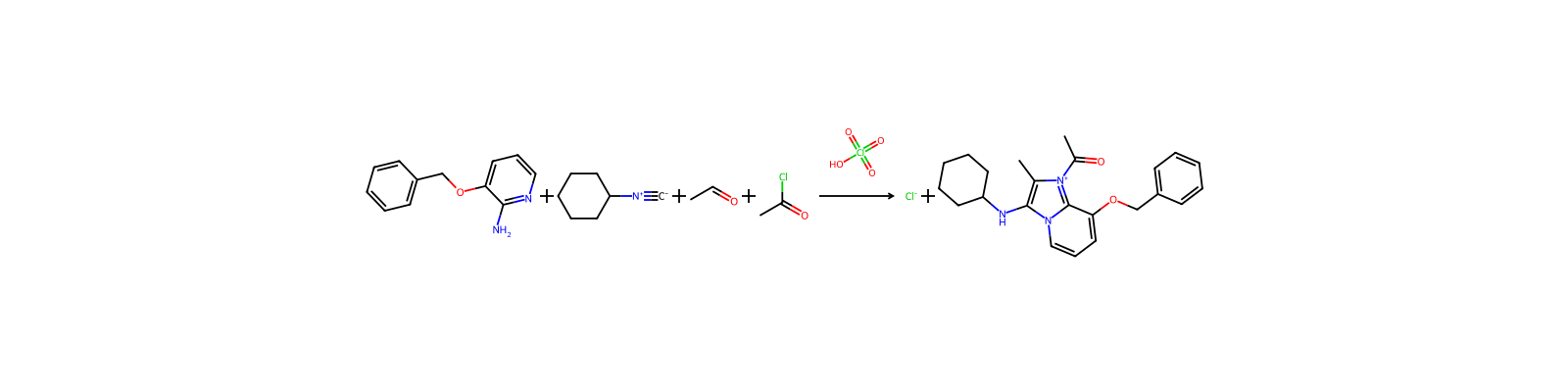
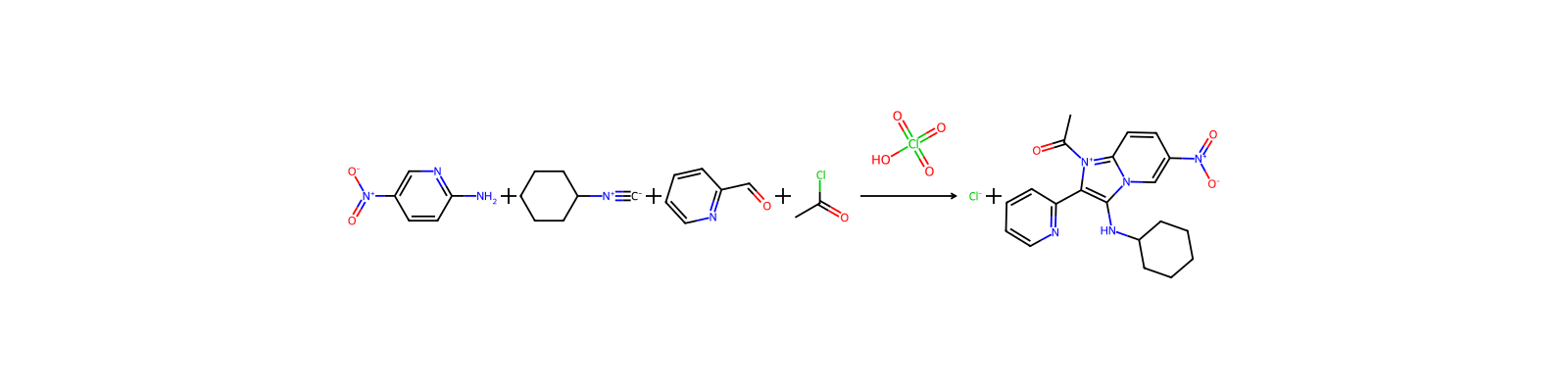
HRID 7512As reactant
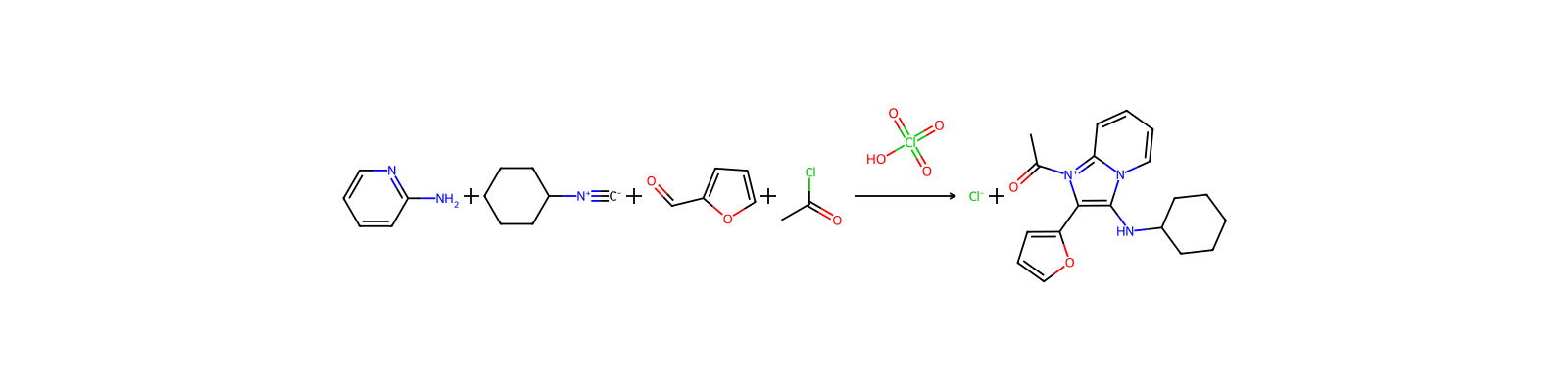
HRID 7513As reactant
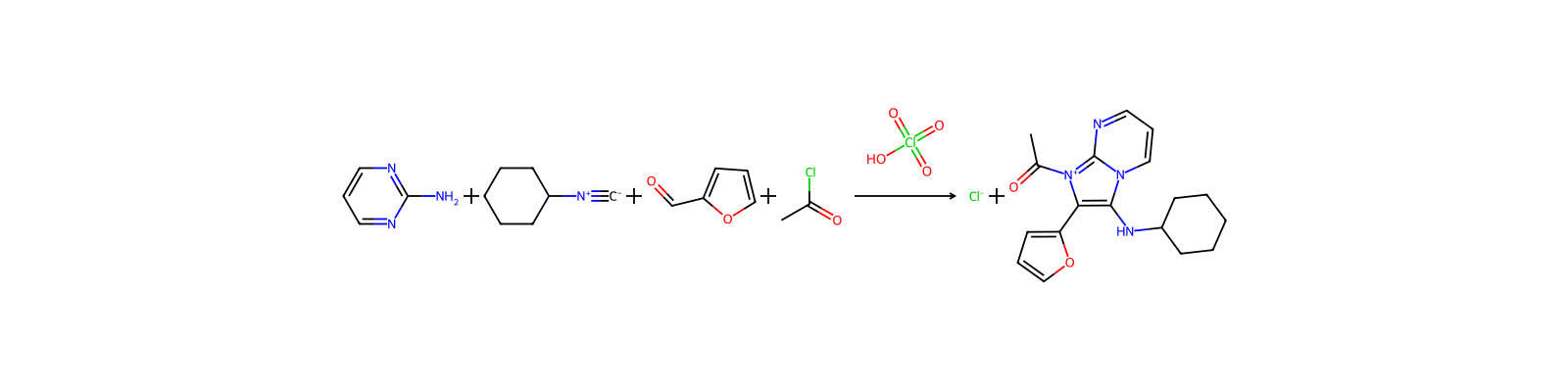
HRID 7518As reactant
HRID 7519As reactant
HRID 7520As reactant
HRID 7521As reactant
HRID 7522As reactant
PreviousPage 1 of 61

Compound notes

On this pageBasic informationOverviewNames & identifiersPropertiesSafety & regulationChemistry & industryRelated reactionsCompound notes
UNSPSC Code
12352117 · 12352117
NACRES
22 · NA.22
Symbol(GHS)
6 · GHS06
Signal word
Danger
Hazard statements
301 · H301+H311+H331
Precautionary statements
261 · P261-P264-P280-P301+P310-P302+P352+P312-P304+P340+P311
PPE
Eyeshields, Faceshields, Gloves, type ABEK (EN14387) respirator filter
Hazard Codes
Xn,T
Risk Statements
20 · 20/21/22-23/24/25
Safety Statements
36 · 36/37-45-24/25
RIDADR
2810 · UN 2810 6.1/PG 2
WGK Germany
3 · 3
F
10 · 10-13-21
HazardClass
6.1 · 6.1
PackingGroup
III
HS Code
29299090 · 29299090
Storage Class
6.1 C · 6.1C - Combustible acute toxic Cat.3toxic compounds or compounds which causing chronic effects
Hazard Classifications
3 DermalAcute · Acute Tox. 3 DermalAcute Tox. 3 InhalationAcute Tox. 3 Oral
Limited Quantities
5 L · 5.0 L (1.3 gallons) (liquid) or 5.0 kg (11 lbs) (solid)
Excepted Quantities
Max Inner Pack (30g or 30ml) and Max Outer Pack (1Kg or 1L)
packing_group
III
Hazard statements
H301+H311+H331
Limited Quantities
5.0 L (1.3 gallons) (liquid) or 5.0 kg (11 lbs) (solid)
Excepted Quantities
Max Inner Pack (30g or 30ml) and Max Outer Pack (1Kg or 1L)
Hazard Classifications
Acute Tox. 3 DermalAcute Tox. 3 InhalationAcute Tox. 3 Oral
Precautionary statements
P261-P264-P280-P301+P310-P302+P352+P312-P304+P340+P311