Reaction equation
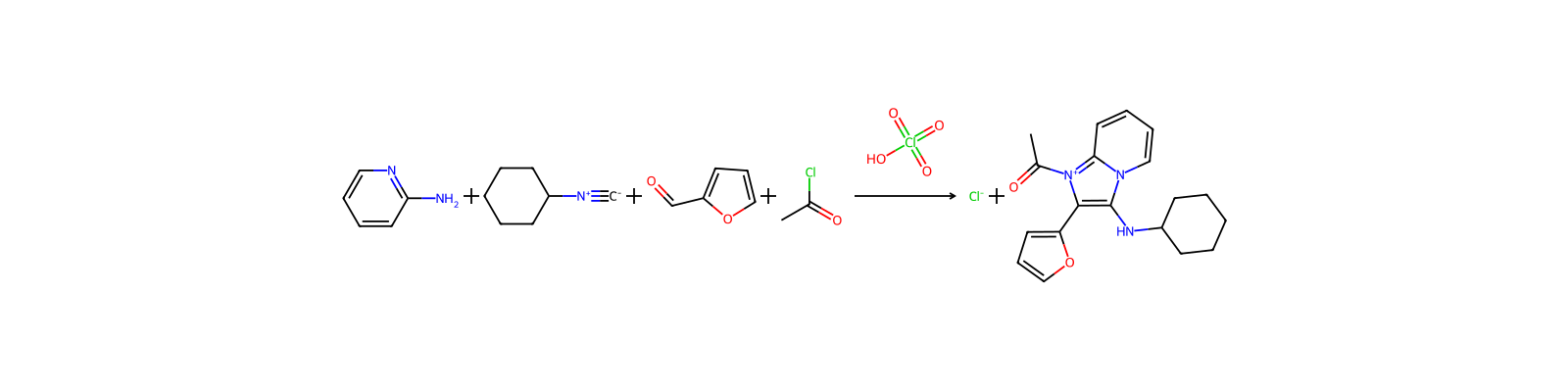
[NH2:1][C:2]1[CH:7]=[CH:6][CH:5]=[CH:4][N:3]=1.[CH:8]1([N+:14]#[C-:15])[CH2:13][CH2:12][CH2:11][CH2:10][CH2:9]1.[CH:16](=O)[C:17]1[O:21][CH:20]=[CH:19][CH:18]=1.[C:23]([Cl:26])(=[O:25])[CH3:24]>Cl(O)(=O)(=O)=O>[Cl-:26].[C:23]([N+:1]1[C:16]([C:17]2[O:21][CH:20]=[CH:19][CH:18]=2)=[C:15]([NH:14][CH:8]2[CH2:13][CH2:12][CH2:11][CH2:10][CH2:9]2)[N:3]2[CH:4]=[CH:5][CH:6]=[CH:7][C:2]=12)(=[O:25])[CH3:24]Participants
6
Reactant 4


Product 1

Reagents, catalysts & solvents 1
Procedure
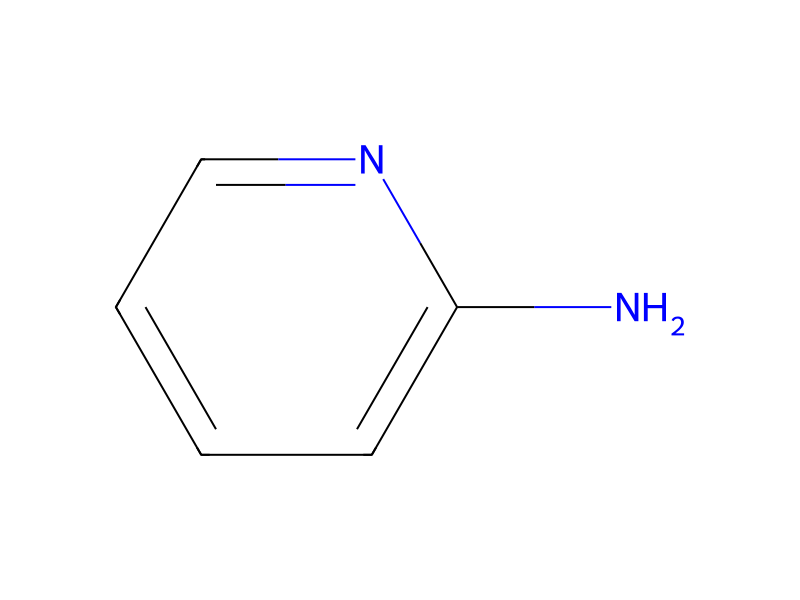
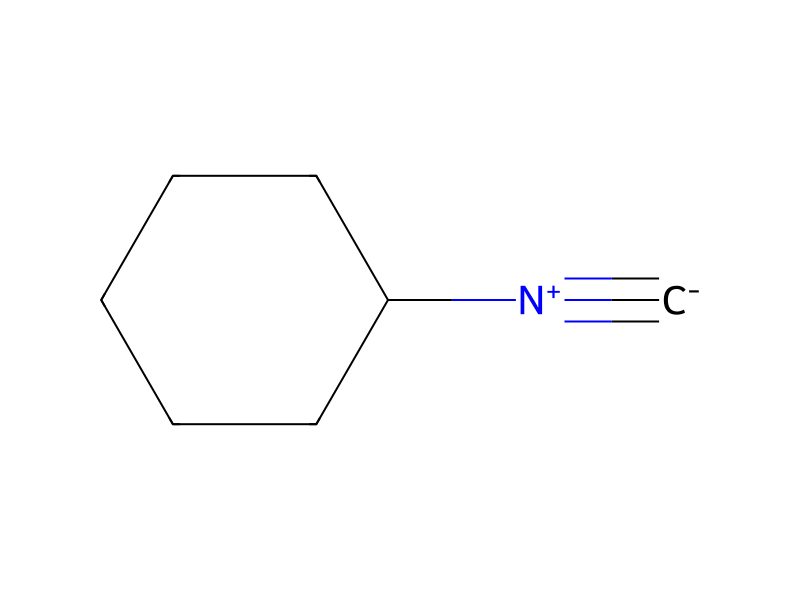
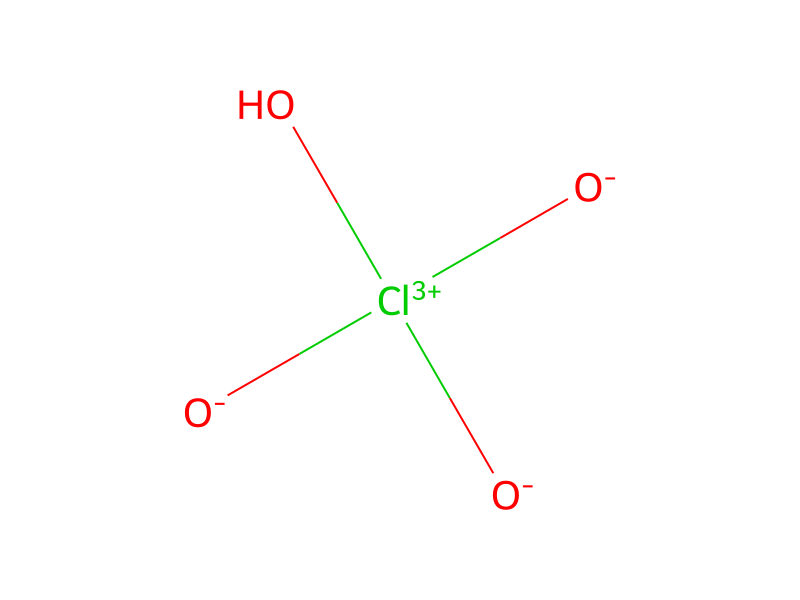
Example 12 was carried out in accordance with the general directions for synthesis in process step a) from 1.0 ml (0.1 mmol) 2-amino-pyridine (0.1 M, DCM), 0.575 ml (0.115 mmol) cyclohexylisonitrile solution (0.2 M, DCM), 0.500 ml (0.15 mmol) furfural solution (0.3 M, DCM) and 10 μl perchloric acid (w=20%) and in process step c) and d) by reacting the resultant reaction product with 0.4 mmol acetylchloride.
Sources & evidence
- ORD record
- ord-d3274ece290144c2abdb1366b6665f24
- Source dataset
- uspto-grants-2006_08
- Patent number
- US07087607B2
Linked notes
Loading…