Diethylammoniumchlorid
Diethylammonium chloride

Grundinformationen
- CAS
660-68-4- Standard-SMILES
CCNCC.Cl- InChIKey
HDITUCONWLWUJR-UHFFFAOYSA-N- Summenformel
- C4H11N.ClH
- Durchschnittliche Molmasse
- 109,6 g/mol
- Monoisotopische Masse
- 109,06582706
Überblick
See also: N-Ethylethan(~15~N)amine--hydrogen chloride (1/1) (annotation moved to).
Namen und Bezeichner
- Bevorzugter Name
- Diethylammonium chloride
- IUPAC
- N-ethylethanamine;hydrochloride
- Lokaler Name
- Diethylammoniumchlorid
- Englischer Name
- Diethylamine hydrochloride
- Summenformel
- C4H12ClN
- Molmasse
- 109.6
Namen und Synonyme
Diethylamine hydrochloride660-68-4Diethylammonium chlorideEthanamine, N-ethyl-, hydrochlorideN-Ethylethanamine hydrochlorideDTXSID9044320NSC-30602DTXCID7024320ZE9V3G1135RefChem:133465211-541-9N-ethylethanamine;hydrochloride
Weitere Namen anzeigen
METHYLTHIONINIUM CHLORIDEMETHYLENE BLUE SOLUTIONMETHYLTHIONINE CHLORIDECI 52015S NO 1038SWISS BLUECI NO 52015Diethylaminium
MFCD00012499Diethylamine-15N hydrochlorideEthanamine, N-ethyl-, hydrochloride (1:1)diethyl amine HClDiethyl amine hydrochloridediethylamine HClEt2NH.HClNHEt2.HCl
Datenbank-Bezeichner
- CAS
660-68-4- PubChem CID
- 10197650
- DTXSID
DTXSID9044320- ChEMBL
CHEMBL3188625- UNII
- ZE9V3G1135
- EC Number
- 211-541-9
Eigenschaften
Berechnete Struktureigenschaften
- Polarare Oberfläche (TPSA)
- 12 Ų
- H-Brücken-Donoren
- 2
- H-Brücken-Akzeptoren
- 1
- Frei drehbare Bindungen
- 2
- Schwere Atome
- 6
- Formalladung
- 0
- Komplexität
- 11,1
Experimentelle und physikochemische Eigenschaften
Chemical ClassesNitrogen Compounds -> Amines, Aliphatic
Vapor Pressure0.0000645 [mmHg]
Physical Description
Liquid
Off-white hygroscopic solid; [Acros Organics MSDS]
Physikochemische Eigenschaften
- Schmelzpunkt
- 227 · 227-230 °C(lit.)
- Siedepunkt
- 320 · 320-330 °C
- Dichte
- 1 g/mL · 1.0 g/mL at 20 °C
- Dampfdruck
- 0.00001 hPa · <0.00001 hPa (20 °C)
- Brechungsindex
- 1.532 · 1.5320 (estimate)
- Flammpunkt
- 320 · 320-330°C
- storage temp.
- 30 °C · Store below +30°C.
- Löslichkeit
- 2 O: · H2O: soluble50mg/mL, clear, colorless
- Aggregatzustand
- Liquid
- Farbe
- White to off-white
Sicherheit und Regulatorisches
Sicherheitsangaben dienen nur zur Orientierung und ersetzen weder das Sicherheitsdatenblatt (SDB) des Lieferanten noch geltende Vorschriften oder eine fachliche Bewertung.
GHS-Klassifizierung
GHS Classification
This chemical does not meet GHS hazard criteria for 1.5% (1 of 67) of reports.
Danger
H315 (92.5%): Causes skin irritation [Warning Skin corrosion/irritation]
P261, P264, P264+P265, P271, P280, P302+P352, P304+P340, P305+P351+P338, P305+P354+P338, P317, P319, P321, P332+P317, P337+P317, P362+P364, P403+P233, P405, and P501 (click each P-code to see the statement)
Aggregated GHS information provided per 67 reports by companies from 14 notifications to the ECHA C&L Inventory. Each notification may be associated with multiple companies.
Gefahrenhinweise
Regulatory Information
Chemical: Ethanamine, N-ethyl-, hydrochloride
Ethanamine, N-ethyl-, hydrochloride (1:1) is listed on the EPA's Chemical Data Reporting (CDR) system. Manufacturers and importers of Ethanamine, N-ethyl-, hydrochloride (1:1) are required to report information about their production and use of this chemical to the EPA under the Toxic Substances Control Act (TSCA). (40 eCFR Part 711)
Status: Active Update: 25-05-2018 https://echa.europa.eu/registration-dossier/-/registered-dossier/23798
Ethanamine, N-ethyl-, hydrochloride: Does not have an individual approval but may be used as a component in a product covered by a group standard. It is not approved for use as a chemical in its own right.
Hazards Summary
Causes tremor and respiratory stimulation in intraperitoneal lethal-dose studies of mice; Causes impaired liver function tests and increased urine volume in 26-week intermittent oral studies of rats; [RTECS] An irritant; [Acros Organics MSDS] See Diethylamine.
Hazard Classes and CategoriesSkin Irrit. 2 (92.5%)
Toxikologische Informationen
Chemie und Industrie
Verwendung und Herstellung
U.S. Production2023: 50,000 - <250,000 lb
Industry UsesIntermediate
General Manufacturing Information
Synthetic Dye and Pigment Manufacturing
Ethanamine, N-ethyl-, hydrochloride (1:1): ACTIVE
Anwendungen
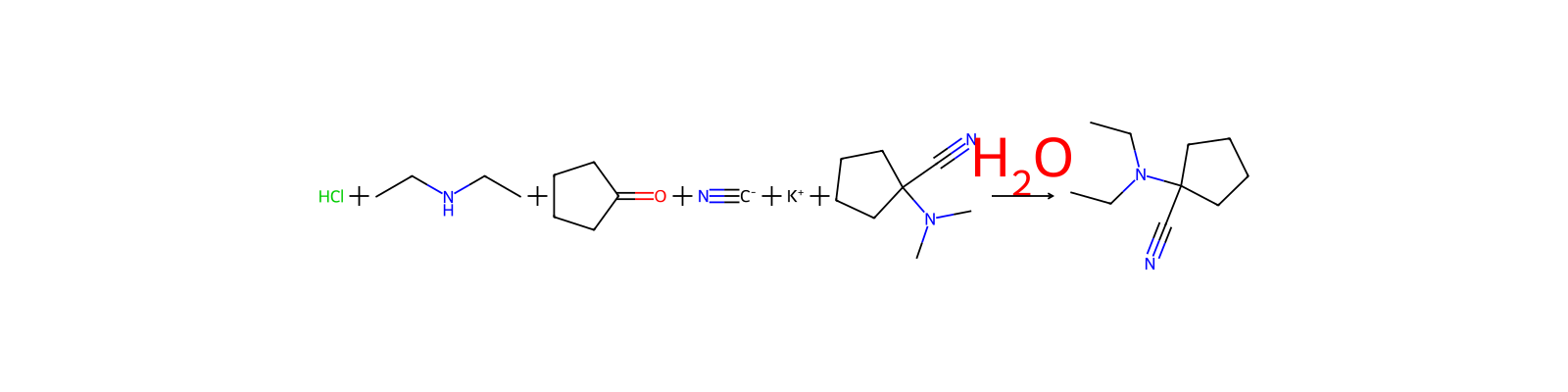
VerwendenDiethylamine hydrochloride acts as a precursor of atrazine and lysergic acid diethylamide. It is also used as a reactant in the production of dyes and pharmaceutical compounds such as ranitidine. Further, it is used in Mannich reaction with paraformaldehyde. In addition to this, it is employed in the synthesis of diethylaminoethyl (DEAE) cottons by reacting with cotton cellulose in the presence of sodium hydroxide.
Vor- und nachgelagerte Produkte
Vorgelagerte Rohstoffe
Nachgelagerte Produkte
Zugehörige Reaktionen
62


Notizen zur Verbindung
Wird geladen…