Grundinformationen
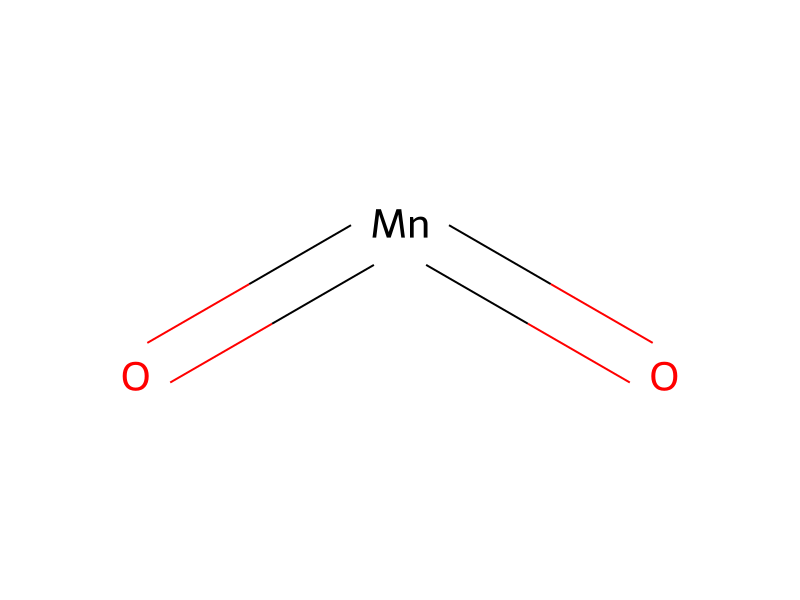
- Standard-SMILES
[O]=[Mn]=[O]- InChIKey
NUJOXMJBOLGQSY-UHFFFAOYSA-N- Summenformel
- MnO2
- Durchschnittliche Molmasse
- 86,937 g/mol
- Monoisotopische Masse
- 86,92787434
Überblick
Manganese dioxide is a manganese molecular entity with formula MnO2. It is a metal oxide and a manganese molecular entity.
Namen und Bezeichner
- Bevorzugter Name
- Manganese dioxide
- IUPAC
- dioxomanganese
- Lokaler Name
- Mangandioxid
- Englischer Name
- Manganese dioxide
- Summenformel
- MnO2
- Molmasse
- 86.94
Namen und Synonyme
Manganese dioxideManganese peroxideManganese BlackManganese binoxideMangandioxidManganese superoxideBlack manganese oxideCement BlackBOG manganesePyrolusite BrownMangaanbioxydeMangaandioxyde
Weitere Namen anzeigen
MnO2MANGANESE(IV) OXIDEdioxomanganesePYROLUSITEACTIVATED MANGANESE DIOXIDEoxidizing agentManganese oxide (MnO2)MANGANESE (IV) DIOXIDEManganese(IV) oxide, precipitated active, 88%Mangoxe
BraunsteinBruinsteenManganese (bioxyd de)Manganese (dioxyde de)Manganese (biossido di)Manganese (diossido di)C.I. 77728Manganese dioxide, ore of Chapter 26
Datenbank-Bezeichner
- CAS
1313-13-9、197667-28-0、301678-04-6- PubChem CID
- 14801
- DTXSID
DTXSID501314019- ChEBI
CHEBI:136511- EC Number
- 215-202-6、824-986-4
- Nikkaji
- J96.288K
Eigenschaften
Berechnete Struktureigenschaften
- Polarare Oberfläche (TPSA)
- 34,1 Ų
- H-Brücken-Donoren
- 0
- H-Brücken-Akzeptoren
- 2
- Frei drehbare Bindungen
- 0
- Schwere Atome
- 3
- Formalladung
- 0
- Komplexität
- 18,3
Experimentelle und physikochemische Eigenschaften
Chemical ClassesMetals -> Manganese Compounds, Inorganic
SpringerMaterials Propertiesdielectric constant
Density
5.0 g/cm³
5.08 @25 °C
SolubilitySolubility in water: none
Decomposition535 °C
Physical Description
Dry Powder; Large Crystals; CBI; Large Crystals; Other Solid; Wet Solid; Dry Powder
Natural form is steel-gray when in lumps and black when powdered; The artificial precipitate in a brownish-black solid; Both usually have some manganese oxide and water; [Merck Index] Brown odorless powder; [Alfa Aesar MSDS]
BLACK-TO-BROWN POWDER.
Physikochemische Eigenschaften
- Schmelzpunkt
- 535 °C · 535 °C (dec.) (lit.)
- Dichte
- 5.02 · 5.02
- Dampfdruck
- 0 · 0-0Pa at 25℃
- storage temp.
- 30 °C · Store below +30°C.
- Löslichkeit
- 0.001 g/l · <0.001g/l insoluble
- Aggregatzustand
- powder
- Farbe
- gray
- Wichte
- 5.026 · 5.026
- Wasserlöslichkeit
- insoluble
- Spezifische Wärmekapazität
- 0.62 J/ · Cp(crystal): 0.62 J/(g·K), at 25℃
- Merck
- 14 · 14,5730
- Stabilität
- Stable. Incompatible with strong acids, strong reducing agents, organic materials.
- Kosmetik-Inhaltsstoffe Funktionen
- ANTIOXIDANT
- InChI
- 1S/Mn.2O
- InChIKey
- NUJOXMJBOLGQSY-UHFFFAOYSA-N
- SMILES
- O=[Mn]=O
- CAS Datenbank
- 1313 · 1313-13-9(CAS DataBase Reference)
- NIST chemische Informationen
- manganese(IV) dioxide(1313-13-9)
- EPA chemische Informationen
- Manganese dioxide (1313-13-9)
Sicherheit und Regulatorisches
GHS-Klassifizierung
GHS Classification
Warning
H302: Harmful if swallowed [Warning Acute toxicity, oral]
P261, P264, P270, P271, P301+P317, P304+P340, P317, P330, and P501 (click each P-code to see the statement)
This chemical does not meet GHS hazard criteria for 0.8% (11 of 1416) of reports.
Warning
H302+H332 (12.5%): Harmful if swallowed or if inhaled [Warning Acute toxicity, oral; acute toxicity, inhalation]
Gefahrenhinweise
Regulatory Information
Chemical: Manganese oxide (MnO2)
Manganese oxide (MnO2) is listed on the EPA's Chemical Data Reporting (CDR) system. Manufacturers and importers of Manganese oxide (MnO2) are required to report information about their production and use of this chemical to the EPA under the Toxic Substances Control Act (TSCA). (40 eCFR Part 711)
Status: Active Update: 27-02-2023 https://echa.europa.eu/registration-dossier/-/registered-dossier/15404
Manganese (IV) oxide: HSNO Approval: HSR003741 Approved with controls
Other Safety InformationIMAP assessments - Manganese oxides: Human health tier II assessment
Fire HazardsNot combustible but enhances combustion of other substances.
Hazards Summary
Inhalation of dust may cause diseases of the lungs (bronchitis and pneumonia) and CNS (manganism); [ICSC] A strong oxidizer; [Merck Index] Harmful by ingestion, inhalation; May cause irritation; [Alfa Aesar MSDS] See Manganese and linked occupational diseases.
EC ClassificationSymbol: Xn; R: 20/22; S: (2)-25
Chemical Dangers
Decomposes above 553 °C . This produces manganese(III)oxide and oxygen, which increases fire hazard. The substance is a strong oxidant. It reacts violently with combustible and reducing materials. This generates fire and explosion hazard. Reacts with aluminium on heating.
Hazard Classes and Categories
Acute Tox. 4 (97.6%)
Not Classified
Specific target organ toxicity (repeated exposure) - category 1
Specific target organ toxicity - Single exposure - Category 1 (respiratory system)
Acute Tox. 4 *
Sicherheit und Schutzausrüstung
Fire FightingIn case of fire in the surroundings, use appropriate extinguishing media.
First Aid Measures
Fresh air, rest. Refer for medical attention.
Rinse and then wash skin with water and soap.
First rinse with plenty of water for several minutes (remove contact lenses if easily possible), then refer for medical attention.
Rinse mouth. Refer for medical attention .
Safe StorageSeparated from combustible substances and reducing agents.
Exposure Control and Personal Protection0.2 [mg/m3], as Mn (inhalable fraction), 0.02 mg/m3, as Mn (respirable fraction)[German Research Foundation (DFG)]
Spillage Disposal
Personal protection: particulate filter respirator adapted to the airborne concentration of the substance. Do NOT let this chemical enter the environment. Do NOT absorb in saw-dust or other combustible absorbents. Sweep spilled substance into covered containers. If appropriate, moisten first to prevent dusting.
Eye PreventionWear safety goggles or eye protection in combination with breathing protection if powder.
Fire PreventionNO contact with combustible substances.
Inhalation RiskEvaporation at 20 °C is negligible; a harmful concentration of airborne particles can, however, be reached quickly when dispersed.
Skin PreventionProtective gloves.
Minimum Risk LevelChronic Inhalation: 0.0003 mg/m3 (L134)
Exposure PreventionPREVENT DISPERSION OF DUST! AVOID EXPOSURE OF (PREGNANT) WOMEN!
Ingestion PreventionDo not eat, drink, or smoke during work.
Toxikologische Informationen
Treatment
EYES: irrigate opened eyes for several minutes under running water. INGESTION: do not induce vomiting. Rinse mouth with water (never give anything by mouth to an unconscious person). Seek immediate medical advice. SKIN: should be treated immediately by rinsing the affected parts in cold running water for at least 15 minutes, followed by thorough washing with soap and water. If necessary, the person should shower and change contaminated clothing and shoes, and then must seek medical attention. INHALATION: supply fresh air. If required provide artificial respiration.
Health Effects
Manganese mainly affects the nervous system and may cause behavioral changes and other nervous system effects, which include movements that may become slow and clumsy. This combination of symptoms when sufficiently severe is referred to as “manganism”. (L228)
Adverse EffectsNeurotoxin - Parkinsonism
Exposure Routes
The substance can be absorbed into the body by inhalation of its aerosol and by ingestion.
Oral (L228) ; inhalation (L228)
Toxicity Summary
Manganese is a cellular toxicant that can impair transport systems, enzyme activities, and receptor functions. It primarily targets the central nervous system, particularily the globus pallidus of the basal ganglia. It is believed that the manganese ion, Mn(II), enhances the autoxidation or turnover of various intracellular catecholamines, leading to increased production of free radicals, reactive oxygen species, and other cytotoxic metabolites, along with a depletion of cellular antioxidant defense mechanisms, leading to oxidative damage and selective destruction of dopaminergic neurons. In addition to dopamine, manganese is thought to perturbations other neurotransmitters, such as GABA and glutamate. In order to produce oxidative damage, manganese must first overwhelm the antioxidant enzyme manganese superoxide dismutase. The neurotoxicity of Mn(II) has also been linked to its ability to substitute for Ca(II) under physiological conditions. It can enter mitochondria via the calcium uniporter and inhibit mitochondrial oxidative phosphorylation. It may also inhibit the efflux of Ca(II), which can result in a loss of mitochondrial membrane integrity. Mn(II) has been shown to inhibit mitochondrial aconitase activity to a significant level, altering amino acid metabolism and cellular iron homeostasis. (L228)
Signs and Symptoms
Cough.
Abdominal pain. Nausea.
Manganese mainly affects the nervous system and may cause behavioral changes and other nervous system effects, which include movements that may become slow and clumsy. This combination of symptoms when sufficiently severe is referred to as “manganism”. (L228)
ICSC Environmental DataThis substance may be hazardous to the environment. Special attention should be given to aquatic organisms.
Carcinogen ClassificationNo indication of carcinogenicity to humans (not listed by IARC).
Toxicity DataLD50: >3478 mg/kg (Oral, Rat) (L326)
Sicherheitsdaten
- wgk
- 1
- tsca
- TSCA listed
- ridadr
- 3137
- hs_code
- 2820 10 00
- RTECS-Nr.
- OP0350000
- risk_code
- 20/22
- Toxizität
- LD50 orally in rats: >40 mmole/kg (Holbrook)
- hazard_code
- Xn
- safety_code
- 25
- packing_group
- III
- Speicherklasse
- 13 - Non Combustible Solids
- Hazard Classifications
- Acute Tox. 4 InhalationAcute Tox. 4 OralSTOT RE 2 Inhalation
Chemie und Industrie
Pharmakologische Informationen
Metabolism/Metabolites
Manganese is absorbed mainly via ingestion, but can also be inhaled. It binds to alpha-2-macroglobulin, albumin, or transferrin in the plasma and is distributed to the brain and all other mammalian tissues, though it tends to accumulate more in the liver, pancreas, and kidney. Manganese is capable of existing in a number of oxidation states and is believed to undergo changes in oxidation state within the body. Manganese oxidation state can influence tissue toxicokinetic behavior, and possibly toxicity. Manganese is excreted primarily in the faeces. (L228)
Verwendung und Herstellung
Uses
Naturally occurs as the mineral pyrolusite, which is the source of manganese and all its compounds; Used to make manganese steel, as an oxidizer, in dry cell alkaline batteries, for making amethyst glass, decolorizing glass, and painting on porcelain, faience, and majolica; The precipitate is used in electrotechnics, pigments, browning gun barrels, as drier for paints and varnishes, and for printing and dyeing textiles; [Merck Index] See Manganese.
Steel Producing [Category: Industry]
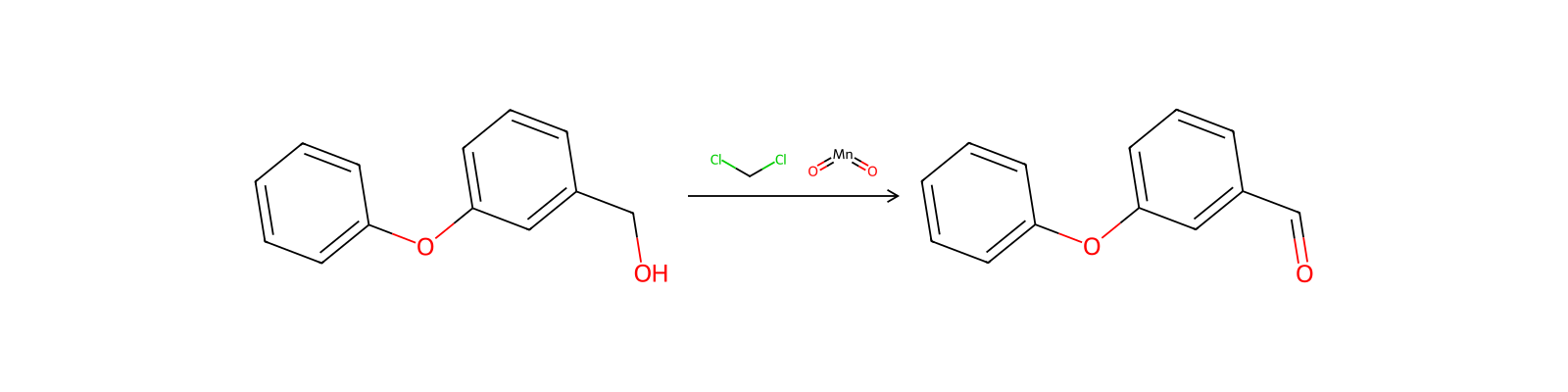
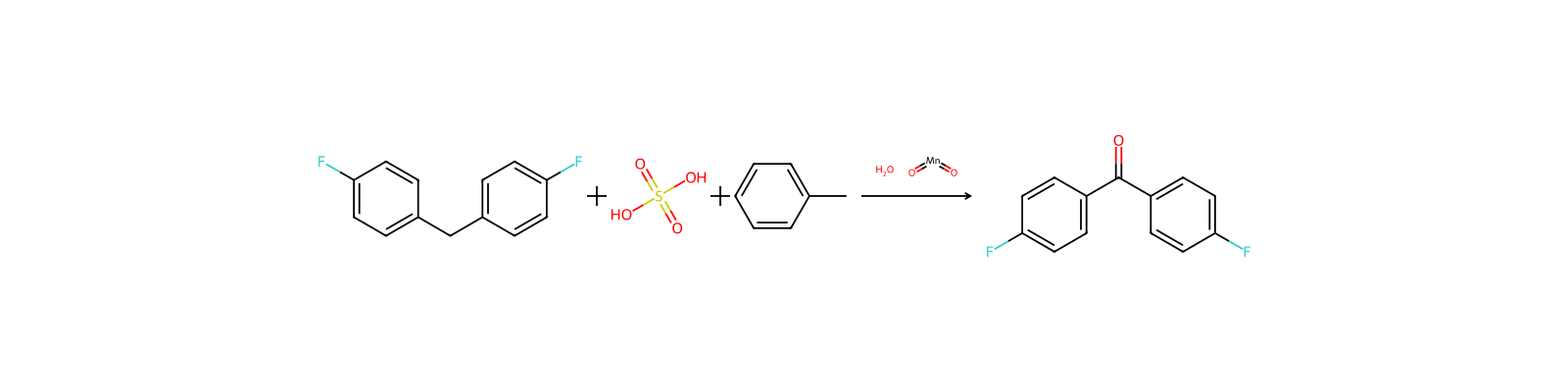
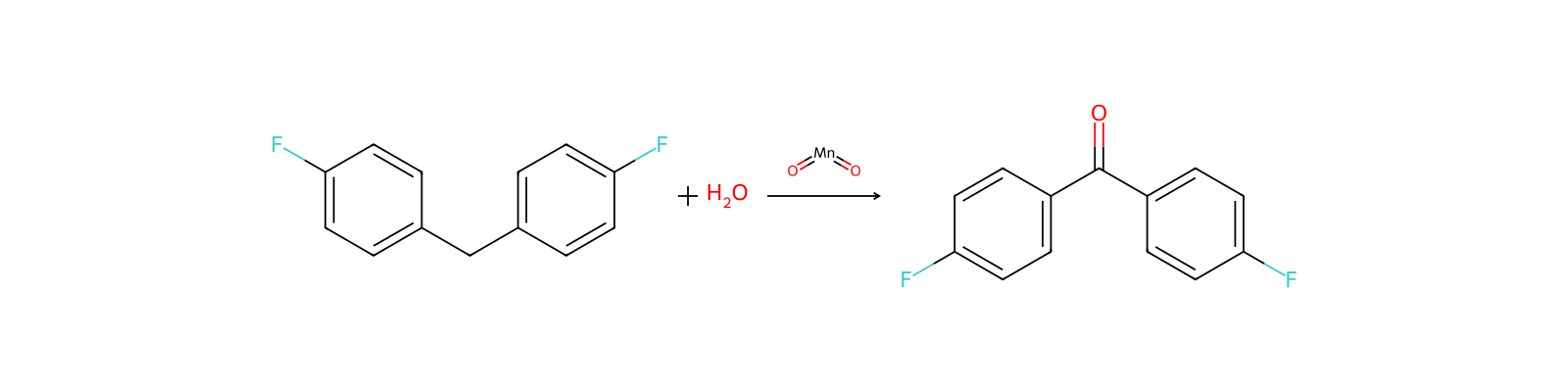
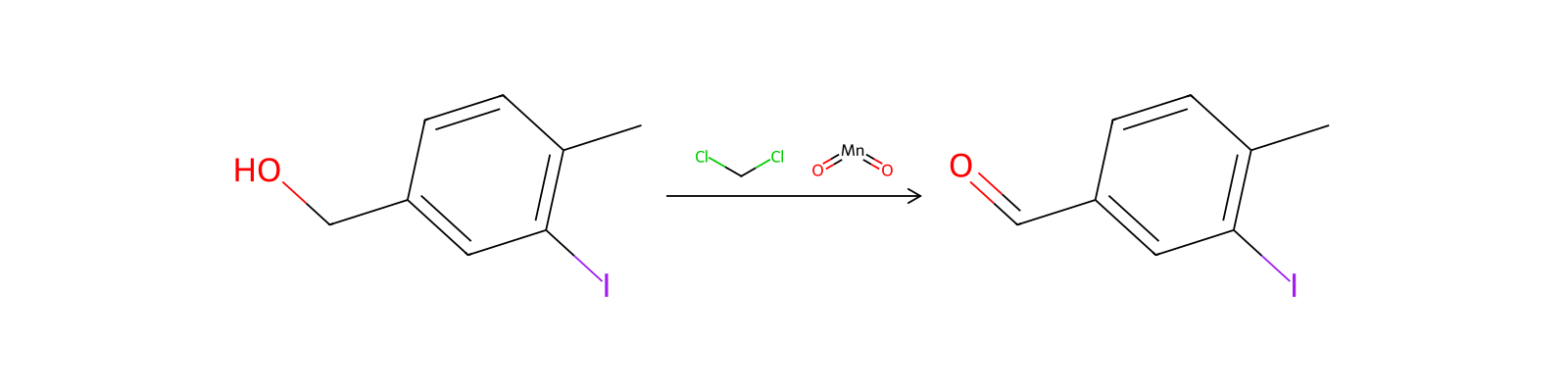
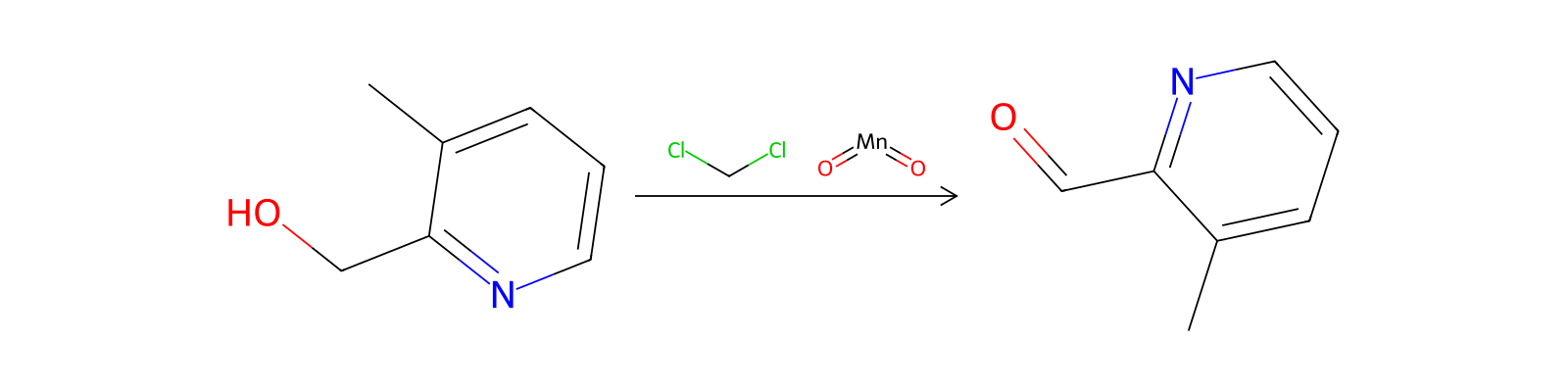
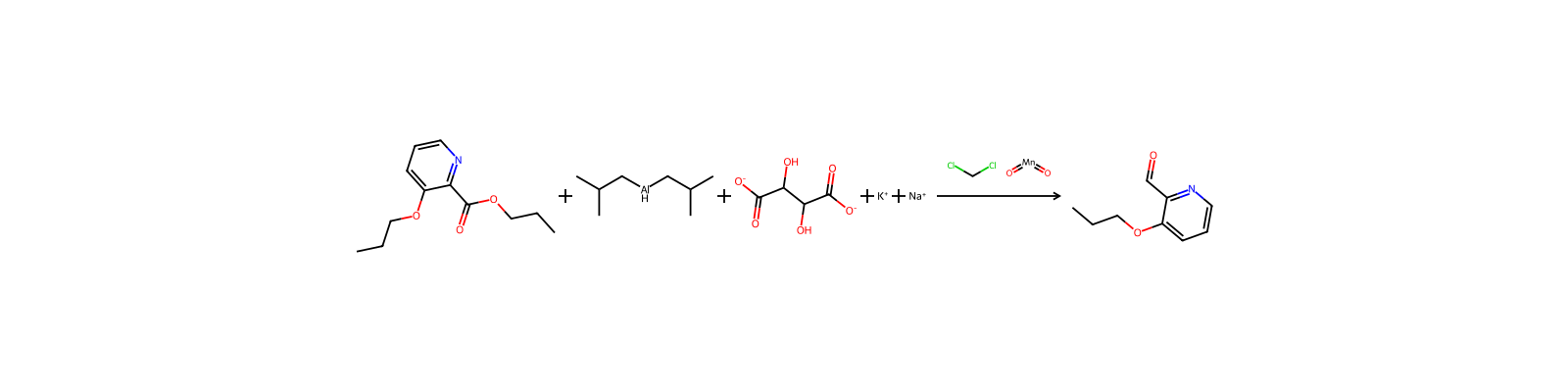
Manganese dioxide is used primarily for dry-cell batteries, but is also used as an oxidant in organic synthesis. (L232)
U.S. Production2023: 100,000,000 - <250,000,000 lb
Consumer UsesPigment
Industry UsesPigment
Household ProductsInformation on 3 consumer products that contain Manganese Dioxide in the following categories is provided:
General Manufacturing Information
Primary Metal Manufacturing
Manganese oxide (MnO2): ACTIVE
Anwendungen
VerwendenAs an oxidizing agent, source of metallic manganese, decolorizing glass, painting porcelain, as an analytical reagentManganese(IV) oxide is used as an oxidizing agent in organic synthesis such as oxidation of allylic/benzylic alcohols, as a textile dye, as a reducing agent, and as a component of dry cell batteries such as zinc-carbon battery and alkaline battery. It is also used in making pigments for glasses and ceramics, and drier for paints. Further it is used in the manufacture of manganese steel and several manganese derivatives including potassium permanganate, a powerful versatile oxidant. Catalytic hydration of nitriles to amides by flowing through manganese dioxide has been reported. Manganese dioxide supported on inorganic oxide can be used for oxidation of methylamine through CWAO (Catalytic Wet Air Oxidation). It has high potential as highly efficient and robust material for water oxidation reaction (WORs).
Darstellung
synthetischePure manganese(IV) oxide (precipitate form) may be prepared by reducing permanganate ion with a manganous salt: 2KMnO4 + 3MnSO4 + 2H2O → 5MnO2 + K2SO4 + 2H2SO4 Manganese(IV) oxide can also be precipitated by oxidation of a manganese(II) salt using an oxidizing agent such as hypochlorite or peroxydisulphate: Mn2+ + S2O82– + 2H2O → MnO2 + 2SO42– + 4H+ Manganese(IV) oxide may also be made by thermal decomposition of manganese(II) nitrate; or from roasting manganese(II) carbonate in air: Mn(NO3)2 → MnO2 + 2NO2 MnCO3 + ½ O2 → MnO2 + CO2 A highly active gamma-MnO2 can be produced by treating manganese(III) oxide with hot sulfuric acid: Mn2O3 + H2SO4 → MnO2 + MnSO4 + H2O Mn2O3 is derived from pyrolusite by heating the mineral at 600–800°C or reducing with powdered coal at 300°C.
Vor- und nachgelagerte Produkte
Vorgelagerte Rohstoffe
Nachgelagerte Produkte
Anbieter50 Anbieter
国药集团化学试剂有限公司86-21-63210123 · [email protected]
上海阿拉丁生化科技股份有限公司400-6206333 13167063860 · [email protected]
武汉吉业升化工有限公司027-83360216 18040558719 · [email protected]
爱斯特(成都)生物制药股份有限公司+86-28-85122536 85324413 · [email protected]
韶远科技(上海)有限公司021-50795510 4000665055 · [email protected]
上海迈瑞尔生化科技有限公司4006356688 18621169109 · [email protected]
大连美仑生物技术有限公司0411-62910999 13889544652 · [email protected]
阿法埃莎(中国)化学有限公司400-6106006 · [email protected]
太原市瑞和丰科贸有限公司+86 351 7031519 · [email protected]
安耐吉化学&3A(安徽泽升科技股份有限公司)400-0056266 · [email protected]
北京绿百草科技发展有限公司010-61136123 · [email protected]
上海瀚鸿科技股份有限公司021-54306202 13764082696 · [email protected]
上海景颜化工科技有限公司13817811078 · [email protected]
Pure Chemistry Scientific Inc.001-857-928-2050 or 1-888-588-9418 · [email protected]
上海肖晃纳米科技有限公司021-34781353 17702143778 · [email protected]
武汉丰泰威远科技有限公司027-87465837 19945049750 · [email protected]
天津金汇太亚化学试剂有限公司022-59582624 18622766592 · [email protected]
山东西亚化学有限公司13355009207 13355009207 · [email protected]
玛雅试剂+86 (573) 82222445 (0)18006601000 452520369 · [email protected]
四川库利南科技有限公司400-1166-196 18981987031 · [email protected]
天津希恩思生化科技有限公司400 638 7771 · [email protected]
斯百全化学(上海)有限公司021-021-021-67601398-809-809-809 15221380277 · [email protected]
艾科试剂4008-755-333 18080918076 · [email protected]
赛默飞世尔科技(中国)有限公司800-810-5118 · [email protected]
北京伊诺凯科技有限公司400-810-7969 010-59572699 · [email protected]
上海遐瑞医药科技有限公司+86 21 61551611
上海健超生物科技有限公司150-2103-5486 18017383231 · [email protected]
上海皋翔化工有限公司021-57816257 18930243658 · [email protected]
北京环宇世纪化学科技有限公司hysj_bj.com
上海将来实业股份有限公司400-0066400 13621662912 · [email protected]
上海将来实业股份有限公司021-61552785 · [email protected]
福斯曼科技(北京)有限公司64646565 18210196513 · [email protected]
日照力德士化工有限公司010-51268198 · [email protected]
上海爱蝶实业有限公司021-58957966 18930537195 · [email protected]
成都零六生物科技有限公司400-1166-196 13458535857 · [email protected]
广拓化学(上海)有限公司021-60899189-8001 18918189673 · [email protected]
上海御略医药科技有限公司021-60345187 13671753212 · [email protected]
上海麦克林生化科技股份有限公司15221275939 15221275939 · [email protected]
杭州杰恒化工有限公司0571-87396432 · [email protected]
上海嵩爰化工科技有限公司010-1234567 18521000990 · [email protected]
上海有朋化工有限公司021-69005955 13701776567 · [email protected]
北京海力扬化学科技有限公司13718199399 · [email protected]
四川海诺威科技有限公司13708085536 13708085536 · [email protected]
上海凯赛化工有限公司021-33516722 13701817765 · [email protected]
上海彤源化工有限公司021-021-69182866 13701855675 · [email protected]
青岛海智微元生物科技有限公司18317699790 18317699790 · [email protected]
成都润泽本土化工有限公司13096311329 028-88469284 616445927 · [email protected]
凯试(上海)科技有限公司021-50135380 · [email protected]
北京华扬致成科技有限公司13716033033 · [email protected]
上海蓝润化学有限公司021-69515658 ; 69515628 13701998368 · [email protected]
Zugehörige Reaktionen
1.880


Verknüpfte Notizen
Wird geladen…