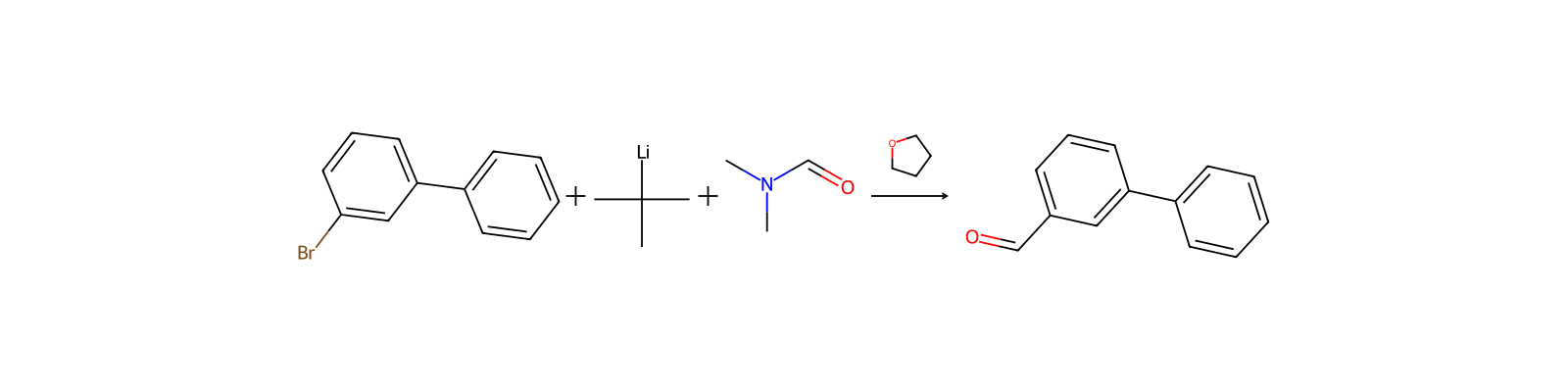
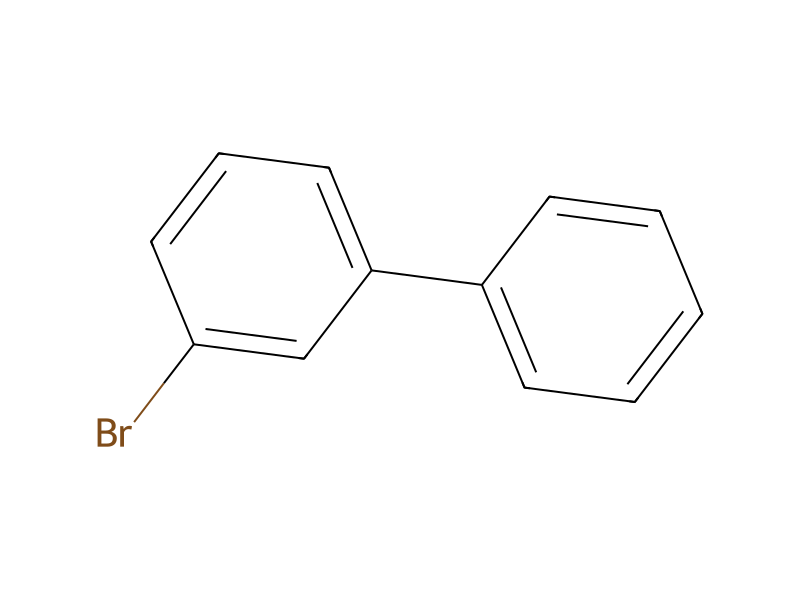
Grundinformationen
- Standard-SMILES
Brc1cccc(-c2ccccc2)c1- InChIKey
USYQKCQEVBFJRP-UHFFFAOYSA-N- Summenformel
- C12H9Br
- Durchschnittliche Molmasse
- 233,1 g/mol
- Monoisotopische Masse
- 231,98876239
Überblick
3-bromobiphenyl is a clear yellow viscous liquid. Insoluble in water. (NTP, 1992)
Namen und Bezeichner
- Bevorzugter Name
- 3-Bromobiphenyl
- IUPAC
- 1-bromo-3-phenylbenzene
- Lokaler Name
- 3-Brombiphenyl
- Englischer Name
- 3-Bromobiphenyl
- Summenformel
- C12H9Br
- Molmasse
- 233.1
Namen und Synonyme
3-BROMOBIPHENYL3-Bromo-1,1'-biphenyl1,1'-Biphenyl, 3-bromo-Biphenyl, 3-bromo-3-BromodiphenylDTXSID5024639CCRIS 5889O7I53K56S8EINECS 218-304-9WLN: ER CRBROMOBIPHENYL, 3-NSC 407775
Weitere Namen anzeigen
PBB NO 2218-304-93-BROMOBIPHNYL3-bromo-biphenym-Bromobiphenyl3-Xenyl bromide
NSC-407775PBB 2UNII-O7I53K56S8AI3-11169DTXCID104639(1,1'-BIPHENYL)-3-YL BROMIDE[1,1'-BIPHENYL]-3-YL BROMIDE3-Monobromobiphenyl
Datenbank-Bezeichner
- CAS
2113-57-7- PubChem CID
- 16449
- DTXSID
DTXSID5024639- ChEMBL
CHEMBL1899525- UNII
- O7I53K56S8
- EC Number
- 218-304-9
- Nikkaji
- J41.832C
Eigenschaften
Berechnete Struktureigenschaften
- XLogP
- 4,6
- Polarare Oberfläche (TPSA)
- 0 Ų
- H-Brücken-Donoren
- 0
- H-Brücken-Akzeptoren
- 0
- Frei drehbare Bindungen
- 1
- Schwere Atome
- 13
- Formalladung
- 0
- Komplexität
- 149
Experimentelle und physikochemische Eigenschaften
SpringerMaterials Properties13C nuclear magnetic resonance spectrum
LogP4.85
SolubilityInsoluble (NTP, 1992)
Boiling Point570 to 574 °F at 760 mmHg (NTP, 1992)
Physical Description3-bromobiphenyl is a clear yellow viscous liquid. Insoluble in water. (NTP, 1992)
Physikochemische Eigenschaften
- Schmelzpunkt
- 93 · 93-94 °C
- Siedepunkt
- 300 °C · 300 °C
- Dichte
- 1.398 g/mL · 1.398 g/mL at 25 °C(lit.)
- Brechungsindex
- 1.637 · 1.637-1.641
- Flammpunkt
- 110 °C · 110 °C
- storage temp.
- Keep in dark place,Sealed in dry,Room Temperature
- Löslichkeit
- Chloroform (Soluble), DMSO (Slightly)
- Aggregatzustand
- Liquid
- Farbe
- Light yellow to gray-beige
- Wasserlöslichkeit
- Insoluble
- Merck
- 14 · 14,4188
- BRN
- 2043191 · 2043191
- InChIKey
- USYQKCQEVBFJRP-UHFFFAOYSA-N
- CAS Datenbank
- 2113 · 2113-57-7(CAS DataBase Reference)
- NIST chemische Informationen
- 1 · 1,1'-Biphenyl, 3-bromo-(2113-57-7)
- EPA chemische Informationen
- 3 · 3-Bromobiphenyl (2113-57-7)
Sicherheit und Regulatorisches
GHS-Klassifizierung
GHS Classification
Warning
H315 (100%): Causes skin irritation [Warning Skin corrosion/irritation]
P261, P264, P264+P265, P271, P280, P302+P352, P304+P340, P305+P351+P338, P319, P321, P332+P317, P337+P317, P362+P364, P403+P233, P405, and P501 (click each P-code to see the statement)
Aggregated GHS information provided per 40 reports by companies from 3 notifications to the ECHA C&L Inventory. Each notification may be associated with multiple companies.
Gefahrenhinweise
Regulatory Information
S - indicates a substance that is identified in a final Significant New Use Rule.
Restricted substance: 3-bromobiphenyl
Fire HazardsFlash point data for this chemical are not available. It is probably combustible. (NTP, 1992)
Reactive GroupAryl Halides
Reactivity Profile3-BROMOBIPHENYL may be sensitive to light. This compound may react with oxidizing materials. (NTP, 1992)
Air and Water ReactionsInsoluble in water.
Hazard Classes and CategoriesSkin Irrit. 2 (100%)
Sicherheit und Schutzausrüstung
Fire FightingFires involving this material can be controlled with a dry chemical, carbon dioxide or Halon extinguisher. (NTP, 1992)
First Aid
EYES: First check the victim for contact lenses and remove if present. Flush victim's eyes with water or normal saline solution for 20 to 30 minutes while simultaneously calling a hospital or poison control center. Do not put any ointments, oils, or medication in the victim's eyes without specific instructions from a physician. IMMEDIATELY transport the victim after flushing eyes to a hospital even if no symptoms (such as redness or irritation) develop.
Nonfire Spill Response
SMALL SPILLS AND LEAKAGE: If you spill this chemical, FIRST REMOVE ALL SOURCES OF IGNITION. Then, use absorbent paper to pick up all liquid spill material. Your contaminated clothing and absorbent paper should be sealed in a vapor-tight plastic bag for eventual disposal. Solvent wash all contaminated surfaces with ethanol followed by washing with a soap and water solution. Do not reenter the contaminated area until the Safety Officer (or other responsible person) has verified that the area has been properly cleaned.
Minimum Risk LevelAcute Oral: 0.01 mg/kg/day (L134)
Personal Protective Equipment (PPE)
RECOMMENDED RESPIRATOR: Where the neat test chemical is weighed and diluted, wear a NIOSH-approved half face respirator equipped with an organic vapor/acid gas cartridge (specific for organic vapors, HCl, acid gas and SO2) with a dust/mist filter. (NTP, 1992)
Toxikologische Informationen
Treatment
EYES: irrigate opened eyes for several minutes under running water. INGESTION: do not induce vomiting. Rinse mouth with water (never give anything by mouth to an unconscious person). Seek immediate medical advice. SKIN: should be treated immediately by rinsing the affected parts in cold running water for at least 15 minutes, followed by thorough washing with soap and water. If necessary, the person should shower and change contaminated clothing and shoes, and then must seek medical attention. INHALATION: supply fresh air. If required provide artificial respiration.
Health EffectsPBB exposure may cause weight loss, skin disorders (such as acne), nervous and immune systems effects, and effects on the liver, kidneys, and thyroid gland. (L628)
Exposure RoutesOral (L628) ; inhalation (L628) ; dermal (L628)
Toxicity Summary
The exact mechanism of toxicty of PBBs varies depending on the specific congener. The predominant interaction is believed to involve the aryl hydrocarbon receptor (AhR). PBBs bind to and activate the AhR, which in turn initiates the transcriptional upregulation of a number of genes, affecting biochemical and endocrine pathways, cell cycle regulation, morphogenesis, oxidative stress response, and various other processes. This results in the numerous toxic responses characteristic of PBBs. Some of the known induced genes include the cytochrome P-450-dependent monooxygenases CYP1A1 and CYP1A2. (L628)
Signs and SymptomsSymptoms of PBB exposure may include nausea, abdominal pain, loss of appetite, joint pain, fatigue, and weakness. (L629)
Carcinogen Classification2A, probably carcinogenic to humans. (L135)
Sicherheitsdaten
- wgk
- 3
- tsca
- TSCA listed
- hs_code
- 29039990
- RTECS-Nr.
- DV1750000
- risk_code
- 36/37/38
- Toxizität
- mouse,LDLo,intraperitoneal,500mg/kg (500mg/kg),"Summary Tables of Biological Tests," National Research Council Chemical-Biological Coordination Center. Vol. 6, Pg. 217, 1954.
- hazard_code
- Xi
- safety_code
- 37/39-26-36
Chemie und Industrie
Pharmakologische Informationen
Metabolism/Metabolites
PBBs can be absorbed via oral, inhalation, and dermal routes. Due to their lipophilic nature, PBBs, especially the highly brominated congeners, tend to accumulate in lipid-rich tissues such as the liver, adipose, skin, and breast milk. Certain PBB compounds are metabolized by the microsomal monooxygenase system catalyzed by cytochrome P-450 of the type induced by phenobarbital. The rate of metabolism may depends on the bromine substitution pattern. PBB congeners of low bromine content are transformed into hydroxylated derivatives that are predominately eliminated in the urine. Highly brominated congeners are either retained or excreted unchanged in the feces. (L628)
Verwendung und Herstellung
Uses
PBBs can be used as flame retardants and may be added to the plastics used to make products like computer monitors, televisions, textiles, and plastic foams to make them difficult to burn. However, the use of PBBs is banned or restricted in most areas due to their toxicity and persistence in the environment. (L628, L629)
General Manufacturing Information1,1'-Biphenyl, 3-bromo-: ACTIVE
Anwendungen
Verwenden3-Bromobiphenyl is utilized as an electrochemical immunosensor based on poly(dopamine) coated gold nanocluster for brominated flame retardants.
Vor- und nachgelagerte Produkte
Nachgelagerte Produkte
Anbieter50 Anbieter
梯希爱(上海)化成工业发展有限公司021-67121386 · [email protected]
衢州润东化工有限公司0570-8789886 18892685668 · [email protected]
上海阿拉丁生化科技股份有限公司400-6206333 13167063860 · [email protected]
郑州海阔光电材料有限公司67759225 13526468238 · [email protected]
INTATRADE GmbH+49 3493/605464 · [email protected]
上海赫文斯化工有限公司15721252604 17321035817 · [email protected]
科瑞迪化学400-821-5857 021-64326257 · [email protected]
平顶山隆维生物科技有限公司15343756688 · [email protected]
上海迈瑞尔生化科技有限公司4006356688 18621169109 · [email protected]
宇瑞(上海)化学有限公司02150456736 18602143071 · [email protected]
阿法埃莎(中国)化学有限公司400-6106006 · [email protected]
安耐吉化学&3A(安徽泽升科技股份有限公司)400-0056266 · [email protected]
石家庄斯迪亚诺精细化工有限公司0311-89250318 13582355795 · [email protected]
上海瀚鸿科技股份有限公司021-54306202 13764082696 · [email protected]
上海相辉医药科技有限公司13761987713 · [email protected]
上海景颜化工科技有限公司13817811078 · [email protected]
嘉兴市艾森化工有限公司0573-85285100 18627885956 · [email protected]
上海攀鸿化工科技有限公司021-56491756 13512199871 · [email protected]
孝感深远化工有限公司15527621225; 15527621225 · [email protected]
唐山默内德贸易有限公司0315-8309571 15633399667 · [email protected]
四川库利南科技有限公司400-1166-196 18981987031 · [email protected]
上海耐士化工科技有限公司400-188-0725 +86 21 34310725 13611771617
天津希恩思生化科技有限公司400 638 7771 · [email protected]
湖南汇百侍生物科技有限公司0731-85526065 13308475853 · [email protected]
上海思域化工科技有限公司86-21-34053660 · [email protected]
苏州思变化学技术有限公司0512-65617459 18915409046 · [email protected]
赛默飞世尔科技(中国)有限公司800-810-5118 · [email protected]
上海特伯化学科技有限公司+86-21-60341587 · [email protected]
上海遐瑞医药科技有限公司+86 21 61551611
江苏艾康生物医药研发有限公司025-66113011 13913916777 · [email protected]
TOKYO CHEMICAL INDUSTRY CO., LTD.03-36680489 · [email protected]
TCI Europe320-37350700 · [email protected]
深圳康特腾科技有限公司86-0755-86635001 · [email protected]
越林试剂021-62960152 · [email protected]
上海倍卓生物科技有限公司021-61119791,13386096464 · [email protected]
上海贺康生物技术有限公司17721021104 18939837085 · [email protected]
上海将来实业股份有限公司021-61552785 · [email protected]
HBCChem, Inc.+1-510-219-6317 · [email protected]
湖南华腾制药有限公司400-8592883 · [email protected]
杭州杰恒化工有限公司0571-87396432 · [email protected]
上海寰川实业有限公司021-61478794 · [email protected]
上海纳谦化学科技有限公司13598610367 13598610367 · [email protected]
上海洽凡生化科技有限公司+86-021-61654350 · [email protected]
上海嵩爰化工科技有限公司010-1234567 18521000990 · [email protected]
上海有朋化工有限公司021-69005955 13701776567 · [email protected]
北京海力扬化学科技有限公司13718199399 · [email protected]
北京欣赛维化学科技有限公司010-56218822 13717722232 · [email protected]
四川海诺威科技有限公司13708085536 13708085536 · [email protected]
上海凯赛化工有限公司021-33516722 13701817765 · [email protected]
上海彤源化工有限公司021-021-69182866 13701855675 · [email protected]
Ergänzende Hinweise
DefinitionT3DB: 3-Monobromobiphenyl is a polybrominated biphenyl. Polybrominated biphenyls (PBBs) are a group of 209 synthetic organic compounds with 1-10 bromine atoms attached to biphenyl. They can be used as flame retardants and may be added to the plastics used to make products like computer monitors, televisions, textiles, and plastic foams to make them difficult to burn. However, the use of PBBs is banned or restricted in most areas due to their toxicity and persistence in the environment.
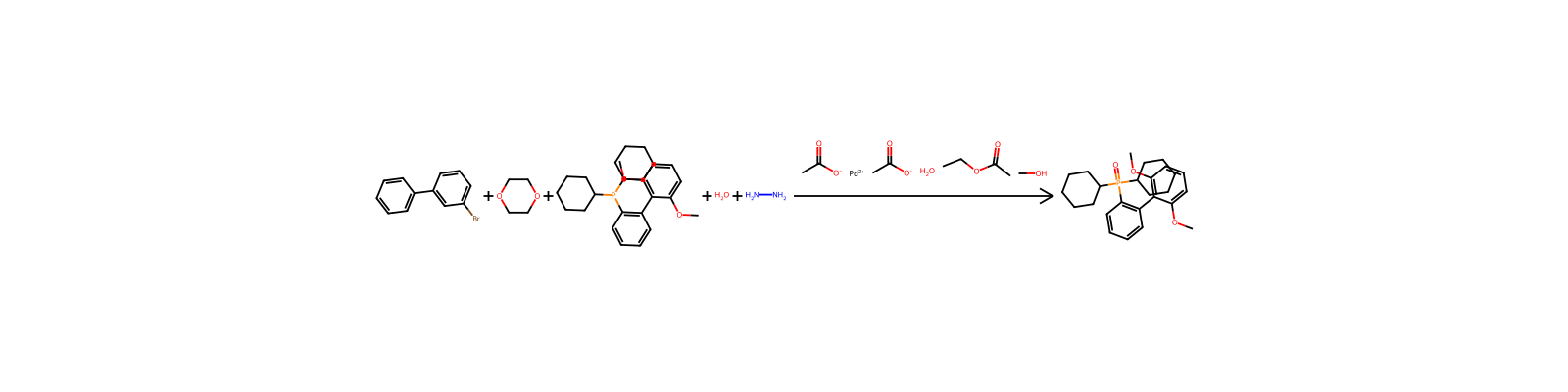
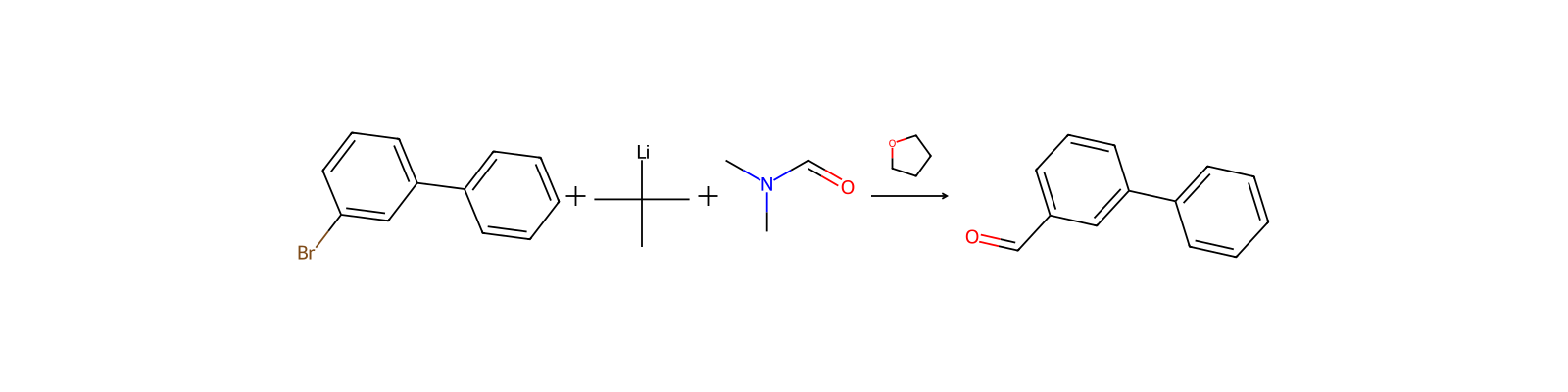
Zugehörige Reaktionen
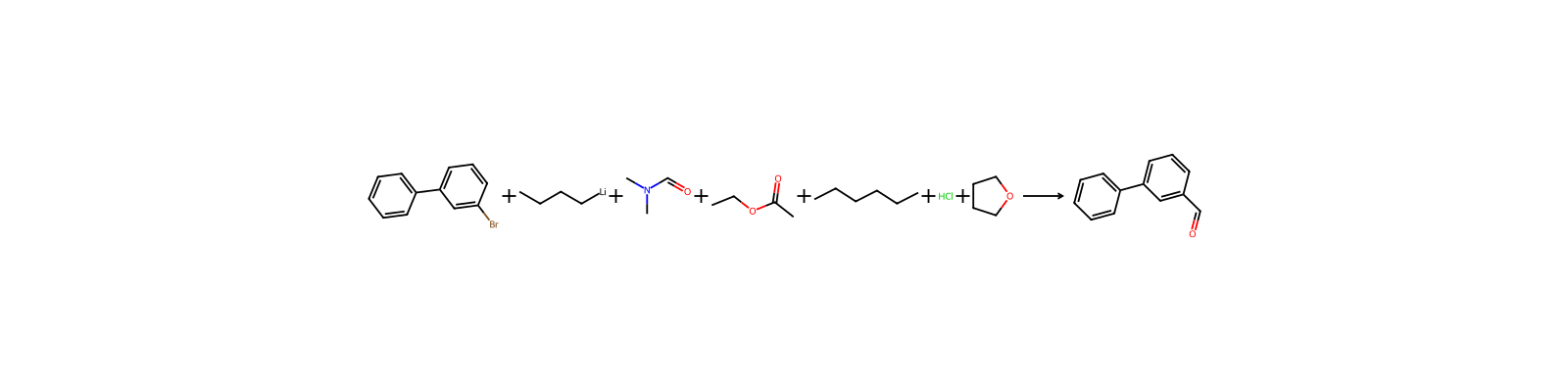
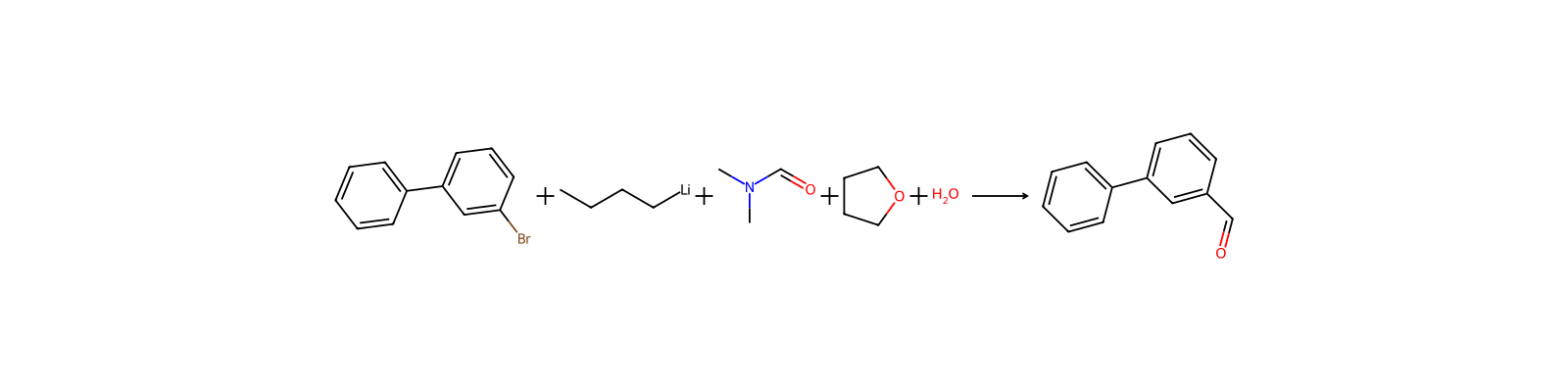
78



Verknüpfte Notizen
Wird geladen…