Reaktionsgleichung

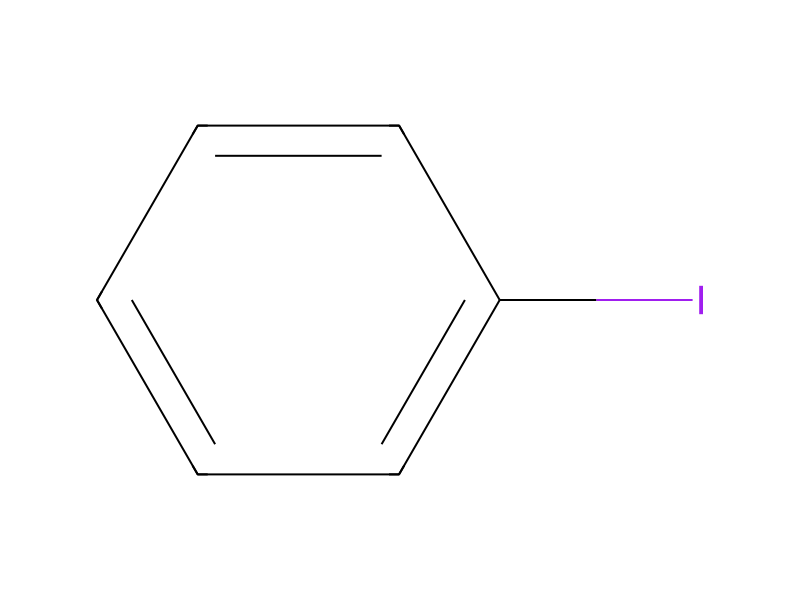
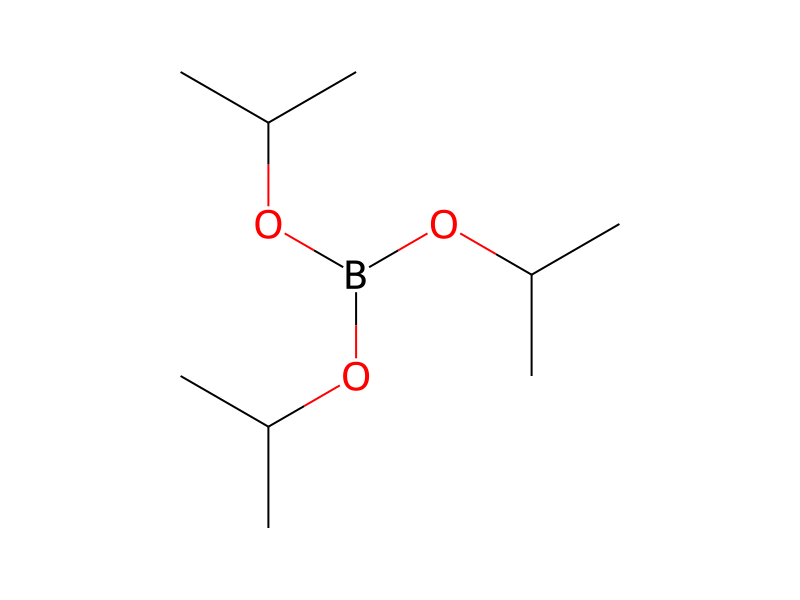
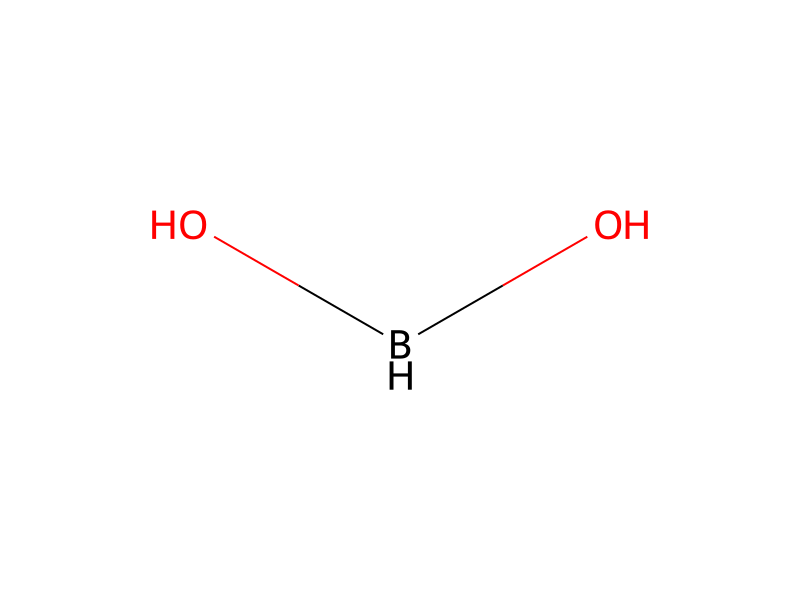
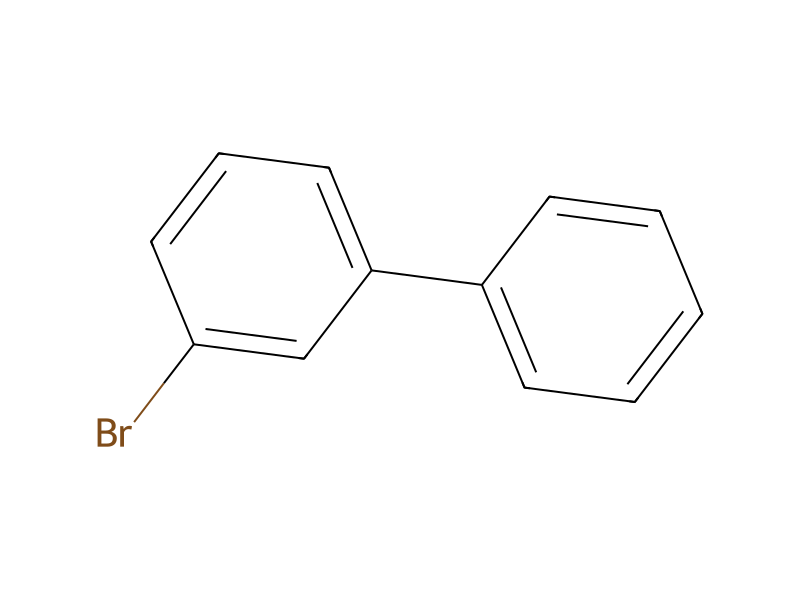
Br[C:2]1[CH:7]=[CH:6][CH:5]=[C:4]([Br:8])[CH:3]=1.B(O)O.C([Li])CCC.B(OC(C)C)(OC(C)C)OC(C)C.[OH-].[Na+].I[C:33]1[CH:38]=[CH:37][CH:36]=[CH:35][CH:34]=1.C(=O)([O-])[O-].[Na+].[Na+]>C1COCC1.CCOCC.C1(C)C=CC=CC=1.C1C=CC([P]([Pd]([P](C2C=CC=CC=2)(C2C=CC=CC=2)C2C=CC=CC=2)([P](C2C=CC=CC=2)(C2C=CC=CC=2)C2C=CC=CC=2)[P](C2C=CC=CC=2)(C2C=CC=CC=2)C2C=CC=CC=2)(C2C=CC=CC=2)C2C=CC=CC=2)=CC=1>[Br:8][C:4]1[CH:3]=[C:2]([C:33]2[CH:38]=[CH:37][CH:36]=[CH:35][CH:34]=2)[CH:7]=[CH:6][CH:5]=1Komponenten
Edukt 7




Produkt 1
Reagenzien, Katalysatoren, Lösungsmittel 4




Versuchsvorschrift
Starting with readily available starting materials, 1,3-dibromobenzene and the appropriately substituted iodobenzene, it is possible to prepare biphenyls having 3', 4' and 5' position substitution. Referring to Flow Sheet AE 1,3-dibromobenzene AE1 is converted to boronic acid AE2 by first reacting with butyl lithium in anhydrous THF or ether at about -78° C. followed by addition of triisopropyl borate. The resultant intermediate is worked up with sodium hydroxide and acidified. Boronic acid AE2 is subsequently reacted with the appropriate iodobenzene AE3 in toluene and aqueous sodium carbonate with tetrakistriphenylphosphinepalladium as a catalyst to produce the 3-bromo biphenyl B1. This reaction to B1 is well known in art with reference made herein to N. Miyaura, T. Yanagi and A. Suzuki, Syn. Comm., 11, 513 (1981). ##STR19##
Quellen und Nachweise
- ORD-Eintrag
- ord-c162315141934898b8ef634f75735e1c
- Quelldatensatz
- uspto-grants-1993_05
- Patentnummer
- US05208329
Verknüpfte Notizen
Wird geladen…