StartseiteMCPWorkbenchSkills
StartseiteWorkbenchBenachrichtigungenMein Bereich
llms.txt · MCP-AnleitungDatenschutz · Nutzungsbedingungen · Supportv1.8.0
  1. Startseite
  2. /Verbindung

Dipenten

1-Methyl-4-Prop-1-En-2-Ylcyclohexene

HCID 22311
Neue NotizNeue ReaktionAnfrage stellen
Druckvorschau

Daten werden ergänzt – lade die Seite später neu, um den aktuellen Stand zu sehen

GrundinformationenÜberblickNamen und BezeichnerEigenschaftenSicherheit und RegulatorischesChemie und IndustrieZugehörige ReaktionenNotizen zur Verbindung
TeilstruktursucheÄhnliche Strukturen suchen

Grundinformationen

CAS
138-86-3
Standard-SMILES
C=C(C)C1CC=C(C)CC1
InChIKey
XMGQYMWWDOXHJM-UHFFFAOYSA-N
Summenformel
C10H16
Durchschnittliche Molmasse
136,23 g/mol
Monoisotopische Masse
136,12520051

Überblick

Dipentene appears as a colorless liquid with an odor of lemon. Flash point 113 °F. Density about 7.2 lb /gal and insoluble in water. Hence floats on water. Vapors heavier than air. Used as a solvent for rosin, waxes, rubber; as a dispersing agent for oils, resins, paints, lacquers, varnishes, and in floor waxes and furniture polishes.

Namen und Bezeichner

Bevorzugter Name
1-Methyl-4-Prop-1-En-2-Ylcyclohexene
IUPAC
1-methyl-4-prop-1-en-2-ylcyclohexene
Lokaler Name
Dipenten
Englischer Name
DL-Limonene
Summenformel
C10H16
Molmasse
136.23

Namen und Synonyme

1-methyl-4-prop-1-en-2-ylcyclohexeneRefChem:1055817LIMONENEDipentene138-86-3CineneCajeputeneDL-LimoneneKautschinDipentenEulimenNesol
Weitere Namen anzeigen
D-LIMONENEL-LIMONENE(-)-LIMONENE1-methyl-4-(prop-1-en-2-yl)cyclohex-1-eneFEMA 2633(R)-(+)-LIMONENE
Limonenp-Mentha-1,8-diene1,8-p-MenthadieneCajeputen(+/-)-LimoneneCinenalpha-LimoneneCyclohexene, 1-methyl-4-(1-methylethenyl)-

Datenbank-Bezeichner

CAS
138-86-3、5989-27-5、7705-14-8、8016-20-4、9003-73-0
PubChem CID
22311
DTXSID
DTXSID2029612
ChEMBL
CHEMBL15799
ChEBI
CHEBI:15384
UNII
9MC3I34447
EC Number

Eigenschaften

Berechnete StruktureigenschaftenWird ergänzt

XLogP
3,4
Polarare Oberfläche (TPSA)
0 Ų
H-Brücken-Donoren
0
H-Brücken-Akzeptoren
0
Frei drehbare Bindungen
1
Schwere Atome
10
Formalladung
0
Komplexität
163

Experimentelle und physikochemische Eigenschaften

Chemical Classes · 2 Einträge

Biological Agents -> Terpenes

Flammable agents - 2nd degree

Cosmetics · 2 Einträge

Cosmetics ingredient -> Base; Colorant; Conditioning/Emollient; Emulsifier; Flavor; Fragrance; Moisturizing/Humectant; Opacifying Agent; Other (Specify); Preservative/Stabilizer; Solvent

Solvent

Fragrances · 2 Einträge

Fragrance Ingredient (d,l-Limonene (isomer unspecified)) -> IFRA transparency List

Fragrance Ingredient (dl-Limonene (racemic)) -> IFRA transparency List

LogP · 2 Einträge

log Kow = 4.57

4.4

OdorPleasant lemon-like
TasteSweet, citrus taste
Food AdditivesUse unspecified -> FDA Substance added to food
Density · 3 Einträge

0.842 at 69.8 °F (USCG, 1999) - Less dense than water; will float

Sicherheit und Regulatorisches

Sicherheitsangaben dienen nur zur Orientierung und ersetzen weder das Sicherheitsdatenblatt (SDB) des Lieferanten noch geltende Vorschriften oder eine fachliche Bewertung.

GHS-Klassifizierung

GHS Classification · 6 Einträge

Warning

H226: Flammable liquid and vapor [Warning Flammable liquids]

P210, P233, P240, P241, P242, P243, P261, P264, P272, P273, P280, P302+P352, P303+P361+P353, P321, P332+P317, P333+P317, P362+P364, P370+P378, P391, P403+P235, and P501 (click each P-code to see the statement)

Warning

H226: Flammable liquid and vapor [Warning Flammable liquids]

P210, P233, P240, P241, P242, P243, P261, P264, P272, P273, P280, P302+P352, P303+P361+P353, P321, P332+P317, P333+P317, P362+P364, P370+P378, P391, P403+P235, and P501 (click each P-code to see the statement)

Gefahrenhinweise

Regulatory Information · 6 Einträge

Chemical: Cyclohexene, 1-methyl-4-(1-methylethenyl)-

Hazard Traits - Fragrance Allergen

Commission Regulation (EC) No 1565/2000 (Repealed by Com. Implementing Reg. (EU) No 872/2012)

Cyclohexene, 1-methyl-4-(1-methylethenyl)- is listed on the EPA's Chemical Data Reporting (CDR) system. Manufacturers and importers of Cyclohexene, 1-methyl-4-(1-methylethenyl)- are required to report information about their production and use of this chemical to the EPA under the Toxic Substances Control Act (TSCA). (40 eCFR Part 711)

Status: Cease Manufacture Update: 15-04-2018 https://echa.europa.eu/registration-dossier/-/registered-dossier/24067

Cyclohexene, 1-methyl-4-(1-methylethenyl)-: HSNO Approval: HSR001142 Approved with controls

Other Safety InformationPEC / SN / Other assessments - Limonene: Health and Environment
DOT LabelFlammable Liquid
Fire Hazards · 2 Einträge

Behavior in Fire: Containers may explode. (USCG, 1999)

· HIGHLY FLAMMABLE: Will be easily ignited by heat, sparks or flames.

Chemie und Industrie

Pharmakologische Informationen

Mechanism of Action · 1 Eintrag

The anticarcinogenic effects of monocyclic monoterpenes such as limonene were demonstrated when given during the initiation phase of 7,12-dimethylbenz[a]anthracene induced mammary cancer in Wistar-Furth rats. The possible mechanisms for this chemoprevention activity including limonene's effects on 7,12-dimethylbenz(a)anthracene-DNA adduct formation and hepatic metabolism of 7,12-dimethylbenz[a]anthracene were investigated. Twenty four hours after carcinogen administration, there were approx 50% decreases in 7,12-dimethylbenz(a)anthracene-DNA adducts found in control animals formed in the liver, spleen, kidney and lung of limonene fed animals. While circulating levels of 7,12-dimethylbenz(a)anthracene and/or its metabolites were not different in control and limonene fed rats, there was a 2.3 fold increase in 7,12-dimethylbenz(a)anthracene and/or 7,12-dimethylbenz(a)anthracene derived metabolites in the urine of the limonene fed animals. Limonene and sobrerol, a hydroxylated monocyclic monoterpenoid with increased chemoprevention activity, modulated cytochrome p450 and epoxide hydrolyase activity. The 5% limonene diet increased total cytochrome p450 to the same extent as phenobarbital treatment, while 1% sobrerol (isoeffective in chemoprevention to 5% limonene) did not. However, both 5% limonene and 1% sobrerol diets greatly increased the levels of microsomal epoxide hydrolyase protein and associated hydrating activities towards benzo[a]pyrene 4,5-oxide when compared to control and phenobarbital treatment. These changes also modified the rate and regioselectivity of in vitro microsomal 7,12-dimethylbenz(a)anthracene metabolism when compared to phenobarbital treatment or control. Identification of the specific isoforms of cytochrome p450 induced by these terpenoids was performed with antibodies to cytochrome p450 isozymes in Western blot analysis and inhibition studies of microsomal 7,12-dimethylbenz(a)anthracene metabolism. Five percent limonene was more effective than 1% sobrerol at increasing the levels of members of the cytochrome p450 2B and 2C families but was equally effective at increasing epoxide hydrolyase. Furthermore, both terpenoid diets caused increased formation of the proximate carcinogen, 7,12-dimethylbenz(a)anthracene 3,4-dihydrodiol.

Metabolism/Metabolites · 3 Einträge

After oral administration, major metabolite in urine was perillic acid 8,9-diol in rats and rabbits, perillyl-beta-d-glucopyranosiduronic acid in hamsters, p-menth-1-ene-8,9-diol in dogs, and 8-hydroxy-p-menth-1-en-9-yl-beta-d-glucopyranosiduronic acid in guinea pigs and man.

Zugehörige Reaktionen

19
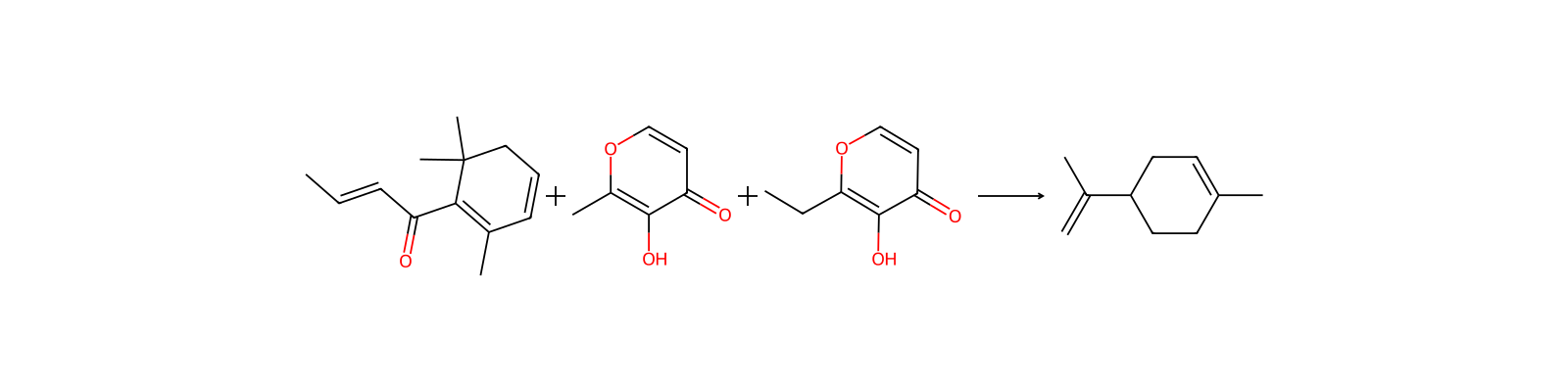
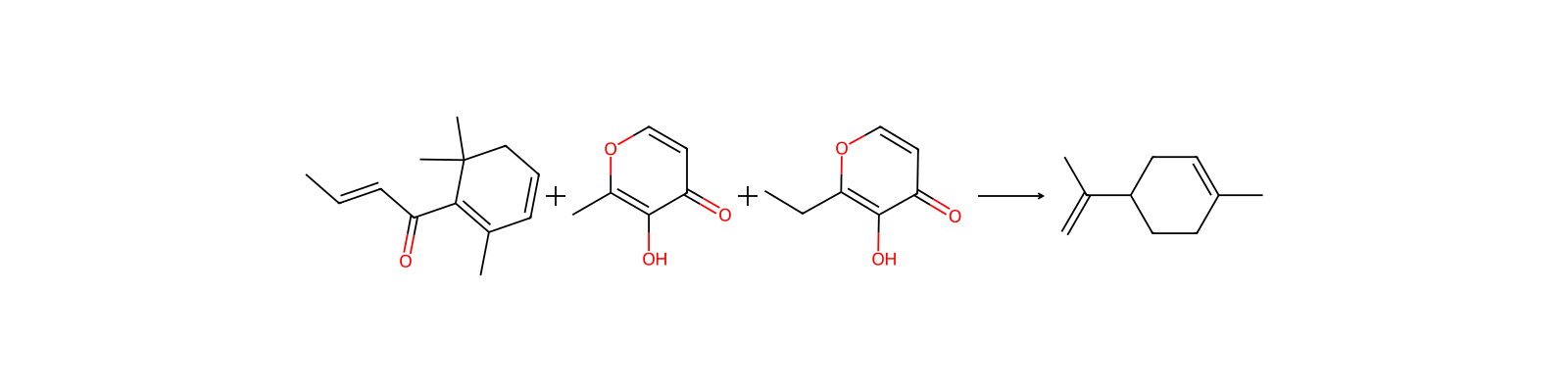
Reaktionsaufzeichnung erstellen
Reaktionsgleichung von HRID 65799
HRID 65799als Produktuspto-grants-1978_12
Reaktionsgleichung von HRID 261003
HRID 261003als Produktuspto-grants-1979_08
Reaktionsgleichung von HRID 322601
HRID 322601als Produktuspto-grants-2001_04
Reaktionsgleichung von HRID 520730
HRID 520730als Eduktuspto-grants-2016_05
Reaktionsgleichung von HRID 571153
HRID 571153als Eduktuspto-grants-2015_05
Reaktionsgleichung von HRID 653388
HRID 653388als Eduktuspto-grants-1987_06
Reaktionsgleichung von HRID 941920
HRID 941920als EduktValidation data from https://doi.org/10.1039/C8SC04228D
Reaktionsgleichung von HRID 980525
HRID 980525als Eduktuspto-grants-1987_01
Seite 1 von 3

Notizen zur Verbindung

Wird geladen…

Auf dieser SeiteGrundinformationenÜberblickNamen und BezeichnerEigenschaftenSicherheit und RegulatorischesChemie und IndustrieZugehörige ReaktionenNotizen zur Verbindung
Weitere Aktionen
Neue NotizNeue ReaktionAnfrage stellen
205-341-0、231-732-0、642-944-1
Nikkaji
J2.532A

0.8402 at 20.85 °C/4 °C

0.842 at 69.8 °F

Flavoring AgentsEU Flavoring substances
Color/Form · 3 Einträge

Colorless liquid

Colorless mobile liquid

Clear to light yellow liquid

Solubility · 3 Einträge

In water, 7.57 mg/L at 25 °C

Miscible with alcohol

Miscible with alcohol, ether.

Flash Point · 4 Einträge

115 °F (USCG, 1999)

45 °C

113 °F (45 °C) (Close cup)

115 °F

Physikochemische Eigenschaften

Schmelzpunkt
-84 · -84--104 °C
Siedepunkt
170 · 170-180 °C (lit.)
Dichte
0.86 g/mL · 0.86 g/mL at 20 °C (lit.)
Dampfdichte
4.7 · 4.7 (vs air)
Dampfdruck
3 mm · <3 mm Hg ( 14.4 °C)
Brechungsindex
20 · n20/D 1.473(lit.)
Flammpunkt
119 °F · 119 °F
storage temp.
30 °C · Store below +30°C.
Löslichkeit
Chloroform: Slightly Soluble
Aggregatzustand
Liquid
Farbe
Clear colorless to pale yellow
Geruch (Odor)
Pleasant, pine-like; lemon-like.
Biologische Quelle
synthetic
Geruchsart
citrus
Odor Threshold
0.038 ppm · 0.038ppm
Explosionsgrenze
0.7 · 0.7-6.1%, 150°F
Wasserlöslichkeit
1 g/100mL · <1 g/100mL
Spezifische Wärmekapazität
1.83 J/ · Cp(liquid): 1.83 J/(g·K), at 25℃
Merck
14 · 14,5493
BRN
3587825 · 3587825
Henry's Law Constant
4.7 · 4.7×10-4 mol/(m3Pa) at 25℃, Plyasunov and Shock (2000)
Dielectric constant
2.3 · 2.3(20℃)
Stabilität
Stable. Flammable. Incompatible with strong oxidizing agents.
Kosmetik-Inhaltsstoffe Funktionen
PERFUMINGSOLVENTDEODORANT
InChI
1S/C10H16/c1-8(2)10-6-4-9(3)5-7-10/h4,10H,1,5-7H2,2-3H3
InChIKey
AJSJXSBFZDIRIS-UHFFFAOYSA-N
SMILES
CC(=C)C1CCC(C)=CC1
LogP
4.57 · 4.57
CAS Datenbank
138 · 138-86-3(CAS DataBase Reference)
NIST chemische Informationen
Limonene(138-86-3)
EPA chemische Informationen
Limonene (138-86-3)
Fire PotentialFlammable when exposed to heat or flame.
Health Hazards · 2 Einträge

Liquid irritates eyes; prolonged contact with skin causes irritation. Ingestion causes irritation of gastrointestinal tract. (USCG, 1999)

CAUTION: Petroleum crude oil (UN1267) may contain TOXIC hydrogen sulphide gas.

Hazards Summary · 1 Eintrag

Skin and eye irritant; A skin sensitizer; [HSDB] Danger of skin sensitization; [MAK] An irritant; May cause skin sensitization; [MSDSonline] The racemic mixture of d-limonene and l-limonene is called dipentene (138-86-3).[Kanerva, p. 1789] See l-Limonene and d-Limonene.

DOT ID and Guide2052 128
FDA Requirements · 2 Einträge

Synthetic flavoring substances and adjuvants /for human consumption/ that are generally recognized as safe for their intended use, within the meaning of section 409 of the Act. Limonene (d-, l-, and dl-) is included on this list.

Synthetic flavoring substances and adjuvants /for animal drugs, feeds, and related products/ that are generally recognized as safe for their intended use, within the meaning of section 409 of the Act. Limonene (d-, l-, and dl-) is included on this list.

Reactive GroupHydrocarbons, Aliphatic Unsaturated
Special Reports · 1 Eintrag

USEPA/Office of Prevention, Pesticides and Toxic Substances; Reregistration Eligibility Decision Document (RED) - Limonene, EPA 738-R-94-034 (September 1994). The RED summarizes the risk assessment conclusions and outlines any risk reduction measures necessary for the pesticide to continue to be registered in the U.S.[Available from, as of June 3, 2015: http://www.epa.gov/pesticides/reregistration/status.htm]

FIFRA Requirements · 2 Einträge

Based on the reviews of the generic data for the active ingredients Limonene, the Agency has sufficient information on the health effects of Limonene and on its potential for causing adverse effects in fish and wildlife and the environment. Therefore, the Agency concludes that products containing Limonene for all uses are eligible for reregistration. The Agency has determined that limonene products, labeled and used as specified in this Reregistration Eligibility Decision, will not pose unreasonable risks or adverse effects to humans or the environment.

As the federal pesticide law FIFRA directs, EPA is conducting a comprehensive review of older pesticides to consider their health and environmental effects and make decisions about their continued use. Under this pesticide reregistration program, EPA examines newer health and safety data for pesticide active ingredients initially registered before November 1, 1984, and determines whether the use of the pesticide does not pose unreasonable risk in accordance to newer safety standards, such as those described in the Food Quality Protection Act of 1996. Pesticides for which EPA had not issued Registration Standards prior to the effective date of FIFRA '88 were divided into three lists based upon their potential for human exposure and other factors, with List B containing pesticides of greater concern than those on List C, and with List C containing pesticides of greater concern than those on List D. Limonene is found on List C. Case No: 3083; Pesticide type: insecticide, rodenticide; Case Status: RED Approved 09/94; OPP has made a decision that some/all uses of the pesticide are eligible for reregistration, as reflected in a Reregistration Eligibility Decision (RED) document.; Active ingredient (AI): limonene; Data Call-in (DCI) Date(s): 09/30/92, 09/08/94; AI Status: OPP has completed a Reregistration Eligibility Decision (RED) for the case/AI.

Sicherheit und Schutzausrüstung

Fire FightingExcerpt from ERG Guide 128 [Flammable Liquids (Water-Immiscible)]:
Accidental Release Measures · 2 Einträge

· CALL 911. Then call emergency response telephone number on shipping paper. If shipping paper not available or no answer, refer to appropriate telephone number listed on the inside back cover.

· ELIMINATE all ignition sources (no smoking, flares, sparks or flames) from immediate area.

First Aid · 2 Einträge

INHALATION: remove victim from contaminated area; administer artificial respiration if necessary; call physician.

General First Aid:

Exposure Control and Personal Protection· Wear positive pressure self-contained breathing apparatus (SCBA).
Storage Conditions · 2 Einträge

Store in a flammable liquid storage area or approved cabinet away from ignition sources and corrosive and reacting materials. ... Store in tightly closed containers in a cool, well ventilated area away from heat and incompatible materials.

Safe Storage of Pesticides. Always store pesticides in their original containers, complete with labels that list ingredients, directions for use, and first aid steps in case of accidental poisoning. Never store pesticides in cabinets with or near food, animal feed, or medical supplies. Do not store pesticides in places where flooding is possible or in places where they might spill or leak into wells, drains, ground water, or surface water.

Cleanup Methods · 2 Einträge

If a spill occurs, clean it up promptly. Don't wash it away. Instead, sprinkle the spill with sawdust, vermiculite, or kitty litter. Sweep it into a plastic garbage bag, and dispose of it as directed on the pesticide product label.

After Applying a Pesticide, Indoors or Outdoors. To remove pesticide residues, use a bucket to rinse tools or equipment three times, including any containers or utensils that you used when mixing the pesticide. Then pour the rinsewater into the pesticide sprayer and reuse the solution by applying it according to the pesticide product label directions. After applying any pesticide wash your hands and any other parts of your body that may have come in contact with the pesticide..To prevent tracking pesticides inside, remove or rinse your boots or shoes before entering your home. Wash any clothes that have been exposed to a lot of pesticide separately from your regular wash.

Nonfire Spill ResponseExcerpt from ERG Guide 128 [Flammable Liquids (Water-Immiscible)]:
Disposal Methods · 4 Einträge

SRP: Recycle any unused portion of the material for its approved use or return it to the manufacturer or supplier. Ultimate disposal of the chemical must consider: the material's impact on air quality; potential migration in air, soil or water; effects on animal, aquatic and plant life; and conformance with environmental and public health regulations. If it is possible or reasonable use an alternative chemical product with less inherent propensity for occupational harm/injury/toxicity or environmental contamination.

Dissolve or mix the material with a combustible solvent and burn in a chemical incinerator equipped with an afterburner and scrubber.

Safe Disposal of Pesticides. The best way to dispose of small amounts of excess pesticides is to use them - apply them - according to the directions on the label. If you cannot use them, ask your neighbors whether they have a similar pest control problem and can use them. If all of the remaining pesticide cannot be properly used, check with your local solid waste management authority, environmental agency, or health department to find out whether your community has a household hazardous waste collection program or a similar program for getting rid of unwanted, leftover pesticides. These authorities can also inform you of any local requirements for pesticide waste disposal.

Safe Disposal of Pesticides. An empty pesticide container can be as hazardous as a full one because of residues left inside. Never reuse such a container. When empty, a pesticide container should be rinsed carefully three times and the rinsewater thoroughly drained back onto the sprayer or the container previously used to mix the pesticide. Use the rinsewater as a pesticide, following label directions. Replace the cap or closure securely. Dispose of the container according to label instructions. Do not puncture or burn a pressurized container like an aerosol - it could explode. Do cut or puncture other empty pesticide containers made of metal or plastic to prevent someone from reusing them. Wrap the empty container and put it in the trash after you have rinsed it.

Preventive Measures · 5 Einträge

SRP: The scientific literature for the use of contact lenses by industrial workers is inconsistent. The benefits or detrimental effects of wearing contact lenses depend not only upon the substance, but also on factors including the form of the substance, characteristics and duration of the exposure, the uses of other eye protection equipment, and the hygiene of the lenses. However, there may be individual substances whose irritating or corrosive properties are such that the wearing of contact lenses would be harmful to the eye. In those specific cases, contact lenses should not be worn. In any event, the usual eye protection equipment should be worn even when contact lenses are in place.

Wear the items of protective clothing the label requires: for example, non-absorbent gloves (not leather or fabric), rubber footwear (not canvas or leather), a hat, goggles, or a dust-mist filter. If no specific clothing is listed, gloves, long-sleeved shirts and long pants, and closed shoes are recommended. You can buy protective clothing and equipment at hardware stores or building supply stores.

Indoor Applications. If the label directions permit, leave all windows open and fans operating after the application is completed. If the pesticide product is only effective in an unventilated (sealed) room or house, do not stay there. Put all pets outdoors, and take yourself any your family away from treated areas for at least the length of time prescribed on the label. Apply most surface sprays only to limited areas such as cracks; don't treat entire floors, walls, or ceilings. Don't let pesticides get on any surfaces that are used for food preparation. Wash any surfaces that may have pesticide residue before placing food on them.

Indoor Applications. When using total release foggers to control pests, use no more than the amount needed and to keep foggers away from ignition sources (ovens, stoves, air conditioners, space heaters, and water heaters, for example). Foggers should not be used in small, enclosed places such as closets and cabinets or under tables and counters.

Outdoor Applications. Never apply pesticides outdoors on a windy day (winds higher than 10 mph). Position yourself so that a light breeze does not blow pesticide spray or dust into your face.

Isolation and Evacuation · 2 Einträge

Excerpt from ERG Guide 128 [Flammable Liquids (Water-Immiscible)]:

Immediate precautionary measure

Personal Protective Equipment (PPE) · 2 Einträge

Solvent-resistant gloves; safety glasses or face shield; self- contained breathing apparatus for high vapor concentrations. (USCG, 1999)

Wear protective gloves and clothing to prevent any reasonable probability of skin contact.

Emergency Response Planning GuidelinesCAUTION: The majority of these products have a very low flash point. Use of water spray when fighting fire may be inefficient.

Toxikologische Informationen

Body Burden · 1 Eintrag

Limonene has been identified in the expired air of a selected urban population of normal, healthy, non-smoking volunteers(1). Limonene was qualitatively detected in 8 of 8 samples of mother's milk obtained from residents of urban centers in PA, NJ, and LA(2).

Interactions · 5 Einträge

Inhalation of ozone (O3), a highly toxic environmental pollutant, produces airway inflammation and exacerbates asthma. However, in indoor air, O3 reacts with terpenes (cyclic alkenes), leading to formation of airway irritating pollutants. The aim of the study was to examine whether inhalation of the reaction products of O3 and the terpene, limonene, as well as limonene and low-level O3 by themselves, induced allergic sensitization (formation of specific immunoglobulin [Ig] E) and airway inflammation in a subchronic mouse inhalation model in combination with the model allergen ovalbumin (OVA). BALB/cJ mice were exposed exclusively by inhalation for 5 d/wk for 2 wk and thereafter once weekly for 12 wk. Exposures were low-dose OVA in combination with O3, limonene, or limonene/O3 reaction products. OVA alone and OVA + Al(OH)3 served as control groups. Subsequently, all groups were exposed to a high-dose OVA solution on three consecutive days. Serum and bronchoalveolar lavage fluid were collected 24 hr later. Limonene by itself did not promote neither OVA-specific IgE nor leukocyte inflammation. Low-level O3 promoted eosinophilic airway inflammation, but not OVA-specific IgE formation. The reaction products of limonene/O3 promoted allergic (OVA-specific IgE) sensitization, but lung inflammation, which is a characteristic of allergic asthma, was not observed. In conclusion, the study does not support an allergic inflammatory effect attributed to O3-initiated limonene reaction products in the indoor environment.

Epidemiological investigations suggest a link between exposure to indoor air chemicals and adverse health effects. Consumer products contain reactive chemicals which can form secondary pollutants which may contribute to these effects. The reaction of limonene and ozone is a well characterized example of this type of indoor air chemistry. The studies described here characterize an in vitro model using an epithelial cell line (A549) or differentiated epithelial tissue (MucilAir). The model is used to investigate adverse effects following exposure to combinations of limonene and ozone. In A549 cells, exposure to both the parent compounds and reaction products resulted in alterations in inflammatory cytokine production. A one hour exposure to limonene+ozone resulted in decreased proliferation when compared to cells exposed to limonene alone. Repeated dose exposures of limonene or limonene+ozone were conducted on MucilAir tissue. No change in proliferation was observed but increases in cytokine production were observed for both the parent compounds and reaction products. Factors such as exposure duration, chemical concentration, and sampling time point were identified to influence result outcome. These findings suggest that exposure to reaction products may produce more severe effects compared to the parent compound.

Rauscher murine leukemiavirus infected F344 rat embryo cells were not transformed treated with subeffective doses of 3-methylcholanthrene. These cells treated with limonene showed carcinogenic transformation.

Mouse mammary glands respond to carcinogen stimulus to form mammary lesions in organ culture. In this study it was determined whether the effective chemopreventive agents are active against initiation or the promotion phase of lesion development. Mammary glands were subjected to 24 hr exposure to 2 mg/ml dimethylbenz(a)anthracene followed by a 5 day exposure to 7,12-tetradecanoyl phorbol-13-acetate. This treatment protocol allows the study of initiation and promotion aspects of lesion development. Chemopreventive agents effective when present prior to the carcinogen were considered as anti-initiators, whereas agents effective when present after the dimethylbenz[a]anthracene treatment along with 7,12-tetradecanoyl pherbol-13-acetate were considered as anti-promoters. Within the chemopreventive agents evaluated limonene was an anti-initiator.

For more Interactions (Complete) data for LIMONENE (6 total), please visit the HSDB record page.

Ecotoxicity Values · 5 Einträge

LD50; Species: Colinus virginianus (Bobwhite quail) age 16 weeks; oral >2000 mg/kg

LC50; Species: Colinus virginianus (Bobwhite quail) age 10 day; dietary >5620 ppm for 8 days

LC50; Species: Colinus virginianus (Bobwhite quail) age 14 days; dietary >5000 ppm for 8 days

LC50; Species: Anas platyrhynchos (Mallard duck) age 14 days; dietary >5000 ppm for 8 days

For more Ecotoxicity Values (Complete) data for LIMONENE (10 total), please visit the HSDB record page.

Environmental Fate · 3 Einträge

TERRESTRIAL FATE: Based on a classification scheme(1), an estimated Koc value of 1,100 determined from a structure estimation method(2), indicates that limonene is expected to have low mobility in soil(SRC). Volatilization from moist soil surfaces is expected to occur based on an estimated Henry's Law constant of 0.032 atm-cu m/mole(SRC) derived from its extrapolated vapor pressure, 1.55 mm Hg(3), and water solubility, 7.57 mg/L(4). Volatilization from dry soil surfaces may occur given the vapor pressure of this compound(3). Limonene is reported to undergo biodegradation under aerobic conditions, but is resistant to biodegradation under anaerobic conditions(5). Terpene acclimated inocula prepared from soil obtained from a coniferous forest and hardwood forest in North Carolina degraded limonene with a half-life of approximately 9-20 hours at 23 °C following a lag period of 15-23 hours(6).

AQUATIC FATE: Based on a classification scheme(1), an estimated Koc value of 1,100 determined from a structure estimation method(2), indicates that limonene is expected to adsorb to suspended solids and sediment in water(SRC). Volatilization from water surfaces is expected(3) based upon an estimated Henry's Law constant of 0.032 atm-cu m/mole(SRC) derived from its extrapolated vapor pressure, 1.55 mm Hg(4), and water solubility, 7.57 mg/L(5). Volatilization half-lives for a model river and model lake are 3 hours and 5 days, respectively(SRC). According to a classification scheme(6), an estimated BCF of 660(SRC), from a log Kow of 4.57(7), and a regression derived equation(2), suggests the potential for bioconcentration in aquatic organisms is high(SRC). Limonene is reported to undergo biodegradation under aerobic conditions (73% of its theoretical BOD in 2 weeks in Japanese MITI test(8)), but is resistant to biodegradation under anaerobic conditions(9).

ATMOSPHERIC FATE: According to a model of gas/particle partitioning of semivolatile organic compounds in the atmosphere(1), limonene, which has an extrapolated vapor pressure of 1.55 mm Hg at 25 °C(2), is expected to exist solely as a vapor in the ambient atmosphere. Vapor-phase limonene is degraded in the atmosphere by reaction with photochemically-produced hydroxyl radicals, nitrate radicals and ozone(SRC). The half-life for the reaction with hydroxyl radicals is estimated to be 2.6 hours(SRC) from its rate constant of 1.49X10⁻¹⁰ cu cm/molecule-sec at 25 °C(3). The half-life for the reaction with ozone is estimated to be 0.5 hours(SRC) from its rate constant of 6.5X10⁻¹⁶ cu cm/molecule-sec(4). The calculated nighttime lifetime for the reaction of limonene with nitrate radicals is 9 minutes(5). Limonene does not contain chromophores that absorb at wavelengths >290 nm(6) and, therefore, is not expected to be susceptible to direct photolysis by sunlight(SRC).

Food Survey Values · 1 Eintrag

Limonene (unspecified isomer) has been identified as a volatile component of fried chicken(1), chickpea seed (Cicer arietinum)(2), orange juice essence(3), mangos(4), roasted filberts (Corylus avellana)(5), Beaufort (Gruyere) cheese manufactured in the area of the French Alps(6) and Udaho Russet Burbank baked potatoes(7). It has been detected in a headspace analysis of intact, tree ripened nectarines, but not in an analysis of the blended fruit(8). Limonene was present at 0.62 and 0.21 nL/L in emissions from cereal silage and high-moisture ground corn, respectively, on farms sampled in California's San Joaquin Valley(9).

Adverse EffectsNeurotoxin - Acute solvent syndrome
Milk Concentrations · 1 Eintrag

EXPERIMENTAL: Limonene was qualitatively detected in 8 of 8 samples of mother's milk obtained from residents of urban centers in PA, NJ, and LA(1). Limonene was detected not quantified in fish oil-enriched milk for up to 14 days storage at 2 °C(2).

Toxicity Summary · 1 Eintrag

IDENTIFICATION AND USE: Limonene is a colorless liquid. It is not registered for current pesticide use in the U.S., but approved pesticide uses may change periodically and so federal, state and local authorities must be consulted for currently approved uses. Limonene is used as a solvent in degreasing metals prior to industrial painting, for cleaning in the electronic and printing industries, and in paint as a solvent. Limonene is also used as a flavor and fragrance additive in food, household cleaning products and perfumes. It is also used as gallstone solubilizer. HUMAN EXPOSURE AND TOXICITY: Limonene is a skin irritant in humans. The oxidized forms of limonene are known to cause allergic contact dermatitis. Limonene liquid has been reported to irritate eyes, ingestion causes irritation of GI tract. Albuminuria and hematuria are probable if ingested in sufficient quantity. It is also associated with mouth and throat irritation, shortness of breath, and impaired lung function. ANIMAL STUDIES: Limonene is a skin irritant in experimental animals. The critical organ in animals (except for male rats) following oral or ip administration is the liver. Exposure to limonene affects the amount and activity of different liver enzymes, liver weight, cholesterol levels and bile flow. These changes have been noted in mice, rats and dogs. Limonene and its epoxides were not mutagenic when tested at concentrations of 0.3-3333 ug/plate in in vitro assays using different strains of Salmonella typhimurium, in the presence or absence of metabolic activation. When incubated with Syrian hamster embryo cells up to 100 ug/mL or 3 mM, limonene did not induce statistically significant cell transformation. There is no evidence that limonene was teratogenic or produced embryotoxic effects in the absence of maternal toxicity. ECOTOXICITY STUDIES: Terrestrial organisms are most likely exposed to limonene via the air. The few studies of terrestrial species (i.e. insects) using vapor exposure revealed effects of limonene at ppm levels. In the aquatic environment, limonene exhibits high acute toxicity to fish and Daphnia.

Average Daily Intake · 1 Eintrag

The intake of limonene in food varies due to differing diet patterns. Based on daily US consumption of limonene per capita, the intake of limonene from food for the general population was estimated to be 0.27 mg/kg body weight per day(1). The intake of limonene from indoor and outdoor air for the general population is estimated to be 10 and 0.1 ug/kg body weight per day, respectively(1). The average exposure range of residents in Flemish homes for the elderly was 5.58-29.92 ppm/min corresponding to an uptake rate of 27 mL/min, sampled from 2007 through 2009 (2).

Ecotoxicity Excerpts · 2 Einträge

/AQUATIC SPECIES/ In the aquatic environment, limonene shows high acute toxicity to fish and Daphnia. Limonene concentrations in surface waters are generally much lower than experimentally determined acute toxicity levels, and therefore it is likely that limonene poses a low risk for acute toxic effects on aquatic organisms.

/OTHER TERRESTRIAL SPECIES/ Terrestrial organisms are most likely exposed to limonene via the air. The few studies on terrestrial species (i.e. insects) using vapor exposure revealed effects of limonene at parts per million levels.

Plant Concentrations · 2 Einträge

The flux of combined limonene and beta-phellandrene from a red pine (Pinus densiflora) forest in Japan was measured from May-November 2000(1). The largest values observed were in June with an average flux rate of 1.1 nmol/sq m-sec(1). The measured average emission rate of alpha-pinene and limonene in eucalyptus (Eucalyptus spp) was reported as 3.25 ug/g-hour(2). Limonene emission concentrations were 18, 10, 9, 17 nmol/sq m-min from Eucalyptus camaldulensis, E globulus, E grandis and E viminalis, respectively, in southern Australia(3). Estimated limonene emissions were 40.7, 98.9, 173.9, and 41.5 ug/sq m-hr for broadleaf trees, needle leaf trees, shrubs and bushes, and grasses and crops, respectively, for the United States were between July 2001 and January 2002(4).

Limonene concentrations in plants(1).

Ongoing Test Status · 1 Eintrag

EPA has released the first beta version (version 0.5) of the Interactive Chemical Safety for Sustainability (iCSS) Dashboard. The beta version of the iCSS Dashboard provides an interactive tool to explore rapid, automated (or in vitro high-throughput) chemical screening data generated by the Toxicity Forecaster (ToxCast) project and the federal Toxicity Testing in the 21st century (Tox21) collaboration. /The title compound was tested by ToxCast and/or Tox21 assays; Click on the "Chemical Explorer" button on the tool bar to see the data./[USEPA; ICSS Dashboard Application; Available from, as of April 22, 2015: http://actor.epa.gov/dashboard/]

Regulatorische Informationen

FDA Requirements · 2 Einträge

Synthetic flavoring substances and adjuvants /for human consumption/ that are generally recognized as safe for their intended use, within the meaning of section 409 of the Act. Limonene (d-, l-, and dl-) is included on this list.

Synthetic flavoring substances and adjuvants /for animal drugs, feeds, and related products/ that are generally recognized as safe for their intended use, within the meaning of section 409 of the Act. Limonene (d-, l-, and dl-) is included on this list.

FIFRA Requirements · 2 Einträge

Based on the reviews of the generic data for the active ingredients Limonene, the Agency has sufficient information on the health effects of Limonene and on its potential for causing adverse effects in fish and wildlife and the environment. Therefore, the Agency concludes that products containing Limonene for all uses are eligible for reregistration. The Agency has determined that limonene products, labeled and used as specified in this Reregistration Eligibility Decision, will not pose unreasonable risks or adverse effects to humans or the environment.

As the federal pesticide law FIFRA directs, EPA is conducting a comprehensive review of older pesticides to consider their health and environmental effects and make decisions about their continued use. Under this pesticide reregistration program, EPA examines newer health and safety data for pesticide active ingredients initially registered before November 1, 1984, and determines whether the use of the pesticide does not pose unreasonable risk in accordance to newer safety standards, such as those described in the Food Quality Protection Act of 1996. Pesticides for which EPA had not issued Registration Standards prior to the effective date of FIFRA '88 were divided into three lists based upon their potential for human exposure and other factors, with List B containing pesticides of greater concern than those on List C, and with List C containing pesticides of greater concern than those on List D. Limonene is found on List C. Case No: 3083; Pesticide type: insecticide, rodenticide; Case Status: RED Approved 09/94; OPP has made a decision that some/all uses of the pesticide are eligible for reregistration, as reflected in a Reregistration Eligibility Decision (RED) document.; Active ingredient (AI): limonene; Data Call-in (DCI) Date(s): 09/30/92, 09/08/94; AI Status: OPP has completed a Reregistration Eligibility Decision (RED) for the case/AI.

Sicherheitsdaten

F
8-10-23
wgk
2
tsca
TSCA listed
ridadr
UN 2052
hs_code
29021990
RTECS-Nr.
OS8350000
risk_code
10-38-43-50/53
Toxizität
LD50 orally in Rabbit: 5300 mg/kg
hazard_code
Xi,N
safety_code
24-37-60-61
hazard_class
3
packing_group
III
Speicherklasse
3 - Flammable liquids
Giftige Stoffe Daten
138-86-3(Hazardous Substances Data)
Hazard Classifications
Aquatic Acute 1Aquatic Chronic 1Flam. Liq. 3Skin Irrit. 2Skin Sens. 1
Selbstentzündungstemperatur
458 °F

... A metabolite isolated from rabbit urine was identified as p-mentha-1,8-dien-10-ol. ...

Limonene given orally to humans yields the following major plasma metabolites: perillic acid, limonene-1,2-diol, limonene-8,9-diol, and dihydroperillic acid, probably derived from perillic acid. Limonene (unchanged) and perillic acid artifacts (methyl ester) were also detected as minor plasma metabolites. Peak plasma levels for all metabolites were achieved 4-6 hours after administration, with the exception of limonene-8,9-diol which reached its peak level one hour after administration. Phase II glucuronic acid conjugates have been identified in the urine of human volunteers for all major and minor metabolites. They include the glucuronic acid conjugates of perillic acid, dihydroperillic acid, limonene-8,9-diol, limonene-10- ol, limonene-6-ol, and limonene-7-ol (perillyl alcohol).

Absorption, Distribution and Excretion · 3 Einträge

The data suggest that monoterpenes are poorly resorbed in the GI tract. The resorbed portion of hydrocarbons accumulates in the lipophilic body compartments and is metabolized and then excreted by the kidneys. /Monoterpenes/

Percutaneous absorption of radioactive limonene from foam bath was measured in animals. Maximum blood level reached after 10 min of exposure and the concentration was proportional to the skin exposed.

...SKH-1 mice received topical or oral administration of limonene in the form of orange oil every day for 4 weeks ... Plasma and mammary pads were collected 4 hr after the final dosing. The mouse disposition study showed that topical and oral orange oil administration resulted in similar mammary tissue disposition of limonene with no clinical signs of toxicity ... Our studies showed that limonene is bio available in mammary tissue after topical orange oil application in mice ...

Cellular LocationsExtracellular

Verwendung und Herstellung

Uses · 6 Einträge

Used in flavorings, fragrances, cosmetics and as a solvent and wetting agent; Also used to make resins, insecticides, insect repellants, and animal repellants; [HSDB] Used as a dissolving agent for gallstones and gutta-percha; [ChemIDplus] Used in floor waxes and furniture polishes; [CAMEO] Occurs naturally in essential oils of many plants and is a minor constituent of turpentine; [CHEMINFO]

Painting (Solvents) [Category: Paint]

For limonene (USEPA/OPP Pesticide Code: 079701) there are 0 labels match. /SRP: Not registered for current use in the U.S., but approved pesticide uses may change periodically and so federal, state and local authorities must be consulted for currently approved uses./

Monomer in terpene resins; solvent for oleoresinous products; general wetting and dispersing agent; chemical intermediate for various organic compounds; flavor ingredient (orange-like).

One important use for (R)-(+)-limonene is its use as a chiral starting material for the synthesis of (R)-(-)-carvone.

An application for printed circuit board cleaners has also been developed using dipentene and limonene with emulsifying surfactants to facilitate removal by rinsing in water.

Impurities · 1 Eintrag

Impurities are mainly other monoterpenes, such as myrcene (7-methyl-3-methylene-1,6-octadiene), alpha-pinene (2,6,6-trimethyl-bicyclo[3.1.1]hept-2-ene), alpha-pinene (6,6-dimethyl-2-methylene-bicyclo[3.1.1]heptane), sabinene (2-methyl-5-(1-methylethyl)-bicyclo[3.1.0]hexan-2-ol), and Gamma3-carene ((1S-cis)-3,7,7-trimethyl-bicyclo[4.1.0]hept-2-ene).

U.S. Production · 6 Einträge

2023: 5,500,000 - <7,000,000 lb

(1986) >10 million-50 million pounds

(1990) 10 thousand-500 thousand pounds

(1994) 10 thousand-500 thousand pounds

(1998) >1 million-10 million pounds

For more U.S. Production (Complete) data for LIMONENE (7 total), please visit the HSDB record page.

Consumption PatternsUse in fragrances in the USA amounts to <1000 lb/yr.
Consumer UsesFragrance
Industry UsesMonomers
Methods of Manufacturing · 4 Einträge

Extraction from Southeastern pine stumps, and citrus fruits (especially from the peels of oranges and lemons); from pyrolysis of alpha-pinene

As a by-product in the manufacture of terpineol and in various synthetic products made from alpha-pinene or turpentine oil.

Derivation: (1) Lemon, bergamot, caraway, orange, and other oils, (2) peppermint and spearmint oils.

The richest sources are the oils contained in the peel of citrus fruits, which contain levels up to 90%. The major source of limonene is ... from citrus peel, largely as a by-product of the fruit juice industry. Citrus fruit produce the (R)-enantiomer and so the bulk of commercially available limonene is dextrorotatory. The levorotatory enantiomer is available, but in much more restricted supply and at a higher price.

Formulations/Preparations · 2 Einträge

Dipenten

Dipentene, mixture of limonene, 56-64%, and terpinolene, 20-25%

Household Products · 3 Einträge

Cosmetics product ingredient: Limonene (1-methyl-4-prop-1-en-2-yl-cyclohexene; dl-limonene (racemic); Dipentene; (R)-p-mentha-1,8-diene; (d-limonene); (S)-p-mentha-1,8-diene; (l-limonene))

Information on 149 consumer products that contain Dipentene in the following categories is provided:

Information on 6 consumer products that contain 1-Methyl-4-Methylvinyl-Cyclohexene in the following categories is provided:

Use Classification · 3 Einträge

Fragrance Ingredients

Fragrance Ingredients

Cosmetics -> Solvent

General Manufacturing Information · 5 Einträge

Soap, Cleaning Compound, and Toilet Preparation Manufacturing

Cyclohexene, 1-methyl-4-(1-methylethenyl)-: ACTIVE

Concentration in final product (%): as usual to maximum range is 0.05-0.75 in soap; 0.05-0.075 in detergent; 0.5-2.0 in perfume and 0.25 maximum in creams and lotions.

A widely distributed, optically active terpene, closely related to isoprene. It occurs naturally in both d- and l-forms. Racemic mixture of the two isomers is known as dipentene.

Limonene is the most important and widespread terpene; it is known in the d- and l- optically active forms and in the optically inactive dl-form (known as dipentene).

Anwendungen · 3 Einträge

BeschreibungD-limonene, which is a volatile oil, constitutes approximately 98% of orange peel oil by weight and has moderately good knockdown activity against ectoparasites of companion animals. The insecticidal activity of both d-limonene and linalool is enhanced when synergized by piperonyl butoxide. Apart from toxicoses reported in cats (65), d-limonene generally has a high margin of safety.

OccurrenceIt has been reported found in more than 300 essential oils in amounts ranging from 90 to 95% (lemon, orange, mandarin) to as low as 1% (palmarosa); the most widespread form is the d-limonene, followed by the racemic form and then l-limo nene. Also reported found in ginger, nutmeg, pepper, mace, hop oil, coriander seed, calamus, dill herb, caraway seed and rosemary.

Verwendend-Limonene is a flavoring agent that is a liquid, colorless with a pleasant odor resembling mild citrus. It is miscible in alcohol, most fixed oils, and mineral oil; soluble in glycerin; and insoluble in water and propylene glycol. It is obtained from citrus oil. It is also termed d-p-mentha-1,8,diene and cinene.

Darstellung

synthetisched-Limonene may be obtained by steam distillation of citrus peels and pulp resulting from the production of juice and cold pressed oils, or from deterpenation of citrus oils; it is sometimes redistilled.

Vor- und nachgelagerte Produkte

Vorgelagerte Rohstoffe

Terpentinöl (MIX)DL-Pin-2(3)-enCornmint oilCitrus OilPlant essential oilBornan-2-onTERPENENeroli oilWhite camphor oil

Nachgelagerte Produkte

Hydrogen peroxide p-menthane1-Isopropyl-4-methylcyclohexanTerpene resin。SyntheticIron oxide red phenolic antirust paintTerephthalonitril2,6-Dimethylocta-2,4,6-trienCyclohexene,1-methyl-5-(1-1-Methylen-4-(1-methylvinyl)cyclohexanDICHLORO(DICYCLOPENTADIENYL)PLATINUM(II)

Ergänzende Hinweise

DefinitionChEBI: A monoterpene that is cyclohex-1-ene substituted by a methyl group at position 1 and a prop-1-en-2-yl group at position 4 respectively.