
Grundinformationen
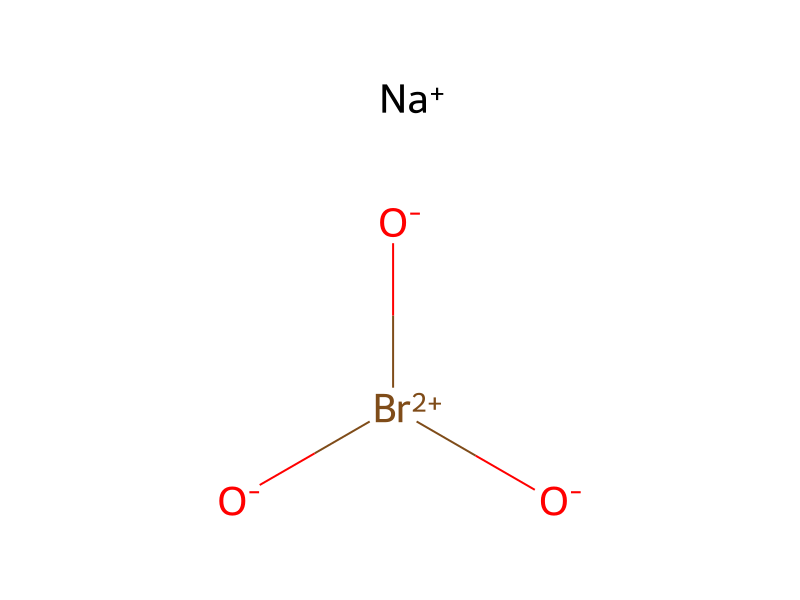
- Standard-SMILES
[Na+].[O-][Br+2]([O-])[O-]- InChIKey
KDIZBQIJCLJRPG-UHFFFAOYSA-N- Summenformel
- NaBrO3
- Durchschnittliche Molmasse
- 150,89 g/mol
- Monoisotopische Masse
- 149,89285024
Überblick
Sodium bromate appears as a white crystalline solid. May explode under prolonged exposure to heat or fire. Used in chemical analysis.
Namen und Bezeichner
- Bevorzugter Name
- Sodium Bromate
- IUPAC
- sodium bromate
Namen und Synonyme
SODIUM BROMATE7789-38-0Bromic acid, sodium saltDyetoneBromate de sodiumNeutralizer K-126Neutralizer K-140Neutralizer K-938Sodium bromate(DOT)Sodium bromate (NaBrO3)DTXSID9023837U54JK6453O
Weitere Namen anzeigen
NaBrO3DTXCID603837CHEBI:75229NSC-77383RefChem:887354232-160-4sodium;bromateBromate de sodium [French]
Datenbank-Bezeichner
- CAS
7789-38-0- PubChem CID
- 23668195
- DTXSID
DTXSID9023837- ChEMBL
CHEMBL1348453- ChEBI
CHEBI:75229- UNII
- U54JK6453O
- EC Number
- 232-160-4
- Nikkaji
- J44.033G
Eigenschaften
Berechnete Struktureigenschaften
- Polarare Oberfläche (TPSA)
- 57,2 Ų
- H-Brücken-Donoren
- 0
- H-Brücken-Akzeptoren
- 3
- Frei drehbare Bindungen
- 0
- Schwere Atome
- 5
- Formalladung
- 0
- Komplexität
- 49,8
Experimentelle und physikochemische Eigenschaften
Chemical ClassesOther Classes -> Halogens, Inorganic Compounds
Cosmetics
Cosmetic ingredients (Sodium Bromate) -> CIR (Cosmetic Ingredient Review)
Oxidising
pHAqueous solution is neutral
OdorOdorless
Density
3.200 g/cu cm
Relative density (water = 1): 3.34
3.339 @25 °C
Color/Form
White crystals or white powder
Colorless cubic crystals
Colorless crystal or powder
Solubility
Solubility in water (g/100 g water): 27.5 at 0 °C; 48.8 at 40 °C; 62.6 at 60 °C; 75.8 at 80 °C; 90.8 at 100 °C
In water, 39.4 g/100 g at 25 °C
In water (g/100 g water): 36.4 at 20 °C
Soluble in water
Insoluble in ethanol
Solubility in water, g/100ml at 20 °C: 36.4
Endocrine DisruptorsPotential endocrine disrupting compound
Decomposition
When heated to decomposition it emits toxic fumes of Na2O and /hydrogen bromide/.
381 °C
Melting Point
381 °C decomposes with oxygen evolution
381 °C
Refractive IndexIndex of refraction: 1.594
Physical Description
Sodium bromate appears as a white crystalline solid. May explode under prolonged exposure to heat or fire. Used in chemical analysis.
Large Crystals; Dry Powder
Colorless or white odorless solid; [Merck Index] White odorless powder; [MSDSonline]
COLOURLESS CRYSTALS.
Sicherheit und Regulatorisches
GHS-Klassifizierung
GHS Classification
Danger
H271 (34%): May cause fire or explosion; strong Oxidizer [Danger Oxidizing liquids; Oxidizing solids]
P203, P210, P220, P261, P264, P264+P265, P270, P271, P280, P283, P301+P316, P301+P317, P302+P352, P304+P340, P305+P351+P338, P306+P360, P318, P319, P321, P330, P332+P317, P337+P317, P362+P364, P370+P378, P371+P380+P375, P403+P233, P405, P420, and P501 (click each P-code to see the statement)
Aggregated GHS information provided per 332 reports by companies from 21 notifications to the ECHA C&L Inventory. Each notification may be associated with multiple companies.
Danger
H272: May intensify fire; oxidizer [Danger Oxidizing liquids; Oxidizing solids]
Gefahrenhinweise
Regulatory Information
Chemical: Bromic acid, sodium salt
Bromic acid, sodium salt (1:1) is listed on the EPA's Chemical Data Reporting (CDR) system. Manufacturers and importers of Bromic acid, sodium salt (1:1) are required to report information about their production and use of this chemical to the EPA under the Toxic Substances Control Act (TSCA). (40 eCFR Part 711)
Status: Active Update: 13-03-2020 https://echa.europa.eu/registration-dossier/-/registered-dossier/24444
Bromic acid, sodium salt: HSNO Approval: HSR001347 Approved with controls
The New Jersey Worker and Community Right to Know Act requires public and private employers to provide information about hazardous substances at their workplaces. (N.J.S.A. 34:5A-1 et. seq.)
Other Safety InformationIMAP assessments - Bromates: Human health tier II assessment
DOT LabelOxidizer
Fire Hazards
Excerpt from ERG Guide 140 [Oxidizers]:
CAUTION: Ammonium nitrate products may explode if involved in fire or contaminated with hydrocarbons (fuels), organic matter, other contaminants or when hot molten and contained. Treat as an explosive (GUIDE 112).
Not combustible but enhances combustion of other substances. Gives off irritating or toxic fumes (or gases) in a fire. Risk of fire and explosion on contact with combustible substances or reducing agents.
Fire PotentialNot combustible but enhances combustion of other substances.
Health Hazards
Excerpt from ERG Guide 140 [Oxidizers]:
· Inhalation, ingestion or contact (skin, eyes) with vapors or substance may cause severe injury, burns or death.
Hazards Summary
An oxidizer; Fire hazard near organic materials; [Hawley] A skin, eye, and respiratory tract irritant; Toxicity is similar to that of chlorates; Can cause deafness and CNS depression; Acute renal failure occurs in most poisoning cases; Estimated lethal dose is 200-500 mg/kg; [HSDB] A skin, eye, and respiratory tract irritant; The substance may cause effects on the kidneys and nervous system when ingested, resulting in renal failure, respiratory depression, hearing loss and peripheral neuropathy. The effects may be delayed. [ICSC] After ingestion in suicide cases, patients may have anemia from intravascular hemolysis; A strong oxidizing agent; May ignite combustible materials; Heat or contamination my cause to explode; [CAMEO] An oxidizing agent; May cause fire on contact with combustible material; An irritant; [MSDSonline] See Potassium bromate.
DOT ID and Guide1494 140
Reactive GroupOxidizing Agents, Strong
UN ClassificationUN Hazard Class: 5.1; UN Pack Group: II
Special Reports
Cosmetic Ingredient Review; Final Amended Report on the Safety Assessment of Sodium Bromate and Potassium Bromate . Journal of the American College of Toxicology 13 (5): 400-14 (1994).[Available from, as of January 19, 2019: https://www.cir-safety.org/ingredients]
Reactivity AlertsStrong Oxidizing Agent
Sicherheit und Schutzausrüstung
Fire Fighting
Excerpt from ERG Guide 140 [Oxidizers]:
Use water in large amounts.
First Aid Measures
Fresh air, rest. Refer for medical attention.
Rinse and then wash skin with water and soap.
First rinse with plenty of water for several minutes (remove contact lenses if easily possible), then refer for medical attention.
Rinse mouth. Give a slurry of activated charcoal in water to drink. Refer for medical attention .
Accidental Release Measures
· CALL 911. Then call emergency response telephone number on shipping paper. If shipping paper not available or no answer, refer to appropriate telephone number listed on the inside back cover.
· Keep combustibles (wood, paper, oil, etc.) away from spilled material.
First Aid
Excerpt from ERG Guide 140 [Oxidizers]:
General First Aid:
Safe StorageSeparated from combustible substances and reducing agents. See Chemical Dangers.
Firefighting HazardsProlonged exposure to fire or heat by the material may result in an explosion.
Exposure Control and Personal Protection· Wear positive pressure self-contained breathing apparatus (SCBA).
Fire Fighting Procedures
Suitable extinguishing media: Use water spray, alcohol-resistant foam, dry chemical or carbon dioxide.
Advice for firefighters: Wear self-contained breathing apparatus for firefighting if necessary.
Use water spray to cool unopened containers.
If material on fire or involved in fire: Flood with water. Cool all affected containers with flooding quantities of water. Apply water from as far a distance as possible.
Evacuation: If fire becomes uncontrollable-consider evacuation of one-half (1/2) mile radius.
Storage Conditions
Separated from combustible substances and reducing agents.
Keep container tightly closed in a dry and well-ventilated place.
Keep from contact with organic matter.
Cleanup Methods
Personal protection: particulate filter respirator adapted to the airborne concentration of the substance. Do NOT absorb in saw-dust or other combustible absorbents. Sweep spilled substance into covered sealable containers. If appropriate, moisten first to prevent dusting. Carefully collect remainder. Then store and dispose of according to local regulations.
ACCIDENTAL RELEASE MEASURES: Personal precautions, protective equipment and emergency procedures: Use personal protective equipment. Avoid dust formation. Avoid breathing vapors, mist or gas. Ensure adequate ventilation. Evacuate personnel to safe areas. Avoid breathing dust. Environmental precautions: Do not let product enter drains. Methods and materials for containment and cleaning up: Sweep up and shovel. Contain spillage, and then collect with an electrically protected vacuum cleaner or by wetbrushing and place in container for disposal according to local regulations. Keep in suitable, closed containers for disposal.
Nonfire Spill ResponseExcerpt from ERG Guide 140 [Oxidizers]:
Disposal Methods
SRP: Recycle any unused portion of the material for its approved use or return it to the manufacturer or supplier. Ultimate disposal of the chemical must consider: the material's impact on air quality; potential migration in air, soil or water; effects on animal, aquatic and plant life; and conformance with environmental and public health regulations. If it is possible or reasonable use an alternative chemical product with less inherent propensity for occupational harm/injury/toxicity or environmental contamination.
Product: Burn in a chemical incinerator equipped with an afterburner and scrubber but exert extra care in igniting as this material is highly flammable. Offer surplus and non-recyclable solutions to a licensed disposal company. Contact a licensed professional waste disposal service to dispose of this material; Contaminated packaging: Dispose of as unused product.
Toxikologische Informationen
Treatment
EYES: irrigate opened eyes for several minutes under running water. INGESTION: do not induce vomiting. Rinse mouth with water (never give anything by mouth to an unconscious person). Seek immediate medical advice. SKIN: should be treated immediately by rinsing the affected parts in cold running water for at least 15 minutes, followed by thorough washing with soap and water. If necessary, the person should shower and change contaminated clothing and shoes, and then must seek medical attention. INHALATION: supply fresh air. If required provide artificial respiration.
Health Effects
Bromine vapour causes irritation and direct damage to the mucous membranes. Elemental bromine also burns the skin. The bromide ion is a central nervous system depressant and chronic exposure produces neuronal effects. This is called bromism and can result in central reactions reaching from somnolence to coma, cachexia, exicosis, loss of reflexes or pathologic reflexes, clonic seizures, tremor, ataxia, loss of neural sensitivity, paresis, papillar edema of the eyes, abnormal speech, cerebral edema, delirium, aggressiveness, and psychoses. Bromate is also a potential carcinogen. (L625, L626, L627, L638)
Ecotoxicity Values
LC50; Species: Daphnia magna (Water flea) <24 hr neonate; Conditions: freshwater, renewal; Concentration: 112.7 mg/L for 24 hr /> or =98% purity/
LC50; Species: Daphnia magna (Water flea) <24 hr neonate; Conditions: freshwater, renewal; Concentration: 55.3 mg/L for 48 hr /> or =98% purity/
LC50; Species: Daphnia magna (Water flea) <24 hr neonate; Conditions: freshwater, renewal; Concentration: 46.8 mg/L for 72 hr /> or =98% purity/
LC50; Species: Daphnia magna (Water flea) <24 hr neonate; Conditions: freshwater, renewal; Concentration: 46.8 mg/L for 96 hr /> or =98% purity/
For more Ecotoxicity Values (Complete) data for Sodium bromate (6 total), please visit the HSDB record page.
Adverse Effects
Neurotoxin - Other CNS neurotoxin
Compound with “fair evidence” of ototoxicity (it is a suspected ototoxic substance).
Exposure Routes
The substance can be absorbed into the body by inhalation of its aerosol and by ingestion.
Oral (L626) ; inhalation (L626) ; dermal (L626)
Toxicity Summary
Based upon the data included in this report the CIR Expert Panel concludes that Sodium Bromate and Potassium Bromate may be used in cosmetic permanent wave formulations at concentrations not to exceed 10.17%, measured as Sodium Bromate.
Safe for use in cosmetics, with qualifications
IDENTIFICATION AND USE: Sodium bromate is a solid and a strong oxidant. It is used as an analytical reagent, as a neutralizing solution in hair permanents, and an auxiliary agent in printing and dyeing. HUMAN STUDIES: For decades, it has been known that ingested sodium bromate can induce hearing loss. Hearing loss onset, following high-dose ingestion, is generally rapid occurring within 4-16 hr and of a severe to profound degree. Unlike the sensorineural hearing loss which is generally irreversible, bromate-induced tinnitus, which is less well-studied, may be permanent or temporary. It is not clear whether actual bromate-induced vestibulotoxicity occurs in clinical populations. The primary sites of lesion for bromate-induced ototoxicity appear to be in the cochlea. Several cases of acute bromate intoxication have been reported in humans following accidental or suicidal ingestion of permanent hair wave neutralizing solutions. These products usually contain either 2% potassium bromate or 10% sodium bromate. The most common acute signs are severe gastrointestinal irritation (vomiting, pain, diarrhea) and central nervous system depression (lethargy, hypotension, hypotonicity, loss of reflexes). Anemia from intravascular hemolysis may also occur. These effects are usually reversible. Later sequelae (usually within several days) include marked renal injury and hearing loss. Death from renal failure may ensue if medical intervention is not successful. A 17-year-old hairdresser developed sodium bromate poisoning after drinking a cup of hair neutralizer in a suicide attempt. She presented 1 week later with anuria, required hemodialysis for 5 days, and subsequently recovered. A case of sodium bromate poisoning is reported in a 21-month-old boy who ingested approximately 6 oz of a professional hair waving neutralizer and developed acute renal failure. In another case, a 34 year old man attempted suicide by ingestion of 14 g of sodium bromate. He developed a cerebral lesion due to sodium bromate intoxication which was confirmed on MRI, SPECT, auditory brainstem response (ABR) and sensory evoked potential (SEP). ANIMAL STUDIES: Sodium bromate is reported to have skin and eye irritant properties. It was a mild sensitizer in the Buehler test in guinea pigs. In guinea pigs, subcutaneous injections of 100 mg/kg bw sodium bromate produced cochlear damage--ie degenerative changes of the outer hair cells by 24 hr. Animals killed at that time revealed hyaline degeneration, cloudy swelling and necrosis of the epithelial cells in renal tubules, which were most severe in the proximal convoluted tubules. After injection of 200 mg/kg bw, there was more rapid onset of similar effects. The reproductive toxicity of sodium bromate in rats was evaluated in a short-term test. No changes were observed in the reproductive function of the females. Males showed no treatment-related histological changes in the kidneys, liver, spleen, testis or epididymis, but the activity of serum alanine aminotransferase was decreased by 14% at the two higher doses. There was a significant (18%) decrease in epididymal sperm density in males at the high dose. Sodium bromate was tested in the Ames test, the micronucleus test on mouse bone marrow, and the recessive lethal test using Drosophila. It was negative in the Ames test and in the Drosophila recessive lethal test. However, it showed significant mutagenic effects in a dose-dependent manner in the mouse micronucleus test system. ECOTOXICITY STUDIES: sodium bromate produced a weak induction of DNA damage to whole zebrafish embryos. Developmental effects occurred at a range of concentrations 20-100 ug/mL.
Bromine is a powerful oxidizing agent and is able to release oxygen free radicals from the water in mucous membranes. These free radicals are also potent oxidizers and produce tissue damage. In additon, the formation of hydrobromic and bromic acids will result in secondary irritation. The bromide ion is also known to affect the central nervous system, causing bromism. This is believed to be a result of bromide ions substituting for chloride ions in the in actions of neurotransmitters and transport systems, thus affecting numerous synaptic processes. (L626, L627, A543)
Ecotoxicity Excerpts
/AQUATIC SPECIES/ Acute toxic effects of potassium bromate, sodium bromate and potassium bromide on luminescent bacteria, water flea, green alga and zebrafish were studied using standard toxic testing methods. The results showed that the pollutants had no effect on the luminous intensity of luminescent bacteria. The 96 hr EC50 of potassium bromate on Scenedesmus obliquus was 738.18 mg/L, 48 hr EC50 on Daphnia magna and Moina was 154.01 mg/L was 161.80 mg/L, while 48 hr LC50 was 198 52 mg/L, 175.68 mg/L, and 96 hr LC50 on zebrafish was 931.4 mg/L. The 96 hr EC50 of sodium bromate on Scenedesmus obliquus was 540.26 mg/L, 48 hr EC50 Daphnia magna and Moina was 127.90 mg/L, 111.07 mg/L, while 48 hr LC50 was 161.80 mg/L, 123.47 mg/L, and 96 hr LC50 on zebrafish was 1065.6 mg/L. But the effects of potassium bromide on the above several kinds of aquatic organisms were far smaller than those of potassium bromate and sodium bromate. The toxic effects on test organisms were due to the impacts of bromate after the comparison of different pollutants, and the effects were more obvious with the increase of exposure time. The order of sensitivity to the toxic effects of bromate was Daphnia magna, Moina > Scenedesmus obliquus > zebrafish > Chlorella vulgaris, luminescent bacteria.
/AQUATIC SPECIES/ Ballast water treatment has become a major issue in the last decade due to the problem of invasive species transported and released by the uptake and discharge of ballast water for shipping operations. One of the important issues considering ballast water treatment is to determine whether treated ballast water, once discharged, is safe to the aquatic environment. The International Maritime Organization (IMO) Marine Environmental Protection Committee (MEPC) has determined that prior to approval of a ballast water management system, aquatic toxicity data must be available for both the active substance and relevant byproducts. Many proposed ballast water treatment systems use chlorine as the active ingredient. Although there are sufficient toxicity data concerning active substances such as chlorine, there are limited toxicity data concerning disinfection (halogenated) byproducts including dibromochloromethane, four haloacetic acids and sodium bromate. Acute and chronic toxicity were determined for these disinfection byproducts (DBPs). Acute toxicity values ranged from 96-hr LC50s of 46.8 mg/L for Daphnia magna for both dibromochloromethane and sodium bromate to a 96-hr LC50 of 376.4 mg/L for Cyprinodon variegatus for tribromoacetic acid. Acute Isochrysis galbana population growth effect values ranged from a 72-hr EC10 of 39.9 mg/L for dichloroacetic acid to a 72-hr EC50 of 15,954 mg/L for sodium bromate. Chronic toxicity mortality/reproduction effects values for D. magna ranged from a 21-day IC25 of 160.9 mg/L for tribromoacetic acid to a 21-day LOEC of 493.0 mg/L for trichloroacetic acid. Chronic toxicity mortality/growth values for C. variegatus ranged from a 32-day IC25 of 246.8 mg/L for trichloroacetic acid to a 32-day LOEC of 908.1 mg/L for tribromoacetic acid. I. galbana 96-hr chronic population growth effects values ranged from an EC10 of 38.5 mg/L for trichloroacetic acid to an LOEC of 500.0 mg/L for tribromoacetic acid. Acute to chronic ratios for all of these DBPs ranged from 0.8 to 3.0. Based on toxicity/ecorisk categories generated by the U.S. Environmental Protection Agency, these disinfection byproducts would be considered either slightly toxic or practically nontoxic to the aquatic organisms tested.
/AQUATIC SPECIES/ Disinfection by-products /DBPs/ are contaminants produced during drinking water disinfection. Several DBPs have been implicated in a variety of toxic effects, mainly carcinogenic and genotoxic effects. Moreover, DBPs exposure has also been associated with an increased risk of developmental effects. In this study, the developmental toxicity and genotoxicity of 10 DBPs (four trihalomethanes [THMs], five haloacetic acids [HAAs] and sodium bromate) in the zebrafish embryo model were evaluated. Embryos exposed for 72 hours were observed for different endpoints such as growth, hatching success, malformations and lethality. THMs exposure resulted in adverse developmental effects and a significant reduced tail length. Two HAAs, tribromoacetic acid and dichloroacetic acid, along with sodium bromate were found to cause a significant increase in malformation rate. Chloroform, chlorodibromomethane and sodium bromate produced a weak induction of DNA damage to whole embryos. However, developmental effects occurred at a range of concentrations (20-100 ug/mL) several orders of magnitude above the levels that can be attained in fetal blood in humans exposed to chlorinated water. In conclusion, the teratogenic and genotoxic activity observed by some DBPs in zebrafish reinforce the view that there is a weak capacity of disinfection products to cause developmental effects at environmentally relevant concentrations.
/AQUATIC SPECIES/ Striped bass eggs (12 hr after fertilization) and larvae (4 days after hatching) and juvenile spot were exposed to a series of bromate concentrations (including sodium bromate) for 4, 10, and 10 days, respectively, using a static replacement bioassay technique. Newly hatched striped bass prolarvae were most sensitive to bromate and had a 96 hr median lethal concentration of (LC50) 30.8 mg/L (as bromate). Four-day-old striped bass larvae were less sensitive, with 2- to 10-day LC50s ranging from 605.0 to 92.6 mg/L bromate, resp. Juvenile spot were least sensitive, with 1- to 10-day LC50s ranging from 698.0 to 278.6 mg/L bromate, respectively.
Signs and Symptoms
Cough. Sore throat. See Ingestion.
Redness.
Redness. Pain.
Abdominal pain. Diarrhoea. Drowsiness. Laboured breathing. Nausea. Vomiting. Deafness. Unconsciousness. See Effects of long-term or repeated exposure.
Bromine vapour causes irritation and direct damage to the mucous membranes. Symptoms include lacrimation, rhinorrhoea, eye irritation with mucous secretions from the oropharyngeal and upper airways, coughing, dyspnoea, choking, wheezing, epistaxis, and headache. The bromide ion is a central nervous system depressant producing ataxia, slurred speech, tremor, nausea, vomiting, lethargy, dizziness, visual disturbances, unsteadiness, headaches, impaired memory and concentration, disorientation and hallucinations. This is called bromism. (L626, L627)
Ongoing Test Status
The following link will take the user to the National Toxicology Program (NTP) Test Status of Agents Search page, which tabulates the results and current status of tests such as "Short-Term Toxicity Studies", "Long-term Carcinogenicity Studies", "Developmental Studies", "Genetic Toxicology Studies", etc., performed with this chemical. Testing status for sodium bromate is available.[Available from, as of February 1, 2019: https://ntpsearch.niehs.nih.gov/?e=True&ContentType=Testing+Status]
EPA has released the Interactive Chemical Safety for Sustainability (iCSS) Dashboard. The iCSS Dashboard provides an interactive tool to explore rapid, automated (or in vitro high-throughput) chemical screening data generated by the Toxicity Forecaster (ToxCast) project and the federal Toxicity Testing in the 21st century (Tox21) collaboration. /The title compound was tested by ToxCast and/or Tox21 assays/[USEPA; ICSS Dashboard Application; Available from, as of February 4, 2019: http://actor.epa.gov/dashboard/]
Human Toxicity Excerpts
/SIGNS AND SYMPTOMS/ For decades, it has been known that ingested potassium bromate and sodium bromate can induce hearing loss. Hearing loss onset, following high-dose ingestion, is generally rapid occurring within 4-16 hr and of a severe to profound degree. Unlike the sensorineural hearing loss which is generally irreversible, bromate-induced tinnitus, which is less well-studied, may reportedly be permanent or temporary. It is not clear whether actual bromate-induced vestibulotoxicity occurs in clinical populations. The primary sites of lesion for bromate-induced ototoxicity appear to be in the cochlea. However, possible effects on the VIIIth nerve and central auditory system have not been fully investigated. Based on animal studies, in the cochlea, bromate damages the stria vascularis, Reissner's membrane, inner and outer hair cells, Claudius cells and inner sulcus cells. Physiologically, bromate reduces the endocochlear potential, cochlear microphonics, and electrophysiologic auditory thresholds. Possible mechanisms are discussed. The effects of long-term low-dose bromate exposure on hearing have not been studied. These effects, if they occur, may not be readily detected in many clinical populations, because idiopathic hearing loss occurs commonly in the population as a whole...
/SIGNS AND SYMPTOMS/ Several cases of acute bromate intoxication have been reported in humans following accidental or suicidal ingestion of permanent hair wave neutralizing solutions. These products usually contain either 2% potassium bromate or 10% sodium bromate. The most common acute signs are severe gastrointestinal irritation (vomiting, pain, diarrhea) and the Central Nervous System depression (lethargy, hypotension, hypotonicity, loss of reflexes). Anemia from intravascular hemolysis may also occur. These effects are usually reversible. Later sequelae (usually within several days) include marked renal injury and hearing loss. Death from renal failure may ensue if medical intervention is not successful. If support is successful, renal function generally returns after 5-10 days. Hearing loss is usually irreversible. Estimated doses in these cases ranged from about 20 to 1,000 mg BrO3-/kg.
/CASE REPORTS/ The clinical manifestations of sodium bromate intoxication include among others acute renal failure and deafness. Most of the toxic manifestations are reversible with the exception of renal failure and deafness. This patient ingested about 7.5 g of sodium bromate powder, which produced gastrointestinal irritation, hypotension, fatigue, deafness, acute renal failure, anemia and peripheral neuropathy. Hemodialysis was performed three times due to acute renal failure, although the renal function improved, it did not recover completely. The patient was discharged with BUN: 42 mg/dL and creatinine: 3.4 mg/dL; she was still deaf.
/CASE REPORTS/ A 17-year-old hairdresser developed sodium bromate poisoning after drinking a cup of hair neutralizer in a suicide attempt. She presented 1 week later with anuria, required hemodialysis for 5 days, and subsequently recovered. Sensorineural hearing loss, often a characteristic finding, was absent. Early diagnosis of bromate intoxication requires an appreciation that it commonly occurs in hairdressers, may be accompanied by deafness, and may present with insidious anuria.
For more Human Toxicity Excerpts (Complete) data for Sodium bromate (13 total), please visit the HSDB record page.
Artificial Pollution Sources
Sodium bromate's production and use as an analytical reagent(1,2), in hair treatment formulations and in continuous or batch dyeing process in sulfur and vat dyes(2) may result in its release to the environment through various waste streams(SRC). Its use in gold mining applications(2) may result in its direct release to the environment(SRC).
Carcinogen ClassificationPotassium bromate: 2B, possibly carcinogenic to humans. (L135)
Regulatorische Informationen
Federal Drinking Water Standards
Maximum contaminant level (MCL) for disinfection byproducts: Bromate, MCL: 0.010 mg/L. /Bromate/
Bromate is listed in the 2018 Edition of the Drinking Water Standards and Health Advisories Tables.
Federal Drinking Water GuidelinesMaximum contaminant level goal (MCLG) for disinfection byproducts: Bromate, MCLG: zero. /Bromate/
Chemie und Industrie
Pharmakologische Informationen
Metabolism/Metabolites
Bromine is mainly absorbed via inhalation, but may also enter the body through dermal contact. Bromine salts can be ingested. Due to its reactivity, bromine quickly forms bromide and may be deposited in the tissues, displacing other halogens. (L626)
Absorption, Distribution and Excretion
A study to evaluate the potential in vivo transdermal absorption of bromate from a hair neutralizer formulation containing 10.17% sodium bromate (BrO,-) has also been reported. In this study 0.5 mL of the hair neutralizer was spread over a 5 sq cm shaved area of 24 albino guinea pigs and allowed to remain for 15 min (3 x the normal 5-min exposure used during actual hair treatment). At the end of the treatment, the exposed areas were rinsed with water several times and dried. Twenty-four control animals were exposed to a physiological saline solution. Two separate studies, each using the same procedures, were reported. The study used a hair neutralizer containing 10.17% sodium bromate (8.59% BrO,-). Blood samples were collected from both the test and control animals from the retro-orbital sinus at 1, 2, 3 and 4 hr. Urine samples were also collected. ... The recovery of bromate by the method used was estimated to be 87%, with a detection limit of 76 ppb BrO,-. The investigators reported that no bromate was found in the blood samples of the controls or the animals treated with hair neutralizers containing 10.17% sodium bromate (8.59% BrO3-). A separate parallel study using the same exposure method was conducted to measure the amount of bromide in the blood of treated and untreated guinea pigs. The bromide was measured by X-ray fluorescence with a limit of detectability of 0.5 ppm. Twenty-four animals were used in the controls and in each of the assays of the hair neutralizers. Elevated serum concentrations of bromide were observed in some of the treated animals in one of the assays of one hair neutralizer, but not in the other. The investigators concluded that bromate does not penetrate through guinea pig skin above the minimal limit of detection (76 ppb), and that the bromide that was detected in serum is the nonoxidative form of bromine.
Verwendung und Herstellung
Uses
CIR ingredient: Sodium Bromate
Used as analytical reagent; for dissolving gold from its ores (mixed with sodium bromide); for boiler cleaning; for oxidation of sulfur and vat dyes; in hair treatment formulations; [HSDB]
Dressing Hair [Category: Other]
For sodium bromate (USEPA/OPP Pesticide Code: 013908) there are 0 labels match. /SRP: Not registered for current use in the USA., but approved pesticide uses may change periodically and so federal, state and local authorities must be consulted for currently approved uses./
Analytical reagent.
As a mixture with sodium bromide for dissolving gold from its ores.
U.S. Exports(1986) No Data
U.S. Imports(1986) No Data
U.S. Production
2023: 435,563 lb
(1986) No Data
Production volumes for non-confidential chemicals reported under the Inventory Update Rule. [Table#3909]
Non-confidential 2016 Chemical Data Reporting (CDR) information on the production and use of chemicals manufactured or imported into the United States. Chemical: sodium bromate:
Industry UsesNot Known or Reasonably Ascertainable
Methods of Manufacturing
By passing bromine into a solution of sodium carbonate, sodium bromide and sodium bromate being formed.
Electrolytic oxidation of sodium bromide
Formulations/Preparations
The article of commerce contains about 99% NaBrO3.
/Available as/ BP, Cosmetic, aqueous solution, and technical grades
The commercial sodium bromate product is available at a 99.5% minimum assay.
Trade names: Dyetone, Neutralizer K-126, Neutralizer K-140, Neutralizer K-938.[DHHS/NTP;Toxicology Studies of Sodium Bromate (CAS No. 7789-38-0) in Genetically Modified (FVB Tg.AC Hemizygous) Mice (Dermal and Drinking Water Studies) and Carcinogenicity Studies of Sodium Bromate in Genetically Modified
... Permanent hair wave neutralizing solutions ... usually contain either 2% potassium bromate or 10% sodium bromate.
Use ClassificationCosmetics -> Oxidising
General Manufacturing Information
Not Known or Reasonably Ascertainable
Bromic acid, sodium salt (1:1): ACTIVE
...IN 1940'S & 1950'S...WAS MARKETED AS "NEUTRALIZER" IN HOME PERMANENT COLD WAVE HAIR KITS... MOST MFR /SRP: IN US/ HAVE NOW SUBSTITUTED LESS TOXIC SUBSTANCES...
A typical neutralizer composition contains sodium bromate.
Hair wave-setting oxidant compositions which are resistant to repeated shampooing are prepared comprising sodium bromate.
The /Cosmetic Ingredient Review Expert Panel/ ... concluded that sodium bromate ... may be used in permanent wave formulations at concentrations not to exceed 10.17%
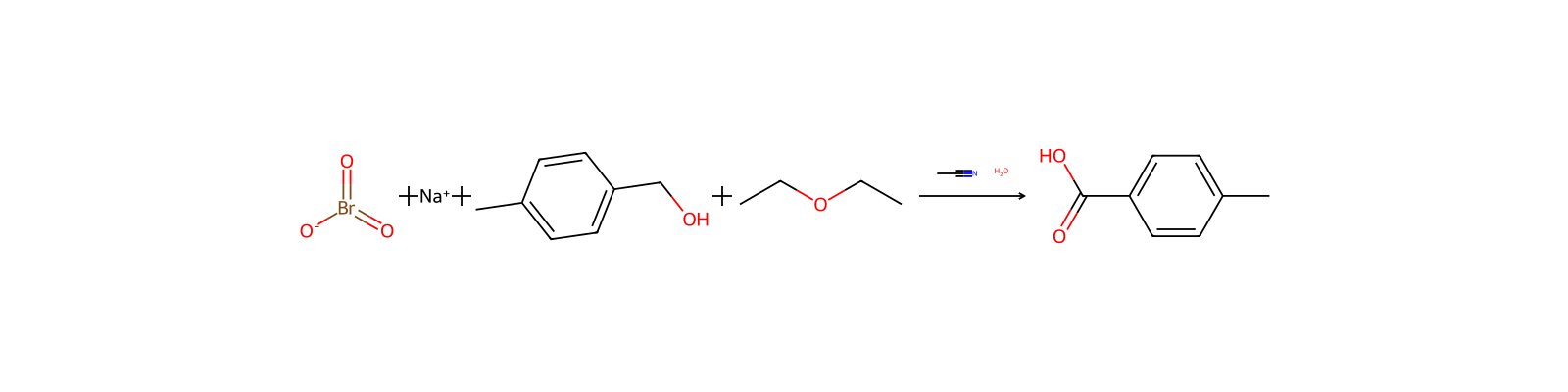
Zugehörige Reaktionen
64


Verknüpfte Notizen
Wird geladen…