
6-Desoxy-L-β-galaktose
L-(-)-Fucose

Grundinformationen
- CAS
2438-80-4- Standard-SMILES
C[C@H](O)[C@@H](O)[C@@H](O)[C@H](O)C=O- InChIKey
PNNNRSAQSRJVSB-KCDKBNATSA-N- Summenformel
- C6H12O5
- Durchschnittliche Molmasse
- 164,16 g/mol
- Monoisotopische Masse
- 164,06847348
Überblick
Aldehydo-L-fucose is a L-fucose and an aldehydo-fucose. It is an enantiomer of an aldehydo-D-fucose.
Namen und Bezeichner
- Bevorzugter Name
- L-(-)-Fucose
- IUPAC
- (2S,3R,4R,5S)-2,3,4,5-tetrahydroxyhexanal
- Lokaler Name
- 6-Desoxy-L-β-galaktose
- Englischer Name
- L-Fucose
- Summenformel
- C6H12O5
- Molmasse
- 164.16
Namen und Synonyme
L-(-)-Fucose(2S,3R,4R,5S)-2,3,4,5-tetrahydroxyhexanalaldehydo-L-fucoseL-(-)-Rhodeose3h-fucoseFucose, L-MFCD00135607L-FUCOSE [MI]DTXSID50883845AKOS015919077DB15236AC-34938
Weitere Namen anzeigen
Fucose6-DEOXY-L-GALACTOSEL-Galactose, 6-deoxy-L-fucopyranoseL-(-)-Fucose ,99%6-DEOXY-BETA-GALACTOSEFuoseL-FUCOSE
DS-10931CS-0016990L-(-)-FlucoseUNII-28RYY2IV3Felfucose [INN]EINECS 219-452-7Elfucose [WHO-DD](-)-Fucose (Standard)
Datenbank-Bezeichner
- CAS
2438-80-4- PubChem CID
- 3034656
- DTXSID
DTXSID50883845- ChEMBL
CHEMBL6067643- ChEBI
CHEBI:48204- UNII
- 28RYY2IV3F
- Nikkaji
- J92.797J
Eigenschaften
Berechnete Struktureigenschaften
- XLogP
- -2,4
- Polarare Oberfläche (TPSA)
- 98 Ų
- H-Brücken-Donoren
- 4
- H-Brücken-Akzeptoren
- 5
- Frei drehbare Bindungen
- 4
- Schwere Atome
- 11
- Formalladung
- 0
- Komplexität
- 126
Physikochemische Eigenschaften
- Schmelzpunkt
- 150 · 150-153 °C(lit.)
- Siedepunkt
- 211.61 °C · 211.61°C (rough estimate)
- Dichte
- 1.1738 · 1.1738 (rough estimate)
- Brechungsindex
- -75.5 ° · -75.5 ° (C=10, H2O)
- storage temp.
- -20 °C · Inert atmosphere,Store in freezer, under -20°C
- Löslichkeit
- 2 O: · H2O: 0.1 g/mL, clear, colorless
- Aggregatzustand
- Powder
- pka
- 12.5 · 12.50±0.20(Predicted)
- Farbe
- Beige to light brown to purple-grayish
- Wasserlöslichkeit
- Soluble in water.
- Merck
- 14 · 14,4279
- BRN
- 1723321 · 1723321
- Stabilität
- Stable. Incompatible with strong oxidizing agents.
- Kosmetik-Inhaltsstoffe Funktionen
- SKIN CONDITIONING
- InChI
- 1S/C6H12O5/c1-3(8)5(10)6(11)4(9)2-7/h2-6,8-11H,1H3/t3-,4+,5+,6-/m0/s1
- InChIKey
- SHZGCJCMOBCMKK-DLABPRKASA-N
- SMILES
- C[C@H](O)[C@@H](O)[C@@H](O)[C@H](O)C=O
- LogP
- -0.34 · -0.340 (est)
- CAS Datenbank
- 2438 · 2438-80-4(CAS DataBase Reference)
- EPA chemische Informationen
- 6 · L-Galactose, 6-deoxy- (2438-80-4)
Sicherheit und Regulatorisches
Sicherheitsangaben dienen nur zur Orientierung und ersetzen weder das Sicherheitsdatenblatt (SDB) des Lieferanten noch geltende Vorschriften oder eine fachliche Bewertung.
Sicherheitsdaten
- F
- 3-10
- wgk
- 3
- tsca
- TSCA listed
- hs_code
- 29400090
- safety_code
- 24/25
- Speicherklasse
- 11 - Combustible Solids
Chemie und Industrie
Anwendungen
OccurrenceL-Fucose exists in nature in various biological niches. A major natural source of L-fucose is the brown algal polysaccharide fucoidan. It is also present in the polysaccharides of tragacanth, potatoes, kiwi, soybeans, varieties of wing peas, canola and other plants.L-Fucose is a minor component in plant cell wall polysaccharides, specifically rhamnogalacturonan, xyloglucan and also arabinogalactan proteins that are involved in plant cell elongation.
VerwendenL-Fucose was isolated from seaweed. It finds application in cosmetics, pharmaceuticals and dietary supplements. It is used in the determination of antigen in A and B blood group. It is also used in the selection-mediated leukocyte-endothelial adhesion and host-microbe interactions. L-Fucose is also used in anti aging creams as well as to promote the accelerated healing of wounds and to reduce allergy.
Vor- und nachgelagerte Produkte
Nachgelagerte Produkte
Ergänzende Hinweise
DefinitionChEBI: L-fucopyranose is the pyranose form of L-fucose. It has a role as an Escherichia coli metabolite and a mouse metabolite. It is a L-fucose and a fucopyranose.
Zugehörige Reaktionen
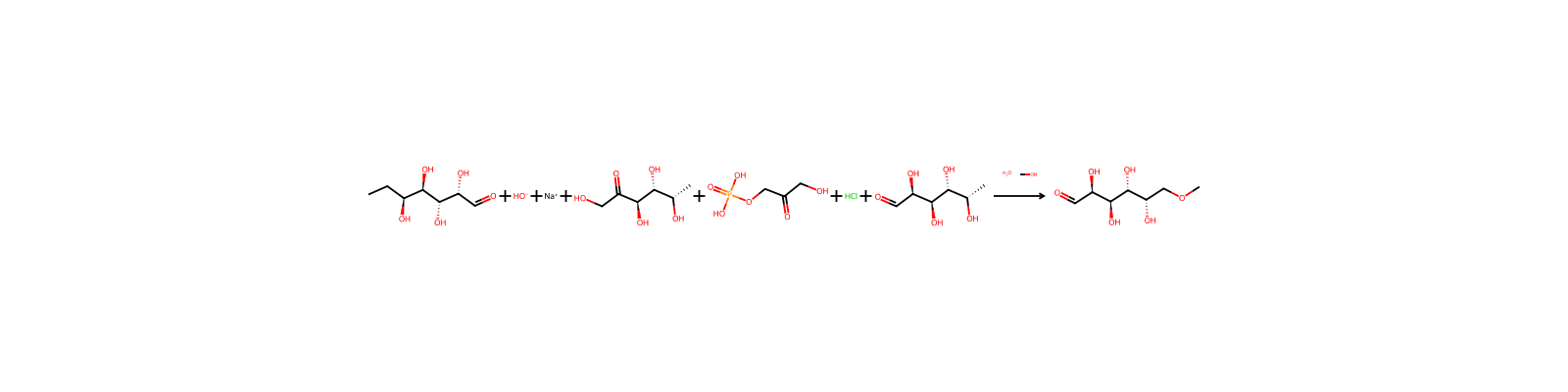
35




Notizen zur Verbindung
Wird geladen…