Prasteron
Dehydroepiandrosterone
Daten werden ergänzt – lade die Seite später neu, um den aktuellen Stand zu sehen

Grundinformationen
- CAS
53-43-0- Standard-SMILES
C[C@]12CC[C@H](O)CC1=CC[C@@H]1[C@@H]2CC[C@]2(C)C(=O)CC[C@@H]12- InChIKey
FMGSKLZLMKYGDP-USOAJAOKSA-N- Summenformel
- C19H28O2
- Durchschnittliche Molmasse
- 288,4 g/mol
- Monoisotopische Masse
- 288,20893014
Überblick
Dehydroepiandrosterone is an androstanoid that is androst-5-ene substituted by a beta-hydroxy group at position 3 and an oxo group at position 17. It is a naturally occurring steroid hormone produced by the adrenal glands. It has a role as an androgen, a mouse metabolite and a human metabolite. It is a 3beta-hydroxy-Delta(5)-steroid, a 17-oxo steroid and an androstanoid.
Namen und Bezeichner
- Bevorzugter Name
- Dehydroepiandrosterone
- IUPAC
- (3S,8R,9S,10R,13S,14S)-3-hydroxy-10,13-dimethyl-1,2,3,4,7,8,9,11,12,14,15,16-dodecahydrocyclopenta[a]phenanthren-17-one
- Lokaler Name
- Prasteron
- Englischer Name
- Dehydroepiandrosterone
- Summenformel
- C19H28O2
- Molmasse
- 288.43
Namen und Synonyme
DehydroepiandrosteroneDHEAPRASTERONE53-43-0DehydroisoandrosteroneAndrostenoloneDiandron3beta-hydroxyandrost-5-en-17-one17-HormoforinIntrarosaPrasterona3-beta-Hydroxy-5-androsten-17-one
Weitere Namen anzeigen
TRANS-DEHYDROANDROSTERONEDEHYDROEPIANDOSTERONEDehydroepiandrosterone(DHEA)dehydroepiandrosteron5-Dehydroepiandrosterone3-HYDROXYANDROST-5-EN-17-ONE
PrasteronumVaginorm5,6-DehydroisoandrosteroneBiolaifEM-760DTXSID4020379NSC-9896Androst-5-en-17-one, 3-hydroxy-, (3beta)-
Datenbank-Bezeichner
- CAS
53-43-0- PubChem CID
- 5881
- DTXSID
DTXSID4020379- ChEMBL
Eigenschaften
Berechnete StruktureigenschaftenWird ergänzt
- XLogP
- 3,2
- Polarare Oberfläche (TPSA)
- 37,3 Ų
- H-Brücken-Donoren
- 1
- H-Brücken-Akzeptoren
- 2
- Frei drehbare Bindungen
- 0
- Schwere Atome
- 21
- Formalladung
- 0
- Komplexität
- 508
Experimentelle und physikochemische Eigenschaften
Drugs
DEA NFLIS-Drug Category -> Steroids
Pharmaceuticals -> Listed in ZINC15
LipidsLipids -> Sterol Lipids [ST] -> Steroids [ST02] -> C19 steroids (androgens) and derivatives [ST0202]
SpringerMaterials PropertiesChemical shift
LogP
3.23
3.23
Solubility0.0635 mg/mL
Dietary Ingredients
Dehydroepiandrosterone (DHEA)
DHEA
Human Drugs
FDA approved drugs -> Active ingredient
EMA approved medicines: Human medicine
FDA approved drugs -> Active ingredient
Pharmaceuticals
Endocrine DisruptorsPotential endocrine disrupting compound
Melting Point
Sicherheit und Regulatorisches
Sicherheitsangaben dienen nur zur Orientierung und ersetzen weder das Sicherheitsdatenblatt (SDB) des Lieferanten noch geltende Vorschriften oder eine fachliche Bewertung.
GHS-Klassifizierung
GHS Classification
Danger
H302 (11.3%): Harmful if swallowed [Warning Acute toxicity, oral]
P203, P260, P261, P263, P264, P264+P265, P270, P271, P273, P280, P301+P317, P302+P352, P304+P340, P305+P351+P338, P317, P318, P319, P321, P330, P332+P317, P337+P317, P362+P364, P391, P403+P233, P405, and P501 (click each P-code to see the statement)
Aggregated GHS information provided per 159 reports by companies from 9 notifications to the ECHA C&L Inventory. Each notification may be associated with multiple companies.
Gefahrenhinweise
Regulatory Information
Status: Active Update: 26-08-2022 https://echa.europa.eu/registration-dossier/-/registered-dossier/13358
Dehydroisoandosterone: Does not have an individual approval but may be used under an appropriate group standard
Other Safety InformationIMAP assessments - Androst-5-en-17-one, 3-hydroxy-, (3.beta.)-: Human health tier I assessment
Hazard Classes and CategoriesAcute Tox. 4 (11.3%)
Toxikologische Informationen
Drug Induced Liver Injury
Drug-Induced Liver Injury Severity and Toxicity (DILIst)
Dehydroepiandrosterone
DILI Positive
DOI:10.1016/j.drudis.2019.09.022
Sicherheitsdaten
- wgk
- 2
- ridadr
Chemie und Industrie
Pharmakologische Informationen
ATC Code
A - Alimentary tract and metabolism
G - Genito urinary system and sex hormones
QA - Alimentary tract and metabolism
QG - Genito urinary system and sex hormones
Pharmacodynamics
DHEA is naturally produced from cholesterol through two cytochrome P450 enzymes. Cholesterol is converted to pregnenolone by the enzyme P450 scc (side chain cleavage); then another enzyme, CYP17A1, converts pregnenolone to 17α-Hydroxypregnenolone and then to DHEA. DHEA is increased by exercise and calorie restriction. Some theorize that the increase in endogenous DHEA brought about by calorie restriction is partially responsible for the longer life expectancy known to be associated with calorie restriction.
Mechanism of Action
DHEA can be understood as a prohormone for the sex steroids. DHEAS may be viewed as buffer and reservoir. As most DHEA is produced by the zona reticularis of the adrenal cortex, it is argued that there is a role in the immune and stress response. DHEAS/DHEA are useful to detect excess adrenal activity as seen in adrenal cancer or hyperplasia, including certain forms of congenital adrenal hyperplasia as it is produced nearly entirely by the adrenal glands. Women with polycystic ovary syndrome tend to have elevated levels of DHEAS.
Biological Half-Life12 hours
Metabolism/Metabolites
Hepatic. As shown by their high conversion ratios (in a study involving cynomolgus monkeys), the major circulating metabolites of DHEA are DHEA-S, androsterone glucuronide, and androstane-3 alpha,17 beta-diol-glucuronide. [PMID: 12970301]
Dehydroisoandrosterone has known human metabolites that include Dehydroisoandrosterone 3-glucuronide, 3,7-Dihydroxy-10,13-dimethyl-1,2,3,4,7,8,9,11,12,14,15,16-dodecahydrocyclopenta[a]phenanthren-17-one, and 3,16-Dihydroxyandrost-5-en-17-one.
MeSH Pharmacological Classification
Substances that augment, stimulate, activate, potentiate, or modulate the immune response at either the cellular or humoral level. The classical agents (Freund's adjuvant, BCG, Corynebacterium parvum, et al.) contain bacterial antigens. Some are endogenous (e.g., histamine, interferon, transfer factor, tuftsin, interleukin-1). Their mode of action is either non-specific, resulting in increased immune responsiveness to a wide variety of antigens, or antigen-specific, i.e., affecting a restricted type of immune response to a narrow group of antigens. The therapeutic efficacy of many biological response modifiers is related to their antigen-specific immunoadjuvanticity.
Zugehörige Reaktionen
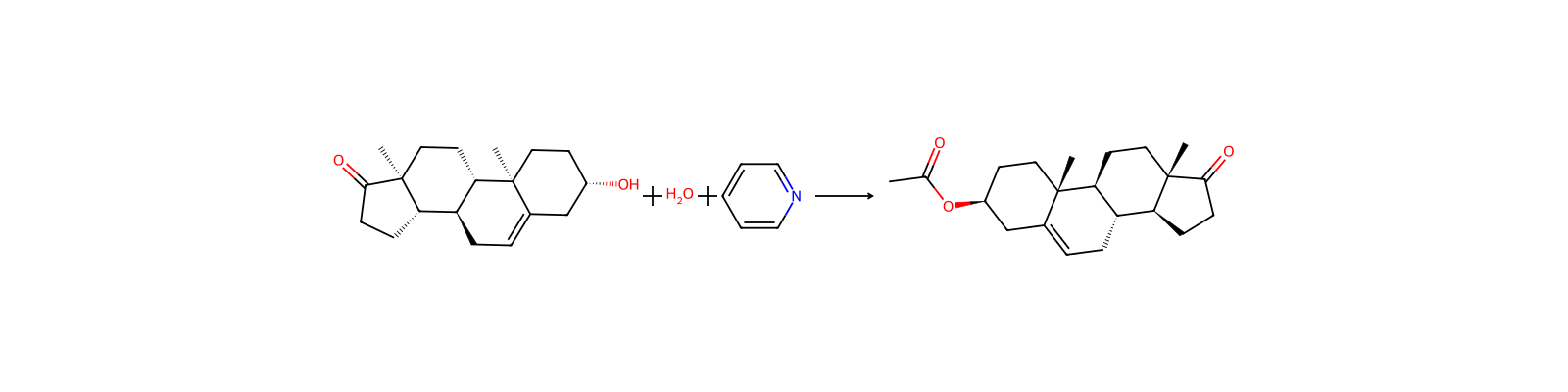
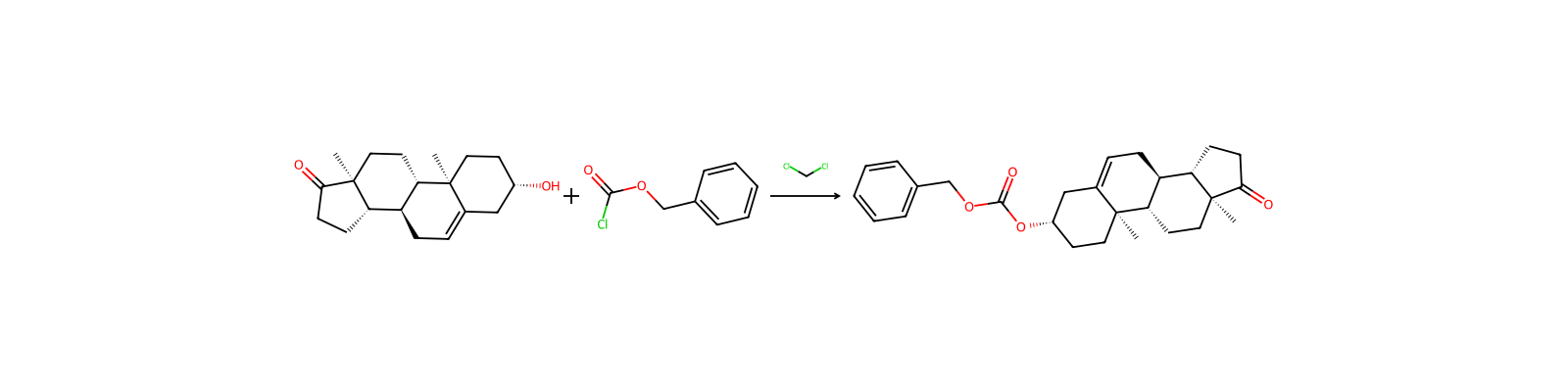
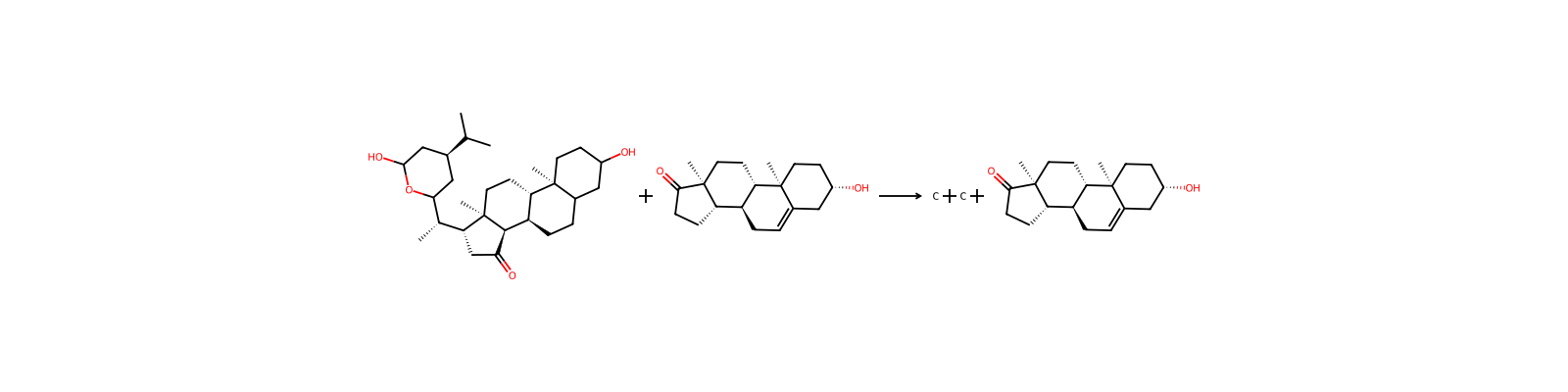
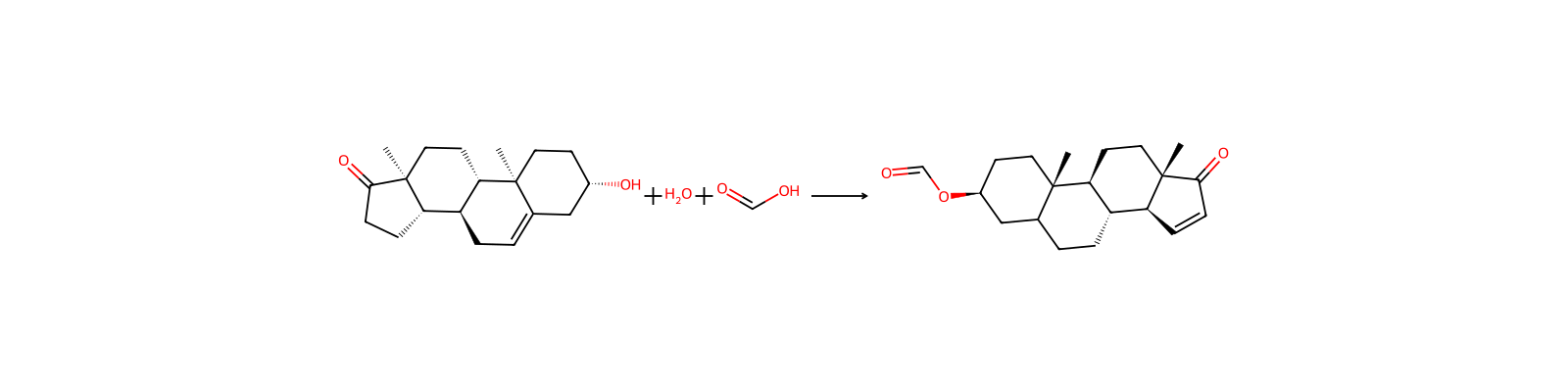
92




Notizen zur Verbindung
Wird geladen…