

Grundinformationen
- Standard-SMILES
O=C(O)CBr- InChIKey
KDPAWGWELVVRCH-UHFFFAOYSA-N- Summenformel
- C2H3BrO2
- Durchschnittliche Molmasse
- 138,95 g/mol
- Monoisotopische Masse
- 137,93164
Namen und Bezeichner
- Bevorzugter Name
- Bromoacetic Acid
- IUPAC
- 2-bromoacetic acid
- Lokaler Name
- Bromessigsäure
- Englischer Name
- Bromoacetic acid
- Summenformel
- C2H3BrO2
- Molmasse
- 138.95
Namen und Synonyme
BROMOACETIC ACID2-Bromoacetic acid79-08-3Acetic acid, bromo-Monobromoacetic acidBromoethanoic acidTo NTUBromoacetate ionAcide bromacetique2-Bromoacetyl Group2-bromoethanoic acidMonobromessigsaeure
Weitere Namen anzeigen
bromoaceticBromoacetic acid in ethyleneglycol, ca. 10% BrCH2CO2H, 35% glycol balance estertontuCH2BrCOOH
Kyselina bromoctovaalpha-Bromoacetic acidBromo-acetic acidBromoacetic acid, solidDTXSID7021495Carboxymethyl bromideNSC-1412B3HS32431
Datenbank-Bezeichner
- CAS
79-08-3- PubChem CID
- 6227
- DTXSID
DTXSID7021495- ChEMBL
CHEMBL60851- UNII
- 2B3HS32431
- EC Number
- 201-175-8
- Nikkaji
- J1.492C
Eigenschaften
Berechnete Struktureigenschaften
- XLogP
- 0,4
- Polarare Oberfläche (TPSA)
- 37,3 Ų
- H-Brücken-Donoren
- 1
- H-Brücken-Akzeptoren
- 2
- Frei drehbare Bindungen
- 1
- Schwere Atome
- 5
- Formalladung
- 0
- Komplexität
- 42
Experimentelle und physikochemische Eigenschaften
LogP
0.41
log Kow = 0.41
DensityDensity: 1.9335 at 50 °C
Color/Form
Hexagonal or rhomboidal hygroscopic crystals
Colorless, deliquescent crystals
Solubility
1750000
In water, 6.36X10+5 mg/L at 25 °C
Miscible with water
Miscible with ethanol, ether; soluble in acetone, benzene; slightly soluble in chloroform
Soluble in methanol
CorrosivityStrong irritant to skin and tissues
Flash Point113 °C (235 °F) - closed cup
Boiling Point
208
208 °C
208 °C @760 [mm Hg]
DecompositionWhen heated to decomposition it emits toxic fumes of /bromide/.
Melting Point
50
50 °C
50 °C
Vapor Pressure
0.11 [mmHg]
0.119 mm Hg at 25 °C
Refractive IndexIndex of refraction: 1.4804 at 50 °C/D
Henry's Law ConstantHenry's Law constant = 6.52X10⁻⁹ atm-cu m/mole at 25 °C
Physikochemische Eigenschaften
- Schmelzpunkt
- 46 · 46-49 °C
- Siedepunkt
- 208 °C · 208 °C(lit.)
- Dichte
- 1 · 1
- Dampfdruck
- 1 mm · 1 mm Hg @ 550C
- Brechungsindex
- 1.4804 · 1.4804 (estimate)
- Flammpunkt
- 110 °C · >110°C
- storage temp.
- 30 °C · Store below +30°C.
- Löslichkeit
- 10 %, · chloroform: soluble10%, clear, colorless
- pka
- 2.69 · 2.69(at 25℃)
- Aggregatzustand
- Crystalline Mass or Crystalline Powder, Flakes, Crystals and/or Chunks
- Farbe
- White to yellow
- Wasserlöslichkeit
- miscible
- Spezifische Wärmekapazität
- 0.58 J/ · Cp(gas): 0.58 J/(g·K), at 25℃
- Merck
- 14 · 14,1400
- BRN
- 506167 · 506167
- Henry's Law Constant
- 1.5 · 1.5×103 mol/(m3Pa) at 25℃, Burkholder et al. (2019)
- InChI
- 1S/C2H3BrO2/c3-1-2(4)5/h1H2,(H,4,5)
- InChIKey
- KDPAWGWELVVRCH-UHFFFAOYSA-N
- SMILES
- NC(=O)C=C || OC(=O)CBr
- LogP
- -2.3 at · -2.3 at 22℃
- CAS Datenbank
- 79 · 79-08-3(CAS DataBase Reference)
- NIST chemische Informationen
- Acetic acid, bromo-(79-08-3)
- EPA chemische Informationen
- Bromoacetic acid (79-08-3)
Sicherheit und Regulatorisches
GHS-Klassifizierung
GHS Classification
Danger
H301: Toxic if swallowed [Danger Acute toxicity, oral];H311: Toxic in contact with skin [Danger Acute toxicity, dermal];H314: Causes severe skin burns and eye damage [Danger Skin corrosion/irritation];H317: May cause an allergic skin reaction [Warning Sensitization, Skin];H331: Toxic if inhaled [Danger Acute toxicity, inhalation];H400: Very toxic to aquatic life [Warning Hazardous to the aquatic environment, acute hazard]
P260, P261, P262, P264, P270, P271, P272, P273, P280, P301+P316, P301+P330+P331, P302+P352, P302+P361+P354, P304+P340, P305+P354+P338, P316, P321, P330, P333+P317, P361+P364, P362+P364, P363, P391, P403+P233, P405, and P501 (click each P-code to see the statement)
Danger
Gefahrenhinweise
Regulatory Information
Chemical: Acetic acid, bromo-
Status: Active Update: 22-05-2019 https://echa.europa.eu/registration-dossier/-/registered-dossier/13566
Bromoacetic acid: Does not have an individual approval but may be used under an appropriate group standard
The New Jersey Worker and Community Right to Know Act requires public and private employers to provide information about hazardous substances at their workplaces. (N.J.S.A. 34:5A-1 et. seq.)
DOT Label
Corrosive
Corrosive
Fire Hazards
Excerpt from ERG Guide 156 [Substances - Toxic and/or Corrosive (Combustible / Water-Sensitive)]:;Combustible material: may burn but does not ignite readily. Substance will react with water (some violently) releasing flammable, toxic or corrosive gases and runoff. When heated, vapors may form explosive mixtures with air: indoors, outdoors and sewers explosion hazards. Most vapors are heavier than air. They will spread along the ground and collect in low or confined areas (sewers, basements, tanks, etc.). Vapors may travel to source of ignition and flash back. Corrosives in contact with metals may evolve flammable hydrogen gas. Containers may explode when heated or if contaminated with water. (ERG, 2024)
Excerpt from ERG Guide 156 [Substances - Toxic and/or Corrosive (Combustible / Water-Sensitive)]:;Combustible material: may burn but does not ignite readily. Substance will react with water (some violently) releasing flammable, toxic or corrosive gases and runoff. When heated, vapors may form explosive mixtures with air: indoors, outdoors and sewers explosion hazards. Most vapors are heavier than air. They will spread along the ground and collect in low or confined areas (sewers, basements, tanks, etc.). Vapors may travel to source of ignition and flash back. Corrosives in contact with metals may evolve flammable hydrogen gas. Containers may explode when heated or if contaminated with water. (ERG, 2024)
· Combustible material: may burn but does not ignite readily.;· Substance will react with water (some violently) releasing flammable, toxic or corrosive gases and runoff.;· When heated, vapors may form explosive mixtures with air: indoors, outdoors and sewers explosion hazards.;· Most vapors are heavier than air. They will spread along the ground and collect in low or confined areas (sewers, basements, tanks, etc.).;· Vapors may travel to source of ignition and flash back.;· Corrosives in contact with metals may evolve flammable hydrogen gas.;· Containers may explode when heated or if contaminated with water.
· Combustible material: may burn but does not ignite readily.;· Substance will react with water (some violently) releasing flammable, toxic or corrosive gases and runoff.;· When heated, vapors may form explosive mixtures with air: indoors, outdoors and sewers explosion hazards.;· Most vapors are heavier than air. They will spread along the ground and collect in low or confined areas (sewers, basements, tanks, etc.).;· Vapors may travel to source of ignition and flash back.;· Corrosives in contact with metals may evolve flammable hydrogen gas.;· Containers may explode when heated or if contaminated with water.
Health Hazards
Excerpt from ERG Guide 156 [Substances - Toxic and/or Corrosive (Combustible / Water-Sensitive)]:;TOXIC and/or CORROSIVE; inhalation, ingestion or contact (skin, eyes) with vapors, dusts or substance may cause severe injury, burns or death. Contact with molten substance may cause severe burns to skin and eyes. Reaction with water or moist air may release toxic, corrosive or flammable gases. Reaction with water may generate much heat that will increase the concentration of fumes in the air. Fire will produce irritating, corrosive and/or toxic gases. Runoff from fire control or dilution water may be corrosive and/or toxic and cause environmental contamination. (ERG, 2024)
Excerpt from ERG Guide 156 [Substances - Toxic and/or Corrosive (Combustible / Water-Sensitive)]:;TOXIC and/or CORROSIVE; inhalation, ingestion or contact (skin, eyes) with vapors, dusts or substance may cause severe injury, burns or death. Contact with molten substance may cause severe burns to skin and eyes. Reaction with water or moist air may release toxic, corrosive or flammable gases. Reaction with water may generate much heat that will increase the concentration of fumes in the air. Fire will produce irritating, corrosive and/or toxic gases. Runoff from fire control or dilution water may be corrosive and/or toxic and cause environmental contamination. (ERG, 2024)
· TOXIC and/or CORROSIVE; inhalation, ingestion or contact (skin, eyes) with vapors, dusts or substance may cause severe injury, burns or death.;· Contact with molten substance may cause severe burns to skin and eyes.;· Reaction with water or moist air may release toxic, corrosive or flammable gases.;· Reaction with water may generate much heat that will increase the concentration of fumes in the air.;· Fire will produce irritating, corrosive and/or toxic gases.;· Runoff from fire control or dilution water may be corrosive and/or toxic and cause environmental contamination.
· TOXIC and/or CORROSIVE; inhalation, ingestion or contact (skin, eyes) with vapors, dusts or substance may cause severe injury, burns or death.;· Contact with molten substance may cause severe burns to skin and eyes.;· Reaction with water or moist air may release toxic, corrosive or flammable gases.;· Reaction with water may generate much heat that will increase the concentration of fumes in the air.;· Fire will produce irritating, corrosive and/or toxic gases.;· Runoff from fire control or dilution water may be corrosive and/or toxic and cause environmental contamination.
Hazards Summary
Causes somnolence, rigidity, and respiratory depression in oral lethal-dose studies of rats; [RTECS] Corrosive; [Merck Index] Causes irritation and burns to skin and mucous membranes; [HSDB] Causes burns; May cause skin sensitization; Toxic by ingestion, inhalation, and skin absorption; [ECHA REACH Registrations] Causes burns and lachrymation; Inhalation may cause corrosive injuries to upper respiratory tract; May cause respiratory sensitization; Toxic by inhalation; Highly toxic by ingestion and skin absorption; Targets the kidney and liver; [Sigma-Aldrich MSDS] See Chloroacetic acid.
DOT ID and Guide
1938 156
3425 156
Reactive Group
Acids, Carboxylic;Halogenated Organic Compounds
Acids, Carboxylic;Halogenated Organic Compounds;Water and Aqueous Solutions
Special Reports
DHHS/NTP; Report on Carcinogens Monograph on Haloacetic Acids Found as Water Disinfection By-Products. 200 pp (March 2018). ---- This RoC monograph on HAAs Found as Water Disinfection By-Products evaluates the available, relevant scientific information and assesses its quality, for each individual HAA or for potential evaluation of the HAAs as a chemical class or subclass, applies the RoC listing criteria to the scientific information, and recommends an RoC listing status (see Figure 1). The monograph also contains draft profiles containing the NTP's preliminary listing recommendation, a summary of the scientific evidence considered key to reaching that recommendation, and data on properties, use, production, exposure, and Federal regulations and guidelines to reduce exposure to haloacetic acids in the public water supply and from other potential exposures.[Available from, as of November 30, 2018: http://ntp-server.niehs.nih.gov/]
Reactivity Profile
Carboxylic acids, such as BROMOACETIC ACID, donate hydrogen ions if a base is present to accept them. They react in this way with all bases, both organic (for example, the amines) and inorganic. Their reactions with bases, called "neutralizations", are accompanied by the evolution of substantial amounts of heat. Neutralization between an acid and a base produces water plus a salt. Carboxylic acids with six or fewer carbon atoms are freely or moderately soluble in water; those with more than six carbons are slightly soluble in water. Soluble carboxylic acid dissociate to an extent in water to yield hydrogen ions. The pH of solutions of carboxylic acids is therefore less than 7.0. Many insoluble carboxylic acids react rapidly with aqueous solutions containing a chemical base and dissolve as the neutralization generates a soluble salt. Carboxylic acids in aqueous solution and liquid or molten carboxylic acids can react with active metals to form gaseous hydrogen and a metal salt. Such reactions occur in principle for solid carboxylic acids as well, but are slow if the solid acid remains dry. Even "insoluble" carboxylic acids may absorb enough water from the air and dissolve sufficiently in it to corrode or dissolve iron, steel, and aluminum parts and containers. Carboxylic acids, like other acids, react with cyanide salts to generate gaseous hydrogen cyanide. The reaction is slower for dry, solid carboxylic acids. Insoluble carboxylic acids react with solutions of cyanides to cause the release of gaseous hydrogen cyanide. Flammable and/or toxic gases and heat are generated by the reaction of carboxylic acids with diazo compounds, dithiocarbamates, isocyanates, mercaptans, nitrides, and sulfides. Carboxylic acids, especially in aqueous solution, also react with sulfites, nitrites, thiosulfates (to give H2S and SO3), dithionites (SO2), to generate flammable and/or toxic gases and heat. Their reaction with carbonates and bicarbonates generates a harmless gas (carbon dioxi
Carboxylic acids, such as BROMOACETIC ACID, donate hydrogen ions if a base is present to accept them. They react in this way with all bases, both organic (for example, the amines) and inorganic. Their reactions with bases, called "neutralizations", are accompanied by the evolution of substantial amounts of heat. Neutralization between an acid and a base produces water plus a salt. Carboxylic acids with six or fewer carbon atoms are freely or moderately soluble in water; those with more than six carbons are slightly soluble in water. Soluble carboxylic acid dissociate to an extent in water to yield hydrogen ions. The pH of solutions of carboxylic acids is therefore less than 7.0. Many insoluble carboxylic acids react rapidly with aqueous solutions containing a chemical base and dissolve as the neutralization generates a soluble salt. Carboxylic acids in aqueous solution and liquid or molten carboxylic acids can react with active metals to form gaseous hydrogen and a metal salt. Such reactions occur in principle for solid carboxylic acids as well, but are slow if the solid acid remains dry. Even "insoluble" carboxylic acids may absorb enough water from the air and dissolve sufficiently in it to corrode or dissolve iron, steel, and aluminum parts and containers. Carboxylic acids, like other acids, react with cyanide salts to generate gaseous hydrogen cyanide. The reaction is slower for dry, solid carboxylic acids. Insoluble carboxylic acids react with solutions of cyanides to cause the release of gaseous hydrogen cyanide. Flammable and/or toxic gases and heat are generated by the reaction of carboxylic acids with diazo compounds, dithiocarbamates, isocyanates, mercaptans, nitrides, and sulfides. Carboxylic acids, especially in aqueous solution, also react with sulfites, nitrites, thiosulfates (to give H2S and SO3), dithionites (SO2), to generate flammable and/or toxic gases and heat. Their reaction with carbonates and bicarbonates generates a harmless gas (carbon dioxi
DOT Emergency Guidelines
/GUIDE 156 SUBSTANCES - TOXIC and/or CORROSIVE (Combustible/Water-Sensitive)/ Fire or Explosion: Combustible material: may burn but does not ignite readily. Substance will react with water (some violently) releasing flammable, toxic or corrosive gases and runoff. When heated, vapors may form explosive mixtures with air: indoors, outdoors and sewers explosion hazards. Most vapors are heavier than air. They will spread along ground and collect in low or confined areas (sewers, basements, tanks). Vapors may travel to source of ignition and flash back. Contact with metals may evolve flammable hydrogen gas. Containers may explode when heated or if contaminated with water. /Bromoacetic acid; Bromoacetic acid, solution; Bromoacetic acid, solid/
/GUIDE 156 SUBSTANCES - TOXIC and/or CORROSIVE (Combustible/Water-Sensitive)/ Health: TOXIC; inhalation, ingestion or contact (skin, eyes) with vapors, dusts or substance may cause severe injury, burns or death. Contact with molten substance may cause severe burns to skin and eyes. Reaction with water or moist air will release toxic, corrosive or flammable gases. Reaction with water may generate much heat that will increase the concentration of fumes in the air. Fire will produce irritating, corrosive and/or toxic gases. Runoff from fire control or dilution water may be corrosive and/or toxic and cause pollution. /Bromoacetic acid; Bromoacetic acid, solution; Bromoacetic acid, solid/
/GUIDE 156 SUBSTANCES - TOXIC and/or CORROSIVE (Combustible/Water-Sensitive)/ Public Safety: CALL Emergency Response Telephone Number on Shipping Paper first. If Shipping Paper not available or no answer, refer to appropriate telephone number listed on the inside back cover. As an immediate precautionary measure, isolate spill or leak area in all directions for at least 50 meters (150 feet) for liquids and at least 25 meters (75 feet) for solids. Keep unauthorized personnel away. Stay upwind, uphill and/or upstream. Ventilate enclosed areas. /Bromoacetic acid; Bromoacetic acid, solution; Bromoacetic acid, solid/
/GUIDE 156 SUBSTANCES - TOXIC and/or CORROSIVE (Combustible/Water-Sensitive)/ Protective Clothing: Wear positive pressure self-contained breathing apparatus (SCBA). Wear chemical protective clothing that is specifically recommended by the manufacturer. It may provide little or no thermal protection. Structural firefighters' protective clothing provides limited protection in fire situations ONLY; it is not effective in spill situations where direct contact with the substance is possible. /Bromoacetic acid; Bromoacetic acid, solution; Bromoacetic acid, solid/
For more DOT Emergency Guidelines (Complete) data for Bromoacetic acid (8 total), please visit the HSDB record page.
DOT Hazard Classification
Bromoacetic acid, solid
UN3425
Class 8 Corrosive material (49 eCFR § 173.136)
PG II: the degree of danger presented by the material is medium;For more information about the packing group assignment, please visit 49 eCFR § 173
Bromoacetic acid solution
Air and Water Reactions
Deliquescent [Hawley]. Water soluble.
Water soluble.
Sicherheit und Schutzausrüstung
Fire Fighting
Excerpt from ERG Guide 156 [Substances - Toxic and/or Corrosive (Combustible / Water-Sensitive)]:;Note: Most foams will react with the material and release corrosive/toxic gases. CAUTION: For Acetyl bromide (UN1716), use CO2 or dry chemical only.;SMALL FIRE: CO2, dry chemical, dry sand, alcohol-resistant foam.;LARGE FIRE: Water spray, fog or alcohol-resistant foam. FOR CHLOROSILANES, DO NOT USE WATER; use alcohol-resistant foam. If it can be done safely, move undamaged containers away from the area around the fire. Avoid aiming straight or solid streams directly onto the product.;FIRE INVOLVING TANKS, RAIL TANK CARS OR HIGHWAY TANKS: Fight fire from maximum distance or use unmanned master stream devices or monitor nozzles. Do not get water inside containers. Cool containers with flooding quantities of water until well after fire is out. Withdraw immediately in case of rising sound from venting safety devices or discoloration of tank. ALWAYS stay away from tanks in direct contact with flames. (ERG, 2024)
Excerpt from ERG Guide 156 [Substances - Toxic and/or Corrosive (Combustible / Water-Sensitive)]:;Note: Most foams will react with the material and release corrosive/toxic gases. CAUTION: For Acetyl bromide (UN1716), use CO2 or dry chemical only.;SMALL FIRE: CO2, dry chemical, dry sand, alcohol-resistant foam.;LARGE FIRE: Water spray, fog or alcohol-resistant foam. FOR CHLOROSILANES, DO NOT USE WATER; use alcohol-resistant foam. If it can be done safely, move undamaged containers away from the area around the fire. Avoid aiming straight or solid streams directly onto the product.;FIRE INVOLVING TANKS, RAIL TANK CARS OR HIGHWAY TANKS: Fight fire from maximum distance or use unmanned master stream devices or monitor nozzles. Do not get water inside containers. Cool containers with flooding quantities of water until well after fire is out. Withdraw immediately in case of rising sound from venting safety devices or discoloration of tank. ALWAYS stay away from tanks in direct contact with flames. (ERG, 2024)
Accidental Release Measures
· CALL 911. Then call emergency response telephone number on shipping paper. If shipping paper not available or no answer, refer to appropriate telephone number listed on the inside back cover.;· Keep unauthorized personnel away.;· Stay upwind, uphill and/or upstream.;· Ventilate closed spaces before entering, but only if properly trained and equipped.
· ELIMINATE all ignition sources (no smoking, flares, sparks or flames) from immediate area.;· All equipment used when handling the product must be grounded.;· Do not touch damaged containers or spilled material unless wearing appropriate protective clothing.;· Stop leak if you can do it without risk.;· A vapor-suppressing foam may be used to reduce vapors.;· FOR CHLOROSILANES, use alcohol-resistant foam to reduce vapors.;· DO NOT GET WATER on spilled substance or inside containers.;· Use water spray to reduce vapors or divert vapor cloud drift. Avoid allowing water runoff to contact spilled material.;· Prevent entry into waterways, sewers, basements or confined areas.;Small Spill;· Cover with DRY earth, DRY sand or other non-combustible material followed with plastic sheet to minimize spreading or contact with rain.;· Use clean, non-sparking tools to collect material and place it into loosely covered plastic containers for later disposal.
First Aid
Excerpt from ERG Guide 156 [Substances - Toxic and/or Corrosive (Combustible / Water-Sensitive)]:;Refer to the "General First Aid" section. Specific First Aid: For corrosives, in case of contact, immediately flush skin or eyes with running water for at least 30 minutes. Additional flushing may be required. Removal of solidified molten material from skin requires medical assistance. (ERG, 2024)
Excerpt from ERG Guide 156 [Substances - Toxic and/or Corrosive (Combustible / Water-Sensitive)]:;Refer to the "General First Aid" section. Specific First Aid: For corrosives, in case of contact, immediately flush skin or eyes with running water for at least 30 minutes. Additional flushing may be required. Removal of solidified molten material from skin requires medical assistance. (ERG, 2024)
General First Aid:;· Call 911 or emergency medical service.;· Ensure that medical personnel are aware of the material(s) involved, take precautions to protect themselves and avoid contamination.;· Move victim to fresh air if it can be done safely.;· Administer oxygen if breathing is difficult.;· If victim is not breathing:;-- DO NOT perform mouth-to-mouth resuscitation; the victim may have ingested or inhaled the substance.;-- If equipped and pulse detected, wash face and mouth, then give artificial respiration using a proper respiratory medical device (bag-valve mask, pocket mask equipped with a one-way valve or other device).;-- If no pulse detected or no respiratory medical device available, provide continuous compressions. Conduct a pulse check every two minutes or monitor for any signs of spontaneous respirations.;· Remove and isolate contaminated clothing and shoes.;· For minor skin contact, avoid spreading material on unaffected skin.;· In case of contact with substance, remove immediately by flushing skin or eyes with running water for at least 20 minutes.;· For severe burns, immediate medical attention is required.;· Effects of exposure (inhalation, ingestion, or skin contact) to substance may be delayed.;· Keep victim calm and warm.;· Keep victim under observation.;· For further assistance, contact your local Poison Control Center.;· Note: Basic Life Support (BLS) and Advanced Life Support (ALS) should be done by trained professionals.;Specific First Aid:;· For corrosives, in case of contact, immediately flush skin or eyes with running water for at least 30 minutes. Additional flushing may be required.
General First Aid:;· Call 911 or emergency medical service.;· Ensure that medical personnel are aware of the material(s) involved, take precautions to protect themselves and avoid contamination.;· Move victim to fresh air if it can be done safely.;· Administer oxygen if breathing is difficult.;· If victim is not breathing:;-- DO NOT perform mouth-to-mouth resuscitation; the victim may have ingested or inhaled the substance.;-- If equipped and pulse detected, wash face and mouth, then give artificial respiration using a proper respiratory medical device (bag-valve mask, pocket mask equipped with a one-way valve or other device).;-- If no pulse detected or no respiratory medical device available, provide continuous compressions. Conduct a pulse check every two minutes or monitor for any signs of spontaneous respirations.;· Remove and isolate contaminated clothing and shoes.;· For minor skin contact, avoid spreading material on unaffected skin.;· In case of contact with substance, remove immediately by flushing skin or eyes with running water for at least 20 minutes.;· For severe burns, immediate medical attention is required.;· Effects of exposure (inhalation, ingestion, or skin contact) to substance may be delayed.;· Keep victim calm and warm.;· Keep victim under observation.;· For further assistance, contact your local Poison Control Center.;· Note: Basic Life Support (BLS) and Advanced Life Support (ALS) should be done by trained professionals.;Specific First Aid:;· For corrosives, in case of contact, immediately flush skin or eyes with running water for at least 30 minutes. Additional flushing may be required.
Exposure Control and Personal Protection
· Wear positive pressure self-contained breathing apparatus (SCBA).;· Wear chemical protective clothing that is specifically recommended by the manufacturer when there is NO RISK OF FIRE.;· Structural firefighters' protective clothing provides thermal protection but only limited chemical protection.
· Wear positive pressure self-contained breathing apparatus (SCBA).;· Wear chemical protective clothing that is specifically recommended by the manufacturer when there is NO RISK OF FIRE.;· Structural firefighters' protective clothing provides thermal protection but only limited chemical protection.
Fire Fighting Procedures
Suitable extinguishing media: Use water spray, alcohol-resistant foam, dry chemical or carbon dioxide.
Advice for firefighters: Wear self-contained breathing apparatus for firefighting if necessary.
If material on fire or involved in fire: Use water in flooding quantities as fog. Cool all affected containers with flooding quantities of water. Apply water from as far a distance as possible. Use "alcohol" foam, dry chemical or carbon dioxide. /Bromoacetic acid, solid/
If material on fire or involved in fire: Extinguish fire using agent suitable for type of surrounding fire. (Material itself does not burn or burns with difficulty.). Use water in flooding quantities as fog. Cool all affected containers with flooding quantities of water. Apply water from as far a distance as possible. /Bromoacetic acid, solution or bromoacetic acid/
Storage ConditionsKeep container tightly closed in a dry and well-ventilated place. Hygroscopic. Air sensitive. Light sensitive. Handle and store under inert gas.
Cleanup Methods
ACCIDENTAL RELEASE MEASURES: Personal precautions, protective equipment and emergency procedures: Wear respiratory protection. Avoid dust formation. Avoid breathing vapors, mist or gas. Ensure adequate ventilation. Evacuate personnel to safe areas. Avoid breathing dust. Environmental precautions: Prevent further leakage or spillage if safe to do so. Do not let product enter drains. Discharge into the environment must be avoided. Methods and materials for containment and cleaning up: Pick up and arrange disposal without creating dust. Sweep up and shovel. Keep in suitable, closed containers for disposal.
Environmental considerations: Land spill: Dig a pit, pond, lagoon, holding area to contain liquid or solid material. Cover solids with a plastic sheet to prevent dissolving in rain or fire fighting water. Dike surface flow using soil, sand bags, foamed polyurethane, or foamed concrete Absorb bulk liquid with fly ash, cement powder, or commercial sorbents. /SRP: If time permits, pits, ponds, lagoons, soak holes, or holding areas should be sealed with an impermeable flexible membrane liner./ /Bromoacetic acid, solid; Bromoacetic acid, solution or bromoacetic acid/
Environmental considerations: Water spill: Use natural barriers or oil spill control booms to limit spill travel. Use natural deep water pockets, excavated lagoons, or sand bag barriers to trap material at bottom. Remove trapped material with suction hoses. /Bromoacetic acid, solid; Bromoacetic acid, solution or bromoacetic acid/
Environmental considerations: Air spill: Apply water spray or mist to knock down vapors. /Bromoacetic acid, solid; Bromoacetic acid, solution or bromoacetic acid/
Nonfire Spill Response
Excerpt from ERG Guide 156 [Substances - Toxic and/or Corrosive (Combustible / Water-Sensitive)]:;ELIMINATE all ignition sources (no smoking, flares, sparks or flames) from immediate area. All equipment used when handling the product must be grounded. Do not touch damaged containers or spilled material unless wearing appropriate protective clothing. Stop leak if you can do it without risk. A vapor-suppressing foam may be used to reduce vapors. FOR CHLOROSILANES, use alcohol-resistant foam to reduce vapors. DO NOT GET WATER on spilled substance or inside containers. Use water spray to reduce vapors or divert vapor cloud drift. Avoid allowing water runoff to contact spilled material. Prevent entry into waterways, sewers, basements or confined areas.;SMALL SPILL: Cover with DRY earth, DRY sand or other non-combustible material followed with plastic sheet to minimize spreading or contact with rain. Use clean, non-sparking tools to collect material and place it into loosely covered plastic containers for later disposal. (ERG, 2024)
Excerpt from ERG Guide 156 [Substances - Toxic and/or Corrosive (Combustible / Water-Sensitive)]:;ELIMINATE all ignition sources (no smoking, flares, sparks or flames) from immediate area. All equipment used when handling the product must be grounded. Do not touch damaged containers or spilled material unless wearing appropriate protective clothing. Stop leak if you can do it without risk. A vapor-suppressing foam may be used to reduce vapors. FOR CHLOROSILANES, use alcohol-resistant foam to reduce vapors. DO NOT GET WATER on spilled substance or inside containers. Use water spray to reduce vapors or divert vapor cloud drift. Avoid allowing water runoff to contact spilled material. Prevent entry into waterways, sewers, basements or confined areas.;SMALL SPILL: Cover with DRY earth, DRY sand or other non-combustible material followed with plastic sheet to minimize spreading or contact with rain. Use clean, non-sparking tools to collect material and place it into loosely covered plastic containers for later disposal. (ERG, 2024)
Disposal Methods
SRP: Recycle any unused portion of the material for its approved use or return it to the manufacturer or supplier. Ultimate disposal of the chemical must consider: the material's impact on air quality; potential migration in air, soil or water; effects on animal, aquatic and plant life; and conformance with environmental and public health regulations. If it is possible or reasonable use an alternative chemical product with less inherent propensity for occupational harm/injury/toxicity or environmental contamination.
Product: Offer surplus and non-recyclable solutions to a licensed disposal company. Contact a licensed professional waste disposal service to dispose of this material. Dissolve or mix the material with a combustible solvent and burn in a chemical incinerator equipped with an afterburner and scrubber. Contaminated packaging: Dispose of as unused product.
Preventive Measures
ACCIDENTAL RELEASE MEASURES: Personal precautions, protective equipment and emergency procedures: Wear respiratory protection. Avoid dust formation. Avoid breathing vapors, mist or gas. Ensure adequate ventilation. Evacuate personnel to safe areas. Avoid breathing dust. Environmental precautions: Prevent further leakage or spillage if safe to do so. Do not let product enter drains. Discharge into the environment must be avoided.
Precautions for safe handling: Avoid contact with skin and eyes. Avoid formation of dust and aerosols. Further processing of solid materials may result in the formation of combustible dusts. The potential for combustible dust formation should be taken into consideration before additional processing occurs. Provide appropriate exhaust ventilation at places where dust is formed.
Appropriate engineering controls: Avoid contact with skin, eyes and clothing. Wash hands before breaks and immediately after handling the product.
Gloves must be inspected prior to use. Use proper glove removal technique (without touching glove's outer surface) to avoid skin contact with this product. Dispose of contaminated gloves after use in accordance with applicable laws and good laboratory practices. Wash and dry hands.
For more Preventive Measures (Complete) data for Bromoacetic acid (9 total), please visit the HSDB record page.
Isolation and Evacuation
Excerpt from ERG Guide 156 [Substances - Toxic and/or Corrosive (Combustible / Water-Sensitive)]:;IMMEDIATE PRECAUTIONARY MEASURE: Isolate spill or leak area in all directions for at least 50 meters (150 feet) for liquids and at least 25 meters (75 feet) for solids.;SPILL: Increase the immediate precautionary measure distance, in the downwind direction, as necessary.;FIRE: If tank, rail tank car or highway tank is involved in a fire, ISOLATE for 800 meters (1/2 mile) in all directions; also, consider initial evacuation for 800 meters (1/2 mile) in all directions. (ERG, 2024)
Excerpt from ERG Guide 156 [Substances - Toxic and/or Corrosive (Combustible / Water-Sensitive)]:;IMMEDIATE PRECAUTIONARY MEASURE: Isolate spill or leak area in all directions for at least 50 meters (150 feet) for liquids and at least 25 meters (75 feet) for solids.;SPILL: Increase the immediate precautionary measure distance, in the downwind direction, as necessary.;FIRE: If tank, rail tank car or highway tank is involved in a fire, ISOLATE for 800 meters (1/2 mile) in all directions; also, consider initial evacuation for 800 meters (1/2 mile) in all directions. (ERG, 2024)
Immediate precautionary measure;· Isolate spill or leak area in all directions for at least 50 meters (150 feet) for liquids and at least 25 meters (75 feet) for solids.;Spill;· For highlighted materials: see Table 1 - Initial Isolation and Protective Action Distances.;· For non-highlighted materials: increase the immediate precautionary measure distance, in the downwind direction, as necessary.;Fire;· If tank, rail tank car or highway tank is involved in a fire, ISOLATE for 800 meters (1/2 mile) in all directions; also, consider initial evacuation for 800 meters (1/2 mile) in all directions.
Immediate precautionary measure;· Isolate spill or leak area in all directions for at least 50 meters (150 feet) for liquids and at least 25 meters (75 feet) for solids.;Spill;· For highlighted materials: see Table 1 - Initial Isolation and Protective Action Distances.;· For non-highlighted materials: increase the immediate precautionary measure distance, in the downwind direction, as necessary.;Fire;· If tank, rail tank car or highway tank is involved in a fire, ISOLATE for 800 meters (1/2 mile) in all directions; also, consider initial evacuation for 800 meters (1/2 mile) in all directions.
Protective Action Criteria (PAC)
0.15 [mg/m3]
1.7 [mg/m3]
9.9 [mg/m3]
Toxikologische Informationen
Treatment
EYES: irrigate opened eyes for several minutes under running water. INGESTION: do not induce vomiting. Rinse mouth with water (never give anything by mouth to an unconscious person). Seek immediate medical advice. SKIN: should be treated immediately by rinsing the affected parts in cold running water for at least 15 minutes, followed by thorough washing with soap and water. If necessary, the person should shower and change contaminated clothing and shoes, and then must seek medical attention. INHALATION: supply fresh air. If required provide artificial respiration.
Health Effects
Bromoacetic acid is a strong lachrymator. Animal studies have also indicated that bromoacetic acid is a teratogen (a developmental toxin) leading to soft tissue malformations in fetuses at doses of 100 mg/kg/day. Bromoacetic acid is also a mutagen and a cytotoxic agent.
Ecotoxicity Values
EC50; Species: Scenedesmus subspicatus (Green algae) log growth phase; Conditions: freshwater, static, 24 °C, pH 8.0-9.3; Concentration: 340 ug/L for 48 hr; Effect: decreased population biomass /formulated product/
EC50; Species: Scenedesmus subspicatus (Green algae) log growth phase; Conditions: freshwater, static, 24 °C, pH 8.0-9.3; Concentration: 200 ug/L for 72 hr; Effect: decreased population biomass /formulated product/
EC50; Species: Scenedesmus subspicatus (Green algae) log growth phase; Conditions: freshwater, static, 24 °C, pH 8.0-9.3; Concentration: 220 ug/L for 96 hr; Effect: decreased population biomass /formulated product/
EC50; Species: Scenedesmus subspicatus (Green algae) log growth phase; Conditions: freshwater, static, 24 °C, pH 8.0-9.3; Concentration: 2300 ug/L for 48 hr; Effect: decreased population, general population changes /formulated product/
For more Ecotoxicity Values (Complete) data for Bromoacetic acid (7 total), please visit the HSDB record page.
Environmental Fate
TERRESTRIAL FATE: Based on a classification scheme(1), an estimated Koc value of 2.4(SRC), determined from a log Kow of 0.41(2) and a regression-derived equation(3), indicates that bromoacetic acid is expected to have very high mobility in soil(SRC). The pKa of bromoacetic acid is 2.89(4), indicating that this compound will exist almost entirely in the anion form in the environment and anions generally do not adsorb more strongly to soils containing organic carbon and clay than their neutral counterparts(5). Volatilization from moist soil is not expected because the compound exists as an anion and anions do not volatilize. Bromoacetic acid is not expected to volatilize from dry soil surfaces(SRC) based upon a vapor pressure of 0.119 mm Hg at 25 °C(6). Using the OECD Closed Bottle Test and unacclimated activated sludge, bromoacetic acid was not biodegraded(7). However, bromoacetic acid, present at 2 mg/L, reached 82% of its theoretical BOD using a preacclimatized inoculum derived from a Zahn-Wellens test and the OECD Closed Bottle Test(7), suggesting that biodegradation is not an important environmental fate process in soil unless under specific conditions(SRC).
AQUATIC FATE: Based on a classification scheme(1), an estimated Koc value of 2.4(SRC), determined from a log Kow of 0.41(2) and a regression-derived equation(3), indicates that bromoacetic acid is not expected to adsorb to suspended solids and sediment(SRC). A pKa of 2.89(4) indicates bromoacetic acid will exist almost entirely in the anion form at pH values of 5 to 9 and, therefore, volatilization from water surfaces is not expected to be an important fate process(SRC). According to a classification scheme(5), an estimated BCF of 3(SRC), from its log Kow(2) and a regression-derived equation(3), suggests the potential for bioconcentration in aquatic organisms is low(SRC). Bromoacetic acid exposed to moisture is readily hydrolyzed to glycolic acid(6). Using the OECD Closed Bottle Test and unacclimated activated sludge, bromoacetic acid was not biodegraded(7). However, bromoacetic acid, present at 2 mg/L, reached 82% of its theoretical BOD using a preacclimatized inoculum derived from a Zahn-Wellens test and the OECD Closed Bottle Test(7), suggesting that biodegradation is not an important environmental fate process in water unless under specific conditions(SRC).
ATMOSPHERIC FATE: According to a model of gas/particle partitioning of semivolatile organic compounds in the atmosphere(1), bromoacetic acid, which has a vapor pressure of 0.119 mm Hg at 25 °C(2), is expected to exist solely as a vapor in the ambient atmosphere. Vapor-phase bromoacetic acid is degraded in the atmosphere by reaction with photochemically-produced hydroxyl radicals(SRC); the half-life for this reaction in air is estimated to be 22 days(SRC), calculated from its rate constant of 7.2X10⁻¹³ cu cm/molecule-sec at 25 °C(SRC) that was derived using a structure estimation method(3). Bromoacetic acid does not contain chromophores that absorb at wavelengths >290 nm(4) and, therefore, is not expected to be susceptible to direct photolysis by sunlight(SRC).
Adverse EffectsDermatotoxin - Skin burns.;Lacrimator (Lachrymator) - A substance that irritates the eyes and induces the flow of tears.;Skin Sensitizer - An agent that can induce an allergic reaction in the skin.
Exposure RoutesOral (L626) ; inhalation (L626) ; dermal (L626)
Toxicity Summary
IDENTIFICATION AND USE: Bromoacetic acid is a solid. It is used in organic synthesis, abscission of citrus fruit in harvesting. HUMAN STUDIES: All monohaloacetic acids were genotoxic in primary human lymphocytes. Bromoacetic acid exposure of human cells in vitro altered transcript profiles of genes involved in DNA repair, especially the repair of double strand DNA breaks, and in cell cycle regulation. ANIMAL STUDIES: It exhibited high acute oral toxicity in rodents and rabbits, and high acute dermal toxicity in rats. Eye damage occurred when sodium bromoacetate was given intravenously to rabbits. Single exposures to the acid or its sodium salt induced nervous system toxicity in dogs treated orally or by injection. Damage to the liver, heart, kidney, lung and skeletal muscle was found in pigs which died following repeated oral doses of the acid and movement disorders occurred in those that survived. Repeated oral administration of bromoacetic acid to pregnant rats caused fetal malformations and decreased fetal growth at maternally toxic doses. Limited oral studies in pigs did not reveal any convincing effect of the acid on fertility, but sterility has been reported in rats treated by repeated subcutaneous injection. DNA damage was induced in mouse cells treated with bromoacetic acid. ECOTOXICITY STUDIES: Bromoacetic acid is formed when effluent containing chlorine residuals react with humics in natural waters containing bromide. Bromoacetic acid additions caused an alteration of phytoplankton community structure with implications for higher trophic levels.
Organobromide compounds, especially alkylbromides are strong alkylating agents. Consequently they can randomly modify the surfaces of proteins and lipids, leading to the disruption of enzyme, transporter or membrane functions. One of the most probable protein targets is the TRPA1 ion channel that is expressed in sensory nerves (trigeminal nerve) of the eyes, nose, mouth and lungs. Alkylation of DNA by organobromides may also lead to mutations.
Ecotoxicity Excerpts
/AQUATIC SPECIES/ Using seawater for toilet flushing may introduce high levels of bromide and iodide into a city's sewage treatment works, and result in the formation of brominated and iodinated disinfection byproducts (DBPs) during chlorination to disinfect sewage effluents. In a previous study, the authors' group has detected the presence of many brominated DBPs and identified five new aromatic brominated DBPs in chlorinated saline sewage effluents. The presence of brominated DBPs in chlorinated saline effluents may pose adverse implications for marine ecology. In this study, besides the detection and identification of another seven new aromatic halogenated DBPs in a chlorinated saline sewage effluent, their developmental toxicity was evaluated using the marine polychaete Platynereis dumerilii. For comparison, the developmental toxicity of some commonly known halogenated DBPs was also examined. The rank order of the developmental toxicity of 20 halogenated DBPs was 2,5-dibromohydroquinone > 2,6-diiodo-4-nitrophenol >/= 2,4,6-triiodophenol > 4-bromo-2-chlorophenol >/= 4-bromophenol > 2,4-dibromophenol >/= 2,6-dibromo-4-nitrophenol > 2-bromo-4-chlorophenol > 2,6-dichloro-4-nitrophenol > 2,4-dichlorophenol > 2,4,6-tribromophenol > 3,5-dibromo-4-hydroxybenzaldehyde > bromoform >/= 2,4,6-trichlorophenol > 2,6-dibromophenol > 2,6-dichlorophenol > iodoacetic acid >/= tribromoacetic acid > bromoacetic acid > chloroacetic acid. On the basis of developmental toxicity data, a quantitative structure-activity relationship (QSAR) was established. The QSAR involved two physical-chemical property descriptors (log P and pKa) and two electronic descriptors (the lowest unoccupied molecular orbital energy and the highest occupied molecular orbital energy) to indicate the transport, biouptake, and biointeraction of these DBPs. It can well predict the developmental toxicity of most of the DBPs tested.
/AQUATIC SPECIES/ Bromoacetic acid is formed when effluent containing chlorine residuals react with humics in natural waters containing bromide. The objective of this research was to quantify the effects of bromoacetic acid on estuarine phytoplankton as a proxy for ecosystem productivity. Bioassays were used to measure the EC50 for growth in cultured species and natural marine communities. Growth inhibition was estimated by changes in chlorophyll a concentrations measured by fluorometry and HPLC. The EC50s for cultured Thalassiosira pseudonana were 194 mg/L, 240 mg/L for Dunaliella tertiolecta and 209 mg/L for Rhodomonas salina. Natural phytoplankton communities were more sensitive to contamination with an EC50 of 80 mg/L. Discriminant analysis suggested that bromoacetic acid additions cause an alteration of phytoplankton community structure with implications for higher trophic levels. A two-fold EC50 decrease in mixed natural phytoplankton populations affirms the importance of field confirmation for establishing water quality criteria.
Signs and Symptoms
Contact can lead to severe skin and eye burns, it can also irritate the nose throat and lungs if inhaled. Inhalation may result in spasm, inflammation and edema of the larynx and bronchi, chemical pneumonitis, and pulmonary edema. Symptoms of exposure may include burning sensation, coughing, wheezing, laryngitis, shortness of breath, headache, nausea, and vomiting. Material is extremely destructive to tissue of the mucous membranes and upper respiratory tract, eyes, and skin.
Ongoing Test Status
The following link will take the user to the National Toxicology Program (NTP) Test Status of Agents Search page, which tabulates the results and current status of tests such as "Short-Term Toxicity Studies", "Long-term Carcinogenicity Studies", "Developmental Studies", "Genetic Toxicology Studies", etc., performed with this chemical. Testing status for bromoacetic acid is available.[Available from, as of February 1, 2019: https://ntpsearch.niehs.nih.gov/?e=True&ContentType=Testing+Status]
EPA has released the Interactive Chemical Safety for Sustainability (iCSS) Dashboard. The iCSS Dashboard provides an interactive tool to explore rapid, automated (or in vitro high-throughput) chemical screening data generated by the Toxicity Forecaster (ToxCast) project and the federal Toxicity Testing in the 21st century (Tox21) collaboration. /The title compound was tested by ToxCast and/or Tox21 assays/[USEPA; ICSS Dashboard Application; Available from, as of February 4, 2019: http://actor.epa.gov/dashboard/]
Effluent ConcentrationsBromoacetic acid was detected in the Tres Rios Wetlands, which receive tertiary-treated sewage effluent from the 91st Ave Wastewater Treatment Plant southwest of Phoenix, AZ, at concentrations of not detected to 12.0 ug/L(1).
Soil Adsorption/Mobility
The Koc of bromoacetic acid is estimated as 2.4(SRC), using a log Kow of 0.41(1) and a regression-derived equation(2). According to a classification scheme(3), this estimated Koc value suggests that bromoacetic acid is expected to have very high mobility in soil. The pKa of bromoacetic acid is 2.89(4), indicating that this compound will exist almost entirely in the anion form in the environment and anions generally do not adsorb more strongly to soils containing organic carbon and clay than their neutral counterparts(5).
Regulatorische Informationen
Regulatory Information
Chemical: Acetic acid, bromo-
Status: Active Update: 22-05-2019 https://echa.europa.eu/registration-dossier/-/registered-dossier/13566
Bromoacetic acid: Does not have an individual approval but may be used under an appropriate group standard
The New Jersey Worker and Community Right to Know Act requires public and private employers to provide information about hazardous substances at their workplaces. (N.J.S.A. 34:5A-1 et. seq.)
Federal Drinking Water Standards
The maximum contaminant level for haloacetic acids (five) (HAA5) is 0.060 mg/L. /Haloacetic acids (five) (HAA5) mean the sum of the concentrations in milligrams per liter of the haloacetic acid compounds (monochloroacetic acid, dichloroacetic acid, trichloroacetic acid, monobromoacetic acid, and dibromoacetic acid), rounded to two significant figures after addition./
Sicherheitsdaten
- F
- 3-19-23
- wgk
- 2
- tsca
- TSCA listed
- ridadr
- UN 3425 8/PG II (BROMOACETIC ACID, SOLID)
- hs_code
- 29159000
- RTECS-Nr.
- AF5950000
- risk_code
- 23/24/25-35-50-40-36/37/38-43-38
- hazard_code
- T,C,N,Xi,F
- hazard_note
- Toxic/Corrosive
- safety_code
- 26-36/37/39-45-61-36-16
- hazard_class
- 8
- packing_group
- II
- Speicherklasse
- 6.1A - Combustible acute toxic Cat. 1 and 2very toxic hazardous materials
- Giftige Stoffe Daten
- 79-08-3(Hazardous Substances Data)
- Hazard Classifications
- Acute Tox. 2 OralAcute Tox. 3 DermalAcute Tox. 3 InhalationAquatic Acute 1Eye Dam. 1Skin Corr. 1ASkin Sens. 1
Chemie und Industrie
Pharmakologische Informationen
Metabolism/Metabolites
... The metabolism of bromoacetaldehyde and bromoacetic acid has been investigated; N-acetyl-S-(carboxymethyl)cysteine had been shown to be a common urinary metabolite. An oxidative metabolic pathway is proposed for 2-bromoethanol, via bromoacetaldehyde and bromoacetic acid, to N-acetyl-S-(carboxymethyl)cysteine.
Verwendung und Herstellung
Uses
Used to induce fruit for citrus fruit harvesting; [CAMEO] Used in organic syntheses; [HSDB] Used to make fine chemicals and as a biocide (cleaning products, disinfectants, and pest control products); [ECHA REACH Registrations]
Using Disinfectants or Biocides [Category: Clean]
For bromoacetic acid (USEPA/OPP Pesticide Code: 008702) there are 0 labels match. /SRP: Not registered for current use in the USA, but approved pesticide uses may change periodically and so federal, state and local authorities must be consulted for currently approved uses./
Organic synthesis, abscission of citrus fruit in harvesting.
Esters of bromoacetic acid are the reagents of choice in the Reformatsky reaction, which is used to prepare beta-hydroxy acids or alpha,beta-unsaturated acids.
... Used in many chemical processes as starting materials or as reaction intermediates.
U.S. ProductionProduction volumes for non-confidential chemicals reported under the Inventory Update Rule. [Table#7317]
Methods of Manufacturing
Bromoacetic acid can be prepared by the bromination of acetic acid in the presence of acetic anhydride and a trace of pyridine, by the Hell-Volhard-Zelinsky bromination catalyzed by phosphorus, and by direct bromination of acetic acid at high temperatures or with hydrogen chloride as catalyst. Other methods of preparation include treatment of chloroacetic acid with hydrobromic acid at elevated temperatures, oxidation of ethylene bromide with fuming nitric acid, hydrolysis of dibromovinyl ether, and air oxidation of bromoacetylene in ethanol.
By heating acetic acid and bromine.
Bromoacetic acid /is/ ... usually prepared by the well-known Hell-Volhard-Zelinski reaction in which the alpha-hydrogens of the carboxylic acid are replaced by bromine. A catalyst, such as a phosphorus trihalide, is necessary to convert the acid to the acid halide, the actual reaction intermediate. If the acid chloride or bromide is available as a starting material, no catalyst is needed and only one equivalent of bromine is required versus the two equivalents necessary when the carboxylic acid is the starting material. The resulting bromoacetyl halide can either be hydrolyzed or esterified to produce bromoacetic acid or its esters.
General Manufacturing Information
Acetic acid, 2-bromo-: ACTIVE
Haloacetic acids (five) (HAA5) mean the sum of the concentrations in milligrams per liter of the haloacetic acid compounds (monochloroacetic acid, dichloroacetic acid, trichloroacetic acid, monobromoacetic acid, and dibromoacetic acid), rounded to two significant figures after addition. /Haloacetic Acids (five) (HAA5)/
Haloacetic acids ... are chemical byproducts of chlorination and chloramination of drinking water. /Haloacetates/
Anwendungen
VerwendenBromoacetic acid is used in organic synthesis and as an alkylating agent. It is also used as a biochemical for proteomics research. It is an important raw material and intermediate used in organic synthesis, pharmaceuticals, dyes and agrochemicals.
Darstellung
synthetischeBromoacetic acid is commonly prepared via α-bromination of acetic acid with bromine under dehydrating conditions provided by acetic anhydride. Pyridine may be employed as a solvent and acid scavenger. The overall stoichiometric equation is: CH₃COOH + Br₂ → BrCH₂COOH + HBr
Vor- und nachgelagerte Produkte
Vorgelagerte Rohstoffe
Nachgelagerte Produkte
Anbieter50 Anbieter
国药集团化学试剂有限公司86-21-63210123 · [email protected]
梯希爱(上海)化成工业发展有限公司021-67121386 · [email protected]
上海阿拉丁生化科技股份有限公司400-6206333 13167063860 · [email protected]
河北创海生物科技有限公司+86-86-13131129325 · [email protected]
爱斯特(成都)生物制药股份有限公司+86-28-85122536 85324413 · [email protected]
南京兰亚化工贸易有限公司+86-25-8331-5620 · [email protected]
北京安司莫森技术有限公司010-82954736 13391601435 · [email protected]
上海迈瑞尔生化科技有限公司4006356688 18621169109 · [email protected]
宁波亿诺化学品有限公司86-574-27787657 · [email protected]
阿法埃莎(中国)化学有限公司400-6106006 · [email protected]
安耐吉化学&3A(安徽泽升科技股份有限公司)400-0056266 · [email protected]
上海瀚鸿科技股份有限公司021-54306202 13764082696 · [email protected]
上海景颜化工科技有限公司13817811078 · [email protected]
嘉兴市艾森化工有限公司0573-85285100 18627885956 · [email protected]
山东西亚化学有限公司13355009207 13355009207 · [email protected]
玛雅试剂+86 (573) 82222445 (0)18006601000 452520369 · [email protected]
四川库利南科技有限公司400-1166-196 18981987031 · [email protected]
天津希恩思生化科技有限公司400 638 7771 · [email protected]
南京维奥化工有限公司Please Send Email 18652950785 · [email protected]
斯百全化学(上海)有限公司021-021-021-67601398-809-809-809 15221380277 · [email protected]
艾科试剂4008-755-333 18080918076 · [email protected]
上海思域化工科技有限公司86-21-34053660 · [email protected]
赛默飞世尔科技(中国)有限公司800-810-5118 · [email protected]
北京伊诺凯科技有限公司400-810-7969 010-59572699 · [email protected]
北京清露源科技有限公司+86 (10) 6333-0989 · [email protected]
江苏艾康生物医药研发有限公司025-66113011 13913916777 · [email protected]
TCI AMERICA800-4238616 · [email protected]
TOKYO CHEMICAL INDUSTRY CO., LTD.03-36680489 · [email protected]
TCI Europe320-37350700 · [email protected]
深圳康特腾科技有限公司86-0755-86635001 · [email protected]
上海湄水化工科技有限公司021-60549325 18616193163
上海将来实业股份有限公司021-61552785 · [email protected]
HBCChem, Inc.+1-510-219-6317 · [email protected]
日照力德士化工有限公司010-51268198 · [email protected]
美岚实业(上海)有限公司021-58958189 · [email protected]
上海石洋化工有限公司021-56795766 · [email protected]
上海爱蝶实业有限公司021-58957966 18930537195 · [email protected]
广拓化学(上海)有限公司021-60899189-8001 18918189673 · [email protected]
雷丁试剂0510-85629785 18013409632 · [email protected]
上海麦克林生化科技股份有限公司15221275939 15221275939 · [email protected]
杭州杰恒化工有限公司0571-87396432 · [email protected]
上海嵩爰化工科技有限公司010-1234567 18521000990 · [email protected]
上海有朋化工有限公司021-69005955 13701776567 · [email protected]
上海凯赛化工有限公司021-33516722 13701817765 · [email protected]
上海彤源化工有限公司021-021-69182866 13701855675 · [email protected]
成都润泽本土化工有限公司13096311329 028-88469284 616445927 · [email protected]
凯试(上海)科技有限公司021-50135380 · [email protected]
上海蓝润化学有限公司021-69515658 ; 69515628 13701998368 · [email protected]
上海容立化学科技有限公司021-69992220 13701886816 · [email protected]
上海康拓化工有限公司021-69185552 13701777608 · [email protected]
Zugehörige Reaktionen
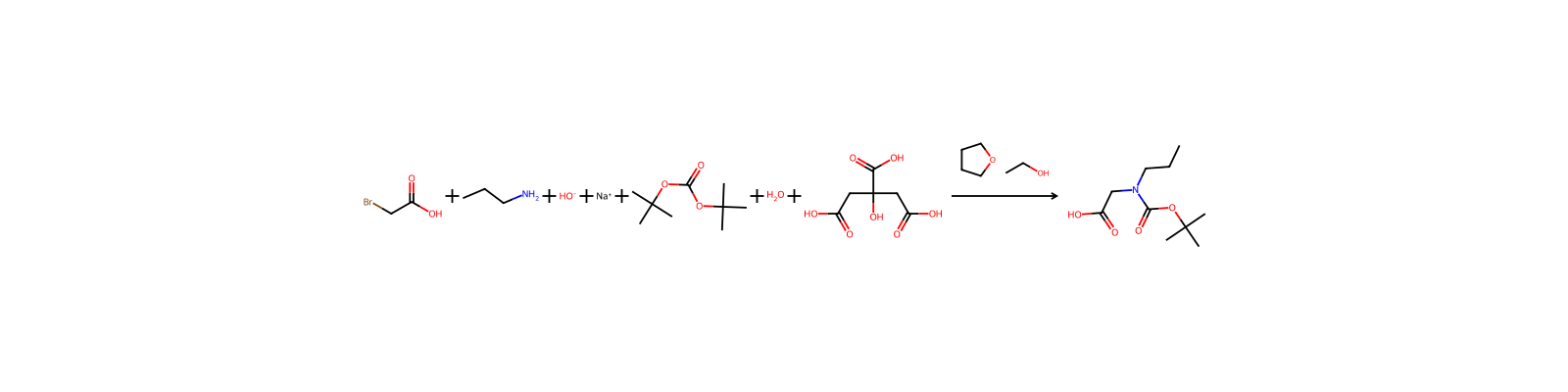
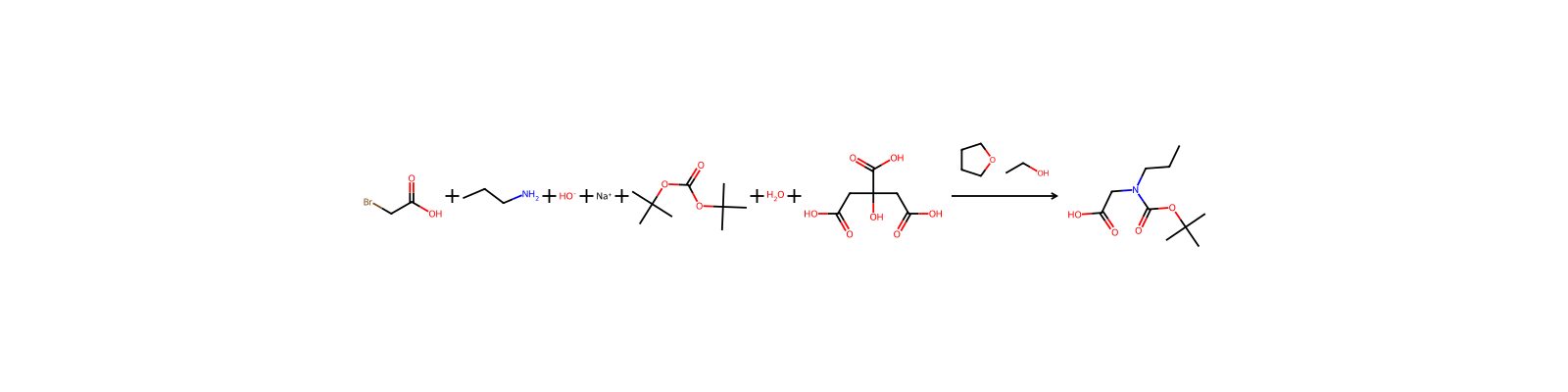
426





Verknüpfte Notizen
Wird geladen…