
6-Chlorchinolin
6-Chloroquinoline

Grundinformationen
- CAS
612-57-7- Standard-SMILES
Clc1ccc2ncccc2c1- InChIKey
GKJSZXGYFJBYRQ-UHFFFAOYSA-N- Summenformel
- C9H6ClN
- Durchschnittliche Molmasse
- 163,6 g/mol
- Monoisotopische Masse
- 163,01887687
Namen und Bezeichner
- Bevorzugter Name
- 6-Chloroquinoline
- IUPAC
- 6-chloroquinoline
- Lokaler Name
- 6-Chlorchinolin
- Englischer Name
- 6-Chloroquinoline
- Summenformel
- C9H6ClN
- Molmasse
- 163.6
Namen und Synonyme
6-Chloroquinoline612-57-7Quinoline, 6-chloro-CCRIS 3981UNII-K4A4BAU5SEK4A4BAU5SENSC 4682EINECS 210-314-1NSC-4682Quinoline, 6-chloro-,CHLOROQUINOLINE, 6-DTXSID3060611
Weitere Namen anzeigen
AKOS 1006-chloro-quinolin6- chlorinequinoline6-Chloroquinoline,99%6-Chloroquinoline >6-CHLOROQUINOLINE ISO 9001:2015 REACH
RefChem:104456DTXCID7042984210-314-1GKJSZXGYFJBYRQ-UHFFFAOYSA-NInChI=1/C9H6ClN/c10-8-3-4-9-7(6-8)2-1-5-11-9/h1-6MFCD000240246-chloro-quinolineNSC4682
Datenbank-Bezeichner
- CAS
612-57-7- PubChem CID
- 69163
- DTXSID
DTXSID3060611- UNII
- K4A4BAU5SE
- EC Number
- 210-314-1
- Nikkaji
- J95.375J
Eigenschaften
Berechnete Struktureigenschaften
- XLogP
- 2,7
- Polarare Oberfläche (TPSA)
- 12,9 Ų
- H-Brücken-Donoren
- 0
- H-Brücken-Akzeptoren
- 1
- Frei drehbare Bindungen
- 0
- Schwere Atome
- 11
- Formalladung
- 0
- Komplexität
- 138
Experimentelle und physikochemische Eigenschaften
SpringerMaterials PropertiesCrystal structure
LogP2.73
Physikochemische Eigenschaften
- Schmelzpunkt
- 41 · 41-43 °C (lit.)
- Siedepunkt
- 126 · 126-127 °C/10 mmHg (lit.)
- Dichte
- 1.2108 · 1.2108 (rough estimate)
- Brechungsindex
- 1.611 · 1.6110 (estimate)
- Flammpunkt
- 230 °F · >230 °F
- storage temp.
- Inert atmosphere,Room Temperature
- Aggregatzustand
- powder to lump
- pka
- 4.18 · 4.18±0.10(Predicted)
- Farbe
- White to Light yellow to Light orange
- Wasserlöslichkeit
- Insoluble in water.
- BRN
- 112963 · 112963
- InChI
Sicherheit und Regulatorisches
Sicherheitsangaben dienen nur zur Orientierung und ersetzen weder das Sicherheitsdatenblatt (SDB) des Lieferanten noch geltende Vorschriften oder eine fachliche Bewertung.
GHS-Klassifizierung
GHS Classification
Warning
H315 (100%): Causes skin irritation [Warning Skin corrosion/irritation]
P261, P264, P264+P265, P271, P280, P302+P352, P304+P340, P305+P351+P338, P319, P321, P332+P317, P337+P317, P362+P364, P403+P233, P405, and P501 (click each P-code to see the statement)
Aggregated GHS information provided per 48 reports by companies from 7 notifications to the ECHA C&L Inventory. Each notification may be associated with multiple companies.
Gefahrenhinweise
Hazard Classes and CategoriesSkin Irrit. 2 (100%)
Sicherheitsdaten
- wgk
- 3
- tsca
- TSCA listed
- hs_code
- 2933490090
- risk_code
- 36/37/38
- hazard_code
- Xi
- safety_code
- 26-37/39
- Speicherklasse
- 11 - Combustible Solids
- Hazard Classifications
- Eye Irrit. 2Skin Irrit. 2STOT SE 3
Chemie und Industrie
Verwendung und Herstellung
General Manufacturing InformationQuinoline, 6-chloro-: INACTIVE
Anwendungen
Verwenden6-chloroquinoline is a useful research chemical.
Verwenden6-Chloroquinoline may be used in the synthesis of 3-methyl-3H-imidazo[4,5-f]quinolin-2-amine. It may be used as catalyst for high yield preparation of ethoxycarbonyl isothiocyanate.
Darstellung
synthetischeAll the reactions were carried out in a 50 mL stainless steel autoclave . A mixture of glycerol (1 g, 1 equiv.), aniline (0.58 g, 0.5 equiv.), water (2.5 mL) and W-KIT-6 (100 mg) was charged in to the autoclave simultaneously and finally heated to 200 °C with stirring for 3 h. On completion of the reaction (monitored by TLC), the autoclave was cooled to room temperature and the catalyst was removed by filtration. Ethyl acetate (10 mL) and water (5 mL) were added to the reaction mixture and stirred well for few minutes. The organic layer was dried over anhydrous Na2SO4 and the crude was purified by column chromatography using 60-120 mesh silica with ethylacetate/hexane as eluent to afford 6-chloroquinoline in good yield.
Vor- und nachgelagerte Produkte
Nachgelagerte Produkte
Zugehörige Reaktionen
1.268

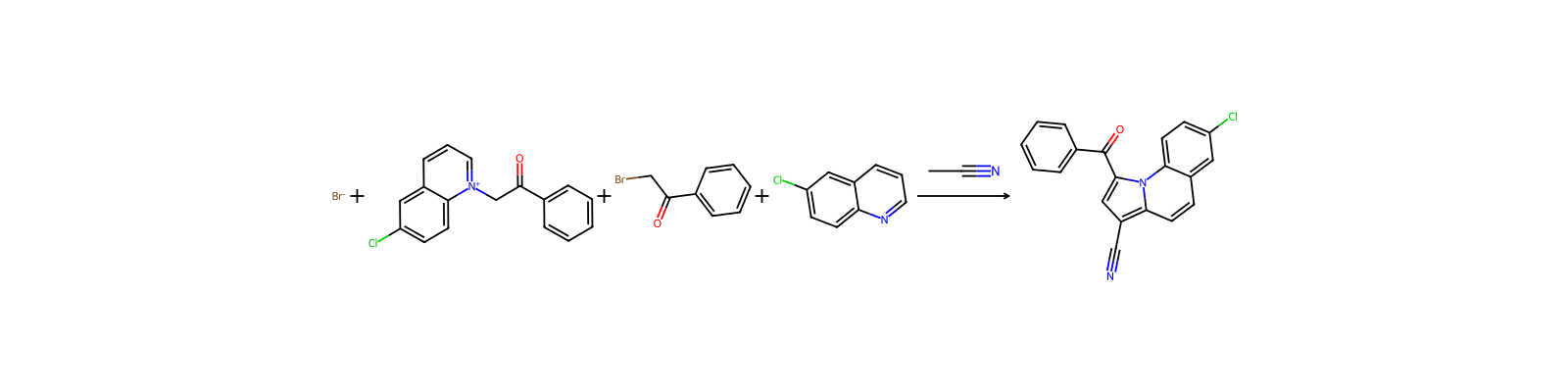
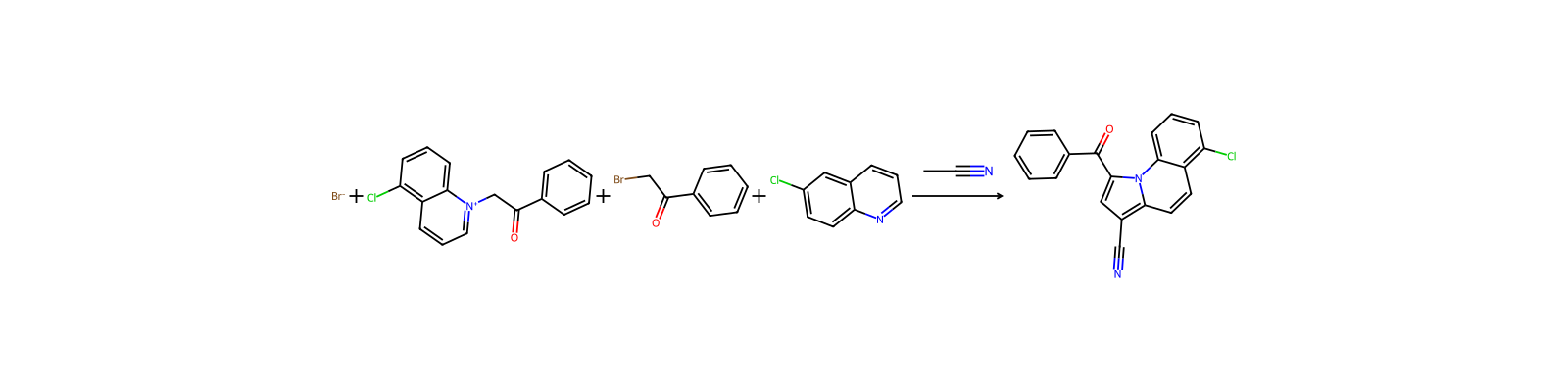

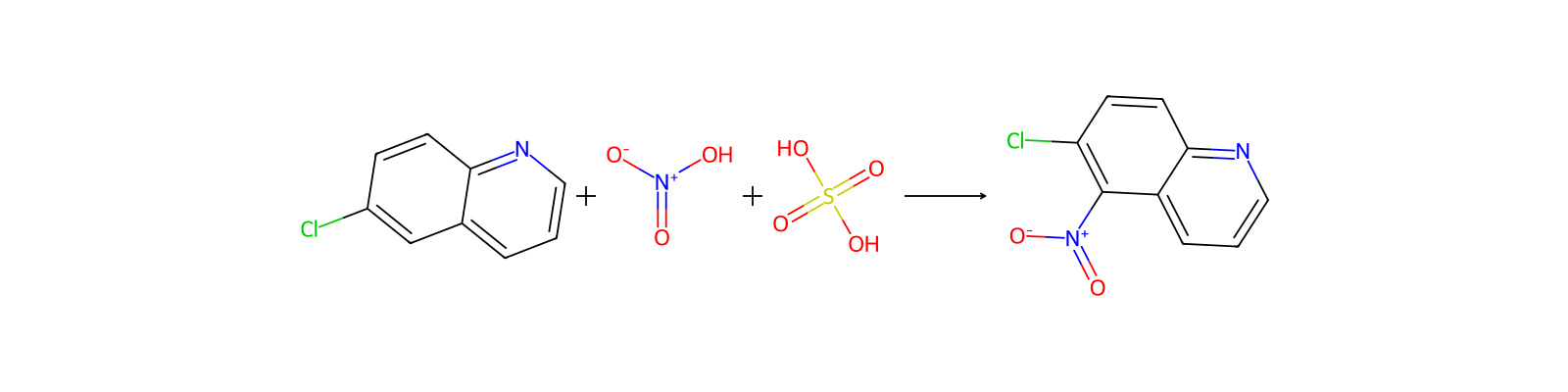


Notizen zur Verbindung
Wird geladen…