

Grundinformationen
- Standard-SMILES
O=[N+]([O-])c1ccc(Cl)cc1- InChIKey
CZGCEKJOLUNIFY-UHFFFAOYSA-N- Summenformel
- C6H4ClNO2
- Durchschnittliche Molmasse
- 157,55 g/mol
- Monoisotopische Masse
- 156,99305605
Überblick
1-Chloro-4-nitrobenzene can cause cancer according to an independent committee of scientific and health experts.
Namen und Bezeichner
- Bevorzugter Name
- 1-Chloro-4-nitrobenzene
- IUPAC
- 1-chloro-4-nitrobenzene
- Lokaler Name
- 1-Chlor-4-nitrobenzol
- Englischer Name
- 4-Chloronitrobenzene
- Summenformel
- C6H4ClNO2
- Molmasse
- 157.55
Namen und Synonyme
4-Chloronitrobenzene1-CHLORO-4-NITROBENZENE100-00-5p-Chloronitrobenzenep-NitrochlorobenzeneBenzene, 1-chloro-4-nitro-4-Nitrochlorobenzene4-Chloro-1-nitrobenzenePNCB1-Nitro-4-chlorobenzene4-Nitro-1-chlorobenzenep-Nitrophenyl chloride
Weitere Namen anzeigen
PARA NITROCHLOROBENZENEPARA-CHLORONITROBENZENE4-Nitrophenyl chlorideNSC 97921-Chloro-4
p-Nitrochlorobenzolp-Nitroclorobenzenep-Nitrochloorbenzeen1-Chlor-4-nitrobenzol1-Cloro-4-nitrobenzene1-Chloor-4-nitrobenzeenDTXSID5020281CVL66U249D
Datenbank-Bezeichner
- CAS
100-00-5- PubChem CID
- 7474
- DTXSID
DTXSID5020281- ChEMBL
CHEMBL56970- ChEBI
CHEBI:34399- UNII
- CVL66U249D
- EC Number
- 202-809-6
- Nikkaji
- J3.586F
Eigenschaften
Berechnete Struktureigenschaften
- XLogP
- 2,4
- Polarare Oberfläche (TPSA)
- 45,8 Ų
- H-Brücken-Donoren
- 0
- H-Brücken-Akzeptoren
- 2
- Frei drehbare Bindungen
- 0
- Schwere Atome
- 10
- Formalladung
- 0
- Komplexität
- 126
Experimentelle und physikochemische Eigenschaften
Chemical Classes
Nitrogen Compounds -> Nitros, Aromatic
Reactive agents - 3rd degree
SpringerMaterials Properties15N nuclear magnetic resonance spectrum
Pesticides
Insecticides
Active substance -> EU Pesticides database: Not approved
LogP
log Kow = 2.39
2.39
2.45
OdorSweet odor
Density
1.52 at 64 °F (NTP, 1992) - Denser than water; will sink
1.520
Relative density (water = 1): 1.3
1.52
1.2979 @ 90°C
1.52
Viscosity1.07X10-3 Pa-s at 356.65 deg K
Color/Form
Monoclinic prisms
Yellow crystals
Yellow, crystalline solid
Solubility
less than 0.1 mg/mL at 75 °F (NTP, 1992)
Sparingly sol in cold alc and freely in boiling alcohol, ether, carbon disulfide.
Soluble in organic solvents
In water, 225 mg/L at 20 °C
Solubility in water: none
Slight
Flash Point
230 °F (NTP, 1992)
127 °C
261 °F (closed cup)
261 °F (127 °C) (closed cup)
127 °C c.c.
230 °F
Boiling Point
468 °F at 760 mmHg (NTP, 1992)
242 °C at 760 mm Hg
242 °C
468 °F
242 °C @760 [mm Hg]
468 °F
Decomposition...WHEN HEATED TO DECOMPOSITION IT EMITS VERYY TOXIC FUMES OF /NITROGEN OXIDES AND HYDROGEN CHLORIDE./
Physikochemische Eigenschaften
- Schmelzpunkt
- 80 · 80-83 °C(lit.)
- Siedepunkt
- 242 °C · 242 °C(lit.)
- Dichte
- 1.298 g/mL · 1.298 g/mL at 25 °C(lit.)
- Dampfdichte
- 5.4 · 5.4 (vs air)
- Dampfdruck
- 0.09 mm · 0.09 mm Hg ( 25 °C)
- Brechungsindex
- 1.5376 · 1.5376 (estimate)
- Flammpunkt
- 230 °F · >230 °F
- Löslichkeit
- Soluble in acetone and alcohol (Weast, 1986)
- Aggregatzustand
- Crystals or Flakes
- Farbe
- Yellow
- Wasserlöslichkeit
- Insoluble
- Spezifische Wärmekapazität
- 1.59 J/ · Cp(crystal): 1.59 J/(g·K), at 25℃
- Merck
- 14 · 14,2151
- BRN
- 508691 · 508691
- Henry's Law Constant
- 4.9 x · 4.90 x 10-6 atmm3/mol at 25 °C (thermodynamic method-GC/UV spectrophotometry, Altschuh et al., 1999)
- Stabilität
- Stable. Combustible. Incompatible with strong oxidizing agents, hydroxides. Reacts violently with sodium methoxide in methanol.
- InChI
- 1S/C6H4ClNO2/c7-5-1-3-6(4-2-5)8(9)10/h1-4H
- InChIKey
- CZGCEKJOLUNIFY-UHFFFAOYSA-N
- SMILES
- [O-][N+](=O)c1ccc(Cl)cc1
- CAS Datenbank
- 100 · 100-00-5(CAS DataBase Reference)
- NIST chemische Informationen
- 1 · Benzene, 1-chloro-4-nitro-(100-00-5)
- EPA chemische Informationen
- p-Chloronitrobenzene (100-00-5)
Sicherheit und Regulatorisches
GHS-Klassifizierung
GHS Classification
Danger
H301: Toxic if swallowed [Danger Acute toxicity, oral]
P203, P260, P261, P262, P264, P270, P271, P273, P280, P301+P316, P302+P352, P304+P340, P316, P318, P319, P321, P330, P361+P364, P391, P403+P233, P405, and P501 (click each P-code to see the statement)
Danger
H301 (100%): Toxic if swallowed [Danger Acute toxicity, oral]
P203, P260, P261, P262, P264, P270, P271, P273, P280, P301+P316, P302+P352, P304+P340, P316, P318, P319, P321, P330, P361+P364, P391, P403+P233, P405, and P501 (click each P-code to see the statement)
Gefahrenhinweise
Regulatory Information
Chemical: Benzene, 1-chloro-4-nitro-
Hazard Traits - Carcinogenicity
2002/2076
Status: Cease Manufacture Update: 16-07-2015 https://echa.europa.eu/registration-dossier/-/registered-dossier/1927
1-Chloro-4-nitrobenzene: HSNO Approval: HSR003035 Approved with controls
The New Jersey Worker and Community Right to Know Act requires public and private employers to provide information about hazardous substances at their workplaces. (N.J.S.A. 34:5A-1 et. seq.)
Other Safety InformationIMAP assessments - Benzene, 1-chloro-4-nitro-: Human health tier II assessment
DOT LabelPoison
Fire Hazards
This compound is combustible. (NTP, 1992)
Combustible. Many reactions may cause fire or explosion. Gives off irritating or toxic fumes (or gases) in a fire. Finely dispersed particles form explosive mixtures in air.
Fire PotentialFIRE HAZARD SLIGHT WHEN EXPOSED TO HEAT OR FLAME.
Health HazardsExcerpt from NIOSH Pocket Guide for p-Nitrochlorobenzene:
Hazards SummaryListed in a table of Industrial Chemicals for Which Methemoglobin Formation is the Principal Cause of Toxicity; liver injury seen in subchronic animal studies; [ACGIH] Can induce methemoglobinemia; May cause skin sensitization; [ICSC]
DOT ID and Guide1578 152
Reactive GroupNitro, Nitroso, Nitrate, and Nitrite Compounds, Organic
UN ClassificationUN Hazard Class: 6.1; UN Pack Group: II
Special Reports
DHHS/NTP; NTP Technical Report on Toxicity Studies of 2-Chloronitrobenzene and 4-Chloronitrobenzene Administered by Inhalation to F344/N Rats and B6C3F1 Mice. Toxicity Rpt Series No.33 NIH Publication No. 93-3382 (1993)
USEPA: High production volume (HPV) Chemical Challenge Program TEST PLAN for the Chloronitrobenzene category. Available from the database query page at http://cfpub.epa.gov/hpv-s/ as of June 26, 2007
European Chemicals Bureau; IUCLID Dataset, 1-chloro-4-nitrobenzene (CAS # 100-00-5) (2000 CD-ROM edition). Available from the Database Query page at: http://ecb.jrc.it/esis/esis.php as of June 26, 2007. Revised version available as an attachment in the Organisation for Economic Cooperation and Development; Screening Information Data Set for 1-Chloro-4-nitrobenzene, CAS # 100-00-5 (2002). Available from the Database Query page at: http://www.chem.unep.ch/irptc/sids/OECDSIDS/sidspub.html as of June 26, 2007.
Organisation for Economic Cooperation and Development; Screening Information Data Set for 1-Chloro-4-nitrobenzene, CAS # 100-00-5 (2002). Available from the Database Query page at: http://www.chem.unep.ch/irptc/sids/OECDSIDS/sidspub.html as of June 26, 2007.
TSCA Requirements
Section 8(a) of TSCA requires manufacturers of this chemical substance to report preliminary assessment information concerned with production, exposure, and use to EPA as cited in the preamble in 51 FR 41329.
Pursuant to section 8(d) of TSCA, EPA promulgated a model Health and Safety Data Reporting Rule. The section 8(d) model rule requires manufacturers, importers, and processors of listed chemical substances and mixtures to submit to EPA copies and lists of unpublished health and safety studies. p-Nitrochlorobenzene is included on this list.
Sicherheit und Schutzausrüstung
Fire Fighting
Fires involving this compound can be controlled with a carbon dioxide, dry chemical or Halon extinguisher. A water spray may also be used. (NTP, 1992)
Use water spray, dry powder, foam, carbon dioxide. Combat fire from a sheltered position.
First Aid Measures
Fresh air, rest. Artificial respiration may be needed. Refer for medical attention.
Remove contaminated clothes. Rinse and then wash skin with water and soap.
Rinse with plenty of water (remove contact lenses if easily possible).
Rinse mouth. Refer for medical attention .
First Aid
EYES: First check the victim for contact lenses and remove if present. Flush victim's eyes with water or normal saline solution for 20 to 30 minutes while simultaneously calling a hospital or poison control center. Do not put any ointments, oils, or medication in the victim's eyes without specific instructions from a physician. IMMEDIATELY transport the victim after flushing eyes to a hospital even if no symptoms (such as redness or irritation) develop.
(General first aid procedures)
Safe StorageSeparated from combustible substances, reducing agents and food and feedstuffs. Ventilation along the floor. Store in an area without drain or sewer access. Provision to contain effluent from fire extinguishing.
Exposure Control and Personal ProtectionBiological Exposure Indices (BEI) [ACGIH] - Methemoglobin in blood = 1.5% of hemoglobin during or at end of shift. [ACGIH]
Fire Fighting Procedures
Water may cause foaming or frothing. Use water spray, dry chemical, foam, or carbon dioxide. /chloronitrobenzens/
CARBON DIOXIDE, DRY CHEMICAL
This chemical is a combustible solid. It does not really ignite. Use dry chemical, carbon dioxide, water spray, or alcohol or polymer foam extinguishers. Poisonous gases are produced in fire. If material or contaminated runoff enters waterways, notify downstream users of potentially contaminated waters. Notify local health and fire officials and pollution control agencies. Containers may explode in fire. From a secure, explosion-proof location, use water spray to cool exposed containers. If cooling streams are ineffective (venting sound increases in volume and pitch, tank discolors, or shows any signs of deforming), withdraw immediately to a secure position. If employees are expected to fight fires, they must be trained and equipped in OSHA 1910.156.
If material on fire or involved in fire: Do not extinguish fire unless flow can be stopped. Use water in flooding quantities as fog. Solid streams of water may be ineffective. Cool all affected containers with flooding quantities of water. Apply water from as far a distance as possible. Use foam, dry chemical, or carbon dioxide. /Chloronitrobenzenes, para, solid/
Storage Conditions
Store in cool, dry, well-ventilated location. Separate from alkalies and oxidizing materials. /Chloronitrobenzenes/
Store in a refrigerator and protect from light, oxidizers, reducing agents, alkalis, and sodium methoxide. Sources of ignition such as smoking and open flames are prohibited where this chemical is handled, used, or stored. Metal containers involving the transfer of 5 gallons or more of this chemical should be grounded and bonded. Drums must be equipped with self-closing valves, pressure vacuum bungs, and flame arresters. Use only non-sparking tools and equipment and fittings. A regulated, marked area should be established where this chemical is handled, used, or stored in compliance with OSHA standard 1910.1045.
... materials which are toxic as stored or which can decomp into toxic components ... should be stored in cool, well-ventilated place, out of ... direct rays of ... sun, away from ... high fire hazard ... should be periodically inspected ... incompatible materials should be isolated.
Cleanup Methods
Evacuate persons not wearing protective equipment from area of spill or leak until clean-up is complete. Remove all ignition sources. Dampen spilled material with alcohol to avoid dust, then transfer material to a suitable container. Use HEPA vacuum or wet method to reduce dist during clean-up. Do not dry sweep. Collect powdered material in the most convenient and safe manner and deposit in sealed containers. Ventilate area after clean-up is complete. It may be necessary to contain and dispose of this chemical as a hazardous waste. If material or contaminated runoff enters waterways, notify downstream users of potentially contaminated waters. Contact your Department of Environmental Protection or your regional office of the federal EPA for specific recommendations. If employees are required to clean-up spills, they must be properly trained and equipped. OSHA 1910.120(q) may be applicable.
1. Ventilate area of spill. 2. For small quantities, sweep onto paper or other suitable material, place in an appropriate container and burn in a safe place (such as a fume hood). Large quantities may be reclaimed; However, if this is not practical, dissolve in a flammable solvent (such as alc) and atomize in a suitable combustion chamber equipped with an appropriated effluent gas cleaning device.
Environmental considerations-land spill: Dig a pit, pond, lagoon, holding area to contain liquid or solid material. /SRP: If time permits, pits, ponds, lagoons, soak holes, or holding areas should be sealed with an impermeable flexible membrane liner./ Cover solids with a plastic sheet to prevent dissolving in rain or fire fighting water. Dike surface flow using soil, sand bags, foamed polyurethane, or foamed concrete. Absorb bulk liquid with fly ash, cement powder, or commercial sorbents. /Chloronitrobenzenes, para, solid/
Environmental considerations-water spill: Use natural barriers or oil spill control booms to limit spill travel. Use natural deep water pockets, excavated lagoons, or sand bag barriers to trap material at bottom. Remove trapped material with suction hoses. /Chloronitrobenzenes, para, solid/
Environmental considerations-air spill: Apply water spray or mist to knock down vapors. /Chloronitrobenzenes, para, solid/
Nonfire Spill Response
SMALL SPILLS AND LEAKAGE: If a spill of this chemical occurs, FIRST REMOVE ALL SOURCES OF IGNITION, then you should dampen the solid spill material with acetone and transfer the dampened material to a suitable container. Use absorbent paper dampened with acetone to pick up any remaining material. Seal your contaminated clothing and the absorbent paper in a vapor-tight plastic bag for eventual disposal. Solvent wash all contaminated surfaces with acetone followed by washing with a soap and water solution. Do not reenter the contaminated area until the Safety Officer (or other responsible person) has verified that the area has been properly cleaned.
Disposal Methods
SRP: The most favorable course of action is to use an alternative chemical product with less inherent propensity for occupational exposure or environmental contamination. Recycle any unused portion of the material for its approved use or return it to the manufacturer or supplier. Ultimate disposal of the chemical must consider: the material's impact on air quality; potential migration in soil or water; effects on animal, aquatic, and plant life; and conformance with environmental and public health regulations.
1. By making packages of p-nitrochlorobenzene in paper or other flammable material and burning in a suitable combustion chamber equipped with an appropriate effluent gas cleaning device. 2. By dissolving p-nitrochlorobenzene in a flammable solvent and atomizing in a suitable combustion chamber equipped with an appropriate effluent gas cleaning device.
Spillage Disposal
Personal protection: complete protective clothing including self-contained breathing apparatus. Do NOT let this chemical enter the environment. Sweep spilled substance into covered sealable containers. If appropriate, moisten first to prevent dusting. Carefully collect remainder. Then store and dispose of according to local regulations. Do NOT absorb in saw-dust or other combustible absorbents.
Preventive Measures
SRP: The scientific literature for the use of contact lenses in industry is conflicting. The benefit or detrimental effects of wearing contact lenses depend not only upon the substance, but also on factors including the form of the substance, characteristics and duration of the exposure, the uses of other eye protection equipment, and the hygiene of the lenses. However, there may be individual substances whose irritating or corrosive properties are such that the wearing of contact lenses would be harmful to the eye. In those specific cases, contact lenses should not be worn. In any event, the usual eye protectionequipment should be worn even when contact lenses are in place.
SRP: Local exhaust ventilation should be applied wherever there is an incidence of point source emissions or dispersion of regulated contaminants in the work area. Ventilation control of the contaminant as close to its point of generation is both the most economical and safest method to minimizepersonnel exposure to airborne contaminants.
Totally enclosed systems are preferred. Where appropriate, air analysis can be helpful ... a high std of personal hygiene ... /such as/ warm shower with plenty of soap and water vigorously applied at end of shift, will minimize chronic exposure. /nitro-cmpd, aromatic/
The worker should immediately wash the skin when it becomes contaminated.
For more Preventive Measures (Complete) data for 1-CHLORO-4-NITROBENZENE (9 total), please visit the HSDB record page.
Toxikologische Informationen
Cancer Sites[in animals: vascular & liver tumors]
Interactions... Ingestion of ethyl alcohol ...aggravates the intoxication. /Nitrochlorobenzene/
Target OrgansBlood, liver, kidneys, cardiovascular system, spleen, bone marrow, reproductive system
Ecotoxicity Values
LC50 Leuciscus idus /(Ide)/ 2.0 mg/L for 48 hr /Conditions of bioassay not specified in source examined/
LC50 Leuciscus idus melanotus /golden ide/ 16 mg/L for 96 hr/ Static bioassay
LC50 Oryzias latipes /(Japanese medaka)/ 14 mg/L for 48 hr /Semistatic bioassay
LC50 Cyrinus carpio (carp) 35 mg/L for 48 hr /Conditions of bioassay not specified in source examined/
For more Ecotoxicity Values (Complete) data for 1-CHLORO-4-NITROBENZENE (15 total), please visit the HSDB record page.
Environmental Fate
TERRESTRIAL FATE: Based on a classification scheme(1), an estimated Koc value of 310(SRC), determined from a structure estimation method(2), indicates that 1-chloro-4-nitrobenzene is expected to have moderate mobility in soil(SRC). Volatilization of 1-chloro-4-nitrobenzene from moist soil surfaces is expected to be an important fate process(SRC) given a Henry's Law constant of 4.9X10⁻⁶ atm-cu m/mole(3). 1-Chloro-4-nitrobenzene is not expected to volatilize from dry soil surfaces(SRC) based upon a vapor pressure of 0.022 mm Hg at 25 °C(4). Screening tests using activated sludge(5), suggest biodegradation of 1-chloro-4-nitrobenzene proceeds slowly in soil.
AQUATIC FATE: Based on a classification scheme(1), an estimated Koc value of 310(SRC), determined from a structure estimation method(2), indicates that 1-chloro-4-nitrobenzene is expected to adsorb to suspended solids and sediment(SRC). Volatilization from water surfaces is expected(3) based upon a Henry's Law constant of 4.9X10⁻⁶ atm-cu m/mole(4). Using this Henry's Law constant and an estimation method(3), volatilization half-lives for a model river and model lake are 152 hours and 73 days, respectively(SRC). According to a classification scheme(5), BCF values of 5.8-20.9 measured in fish(6), suggest bioconcentration in aquatic organisms is low(SRC). Screening tests using activated sludge(6), suggest biodegradation of 1-chloro-4-nitrobenzene proceeds slowly in water. Weak absorption of UV light greater than 290 nm by 1-chloro-4-nitrobenzene in methanol indicates potential for photolysis of 1-chloro-4-nitrobenzene in sunlit surface water(7).
ATMOSPHERIC FATE: According to a model of gas/particle partitioning of semivolatile organic compounds in the atmosphere(1), 1-chloro-4-nitrobenzene , which has a vapor pressure of 0.022 mm Hg at 25 °C(2), is expected to exist solely as a vapor in the ambient atmosphere. Vapor-phase 1-chloro-4-nitrobenzene is degraded in the atmosphere by reaction with photochemically-produced hydroxyl radicals(SRC); the half-life for this reaction in air is estimated to be 94 days(SRC), calculated from its rate constant of 1.7X10⁻¹³ cu cm/molecule-sec at 25 °C(SRC) that was derived using a structure estimation method(3). Weak absorption of UV light greater than 290 nm by 1-chloro-4-nitrobenzene in methanol indicates potential for photolysis by sunlight of 1-chloro-4-nitrobenzene in air(4).
Adverse EffectsOccupational hepatotoxin - Secondary hepatotoxins: the potential for toxic effect in the occupational setting is based on cases of poisoning by human ingestion or animal experimentation.
Exposure Routes
The substance can be absorbed into the body by inhalation, through the skin and by ingestion.
inhalation, skin absorption, ingestion, skin and/or eye contact
Toxicity Summary
1-Chloro-4-nitrobenzene is rapidly absorbed via skin, gastrointestinal tract or respiratory tract and distributed in the tissue predominantly in fat, blood cells, skeletal muscles, liver and kidney. Most of the substance was excreted with the urine followed by excretion with feces. 1-Chloro-4-nitrobenzene undergoes three major types of transformation in vivo in mammals: nitro-group reduction, displacement of the chloride in glutathione conjugation, and ring hydroxylation. From accidental exposure of workers to 1-chloro-4-nitrophenol, large amounts of 2-chloro-5- nitrophenol, N-acetyl-S-(4-nitrophenyl)-L-cysteine, 4-chloroaniline and 4-chloroformanilide were identified. The oral LD50 for 1-chloro-4-nitrobenzene in male rats is 294 or 694 mg/kg bw and in female rats 565 or 664 mg/kg bw. Cyanotic appearance was the predominant symptom. The ... LC50 level could not be reached up to 16100 mg/cu m during a 4-hrs exposure against vapor and microcrystalline particles. The LD50 (dermal) for male rats is 750 mg/kg bw and for female rats 1722 mg/kg bw; the LD50 for male rabbits is 3550 mg/kg bw and for female rabbits 2510 mg/kg bw after acute dermal application. Cyanotic appearance was the predominant symptom. For the evaluation of acute toxicity it has to be taken into account that 1-chloro-4-nitrobenzene is a methemoglobin forming chemical. Experience with human exposure: all available reports relate to mixed exposure, frequently in combination with 1-chloro-2-nitrobenzene and/or nitrobenzene. A critical aspect in this context is that 1-chloro-4-nitrobenzene is rapidly absorbed via skin and the respiratory tract. The signs of acute intoxication include methaemoglobinaemia, vomiting, headache and in severe cases collapse. The available study-reports on skin irritation have deficiencies with regard to the description of the results, nevertheless, 1-chloro-4-nitrobenzene is judged to be slightly irritating to the skin (intact or scarificed) of rabbits ... Due to the limited and poor quality information available regarding skin sensitization it cannot be concluded whether or not the chemical has a sensitizing activity. The repeated dose toxicity via inhalation has been examined in rats for a period of 4 weeks and 13 weeks. In both studies, NOAECs were not achieved, the LOAECs were 5 mg/cu m (4 week-study) and 1.5 ppm (9.81 mg/vu m, 13 week-study), respectively, based on methemoglobinemia (3 % and 4 %, respectively) as the most sensitive effect. ... The repeated dose toxicity via inhalation for a period of 13 weeks in mice revealed a NOAEC for histopathologic injury of 6 ppm (39.24 mg/cu m). As target organs liver, kidney (rat only), spleen and blood were identified in both species. Similarly, repeated dose toxicity by oral administration in rats ... revealed changes predominantly consistent with methemoglobinemia. ... 1-Chloro-4-nitrobenzene induced reverse mutations in bacteria. It was not mutagenic in mammalian cells in vitro (HPRT test) and in insects in vivo. A mouse lymphoma assay was positive. In vitro it induced chromosomal aberrations and sister chromatid exchanges at high doses; no UDS in rat hepatocytes was reported. The chemical induced micronuclei in mouse bone marrow in vivo at a toxic dose. In rat bone marrow it did not induce chromosomal aberrations in vivo. An in vivo SCE test was weakly positive in bone marrow cells of Chinese hamsters. DNA strand breaks were observed in liver, kidney and brain of mice. 1-Chloro-4-nitrobenzene is consequently capable of expressing mutagenic activity in vivo with low potency. A combined chronic toxicity/carcinogenicity study ... with 1-chloro-4-nitrobenzene in rats produced an increased incidence in interstitial cell tumours of the testes which were within the range of the historical control data and evaluated as not compound related. ... In another rat study ... reported in brief, no tumors were found. In the available study with mice ... reported in brief, vascular tumors (localization not specified) were found. ... Overall, taking into consideration the results of the genotoxicity tests and the limitations in the available long term studies, a carcinogenic potential cannot be ruled out. Toxicity to reproduction of 1-chloro-4-nitrobenzene has been examined in rats and mice by oral administration. In a two generation study with rats ... no impairment of fertility was observed up to 5 mg/kg bw (high dose group), nevertheless, at this dose histopathological effects in testes were observed. But the evaluation of the effect on the male reproductive tract is limited because the testes in the low and mid dose group were not examined histopathologically. Therefore a NOAEL (male reproductive organ toxicity) was not established. ... In mice a study was performed using the NTP continuous breeding protocol. The NOAEL (fertility) is 125 mg/kg bw/day, the LOAEL (offspring general toxicity) is 62.5 mg/kg bw/day. The NOAEL (adult general toxicity) is 125 mg/kg bw/day, but full evaluation is not possible because evaluation of the animals of the two lower groups were very limited. Two subchronic inhalation studies with rats and mice with histopathologic evaluations on reproductive organs are available. There was evidence of decreased spermatogenesis (24 ppm) and decrease in average estrous cycle length in rats exposed to 1-chloro-4-nitrobenzene (6 ppm and above). In female mice an increase in estrous cycle length was noted at the highest exposure group (24 ppm). Developmental toxicity of 1-chloro-4-nitrobenzene has been examined in rats and rabbits by oral administration ... a NOAEL for maternal toxicity was not achieved, the LOAEL(maternal toxicity) is 5 mg/kg bw/day; the NOAEL (developmental toxicity) is 15 mg/kg bw/day. The study with rabbits suffered from methodology deficiencies. Due to high mortality rate at the highest dose level, only two doses could be evaluated: the LOAEL (maternal toxicity) is 5 mg/kg bw/day and the LOAEL (developmental toxicity) is 5 mg/kg bw/day. Thus, in both species developmental toxicity occurred in the presence of maternal toxicity. There are indications of immunotoxic potency following single and repeated applications of 1-chloro-4- nitrobenzene. Concerning the toxicity of 1-chloro-4-nitrobenzene towards aquatic species reliable experimental results of tests with fish, daphnia, and algae are available. The acute toxicity determined for fish (Brachydanio rerio) was of 14.36 mg/L (96 hr LC50) and 2 mg/L (48 hr) for Leuciscus idus and for daphnia (Daphnia magna) of 2.7 mg/L (48 hr-EC50). In the growth rate tests with algae (Scenedesmus subspicatus) the values 4.9 mg/L (48 hr-ErC10) and 16 mg/L (48 hr- ErC50) were achieved while for Chlorella pyrenoidosa an effect value of 4.9 mg/L (96 hr-EC50) was found. The prolonged toxicity to fish (Brachydanio rerio) for the endpoint sub-lethal effects (feeding, malposition) was evaluated through a 14 days test and a NOEC value of 1.53 mg/l was determined. Two chronic tests with Daphnia (Daphnia magna) are available that were performed with analytical monitoring of the test substance concentration. In one test a 21 d-EC10 of 0.103 mg/L (effective concentration) was observed for the endpoint reproduction rate. The second test resulted in a 21d-NOEC of 0.19 mg/L (effective concentration) for the same endpoint. Calculating the geometric mean of these two values gives a NOEC of 0.14 mg/Ll. A PNECaqua = 2.8 g/L is derived from this value, using an assessment factor of 50.
Ecotoxicity Excerpts
/AQUATIC SPECIES/ Twenty-one-day Daphnia reproduction tests were conducted in line with the provisional procedure proposed by the Federal Environmental Agency (Umweltbundesamt, FRG), as of Jan 1, 1984. Groups of 20, 24-hr old Daphnia magna Straus were exposed to 0.08 to 20 mg/L 1-chloro-4-nitrobenzene in semi-static test vessels. Parent animals in the test and control vessels had to be pipetted 3 times/wk in freshly prepared test and control media at the corresponding concn level. The no observed effect concn (NOEC) was determined from the parameters of mortality of the parent animals, reproduction rate and appearance of the first offspring during the test period. In preliminary acute Daphnia tests, the 24 hr EC50 was 15 mg/l for 1-chloro-4-nitrobenzene, the EC0 was 3.3 mg/L. The nominal 21 day no observed effect concn was 0.32 mg/L, with the most sensitive parameter being the reproductive rate.
Signs and Symptoms
Blue lips, fingernails and skin. Dizziness. Headache. Nausea. Vomiting. Weakness.
MAY BE ABSORBED! See Inhalation.
Redness.
See Inhalation.
Anoxia; unpleasant taste; anemia; methemoglobinemia; In Animals: hematuria (blood in the urine); spleen, kidney, bone marrow changes; reproductive effects; [potential occupational carcinogen]
Ongoing Test Status
The following link will take the user to the National Toxicology Program (NTP) Test Agent Search Results page, which tabulates all of the "Standard Toxicology & Carcinogenesis Studies", "Developmental Studies", and "Genetic Toxicity Studies" performed with this chemical. Clicking on the "Testing Status" link will take the user to the status (i.e., in review, in progress, in preparation, on test, completed, etc.) and results of all the studies that the NTP has done on this chemical. [http://ntp-apps.niehs.nih.gov/ntp_tox/index.cfm?fuseaction=ntpsearch.searchresults&searchterm=100-00-5]
Effluent Concentrationso-, m- and p-Chloronitrobenzene were identified in m-chloronitrobenzene waste water at a concentration of 1.5-1.8 g/L(1).
Regulatorische Informationen
TSCA Requirements
Section 8(a) of TSCA requires manufacturers of this chemical substance to report preliminary assessment information concerned with production, exposure, and use to EPA as cited in the preamble in 51 FR 41329.
Pursuant to section 8(d) of TSCA, EPA promulgated a model Health and Safety Data Reporting Rule. The section 8(d) model rule requires manufacturers, importers, and processors of listed chemical substances and mixtures to submit to EPA copies and lists of unpublished health and safety studies. p-Nitrochlorobenzene is included on this list.
Atmospheric Standards
This action promulgates standards of performance for equipment leaks of Volatile Organic Compounds (VOC) in the Synthetic Organic Chemical Manufacturing Industry (SOCMI). The intended effect of these standards is to require all newly constructed, modified, and reconstructed SOCMI process units to use the best demonstrated system of continuous emission reduction for equipment leaks of VOC, considering costs, non air quality health and environmental impact and energy requirements. p-Chloronitrobenzene is produced, as an intermediate or a final product, by process units covered under this subpart.
Sicherheitsdaten
- wgk
- 2
- IDLA
- 100 mg/m3
- tsca
- TSCA listed
- ridadr
- UN 1578 6.1/PG 2
- hs_code
- 29049085
- RTECS-Nr.
- CZ1050000
- risk_code
- 23/24/25-40-48/20/21/22-51/53-68
- Toxizität
- LD50 (skin) for rats 16 gm/kg (quoted, RTECS, 1985).
- hazard_code
- T,N
- hazard_note
- Very Toxic
- safety_code
- 28-36/37-45-61-28A
- hazard_class
- 6.1
- packing_group
- II
- Speicherklasse
- 6.1A - Combustible acute toxic Cat. 1 and 2very toxic hazardous materials
- Giftige Stoffe Daten
- 100-00-5(Hazardous Substances Data)
- Hazard Classifications
- Acute Tox. 3 DermalAcute Tox. 3 InhalationAcute Tox. 3 OralAquatic Chronic 2Carc. 2Muta. 2STOT RE 2
- Selbstentzündungstemperatur
- 500 °F
Chemie und Industrie
Pharmakologische Informationen
Biological Half-Life/In 8 poisoned and hospitalized men/ urinary metabolites exponentially decreased with time, fitting a model of two compartment pharmacodynamics. Half-lives of the fast and slow phases were 2.7 +/-0.4 and 14.7+/8.2 days, respectively.
Metabolism/Metabolites
The major urinary metabolites were conjugated (glucuronide or sulfate) forms of nitrochlorophenol and N-acetylcysteine conjugate of nitrobenzene. Minor metabolites included aminochlorophenol and N-acetylated aminochlorophenol. Para-chloroaniline has also been identified as a metabolite in the urine of rabbits following oral administration of PNCB.
p-Nitrochlorobenzene yields n-acetyl-s-(p-nitrophenyl)-l-cysteine, p-chloroaniline and 2-chloro-5-nitrophenol in rabbits.
The metabolism of radiolabeled monochloronitrobenzene isomers was compared in isolated hepatocytes and hepatic subcellular fractions from male Fischer-344 rats. ... 4-Chloronitrobenzene was metabolized to 4-chloroacetanilide, 4-chloroaniline, and S-(4-nitrophenyl)glutathione in approximately equal amounts (10-15% of the added substrate in 90 min). Studies with hepatic microsomes showed that reduction of the chloronitrobenzenes to chloroanilines was inhibited by SKF 525-A, metyrapone, and carbon monoxide, suggesting that cytochrome P-450 played a role in the reaction...
Urinary metabolites from human subjects acutely poisoned with p-chloro-nitrobenzene were identified with GLC-mass spectrometry. Eight substances /were identified/, namely, a very large amount of N-acetyl-S-(4-nitrophenyl)-cysteine, relatively large quantities of p-chloroaniline, 2-chloro-5-nitrophenol and p-chloroformanilide produced by pyrolysis of a substance originating from p-chloro-nitrobenzene, small amounts of 2-amino-5-chlorophenol and 2,4-dichloroaniline, and traces of p-chloroacetanilide and 4-chloro-2-hydroxyacetanilide, were detected in urine samples. All of the absorbed p-chloro-nitrobenzene was metabolized prior to excretion, as the parent cmpd was not found in the urine.
For more Metabolism/Metabolites (Complete) data for 1-CHLORO-4-NITROBENZENE (10 total), please visit the HSDB record page.
Absorption, Distribution and Excretion
Elimination of PNCB or its metabolites was essentially complete (95.5%) within 72 hours after a single oral dose of approximately 200 mg/kg to male rats.
In humans, PNCB may be absorbed through the lungs and skin ... .
The effect of dose on the dermal absorption of 2-chloronitrobenzene and 4-chloronitrobenzene was studied in rats. (14)C labeled 2-chloronitrobenzene or 4-chloronitrobenzene was applied to the shaved backs of male Fischer 344 rats at an application rates equivalent to doses of 0, 0.65, 6.5 or 65 mg/kg. Urine and feces samples were collected for 24, 48 or 72 hr and assayed for (14)C activity. Exhaled volatiles were collected in ethanol traps and analyzed. After 72 hr, the rats were /sacrificed/ and their skin removed and analyzed for (14)C activity. Approx 21-27% and 43 to 45% of the 2-chloronitrobenzene and 4-chloronitrobenzene doses, respectively, were eliminated in the urine over 72 hr. Approx 11 to 15% of the 2-chloronitrobenzene dose and 5 to 12% of the 4-chloronitrobenzene dose were excreted over 72 hr. Fecal excretion of 4-chloronitrobenzene showed a dose related incr which was statistically significant only when comparing the 65 mg/kg dose with the 0.65 mg/kg dose. Approx 27 to 32% of 2-chloronitrobenzene derived radioactivity and 13 to 15% of the 4-chloronitrobenzene derived (14)C activity were recovered in the ethanol traps. The amt of collected radioactivity did not depend on dose and consisted of unchanged 2-chloronitrobenzene or 4-chloronitrobenzene. ... An analysis of all (14)C data indicated that the dermal absorption of 2-chloronitrobenzene ... was linear over the entire dose range. Dermal absorption of 4-chloronitrobenzene was linear only after application of 0.65 and 6.5 mg/kg. /Results indicate/ that under the experimental conditions used at least 33 to 40% and 51 to 62% of the applied 2-chloronitrobenzene and 4-chloronitrobenzene doses, respectively, are absorbed from the skin of rats. ... Dermal absorption of 2-chloronitrobenzene is linear over the dose range 0.65 mg/kg to 65 mg/kg. Dermal absorption of 4-chloronitrobenzene is essentially unaffected by dose.
p-chloronitrobenzene was studied in male Sprague-Dawley rats injected ip with 0, 30, 100, or 333 mg/kg p-nitrochlorobenzene. Blood and urine samples were collected periodically from 1 to 169 hr after dosing. Plasma p-nitrochlorobenzene concn were determined at these times. The urine samples were analyzed for p-nitrochlorobenzene metabolites. The plasma concentrations of p-chloronitrobenzene following injection with the 30 and 100 mg/kg doses decreased linearly with time. The decrease following 333 mg/kg p-chloronitrobenzene was nonlinear. The mean residence time of p-chloronitrobenzene, determined from the first normal moment, increased with increasing dose. Systemic p-chloronitrobenzene clearance, defined as the ratio of the dose to the area under the plasma concn time curve, decreased with increasing p-chlorobenzene dose. The observations indicated that clearance of p-chloronitrobenzene from the plasma was nonlinear. N-acetyl-5-(4-nitrophenyl)-L-cysteine was the major urinary metabolite accounting for approx 30% of each administered p-chloronitrobenzene dose and 50% of the total metabolite concn. The rate constants for estimation of each p-chloronitrobenzene metabolite decr with increasing dose and were larger than those for production of the metabolites. The elimination rate of N-acetyl-S-(4-nitrophenyl)-L-cysteine, however, was proportional to p-chloronitrobenzene.
In rats, following oral dosing at least 78 % and following dermal application at least 62 % of the applied compound were absorbed. 72 hours after oral uptake of the compound up to 74 % of the dose was excreted with the urine and up to 12 % with the feces. After dermal application 45 % of the dose was excreted in the urine and 12 % in the feces within 72 hrs (up to 30 % of the dose was recovered in the protective device and ethanol trap (collects volatiles)). In both application routes, it was shown that at very high doses the initial urinary excretion rate is delayed and the initial fecal excretion is markedly depressed. These observations at high doses may reflect the reabsorption from greater biliary excretion rates suggesting involvement of the enterohepatic cycle, but there are no signs of accumulation of 1-chloro-4-nitrobenzene or one of its metabolites. 24 hours post oral application the highest concentrations of the compound were found in the fat, followed by blood cells, skeletal muscles , liver and kidney. At 72 hours greatest concentration was found in the blood cells followed by fat, skeletal muscles and liver.
Verwendung und Herstellung
Uses
Used to manufacture dyes, rubber, and insecticides; [ACGIH]
p-Chloronitrobenzene is used to manufacture p-nitrophenol, p-nitroaniline, p-aminophenol, phenacetin, acetaminophen, parathion and other agricultural chemicals, rubber chemicals, antioxidants, oil additives and Dapsone (an antimalarial drug).
CHEM INT FOR ETHYL & METHYL PARATHION, ACETAMINOPHEN, TRICLOCARBAN, A BACTERIOSTAT, RUBBER-PROCESSING CHEMICALS, & OTHER INTS, EG, P-CHLOROANILINE
Used in the manufacture of dyestuffs and insecticides.
Intermediate, especially for dyes; manufacture of p-nitrophenol from which parathion is made; agricultural chemicals; rubber chemicals
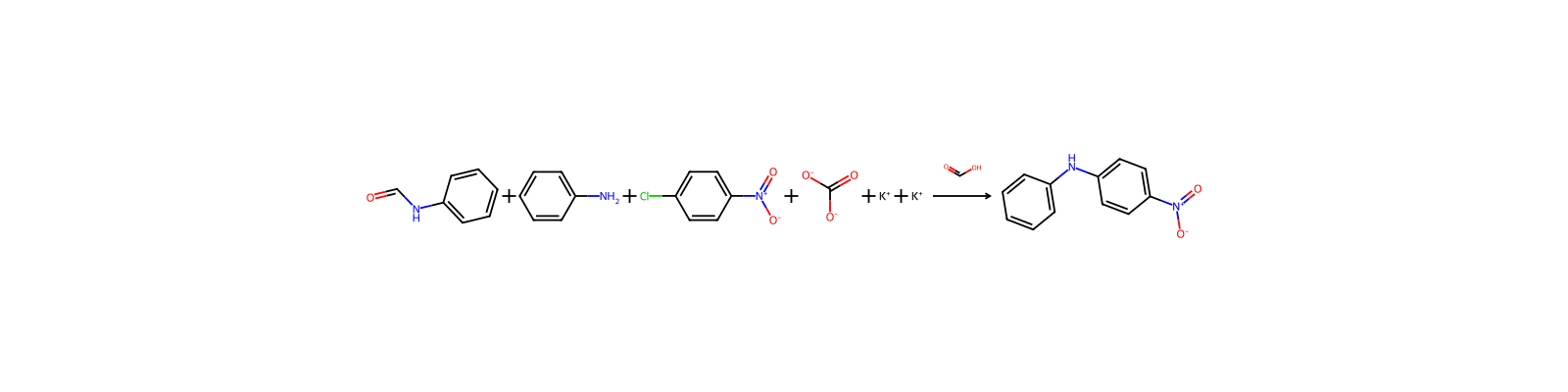
4-Chloronitrobenzene and its derivatives are also used in many synthetic processes. Common chemical intermediates produced from 4-chloronitrobenzene include 4-chloroaniline, 4-nitrophenol, 4-nitroanisole, para-anisidine, 4-nitroaniline, 6-chloro-3-nitrobenzenesulfonic acid, 2,4- dinitrochlorobenzene and 3,4-dichloronitrobenzene. 4,4'-Diaminodiphenyl sulfone (Dapsone), a drug used to treat leprosy, is synthesized from 4-chloronitrobenzene by one of two methods. In addition, condensation of 4-chloronitrobenzene with 2,4-dichlorophenol gives 2,4-dichloro-4'-nitrodiphenyl ether, which is used as a herbicide (nitrofen); 4-chloronitrobenzene can also be reacted with aniline to give 4-nitrodiphenylamine, which on reductive N-alkylation gives important antioxidants for rubber
U.S. Production
(1994) < 145 million pounds total produced by both Monsanto Co. and E I du Pont de Nemours & Company.
(1981) 4.80X10+10 G (ALL ISOMERS-EST)
Production volumes for non-confidential chemicals reported under the Inventory Update Rule. [Table#3454]
This chemical is listed as a High Production Volume (HPV) (65FR81686). Chemicals listed as HPV were produced in or imported into the U.S. in >1 million pounds in 1990 and/or 1994. The HPV list is based on the 1990 Inventory Update Rule. (IUR) (40 CFR part 710 subpart B; 51FR21438).
Methods of Manufacturing
NITRATION OF CHLOROBENZENE & PURIFICATION BY RECRYSTALLIZATION
Chloronitrobenzenes are produced by nitration of chlorobenzene. The crude chloronitrobenzene obtained from the nitration process contains about 34% o-chloronitrobenzene, 65% p-chloronitrobenzene, and 1% m-chloronitrobenzene. The isomers are separated by a combination of crystallization and distillation.
Formulations/PreparationsProduct sold is 99% pure.
General Manufacturing InformationBenzene, 1-chloro-4-nitro-: ACTIVE
Anwendungen
Verwenden4-Nitrochlorobenzene is an important intermediate in the manufacture of azo dyes and sulfide dyes, the drugs finasteride and paracetamol, the pesticide herbicide, etc. It is also the raw material of rubber antioxidant 4010.
Vor- und nachgelagerte Produkte
Vorgelagerte Rohstoffe
Nachgelagerte Produkte
Anbieter42 Anbieter
上海阿拉丁生化科技股份有限公司400-6206333 13167063860 · [email protected]
河北永泰供应链管理有限公司15130657697 15130657697 · [email protected]
广州佳途科技股份有限公司81960175 18933936954 · [email protected]
武汉欣扬瑞和化学科技有限公司153-07155313 15307155313 · [email protected]
武汉欣扬瑞和化学科技有限公司18171205315; 18171205315 · [email protected]
上海辅欣医药科技有限公司+86-021-021-50872116 · [email protected]
武汉市恒久化工有限公司17317534732 17671758929 · [email protected]
江苏艾康生物医药研发有限公司025-5885952 15955137747 · [email protected]
上海瀚扬化工产品有限公司13356258271
广东大小化工有限公司1866-171603 18666171603 · [email protected]
杭州云易国科生物科技有限公司18457506494 · [email protected]
南京化学试剂股份有限公司025-58369808 17895012682 · [email protected]
广州爱纯医药科技有限公司020-39119399 18927568969 · [email protected]
北京京土恒盛化工科技有限公司00-13911456598 13911456598 · [email protected]
天津普西唐生物医药科技有限公司010-60605840 · [email protected]
常州泽源医药科技有限公司19026388314 · [email protected]
上海麦克林生化科技股份有限公司15221275939 15221275939 · [email protected]
杭州杰恒化工有限公司0571-87396432 · [email protected]
济南琳盛化工有限公司18769772272 · [email protected]
艾吉析科技(上海)有限公司17721401538;17717235263 17721401538 · [email protected]
上海源叶生物科技有限公司13636370518 · [email protected]
舟山广兴化学有限公司15698059122 15698059122 · [email protected]
山东满堂红新材料有限公司3923611010 13065055261 · [email protected]
成都康巴斯生物科技有限公司18582381569 · [email protected]
Shaanxi Dideu New Materials Co. Ltd18192503167 · [email protected]
湖北中隆康盛精细化工有限公司027-83850381 18171045381
毕升化学(上海)有限公司19852830193 19852830193 · [email protected]
上海易恩化学技术有限公司400-400-1332688 18019345275 · [email protected]
Zjartspharm Co., Ltd15068876005 · [email protected]
上海吉至生化科技有限公司021-4009004166/18616739031 18616739031 · [email protected]
济南汇丰达化工有限公司13156148719 15554103218;13156148719;15550483828 · [email protected]
XIAMEN AMITY INDUSTRY AND TRADE CO., LTD.+8618950047208 · [email protected]
湖北赋云生物科技有限公司17620628948 · [email protected]
SUZHOU SENFEIDA CHEMICAL CO.,LTD+86-0512-83500002 +86-15195660023 · [email protected]
上海宝杨宝欣生物科技有限公司021-56698539 19921169802 · [email protected]
上海德诺化工有限公司021-62142081 13761313918
上海珅桔化工有限公司13167128868 13248068001 · [email protected]
山东宏远化工科技有限公司13561560789
湖北中隆康盛精细化工有限公司027-83850125 15927542930 · [email protected]
CD Chemical Group Limited+86-13651442114 · [email protected]
上海阿摩尔生物科技有限公司13370042665 18916960931 · [email protected]
南京奥泽化工有限公司15189842686 · [email protected]
Ergänzende Hinweise
DefinitionChEBI: 4-Chloronitrobenzene is a C-nitro compound.
Zugehörige Reaktionen
304



Verknüpfte Notizen
Wird geladen…