

Grundinformationen
- Standard-SMILES
COCCO- InChIKey
XNWFRZJHXBZDAG-UHFFFAOYSA-N- Summenformel
- C3H8O2
- Durchschnittliche Molmasse
- 76,09 g/mol
- Monoisotopische Masse
- 76,05242949
Namen und Bezeichner
- Bevorzugter Name
- 2-Methoxyethanol
- IUPAC
- 2-methoxyethanol
- Lokaler Name
- 2-Methoxy-ethanol
- Englischer Name
- 2-Methoxyethanol
- Summenformel
- C3H8O2
- Molmasse
- 76.09
Namen und Synonyme
2-METHOXYETHANOL109-86-4Methyl cellosolveEthylene glycol monomethyl etherEthanol, 2-methoxy-Methyl oxitol2-Methoxy-1-ethanolDowanol EMMethylglykolEGMEMethoxyhydroxyethane3-Oxa-1-butanol
Weitere Namen anzeigen
H2OAMYL ALCOHOLMETHOXYETHANOLDISTILLED WATEREthylene glycol methyl etherEGM
Monomethyl glycolGlycol ether EMPristGlycol monomethyl ether1-Hydroxy-2-methoxyethaneJeffersol EMMECSMetil cellosolve
Datenbank-Bezeichner
- CAS
109-86-4、32718-54-0- PubChem CID
- 8019
- DTXSID
DTXSID5024182- ChEMBL
CHEMBL444144- ChEBI
CHEBI:46790- UNII
- EK1L6XWI56
- EC Number
- 203-713-7、251-174-1
- Nikkaji
- J2.442B
Eigenschaften
Berechnete Struktureigenschaften
- XLogP
- -0,8
- Polarare Oberfläche (TPSA)
- 29,5 Ų
- H-Brücken-Donoren
- 1
- H-Brücken-Akzeptoren
- 2
- Frei drehbare Bindungen
- 2
- Schwere Atome
- 5
- Formalladung
- 0
- Komplexität
- 14
Experimentelle und physikochemische Eigenschaften
LogP
-0.77
log Kow = -0.77
-0.503
Odor
Mild agreeable odor
Ether-like odor
TasteBitter
Density
0.966 at 68 °F (USCG, 1999) - Less dense than water; will float
0.9647 g/cu cm at 20 °C
Bulk density: 8.0 lb/gal
Relative density (water = 1): 0.96
0.96
1.4 @ 20°C
Color/FormColorless liquid
Solubility
greater than or equal to 100 mg/mL at 70 °F (NTP, 1992)
1000000
Miscible with water
Miscible with alcohol, ether, acetone, dimethylformamide
Miscible with hydrocarbons, alcohols, ketones, glycols
Solubility in water: miscible
CorrosivityMethyl cellosolve will attack some forms of plastics, rubber, and coatings.
Flash Point
107 °F (NTP, 1992)
41.7 °C
42 °C closed cup
120 °C open cup
Flash point 40 °C (104 °F) - closed cup
39 °C c.c.
Boiling Point
257 °F at 768 mmHg (NTP, 1992)
124.1
124.1 °C
125 °C
256 °F
124.5 °C @760 [mm Hg]
Decomposition
Thermal decomposition 204 - 232 °C
Hazardous decomposition products: Hazardous decomposition products formed under fire conditions. - Carbon oxides.
Melting Point
-121.2 °F (NTP, 1992)
-85.1
-85.1 °C
-85 °C
-121 °F
-86.5 °C
Vapor Density
2.62 (NTP, 1992) - Heavier than air; will sink (Relative to Air)
2.62 (Air = 1)
Relative vapor density (air = 1): 2.6
Physikochemische Eigenschaften
- Schmelzpunkt
- -85 °C · -85 °C
- Siedepunkt
- 124 · 124-125 °C(lit.)
- Dichte
- 0.965 g/mL · 0.965 g/mL at 25 °C(lit.)
- Dampfdichte
- 2.62 · 2.62 (vs air)
- Dampfdruck
- 6.17 mm · 6.17 mm Hg ( 20 °C)
- Brechungsindex
- 20 · n20/D 1.402(lit.)
- Flammpunkt
- 115 °F · 115 °F
- storage temp.
- 5 °C · Store at +5°C to +30°C.
- Löslichkeit
- 95 % · Very soluble in acetone, dimethylsulfoxide, and 95% ethanol (quoted, Keith and Walters, 1992). Miscible with N,N-dimethylformamide, ether, and glycerol (Windholz et al., 1983).
- pka
- 15.7 · 15.7(at 25℃)
- Aggregatzustand
- Liquid
- Farbe
- green cap
- Geruch (Odor)
- Mild ethereal.
- PH
- 7 · 7 (20°C)
- Explosionsgrenze
- 2.5 · 2.5-20%(V)
- Wasserlöslichkeit
- SOLUBLE
- Spezifische Wärmekapazität
- 2.25 J/ · Cp(liquid): 2.25 J/(g·K), at 25℃
- Merck
- 14 · 14,6038
- BRN
- 1731074 · 1731074
- Henry's Law Constant
- 10 · (x 10-2 atmm3/mol): 4.41, 3.63, 11.6, 3.09, and 3.813 at 10, 15, 20, 25, and 30 °C, respectively (EPICS, Ashworth et al., 1988)
- Dielectric constant
- 15.8 · 15.8(20℃)
- Stabilität
- Stable, but contact with air may lead to the formation of explosive peroxides. A peroxide test should be carried out before this material is used if it has been exposed to air for some time, especially if it is to be purified by distillation. Contact with strong oxidizing agents may cause fire or explosion. Incompatible with strong bases, ac
- Kosmetik-Inhaltsstoffe Funktionen
- SOLVENTVISCOSITY CONTROLLING
- InChI
- 1S/C3H8O2/c1-5-3-2-4/h4H,2-3H2,1H3
- InChIKey
- XNWFRZJHXBZDAG-UHFFFAOYSA-N
- SMILES
- COCCO
- LogP
- -0.77 at · -0.77 at 20℃
- CAS Datenbank
- 109 · 109-86-4(CAS DataBase Reference)
- NIST chemische Informationen
- 2 · Ethanol, 2-methoxy-(109-86-4)
- EPA chemische Informationen
- 2 · 2-Methoxyethanol (109-86-4)
Sicherheit und Regulatorisches
GHS-Klassifizierung
GHS Classification
Danger
H226: Flammable liquid and vapor [Warning Flammable liquids];H302: Harmful if swallowed [Warning Acute toxicity, oral];H312: Harmful in contact with skin [Warning Acute toxicity, dermal];H332: Harmful if inhaled [Warning Acute toxicity, inhalation];H360FD: May damage fertility; May damage the unborn child [Danger Reproductive toxicity]
P203, P210, P233, P240, P241, P242, P243, P261, P264, P270, P271, P280, P301+P317, P302+P352, P303+P361+P353, P304+P340, P317, P318, P321, P330, P362+P364, P370+P378, P403+P235, P405, and P501 (click each P-code to see the statement)
Danger
Gefahrenhinweise
Regulatory Information
Chemical: Ethanol, 2-methoxy-
Hazard Traits - Developmental Toxicity; Reproductive Toxicity;Authoritative List - CA TACs; EC Annex VI CMRs - Cat. 1B; OEHHA RELs; Prop 65;Report - regardless of intended function of ingredient in the product
Commission Regulation (EC) No 1565/2000 (Repealed by Com. Implementing Reg. (EU) No 872/2012)
Ethanol, 2-methoxy- is listed on the EPA's Chemical Data Reporting (CDR) system. Manufacturers and importers of Ethanol, 2-methoxy- are required to report information about their production and use of this chemical to the EPA under the Toxic Substances Control Act (TSCA). (40 eCFR Part 711)
S - indicates a substance that is identified in a final Significant New Use Rule.
Status: Active Update: 02-09-2020 https://echa.europa.eu/registration-dossier/-/registered-dossier/14919
Other Safety InformationIMAP assessments - Alkoxyethanols (C1-C2) and their acetates: Human health tier II assessment;IMAP assessments - Ethanol, 2-methoxy-: Environment tier I assessment
DOT LabelFlammable Liquid
Fire Hazards
Excerpt from ERG Guide 127 [Flammable Liquids (Water-Miscible)]:;HIGHLY FLAMMABLE: Will be easily ignited by heat, sparks or flames. CAUTION: Ethanol (UN1170) can burn with an invisible flame. Use an alternate method of detection (thermal camera, broom handle, etc.) Vapors may form explosive mixtures with air. Vapors may travel to source of ignition and flash back. Most vapors are heavier than air. They will spread along the ground and collect in low or confined areas (sewers, basements, tanks, etc.). Vapor explosion hazard indoors, outdoors or in sewers. Those substances designated with a (P) may polymerize explosively when heated or involved in a fire. Runoff to sewer may create fire or explosion hazard. Containers may explode when heated. Many liquids will float on water. (ERG, 2024)
· HIGHLY FLAMMABLE: Will be easily ignited by heat, sparks or flames.;CAUTION: Ethanol (UN1170) can burn with an invisible flame. Use an alternate method of detection (thermal camera, broom handle, etc.);· Vapors may form explosive mixtures with air.;· Vapors may travel to source of ignition and flash back.;· Most vapors are heavier than air. They will spread along the ground and collect in low or confined areas (sewers, basements, tanks, etc.).;· Vapor explosion hazard indoors, outdoors or in sewers.;· Those substances designated with a (P) may polymerize explosively when heated or involved in a fire.;· Runoff to sewer may create fire or explosion hazard.;· Containers may explode when heated.;· Many liquids will float on water.
Flammable. Above 39 °C explosive vapour/air mixtures may be formed.
Fire PotentialFlammable
Health Hazards
Irritation of skin and eyes. Chronic exposure may also cause weakness, sleepiness, headache, gastrointestinal upset, weight loss, change of personality. (USCG, 1999)
· Inhalation or contact with material may irritate or burn skin and eyes.;· Fire may produce irritating, corrosive and/or toxic gases.;· Vapors may cause dizziness or asphyxiation, especially when in closed or confined areas.;· Runoff from fire control or dilution water may cause environmental contamination.
Hazards Summary
EGME is toxic to the bone marrow and testicles. Workers exposed to high levels are at risk for granulocytopenia, macrocytic anemia, oligospermia, and azoospermia. A study of shipyard painters with evidence of testicular toxicity showed EGME TWA concentrations of up to 5.7 ppm (mean = 0.83 ppm) along with 2-ethoxyethanol TWA exposures at up to 22 ppm. Because EGME is readily absorbed through the skin, air levels are an inadequate assessment of exposure. In lethal concentration studies in rats, death is due to lung and kidney damage. Liver injury is observed in animals after subchronic inhalation studies. [ACGIH] CNS depression has not been seen after acute occupational exposure, but there have been reports of encephalopathy in workers exposed to 2-methoxyethanol over a period of weeks to months. [LaDou, p. 549] For ethylene glycol ethers, there is limited positive evidence of spontaneous abortions and decreased sperm counts in humans and strong positive evidence of birth defects and testicular damage in animals. [ATSDR Case Studies # 29] 53 workers exposed to EGME manufacturing copper-laminate circuit boards in Taiwan did not have evidence of liver toxicity compared to the control group. [Loh CH, et al. Hepatic Effects in Workers Exposed to 2-Methoxy Ethanol. J Occup Environ Med 2004;46:707-713] Potential adverse effects include injury to the bone marrow, liver, kidneys, and CNS (unconsciousness). May be a reproductive toxin, cause anemia, and defat the skin; [ICSC] In animal experiments, causes congenital malformations and injury to the testes; Evidence of reproductive effects in humans has not been convincing; [REPROTOX] Labeled as May impair fertility and May cause harm to the unborn child by EU regulations; [Glycol Ethers Online]
See 2-Methoxyethanol.
DOT ID and Guide
1188 127
1188 127
FDA RequirementsEthylene glycol monomethyl ether is an indirect food additive for use only as a component of adhesives.
Reactive GroupAlcohols and Polyols;Ethers
EC ClassificationSymbol: T; R: 60-61-10-20/21/22; S: 53-45; Note: E
UN ClassificationUN Hazard Class: 3; UN Pack Group: III
Sicherheit und Schutzausrüstung
Fire Fighting
Excerpt from ERG Guide 127 [Flammable Liquids (Water-Miscible)]:;CAUTION: The majority of these products have a very low flash point. Use of water spray when fighting fire may be inefficient. CAUTION: For fire involving UN1170, UN1987 or UN3475, alcohol-resistant foam should be used. CAUTION: Ethanol (UN1170) can burn with an invisible flame. Use an alternate method of detection (thermal camera, broom handle, etc.).;SMALL FIRE: Dry chemical, CO2, water spray or alcohol-resistant foam.;LARGE FIRE: Water spray, fog or alcohol-resistant foam. Avoid aiming straight or solid streams directly onto the product. If it can be done safely, move undamaged containers away from the area around the fire.;FIRE INVOLVING TANKS, RAIL TANK CARS OR HIGHWAY TANKS: Fight fire from maximum distance or use unmanned master stream devices or monitor nozzles. Cool containers with flooding quantities of water until well after fire is out. Withdraw immediately in case of rising sound from venting safety devices or discoloration of tank. ALWAYS stay away from tanks in direct contact with flames. For massive fire, use unmanned master stream devices or monitor nozzles; if this is impossible, withdraw from area and let fire burn. (ERG, 2024)
Use water spray, powder, alcohol-resistant foam, carbon dioxide. In case of fire: keep drums, etc., cool by spraying with water.
First Aid Measures
Fresh air, rest. Refer for medical attention.
Remove contaminated clothes. Rinse skin with plenty of water or shower. Refer for medical attention .
First rinse with plenty of water for several minutes (remove contact lenses if easily possible), then refer for medical attention.
Rinse mouth. Give one or two glasses of water to drink. Refer for medical attention .
Accidental Release Measures
· CALL 911. Then call emergency response telephone number on shipping paper. If shipping paper not available or no answer, refer to appropriate telephone number listed on the inside back cover.;· Keep unauthorized personnel away.;· Stay upwind, uphill and/or upstream.;· Ventilate closed spaces before entering, but only if properly trained and equipped.
· ELIMINATE all ignition sources (no smoking, flares, sparks or flames) from immediate area.;· All equipment used when handling the product must be grounded.;· Do not touch or walk through spilled material.;· Stop leak if you can do it without risk.;· Prevent entry into waterways, sewers, basements or confined areas.;· A vapor-suppressing foam may be used to reduce vapors.;· Absorb or cover with dry earth, sand or other non-combustible material and transfer to containers.;· Use clean, non-sparking tools to collect absorbed material.;Large Spill;· Dike far ahead of liquid spill for later disposal.;· Water spray may reduce vapor, but may not prevent ignition in closed spaces.
First Aid
EYES: First check the victim for contact lenses and remove if present. Flush victim's eyes with water or normal saline solution for 20 to 30 minutes while simultaneously calling a hospital or poison control center. Do not put any ointments, oils, or medication in the victim's eyes without specific instructions from a physician. IMMEDIATELY transport the victim after flushing eyes to a hospital even if no symptoms (such as redness or irritation) develop.;SKIN: IMMEDIATELY flood affected skin with water while removing and isolating all contaminated clothing. Gently wash all affected skin areas thoroughly with soap and water. If symptoms such as redness or irritation develop, IMMEDIATELY call a physician and be prepared to transport the victim to a hospital for treatment.;INHALATION: IMMEDIATELY leave the contaminated area; take deep breaths of fresh air. If symptoms (such as wheezing, coughing, shortness of breath, or burning in the mouth, throat, or chest) develop, call a physician and be prepared to transport the victim to a hospital. Provide proper respiratory protection to rescuers entering an unknown atmosphere. Whenever possible, Self-Contained Breathing Apparatus (SCBA) should be used; if not available, use a level of protection greater than or equal to that advised under Protective Clothing.;INGESTION: DO NOT INDUCE VOMITING. If the victim is conscious and not convulsing, give 1 or 2 glasses of water to dilute the chemical and IMMEDIATELY call a hospital or poison control center. Be prepared to transport the victim to a hospital if advised by a physician. If the victim is convulsing or unconscious, do not give anything by mouth, ensure that the victim's airway is open and lay the victim on his/her side with the head lower than the body. DO NOT INDUCE VOMITING. IMMEDIATELY transport the victim to a hospital. (NTP, 1992)
General First Aid:;· Call 911 or emergency medical service.;· Ensure that medical personnel are aware of the material(s) involved, take precautions to protect themselves and avoid contamination.;· Move victim to fresh air if it can be done safely.;· Administer oxygen if breathing is difficult.;· If victim is not breathing:;-- DO NOT perform mouth-to-mouth resuscitation; the victim may have ingested or inhaled the substance.;-- If equipped and pulse detected, wash face and mouth, then give artificial respiration using a proper respiratory medical device (bag-valve mask, pocket mask equipped with a one-way valve or other device).;-- If no pulse detected or no respiratory medical device available, provide continuous compressions. Conduct a pulse check every two minutes or monitor for any signs of spontaneous respirations.;· Remove and isolate contaminated clothing and shoes.;· For minor skin contact, avoid spreading material on unaffected skin.;· In case of contact with substance, remove immediately by flushing skin or eyes with running water for at least 20 minutes.;· For severe burns, immediate medical attention is required.;· Effects of exposure (inhalation, ingestion, or skin contact) to substance may be delayed.;· Keep victim calm and warm.;· Keep victim under observation.;· For further assistance, contact your local Poison Control Center.;· Note: Basic Life Support (BLS) and Advanced Life Support (ALS) should be done by trained professionals.;Specific First Aid:;· Wash skin with soap and water.
(General first aid procedures);Eye: Irrigate immediately - If this chemical contacts the eyes, immediately wash (irrigate) the eyes with large amounts of water, occasionally lifting the lower and upper lids. Get medical attention immediately.;Skin: Water flush promptly - If this chemical contacts the skin, flush the contaminated skin with water promptly. If this chemical penetrates the clothing, immediately remove the clothing and flush the skin with water promptly. If irritation persists after washing, get medical attention.;Breathing: Respiratory support;Swallow: Medical attention immediately - If this chemical has been swallowed, get medical attention immediately.
Safe StorageFireproof. Separated from strong oxidants and food and feedstuffs. Keep in the dark. Cool.
Exposure Control and Personal Protection
· Wear positive pressure self-contained breathing apparatus (SCBA).;· Structural firefighters' protective clothing provides thermal protection but only limited chemical protection.
Biological Exposure Indices (BEI) [ACGIH] - 2-Methoxyacetic acid in urine = 1 mg/g creatinine; end of shift at end of workweek; [ACGIH]
1.0 [ppm], sum of concentrations of CAS 109-86-4 and its acetate in air[German Research Foundation (DFG)]
Fire Fighting Procedures
Use water spray, powder, alcohol-resistant foam, carbon dioxide.
Extinguish with dry chemical, alcohol foam, or carbon dioxide. Cool exposed containers with water.
In case of fire: keep drums, etc., cool by spraying with water.
Special protective equipment for firefighters: Wear self contained breathing apparatus for fire fighting if necessary.
Suitable extinguishing media: Use water spray, alcohol - resistant foam, dry chemical or carbon dioxide.
Storage Conditions
Fireproof. Separated from strong oxidants and food and feedstuffs. Keep in the dark. Cool.
Storage temperature: ambient. Venting: open (flame arrester).
Keep container tightly closed in a dry and well - ventilated place. Containers which are opened must be carefully resealed and kept upright to prevent leakage.
Cleanup Methods
Contain spillage, and then collect with an electrically protected vacuum cleaner or by wet-brushing and place in container for disposal according to local regulations
Prevent further leakage or spillage if safe to do so. Do not let product enter drains.
Use personal protective equipment. Avoid breathing vapors, mist or gas. Ensure adequate ventilation. Remove all sources of ignition. Evacuate personnel to safe areas. Beware of vapors accumulating to form explosive concentrations. Vapors can accumulate in low areas.
1. Remove all ignition sources. 2. Ventilate area of spill or leak. 3. For small quantities, absorb on paper towels. Evaporate in a safe place (such as a fume hood). Allow sufficient time for evaporating vapors to completely clear the hood ductwork. Burn the paper in a suitable location away from combustible materials. Large quantities can be collected and atomized in a suitable combustion chamber. Methyl cellosolve should not be allowed to enter a confined space, such as a sewer, because of the possibility of an explosion.
Nonfire Spill Response
Excerpt from ERG Guide 127 [Flammable Liquids (Water-Miscible)]:;ELIMINATE all ignition sources (no smoking, flares, sparks or flames) from immediate area. All equipment used when handling the product must be grounded. Do not touch or walk through spilled material. Stop leak if you can do it without risk. Prevent entry into waterways, sewers, basements or confined areas. A vapor-suppressing foam may be used to reduce vapors. Absorb or cover with dry earth, sand or other non-combustible material and transfer to containers. Use clean, non-sparking tools to collect absorbed material.;LARGE SPILL: Dike far ahead of liquid spill for later disposal. Water spray may reduce vapor, but may not prevent ignition in closed spaces. (ERG, 2024)
Disposal Methods
SRP: The most favorable course of action is to use an alternative chemical product with less inherent propensity for occupational harm/injury/toxicity or environmental contamination. Recycle any unused portion of the material for its approved use or return it to the manufacturer or supplier. Ultimate disposal of the chemical must consider: the material's impact on air quality; potential migration in soil or water; effects on animal and plant life; and conformance with environmental and public health regulations.
SRP: Wastewater from contaminant suppression, cleaning of protective clothing/equipment, or contaminated sites should be contained and evaluated for subject chemical or decomposition product concentrations. Concentrations shall be lower than applicable environmental discharge or disposal criteria. Alternatively, pretreatment and/or discharge to a permitted wastewater treatment facility is acceptable only after review by the governing authority and assurance that "pass through" violations will not occur. Due consideration shall be given to remediation worker exposure (inhalation, dermal and ingestion) as well as fate during treatment, transfer and disposal. If it is not practicable to manage the chemical in this fashion, it must be evaluated in accordance with EPA 40 CFR Part 261, specifically Subpart B, in order to determine the appropriate local, state and federal requirements for disposal.
Methyl cellosolve may be disposed of by atomizing in a suitable combustion chamber.
Concentrated waste containing no peroxides: discharge liquid at a controlled rate near a pilot flame. Concentrated waste containing peroxides: perforation of a container of the waste from a safe distance followed by open burning. Recommendable methods: Incineration.
For more Disposal Methods (Complete) data for 2-METHOXYETHANOL (7 total), please visit the HSDB record page.
Spillage Disposal
Personal protection: filter respirator for organic gases and vapours adapted to the airborne concentration of the substance. Ventilation. Remove all ignition sources. Collect leaking and spilled liquid in sealable containers as far as possible. Wash away remainder with plenty of water.
Toxikologische Informationen
Interactions
... A single exposure of mice to 125 ppm /2-methoxyethanol/ for 4 hr potentiated the hypnotic effects of barbiturates; at 500 ppm for 4 hr, spontaneous motor activity decreased.
The iv LD50 of serratia marcescens endotoxin in mice was 17 mg/kg. However, when the endotoxin was followed immediately by 950 mg iv methyl cellosolve, the LD50 dropped to 0.25 mg/kg. Ip methyl cellosolve also caused potentiation as did the pre-incubation of methyl cellosolve and endotoxin prior to injection.
In adult female SPF Sprague-Dawley rats exposed for 2 hr to 1600 ppm 2-methoxyethanol (ME) the blood level of ME was considerably increased after pretreatment with ethanol (20 mmol/kg, ip). The blood level of ME remained nearly constant after the co-administration of ME (10 mm/kg, ip) with ethanol (20 mmol/kg), as long as ethanol levels in the blood remained above 3 mmol/l. Repeated ip dosing (five times one injection per hour) with ME (5mmol/kg) plus ethanol (8 or 10 mmol/kg) each resulted in an almost complete accumulation of ME. The prolonged retention of ME is due to an inhibition of its degradation via competition with ethanol for alcohol dehydrogenase.
Ethylene glycol monomethyl ether (EGME) was administered to young male rats at doses varying from 50 to 500 mg/kg/day for 11 days. At sequential times animals were killed and testicular histology examined. The initial and major site of damage was restricted to the primary spermatocytes undergoing post zygotene meiotic maturation and division. When animals were treated with inhibitors of alcohol metabolism followed by a testicular toxic dose of EGME (500 mg/kg) an inhibitor of alcohol dehydrogenase (pyrazole) offered complete protection. However pretreatment with aldehyde dehydrogenase inhibitors disulfiram or pargyline did not ameliorate the testicular toxicity of EGME.
For more Interactions (Complete) data for 2-METHOXYETHANOL (14 total), please visit the HSDB record page.
Target Organs
Reproductive
Eyes, respiratory system, central nervous system, blood, kidneys, reproductive system, hematopoietic system
Ecotoxicity Values
LC50; Species: Lepomis macrochirus (bluegill); Conditions: /Static bioassay in fresh water at 23 °C, mild aeration applied after 24 hr/; Concentration: >10,000 ppm for 96 hr
LC50; Species: Menidia beryllina (inland silverside); Conditions: Static bioassay in synthetic seawater at 23 °C, mild aeration applied after 24 hr; Concentration: >10,000 mg/L for 96 hr
LC50; Species: Guppy (Poecilia reticulata); Concentration: 17,400 mg/L for 7 days /Conditions of bioassay not specified in source examined/
LC50; Species: Leuciscus idus (ide); Conditions: static; Concentration: >10000 mg/L for 48 hr
For more Ecotoxicity Values (Complete) data for 2-METHOXYETHANOL (12 total), please visit the HSDB record page.
Environmental Fate
TERRESTRIAL FATE: Based on a classification scheme(1), an estimated Koc value of 1(SRC), determined from a log Kow of -0.77(2) and a regression-derived equation(3), indicates that 2-methoxyethanol is expected to have very high mobility in soil(SRC). Volatilization of 2-methoxyethanol from moist soil surfaces is expected to be an environmental fate process(SRC) given a Henry's Law constant of 3.3X10⁻⁷ atm-cu m/mole(4). The potential for volatilization of 2-methoxyethanol from dry soil surfaces may exist(SRC) based upon a vapor pressure of 9.5 mm Hg(5). Utilizing the Japanese MITI test, 83% of the Theoretical BOD was reached in 2 weeks(6) indicating that biodegradation is an important environmental fate process in soil(SRC).
AQUATIC FATE: Based on a classification scheme(1), an estimated Koc value of 1(SRC), determined from a log Kow of -0.77(2) and a regression-derived equation(3), indicates that 2-methoxyethanol is not expected to adsorb to suspended solids and sediment(SRC). Volatilization from water surfaces may occur(4) based upon a Henry's Law constant of 3.3X10⁻⁷ atm-cu m/mole(5). Using this Henry's Law constant and an estimation method(3), volatilization half-lives for a model river and model lake are 97 days and 700 days, respectively(SRC). According to a classification scheme(6), an estimated BCF of 3(SRC), from its log Kow(2) and a regression-derived equation(3), suggests the potential for bioconcentration in aquatic organisms is low(SRC). Utilizing the Japanese MITI test, 83% of the Theoretical BOD was reached in 2 weeks(7) indicating that biodegradation is an important environmental fate process in water(SRC).
ATMOSPHERIC FATE: According to a model of gas/particle partitioning of semivolatile organic compounds in the atmosphere(1), 2-methoxyethanol, which has a vapor pressure of 9.5 mm Hg at 25 °C(2), is expected to exist solely as a vapor in the ambient atmosphere. Vapor-phase 2-methoxyethanol is degraded in the atmosphere by reaction with photochemically-produced hydroxyl radicals(SRC); the half-life for this reaction in air is estimated to be 31 hours(SRC), calculated from its rate constant of 1.25X10⁻¹¹ cu cm/molecule-sec at 25 °C(3). 2-Methoxyethanol does not contain chromophores that absorb at wavelengths >290 nm(4) and, therefore, is not expected to be susceptible to direct photolysis by sunlight(SRC).
Adverse Effects
Neurotoxin - Acute solvent syndrome;Occupational hepatotoxin - Secondary hepatotoxins: the potential for toxic effect in the occupational setting is based on cases of poisoning by human ingestion or animal experimentation.;Nephrotoxin - The chemical is potentially toxic to the kidneys in the occupational setting.;Aplastic anemia - The presence of increased methemoglobin in the blood; the compound is classified as primary toxic effect.;Reproductive Toxin - A chemical that is toxic to the reproductive system, including defects in the progeny and injury to male or female reproductive function. Reproductive toxicity includes developmental effects. See Guidelines for Reproductive Toxicity Risk Assessment.
Neurotoxin - Acute solvent syndrome;Occupational hepatotoxin - Secondary hepatotoxins: the potential for toxic effect in the occupational setting is based on cases of poisoning by human ingestion or animal experimentation.;Nephrotoxin - The chemical is potentially toxic to the kidneys in the occupational setting.;Aplastic anemia - The presence of increased methemoglobin in the blood; the compound is classified as primary toxic effect.;Reproductive Toxin - A chemical that is toxic to the reproductive system, including defects in the progeny and injury to male or female reproductive function. Reproductive toxicity includes developmental effects. See Guidelines for Reproductive Toxicity Risk Assessment.
Exposure Routes
The substance can be absorbed into the body by inhalation, through the skin and by ingestion.
inhalation, skin absorption, ingestion, skin and/or eye contact
Toxicity Summary
IDENTIFICATION AND USE: 2-Methoxyethanol (2-ME) is a colorless liquid with ether-like odor. It is used as a solvent for cellulose acetate, natural and synthetic resins, some alcohol-soluble dyes; in nail polishes, quick-drying varnishes and enamels, and wood stains. It is also used as a as a jet fuel de-icer. HUMAN EXPOSURE AND TOXICITY: The substance is mildly irritating to the eyes and respiratory tract and may cause effects on the central nervous system, blood, bone marrow, kidneys and liver. Exposure at high levels could cause unconsciousness. The liquid defats the skin. Two non-fatal cases of poisoning by consuming 100 mL 2-ME in men aged 41 and 23 were reported. In addition to agitation and confusion, the predominant clinical features were nausea, cyanosis, hyperventilation, slight tachycardia, and metabolic acidosis. In one patient there were suggestions of moderate kidney failure. No evidence of liver damage was found and both patients recovered within 4 weeks. Chronic poisonings from vapors lead to toxic encephalopathy and evidence of bone marrow depression without hemolysis. Lung, kidney and liver changes have been observed. It was found that individuals exposed in utero to 2-ME showed characteristic dysmorphic features, unexplained mental retardation, and persistent cytogenetic damage. Exposure to 2-ME in utero could result in terminal chromosome rearrangements and shortening of telomere length. Epidemiological studies of workers exposed to 2-ME and 2-ethoxyethanol have shown some evidence of adverse effect on the male reproductive system, with an increased frequency of reduced sperm counts. ANIMAL TOXICITY STUDIES: In guinea pigs, 5 daily sc injections of either 0.5 or 1.0 mL/kg caused prostration, labored breathing, and death. Clinical exam and autopsy of the animals acutely treated with 2-ME revealed anuria, calcified casts in urine, irritation of bladder mucosa, hemorrhage in GI tract, lung edema, and liver and testicular injury. In mice, oral adm
Ecotoxicity Excerpts
/AQUATIC SPECIES/ Medaka Oryzias latipes is a well-recognized biomedical fish model because of advantageous features such as small body size, transparency of embryos, and established techniques for gene knockout and modification. The goal of this study was to evaluate two critical factors, cryoprotectant and cooling rate, for sperm cryopreservation in 0.25-mL French straws. The objectives were to: (1) evaluate the acute toxicity of methanol, 2-methoxyethanol (ME), dimethyl sulfoxide (Me(2)SO), N,N-dimethylacetamide (DMA), N,N-dimethyl formamide (DMF), and glycerol with concentrations of 5%, 10%, and 15% for 60min of incubation at 4 °C; (2) evaluate cooling rates from 5 to 25 °C/min for freezing and their interaction with cryoprotectants, and (3) test fertility of thawed sperm cryopreserved with selected cryoprotectants and associated cooling rates. Evaluation of cryoprotectant toxicity showed that methanol and ME (5% and 10%) did not change the sperm motility after 30min; Me(2)SO, DMA, and DMF (10% and 15%) and glycerol (5%, 10% and 15%) significantly decreased the motility of sperm within 1min after mixing. Based on these results, methanol and ME were selected as cryoprotectants (10%) to evaluate with different cooling rates (from 5 to 25 °C/min) and were compared to Me(2)SO and DMF (10%) (based on their use as cryoprotectants in previous publications). Post-thaw motility was affected by cryoprotectant, cooling rate, and their interaction (P</=0.000). The highest post-thaw motility (50+/-10%) was observed at a cooling rate of 10 °C/min with methanol as cryoprotectant. Comparable post-thaw motility (37+/-12%) was obtained at a cooling rate of 15 °C/min with ME as cryoprotectant. With DMF, post-thaw motility at all cooling rates was </=10% which was significantly lower than that of methanol and ME. With Me(2)SO, post-thaw motilities were less than 1% at all cooling rates, and significantly lower compared to the other three cryoprotectants (P</=0.000). When sperm from
/AQUATIC SPECIES/ Growth inhibition of green algae by /2-methoxyethanol/ (2-ME) was noted at 104 mg/L and of cyanobacteria (blue-green algae) at 100 mg/L.
Signs and Symptoms
Confusion. Cough. Sore throat. Dizziness. Headache. Nausea. Unconsciousness. Vomiting. Weakness.
MAY BE ABSORBED! Further see Inhalation.
Redness. Pain. Blurred vision.
Abdominal pain. Diarrhoea. Nausea. Vomiting. Further see Inhalation.
irritation eyes, nose, throat; headache, drowsiness, lassitude (weakness, exhaustion); ataxia, tremor; anemic pallor; In Animals: reproductive, teratogenic effects
Ongoing Test Status
The following link will take the user to the National Toxicology Program (NTP) Test Agent Search Results page, which tabulates all of the "Standard Toxicology & Carcinogenesis Studies", "Developmental Studies", and "Genetic Toxicity Studies" performed with this chemical. Clicking on the "Testing Status" link will take the user to the status (i.e., in review, in progress, in preparation, on test, completed, etc.) and results of all the studies that the NTP has done on this chemical.[Available from, as of May 28, 2014: http://ntp-apps.niehs.nih.gov/ntp_tox/index.cfm?fuseaction=ntpsearch.searchresults&searchterm=109-86-4]
Effluent Concentrations
Ten household products were screened by a headspace technique for the emission of volatile organic compounds; 2-methoxyethanol was detected, not quantified, in liquid wax for marble, ceramic, and linoleum(1). 2-Methoxyethanol was identified in the base/neutral fraction from wastewater and sludge sampled from the Iona Island Sewage Treatment Plant in Vancouver, British Columbia June-August 1983; no concentration was provided(2).
EPA IRIS Information
2-Methoxyethanol
Reproductive
2 x 10 ^-2 mg/m^3
Regulatorische Informationen
Regulatory Information
Chemical: Ethanol, 2-methoxy-
Hazard Traits - Developmental Toxicity; Reproductive Toxicity;Authoritative List - CA TACs; EC Annex VI CMRs - Cat. 1B; OEHHA RELs; Prop 65;Report - regardless of intended function of ingredient in the product
Commission Regulation (EC) No 1565/2000 (Repealed by Com. Implementing Reg. (EU) No 872/2012)
Ethanol, 2-methoxy- is listed on the EPA's Chemical Data Reporting (CDR) system. Manufacturers and importers of Ethanol, 2-methoxy- are required to report information about their production and use of this chemical to the EPA under the Toxic Substances Control Act (TSCA). (40 eCFR Part 711)
S - indicates a substance that is identified in a final Significant New Use Rule.
Status: Active Update: 02-09-2020 https://echa.europa.eu/registration-dossier/-/registered-dossier/14919
FDA RequirementsEthylene glycol monomethyl ether is an indirect food additive for use only as a component of adhesives.
FIFRA Requirements
As the federal pesticide law FIFRA directs, EPA is conducting a comprehensive review of older pesticides to consider their health and environmental effects and make decisions about their continued use. Under this pesticide reregistration program, EPA examines newer health and safety data for pesticide active ingredients initially registered before November 1, 1984, and determines whether the use of the pesticide does not pose unreasonable risk in accordance to newer saftey standards, such as those described in the Food Quality Protection Act of 1996. Pesticides for which EPA had not issued Registration Standards prior to the effective date of FIFRA '88 were divided into three lists based upon their potential for human exposure and other factors, with List B containing pesticides of greater concern than those on List C, and with List C containing pesticides of greater concern than those on List D. Methoxyethanol is found on List C. Case No: 3036; Pesticide type: fungicide, antimicrobial; Case Status: No products containing the pesticide are actively registered. Therefore, we are characterizing the case as "cancelled." Under FIFRA, pesticide producers may voluntarily cancel their registered products. EPA also may cancel pesticide registrations if registrants fail to pay required fees or make/meet certain reregistration commitments, or if EPA reaches findings of unreasonable adverse effects.; Active ingredient (AI): methoxyethanol; Data Call-in (DCI) Date(s): 09/30/1992; AI Status: The active ingredient is no longer contained in any registered products ... "cancelled."
Atmospheric Standards
This action promulgates standards of performance for equipment leaks of Volatile Organic Compounds (VOC) in the Synthetic Organic Chemical Manufacturing Industry (SOCMI). The intended effect of these standards is to require all newly constructed, modified, and reconstructed SOCMI process units to use the best demonstrated system of continuous emission reduction for equipment leaks of VOC, considering costs, non air quality health and environmental impact and energy requirements. Ethylene glycol monomethyl ether is produced, as an intermediate or a final product, by process units covered under this subpart.
Sicherheitsdaten
- F
- 10
- OEB
- C
- OEL
- TWA: 0.1 ppm (0.3 mg/m3) [skin]
- wgk
- 3
- IDLA
- 200 ppm
- tsca
- TSCA listed
- ridadr
- UN 1188
- hs_code
- 29332990
- RTECS-Nr.
- ZC0110000
- risk_code
- 60-61-10-20/21/22-39/23/24/25-23/24/25-11-35-34-36/38
- Toxizität
- LD50 in rats, guinea pigs (mg/kg): 2460, 950 orally (Smyth); LC50 (7 hr in air) in mice: 4.6 mg/l (Werner)
- hazard_code
- T,F,C
- safety_code
- 53-45-36/37-16-26-23-36/37/39
- hazard_class
- 3
- packing_group
- III
- Speicherklasse
- 3 - Flammable liquids
- Giftige Stoffe Daten
- 109-86-4(Hazardous Substances Data)
- Hazard Classifications
- Acute Tox. 4 DermalAcute Tox. 4 InhalationAcute Tox. 4 OralFlam. Liq. 3Repr. 1BSTOT RE 2STOT SE 1
- Selbstentzündungstemperatur
- 548 °F
Chemie und Industrie
Pharmakologische Informationen
Mechanism of Action
Cell death was analyzed in neurulating mouse embryos after in vivo doses of 2-methoxyethanol (2-ME) that produce anterior neural tube defects. Characterization of 2-ME-induced cell death was performed by evaluating: (1) vital fluorochrome staining in whole embryos applying confocal laser scanning microscopy; (2) characteristics of cell debris in conventional histological sections revealed by light microscopy; and (3) Apoptag in situ immunohistochemical staining for apoptosis using light microscopy. ...Physiological cell death in control embryos primarily occurred in the neural crest region during neural fold elevation. Embryos exposed to 2-ME had expanded areas of cell death in the neural crest and also new areas of cell death in medial regions of the anterior neural tube. Both physiological and 2-ME-induced embryonic cell death had morphological, immunohistochemical, and fluorochrome staining characteristics of apoptosis. When fluorescence data from confocal microscopic analysis of vital fluorochrome-stained embryos were analyzed, a dose-dependent increase was found in embryos exposed to 2-ME. Similar results were obtained when cell death was analyzed in either conventional histological sections or sections prepared for immunohistochemical detection of apoptosis.
A mechanistic role for Ca2+ has been promoted. .../It was/ observed that a Ca2+ channel blocker afforded protection against 2-ME induced pachytene spermatocyte cell death. /It was/ hypothesized that 2-ME induces spermatocyte apoptosis in both the rat and guinea pig, and activates or induces an endogenous endonuclease. An increase in intracellular Ca2+ is thought by many to be the trigger for endonuclease activation/induction and subsequent apoptotic cell death.
Metabolites /of ethylene glycol monoethyl ether/ such as 2-methoxyethanol (2-ME) ...induce testicular toxicity. They may cause testicular atrophy, decreased sperm motility, and an increased incidence of abnormal sperm. Most likely, the metabolism of monoalkyl glycol ethers occurs via alcohol and aldehyde dehydrogenases, leading to the formation of methoxyacetic acid (MAA). MAA is believed to be the ultimate toxic metabolite of 2-ME. However, methoxyacetaldehyde (MALD), an intermediate metabolite of 2-ME,can also produce testicular lesions. Although the site of action was thought to be upon the late spermatocyte, it now appears that the Sertoli cells are the prime target for 2-ME. It is unclear whether the mechanism of testicular toxicity of 2-ME induces germ cell death by interfering with interregulating signal transduction pathways within either Sertoli cells or germ cells, causing a disruption of cell-to-cell communication.
Once oxidized to 2-methoxyacetic acid (2-MAA), 2-ME is teratogenic in all species tested. Upon single administration at 0800 hr, gestation day (gd) 8 (copulation plug + = gd 0) was most sensitive to induction of /exencephaly/. In this study, the effects of 2-ME/2-MAA on brain differentiation were assessed soon after gd 8 treatment. Physiological cell death (CD) in control embryos and chemically-enhanced CD were compared by Nile blue sulfate staining (4, 8, 12 hr after 2-ME; 0, 250 or 325 mg/kg). Its intensity in fore-, mid- and hindbrain was scored as scattered, moderate or intense. These CD patterns were confirmed by propidium iodide fluorescence staining. The most consistent CD staining was observed 8 hr after 325 mg 2-ME/kg. In controls, scattered CD was apparent in the pros-, mes- and rhombencephalon, while moderate to intense CD appeared uniformly in the caudal rim of the open forebrain and along its midline when closure was occurring. In 2-ME exposed embryos, CD patterns in the forebrain were comparable to those in controls. However, CD in the mid- and hindbrains was markedly increased. Moderate to intense CD in about half of the embryos was observed in the mes- and rhombencephalon. Rhombomeres 1-3 and the dorsal lateral neural tube were particularly remarkable in their staining intensity. Neural tube closure status and brain morphology (250 mg 2-ME/kg) were evaluated on gd 9.25 and gd 10.25. The mean somite number was unaffected by 2-ME treatment. However, in control embryos the neuropores were closed in all but 1 of 119 embryos, while in 23% (35 of 142; 82% of litters) of 2-ME embryos they were patent, and 8% (11 of 133; 36% of litters) still had that condition on gd 10.25. For comparison other pregnancies progressed to gd 18 when 12% of the live fetuses (in 40% of litters) had EX. There were also numerous morphological differences from developmental-age-matched controls consistent with 2-MAA-induced embryotoxicity, which caused developmental delay. Its inci
For more Mechanism of Action (Complete) data for 2-METHOXYETHANOL (16 total), please visit the HSDB record page.
Biological Half-Life
...Ethylene glycol methyl ether was found equally distributed in brain, plasma, lung, and liver 1 hr after administration and ...the half-life in the body was approx 1 to 2 hr, unless dose levels were near the lethal level. In inhalation studies the plasma levels of ethylene glycol methyl ether increased nearly linearly from exposures of 1, 2, 4, and 6 hr to 3317 ppm. When the exposure was extended to 8 hr, the concentration in the plasma was more than double that found after the 6-hr exposure, suggesting that metabolic and/or excretory mechanisms were saturated.
The human elimination half-time for the 2-methoxyacetic acid arising from the catabolism of EGME was 66 to 89 hours. /2-methoxyacetatic acid/
... . The conversion in plasma of /2-methoxyethanol/ (2-ME) to /methoxyacetic acid/ (MAA) is rapid, with a half-life of 0.6 hr in rats, ...
The role of metabolism in 2-methoxyethanol (ME)-induced testicular toxicity has been investigated with Sprague-Dawley rats. Following administration of [(14)C]ME (250 mg/kg, ip) to a group of animals, there was evidence of testicular damage, ... Radioactivity detected in urine over 48 hr after treatment accounted for 55% of the dose. ... Analysis of plasma revealed a rapid conversion of ME to MAA (t1/2 for disappearance of ME = 0.6 +/- 0.03 hr) and gradual clearance of radioactivity (t1/2 = 19.7 +/- 2.3 hr). ... Analysis of plasma revealed almost complete inhibition of the conversion of ME to MAA (t1/2 for disappearance of ME = 42.6 +/- 5.6 hr, clearance of radioactivity t1/2 = 51.0 +/- 7.8 hr). ...
For more Biological Half-Life (Complete) data for 2-METHOXYETHANOL (7 total), please visit the HSDB record page.
Metabolism/Metabolites
The metabolic transformation of /2-methoxyethanol/ (2-ME) gives two primary metabolites: /methoxyacetic acid/ (MAA) and 2-methoxyacetyl glycine. Metabolism to carbon dioxide represents a secondary, minor route. The conversion in plasma of 2-ME to MAA is rapid, with a half-life of 0.6 hr in rats, but the excretion of MAA is slow, with a half-life of about 20 hr in the rat and 77 hr in man.
The role of metabolism in 2-methoxyethanol (ME)-induced testicular toxicity has been investigated with Sprague-Dawley rats. Following administration of [(14)C]ME (250 mg/kg, ip) to a group of animals, there was evidence of testicular damage, identified as depletion of the spermatocyte population. Radioactivity detected in urine over 48 hr after treatment accounted for 55% of the dose. The major urinary metabolites were identified by HPLC and isotope dilution analysis, as methoxyacetic acid (MAA) and methoxyacetylglycine (accounting for 50 to 60% and 18 to 25%, respectively, of urinary radioactivity). Analysis of plasma revealed a rapid conversion of ME to MAA (t1/2 for disappearance of ME = 0.6 +/- 0.03 hr) and gradual clearance of radioactivity (t1/2 = 19.7 +/- 2.3 hr). Pretreatment of animals with pyrazole (400 mg/kg, ip) 1 hr prior to [(14)C]ME dosing gave complete protection against the testicular toxicity of ME. Radioactivity detected in the urine from the pyrazole-pretreated groups over 48 hr (18%) was significantly lower than in the ME-only group. The major radioactive peak co-chromatographed with ME (30 to 36% of the total urinary radioactivity). MAA and methoxyacetylglycine were not major metabolites. Analysis of plasma revealed almost complete inhibition of the conversion of ME to MAA (t1/2 for disappearance of ME = 42.6 +/- 5.6 hr, clearance of radioactivity t1/2 = 51.0 +/- 7.8 hr). The results demonstrate that metabolic activation is required for 2-methoxyethanol to exert toxicity to the male reproductive system.
The secondary metabolite of dimethoxyethyl phthalate (DMEP) methoxyacetic acid (MAA), but not the diester or its primary metabolites monomethoxyethyl phthalate and methoxyethyanol (ME) interfered with normal growth and development of organogenesis phase rat embryos in culture. These in vivo observations suggested that the teratogenicity of DMEP in vivo was due to enzymic cleavage of the diester to ME, followed by oxidation of the latter to MAA in the maternal compartment. /Metabolites of dimethoxyethyl phthalate/
When human volunteers inhaled 5 ppm EGME for 4 hours, 76% of the inspired /ethylene glycol monomethyl ether/ (EGME) was retained and 85% of the absorbed dose appeared in the urine as 2-methoxyacetic acid. The human elimination half-time for the 2-methoxyacetic acid arising from the catabolism of EGME was 66 to 89 hours.
For more Metabolism/Metabolites (Complete) data for 2-METHOXYETHANOL (20 total), please visit the HSDB record page.
MeSH Pharmacological Classification
Agents that suppress immune function by one of several mechanisms of action. Classical cytotoxic immunosuppressants act by inhibiting DNA synthesis. Others may act through activation of T-CELLS or by inhibiting the activation of HELPER CELLS. While immunosuppression has been brought about in the past primarily to prevent rejection of transplanted organs, new applications involving mediation of the effects of INTERLEUKINS and other CYTOKINES are emerging.
An agent that causes the production of physical defects in the developing embryo.
Absorption, Distribution and Excretion
The material /2-methoxyethanol/ was detected in rat urine 30 min after an ip administration of 1.0 mg/kg and remained present for a total of 7 hr after the injection, 3 hr after it was last seen in the blood.
Male Fischer 344 rats were given a single oral dose of approx 1 or 8.7 mmol/kg of (14)C-ethylene glycol monomethyl ether. Approx 50 to 60% of the admin (14)C was excreted in urine, and about 12% was eliminated as (14)CO2 within 48 hr.
The uptake of /ethylene glycol monomethyl ether/ (EGME) and the urinary excretion of its major metabolite /methoxyacetic acid/ (MAA) was studied in seven male volunteers during experimental exposure to EGME at rest. The exposure concentration was set at 16 mg/cu m, the present Threshold Limit Value. A high retention (0.76) remained unchanged during the 4-hr exposure period. In combination with a constant pulmonary ventilation and a fixed exposure concentration this resulted in an uptake rate that showed no significant variation in time. The total amount of EGME inhaled corresponded to a dose of only 0.25 mg/kg. During and up to 120 hr after the start of the exposure, MAA was detected in the urine. The elimination half-life was on average 77.1 hr. The total amount of MAA excreted was calculated by extrapolation and averaged 85.5% of the inhaled EGME. ...
...The current study evaluated the metabolism of (14)C-labeled 2ME and the distribution of methoxyacetic acid (MA) in maternal and fetal tissues of pregnant Sprague-Dawley rats either exposed to RF radiation at 10 mHz or sham conditions. Additionally, adduct formation for both plasma and fetal protein was tested as a possible biomarker for the observed 2ME/RF teratogenicity. Rats were administered (ethanol-1,2-(14)C)-2ME (150 mg/kg, 161 uCi/rat average) by gavage on day 13 of gestation immediately before RF radiation body temperature elevation to 42 °C/30 min. Concurrent sham and RF rats were sacrificed at 3, 6, 24 or 48 hr for harvest of maternal blood, urine, fetuses and embryonic fluid. Tissues were either digested for determination of radioactivity or deproteinized with /Trichloroacetic Acid/ (TCA) and analyzed by HPLC for quantification of 2ME metabolites. Results show the presence of 2ME and seven metabolites, with the major metabolite, MA, peaking at 6 hr in the tissues tested. MA, the proximal teratogen, was detectable in maternal serum, urine, fetus and embryonic fluid 48 hr after dosing. Clearance of total body (14)C was significantly reduced for the RF animals (p>0.05) for the 24-48 hr period, but MA values for serum, fetus and embryonic fluid were similar for both sham and RF rats. Additionally, no difference was noted for 2ME metabolite profiles in urine or tissue for sham or RF rats thus eliminating an effect of RF radiation on MA production as a possible explanation for the reported RF/2ME synergism. Subsequently, serum and fetus protein-bound adducts were evaluated by analysis of covalently bound radioactivity. Serum protein binding was significantly higher for sham than RF rats at 3- and 6-hr -- highest for sham rats at 6 hr (519 +/- 95 ug as parent 2ME/g of protein) whereas RF serum values were highest at 24 hr (266 +/- 79 ug/g protein). Fetal protein binding was significantly higher for sham rats at 6 hr, but binding was highest for both groups at
For more Absorption, Distribution and Excretion (Complete) data for 2-METHOXYETHANOL (18 total), please visit the HSDB record page.
Verwendung und Herstellung
Uses
CIR ingredient: 2-Methoxyethanol
Used as a solvent for many different purposes, (e.g., varnishes, dyes, and resins) and as a jet deicing additive; [ACGIH] Used in the Asian microelectronics industry in photoresist formulations and in manufacturing copper-laminate circuit boards; [JOEM 2004;46:707-713]
Semiconductor Manufacturing [Category: Industry];Painting (Solvents) [Category: Paint];Textiles (Printing, Dyeing, or Finishing) [Category: Industry]
For 2-methoxyethanol (USEPA/OPP Pesticide Code: 042202) there are 0 labels match. /SRP: Not registered for current use in the U.S., but approved pesticide uses may change periodically and so federal, state and local authorities must be consulted for currently approved uses./
The active ingredient is no longer contained in any registered products ... "cancelled."
Solvent for nitrocellulose, ... solvent mixtures, lacquers, ... perfume fixative, ... jet fuel deicing additive.
U.S. Exports
(1978) 3.63X10+9 G
(1982) 3.47X10+9 G
(1985) 1.17X10+10 g
U.S. Imports
(1978) 2.33X10+8 G
(1982) 2.29X10+8 G
(1985) 2.33X10+8 g
U.S. Production
2023: 1,000,000 - <5,000,000 lb;2022: 1,000,000 - <5,000,000 lb;2021: 1,000,000 - <5,000,000 lb;2020: 1,000,000 - <5,000,000 lb
(1978) 5.19X10+10 G
(1982) 4.05X10+10 G
(1985) 3.78X10+10 g
Ethanol, 2-methoxy- is listed as a High Production Volume (HPV) chemical (65FR81686). Chemicals listed as HPV were produced in or imported into the U.S. in >1 million pounds in 1990 and/or 1994. The HPV list is based on the 1990 Inventory Update Rule. (IUR) (40 CFR part 710 subpart B; 51FR21438).
For more U.S. Production (Complete) data for 2-METHOXYETHANOL (7 total), please visit the HSDB record page.
Consumption Patterns
Jet fuel antiicing additive (military & general aviation aircraft only), 47%; solvent for resins used in the electronics industry, 15%; chemical intermediate, 12%; general solvent & carrier for dyes, 8%; solvent for coatings & inks, 7%; exports, 11% (1983)
Consumer UsesNot Known or Reasonably Ascertainable;Solvent;Fuel agents
Industry UsesSolvent;Absorbent;Humectant;Fuel agents;Processing aids not otherwise specified;Adhesion/cohesion promoter;Intermediate
Methods of Manufacturing
Preparation from ethylene oxide + methanol; ... from ethylene glycol +diazomethane.
... By reacting ethylene chlorohydrin or ethylene glycol with /sodium hydroxide/ (NaOH) and a dialkyl sulfate ...
Formulations/Preparations
Grade: Technical
GLYCOL ETHER EM
JEFFERSOL EM
PRIST
Household Products
Information on 13 consumer products that contain 2-Methoxyethanol in the following categories is provided:;• Auto Products;• Home Maintenance
Information on 1 consumer products that contain Methoxyethanol in the following categories is provided:;• Inside the Home
General Manufacturing Information
Fabricated Metal Product Manufacturing;Rubber Product Manufacturing;Petroleum Refineries;Paint and Coating Manufacturing;Not Known or Reasonably Ascertainable;All Other Chemical Product and Preparation Manufacturing;Synthetic Rubber Manufacturing;Wholesale and Retail Trade;All Other Basic Organic Chemical Manufacturing;Printing Ink Manufacturing
Ethanol, 2-methoxy-: ACTIVE
...2-/Methoxyethanol/ has been largely removed from commerce due to its teratogenic potency.
Due to its toxicity, ethylene glycol monomethyl ether, or EGME, has been phased out of use in many products.
Ethylene glycol monomethyl ether has been used /as anti-icing additive/ ... but, owing to its toxicity this has largely been superseded by diethylene glycol monomethyl ether.
Anwendungen
Beschreibung2-Methoxyethanol (2-ME), also known as ethylene glycol monomethyl ether, is a glycol ether that has been known since the 1920s, but its use significantly increased in the 1970s. Methoxyethanol is an E-series glycol ether derived from methanol and ethylene oxide. Other commonly used glycol ethers include ethoxyethanol, butoxyethanol, and methoxypropanol.
Verwenden2-Methoxyethanol is considered a non-comedogenic raw material. It is used as a solvent in nail products and as a stabilizer in cosmetic emulsions. It is able to penetrate the skin and may cause skin irritation.
Darstellung
synthetischeFrom Methanol Plus Ethylene glycol, by heating under pressure.
Vor- und nachgelagerte Produkte
Vorgelagerte Rohstoffe
Nachgelagerte Produkte
Ergänzende Hinweise
DefinitionChEBI: 2-methoxyethanol is a hydroxyether that is ethanol substituted by a methoxy group at position 2. It has a role as a protic solvent and a solvent.
Zugehörige Reaktionen
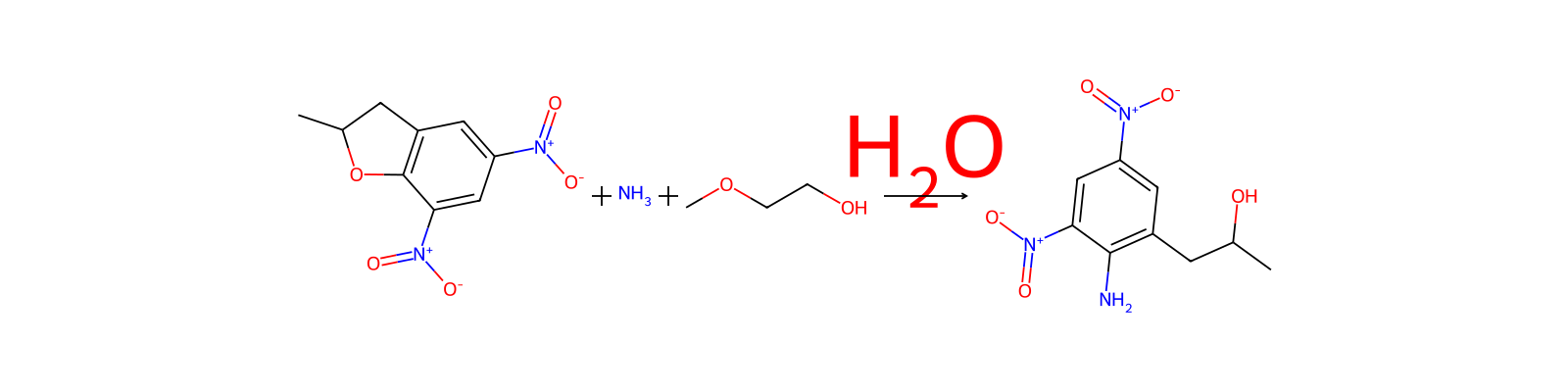
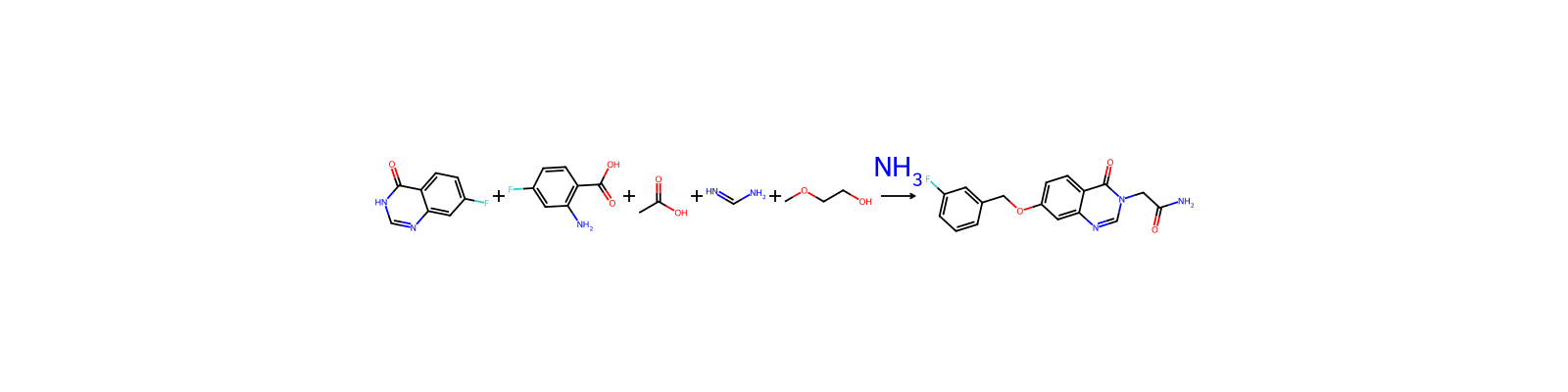
2.029


Verknüpfte Notizen
Wird geladen…