
Grundinformationen
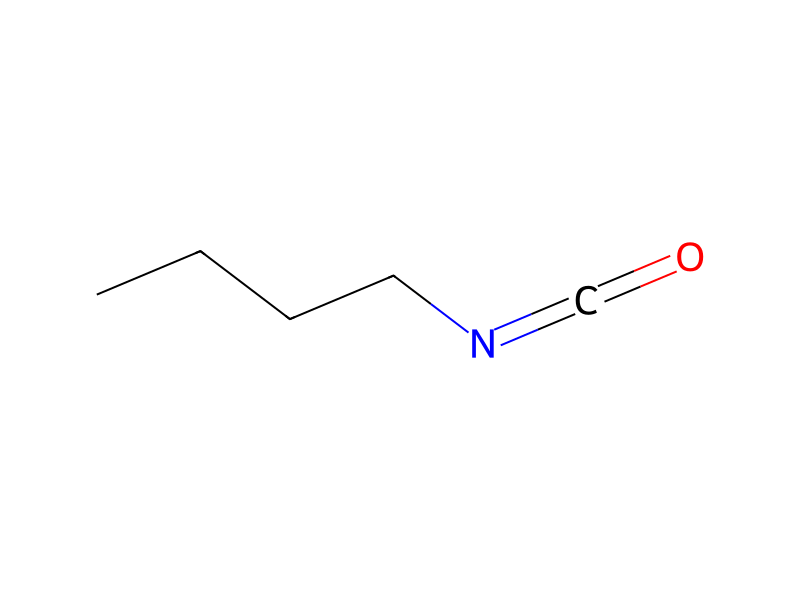
- Standard-SMILES
CCCCN=C=O- InChIKey
HNHVTXYLRVGMHD-UHFFFAOYSA-N- Summenformel
- C5H9NO
- Durchschnittliche Molmasse
- 99,13 g/mol
- Monoisotopische Masse
- 99,06841391
Überblick
N-butyl isocyanate appears as a clear, colorless liquid with a pungent odor. Very toxic by ingestion, and may also be toxic by skin absorption and inhalation. Vapors heavier than air. Less dense than water and insoluble in water. Produces toxic oxides of nitrogen during combustion.
Namen und Bezeichner
- Bevorzugter Name
- Butyl isocyanate
- IUPAC
- 1-isocyanatobutane
- Lokaler Name
- 1-Isocyanatobutan
- Englischer Name
- Butyl isocyanate
- Summenformel
- C5H9NO
- Molmasse
- 99.13
Namen und Synonyme
Butyl isocyanate1-Isocyanatobutane111-36-4N-BUTYL ISOCYANATEButane, 1-isocyanato-1-Butyl isocyanateIsocyanic acid, butyl estern-butylisocyanateDTXSID6026872XM89T89J3WCHEBI:136519DTXCID106872
Weitere Namen anzeigen
BICnbiISOCYANATOBUTANEn-bicn-C4H9NCOButylisocyanat
RefChem:163028203-862-8Isocyanic Acid Butyl EsterMFCD00002046butylisocyanate25067-04-3Butyl isocyanate, n-HSDB 5548
Datenbank-Bezeichner
- CAS
111-36-4- PubChem CID
- 8110
- DTXSID
DTXSID6026872- ChEMBL
CHEMBL27104- ChEBI
CHEBI:136519- UNII
- XM89T89J3W
- EC Number
- 203-862-8
- Nikkaji
- J36.974H
Eigenschaften
Berechnete Struktureigenschaften
- XLogP
- 2,3
- Polarare Oberfläche (TPSA)
- 29,4 Ų
- H-Brücken-Donoren
- 0
- H-Brücken-Akzeptoren
- 2
- Frei drehbare Bindungen
- 3
- Schwere Atome
- 7
- Formalladung
- 0
- Komplexität
- 74,1
Experimentelle und physikochemische Eigenschaften
Chemical Classes
Toxic Gases & Vapors -> Monoisocyanates
Flammable agents - 3rd degree
SpringerMaterials Properties15N nuclear magnetic resonance spectrum
Density
0.880 g/cu cm at 20 °C
Isocyanates...are highly reactive and undergo addition reactions across the carbon-nitrogen double bond of the NCO group. Reactions with alcohols, carboxylic acids, and amines have been widely exploited...The basis for the high reactivity of the isocyanates is the low electron density of the central carbon...Electron withdrawing or donating substituents alter the electrophilic nature of the isocyanate...The reactivity of the isocyanates is also manifested in their tendency to react with themselves to form dimers, trimers, or higher oligomers and polymers. /Isocyanates/
0.9 g/cm³
Relative density of the vapour/air-mixture at 20 °C (air = 1): 1.05
0.88 @ 20°C
Color/FormColorless liquid
Solubility
SLIGHTLY SOL IN WATER
Solubility in water: reaction
Flash Point
66 °F (NFPA, 2010)
66 °F (19 °C) (Closed cup)
11 °C c.c.
Boiling Point
115 °C
115 °C
115 °C @760 [mm Hg]
DecompositionEnergy of decomposition (in range 160 to 450 °C) measured as 0.55 kJ/g.
Melting Point
-75 °C
-75 °C
Vapor Density
3.00 (Air= 1)
Relative vapor density (air = 1): 3.4
Vapor Pressure
17.6 [mmHg]
Vapor pressure, kPa at 20 °C: 2.1
Surface Tension4.9729X10-2 N/m at 193 K
Physikochemische Eigenschaften
- Schmelzpunkt
- 85.5 ℃ · 85.5℃
- Siedepunkt
- 115 °C · 115 °C(lit.)
- Dichte
- 0.88 g/mL · 0.88 g/mL at 25 °C(lit.)
- Dampfdichte
- 3 · 3 (vs air)
- Dampfdruck
- 10.6 mm · 10.6 mm Hg ( 20 °C)
- Brechungsindex
- 20 · n20/D 1.406(lit.)
- Flammpunkt
- 64 °F · 64 °F
- storage temp.
- 2 · 2-8°C
- Aggregatzustand
- Liquid
- Farbe
- Colorless
- Explosionsgrenze
- 1.3 · 1.3-10% (v/v)
- Merck
- 13 · 13,1574
- BRN
- 773917 · 773917
- InChIKey
- HNHVTXYLRVGMHD-UHFFFAOYSA-N
- CAS Datenbank
- 111 · 111-36-4(CAS DataBase Reference)
- NIST chemische Informationen
- 1 · Butane, 1-isocyanato-(111-36-4)
- EPA chemische Informationen
- Butyl isocyanate (111-36-4)
Sicherheit und Regulatorisches
GHS-Klassifizierung
GHS Classification
Danger
H224 (13.6%): Extremely flammable liquid and vapor [Danger Flammable liquids]
P210, P233, P240, P241, P242, P243, P260, P261, P262, P264, P264+P265, P270, P271, P272, P280, P284, P301+P317, P301+P330+P331, P302+P352, P302+P361+P354, P303+P361+P353, P304+P340, P305+P354+P338, P316, P317, P319, P320, P321, P330, P333+P317, P342+P316, P361+P364, P362+P364, P363, P370+P378, P403, P403+P233, P403+P235, P405, and P501 (click each P-code to see the statement)
Aggregated GHS information provided per 118 reports by companies from 11 notifications to the ECHA C&L Inventory. Each notification may be associated with multiple companies.
Danger
H225: Highly Flammable liquid and vapor [Danger Flammable liquids]
Gefahrenhinweise
Hazards IdentificationToxic/poison by inhalation (TIH/PIH)
Regulatory Information
Chemical: Butane, 1-isocyanato-
Butane, 1-isocyanato- is listed on the EPA's Chemical Data Reporting (CDR) system. Manufacturers and importers of Butane, 1-isocyanato- are required to report information about their production and use of this chemical to the EPA under the Toxic Substances Control Act (TSCA). (40 eCFR Part 711)
Status: Active Update: 15-09-2016 https://echa.europa.eu/registration-dossier/-/registered-dossier/17852
Butane, 1-isocyanato-: Does not have an individual approval but may be used as a component in a product covered by a group standard. It is not approved for use as a chemical in its own right.
The New Jersey Worker and Community Right to Know Act requires public and private employers to provide information about hazardous substances at their workplaces. (N.J.S.A. 34:5A-1 et. seq.)
DOT LabelPoison Inhalation Hazard Flammable Liquid
Fire Hazards
Excerpt from ERG Guide 155 [Substances - Toxic and/or Corrosive (Flammable / Water-Sensitive); polymerization hazard]:
· HIGHLY FLAMMABLE: Will be easily ignited by heat, sparks or flames.
Highly flammable. Heating will cause rise in pressure with risk of bursting. Vapour/air mixtures are explosive.
Health Hazards
Excerpt from ERG Guide 155 [Substances - Toxic and/or Corrosive (Flammable / Water-Sensitive); polymerization hazard]:
· TOXIC and/or CORROSIVE; inhalation, ingestion or contact (skin, eyes) with vapors, dusts or substance may cause severe injury, burns or death.
Hazards SummaryA lachrymator; The liquid can cause severe skin irritation and permanent eye damage. Liquid causes skin burns in animal experiments; An strong irritant by inhalation similar to methyl isocyanate; [CHEMINFO]
DOT ID and Guide2485 155P
Reactive GroupIsocyanates and Isothiocyanates
UN ClassificationUN Hazard Class: 6.1; UN Subsidiary Risks: 3; UN Pack Group: I
Special Reports
European Chemicals Bureau; IUCLID Dataset, Butyl isocyanate (CAS No. 111-36-4) (2000 CD-ROM edition). Provides information on usage patterns, toxicology, and environmental effects supplied by industry to the European Union. Available from the database query page: http://ecb.jrc.it/esis/esis.php as of October 19. 2006.
TSCA Requirements
Section 8(a) of TSCA requires manufacturers of this chemical substance to report preliminary assessment information concerned with production, exposure, and use to EPA as cited in the preamble in 51 FR 41329.
Pursuant to section 8(d) of TSCA, EPA promulgated a model Health and Safety Data Reporting Rule. The section 8(d) model rule requires manufacturers, importers, and processors of listed chemical substances and mixtures to submit to EPA copies and lists of unpublished health and safety studies. Butane, 1-isocyanato- is included on this list.
Reactivity AlertsHighly Flammable
Sicherheit und Schutzausrüstung
Fire Fighting
Excerpt from ERG Guide 155 [Substances - Toxic and/or Corrosive (Flammable / Water-Sensitive); polymerization hazard]:
Use dry powder, foam, carbon dioxide. NO water. In case of fire: keep drums, etc., cool by spraying with water. NO direct contact with water. Combat fire from a sheltered position.
First Aid Measures
Fresh air, rest. Half-upright position. Artificial respiration may be needed. Refer immediately for medical attention.
Remove contaminated clothes. Rinse skin with plenty of water or shower. Refer for medical attention .
Rinse with plenty of water for several minutes (remove contact lenses if easily possible).
Rinse mouth. Do NOT induce vomiting. Give one or two glasses of water to drink. Refer immediately for medical attention.
Accidental Release Measures
· CALL 911. Then call emergency response telephone number on shipping paper. If shipping paper not available or no answer, refer to appropriate telephone number listed on the inside back cover.
· ELIMINATE all ignition sources (no smoking, flares, sparks or flames) from immediate area.
First Aid
Excerpt from ERG Guide 155 [Substances - Toxic and/or Corrosive (Flammable / Water-Sensitive); polymerization hazard]:
General First Aid:
Safe StorageFireproof. Separated from strong oxidants and food and feedstuffs. Cool. See Chemical Dangers. Store in an area without drain or sewer access.
Exposure Control and Personal Protection
· Wear positive pressure self-contained breathing apparatus (SCBA).
TIH (Toxic Inhalation Hazard) - Term used to describe gases and volatile liquids that are toxic when inhaled. Some are TIH materials themselves, e.g., chlorine, and some release TIH gases when spilled in water, e.g., chlorosilanes. [ERG 2016].
Fire Fighting Procedures
Persons involved in fighting fires should wear a self-contained breathing apparatus with a full facepiece operated in a pressure-demand or other positive pressure mode. ... /Methyl isocyanate/
If material on fire or involved in fire: Do not extinguish fire unless flow can be stopped or safely confined. Use water in flooding quantities as fog. Solid streams of water may spread fire. Cool all affected containers with flooding quantities of water. Apply water from as far a distance as possible. Use foam, dry chemical, or carbon dioxide.
Evacuation: If fire becomes uncontrollable or container is exposed to direct flame - consider evacuation of one-third (1/3) mile radius.
Nonfire Spill ResponseExcerpt from ERG Guide 155 [Substances - Toxic and/or Corrosive (Flammable / Water-Sensitive); polymerization hazard]:
Disposal Methods
SRP: The most favorable course of action is to use an alternative chemical product with less inherent propensity for occupational exposure or environmental contamination. Recycle any unused portion of the material for its approved use or return it to the manufacturer or supplier. Ultimate disposal of the chemical must consider: the material's impact on air quality; potential migration in soil or water; effects on animal, aquatic, and plant life; and conformance with environmental and public health regulations.
Spillage Disposal
Evacuate danger area! Ventilation. Remove all ignition sources. Personal protection: gas-tight chemical protection suit including self-contained breathing apparatus. Collect leaking and spilled liquid in sealable containers as far as possible. Absorb remaining liquid in sand or inert absorbent. Then store and dispose of according to local regulations. Do NOT wash away into sewer. Do NOT let this chemical enter the environment.
Preventive Measures
If material not on fire and not involved in fire: Keep sparks, flames, and other sources of ignition away. Keep material out of water sources and sewers. Build dikes to contain flow as necessary. Attempt to stop leak if without undue personnel hazard. Use water spray to knock-down vapors.
Personnel protection: Avoid breathing vapors. Keep upwind. ... Avoid bodily contact with the material. ... Do not handle broken packages unless wearing appropriate personal protective equipment. Wash away any material which may have contacted the body with copious amounts of water or soap and water. If contact with the material anticipated, wear appropriate chemical protective clothing.
Evacuation: If material leaking (not on fire) consider evacuation from downwind area based on amount of material spilled, location and weather conditions.
SRP: The scientific literature for the use of contact lenses in industry is conflicting. The benefit or detrimental effects of wearing contact lenses depend not only upon the substance, but also on factors including the form of the substance, characteristics and duration of the exposure, the uses of other eye protection equipment, and the hygiene of the lenses. However, there may be individual substances whose irritating or corrosive properties are such that the wearing of contact lenses would be harmful to the eye. In those specific cases, contact lenses should not be worn. In any event, the usual eye protection equipment should be worn even when contact lenses are in place.
Isolation and Evacuation
Excerpt from ERG Guide 155 [Substances - Toxic and/or Corrosive (Flammable / Water-Sensitive); polymerization hazard]:
Immediate precautionary measure
Small spill:
Small spill:
Toxikologische Informationen
Treatment
Antidotes to cyanide poisoning include hydroxocobalamin and sodium nitrite, which release the cyanide from the cytochrome system, and rhodanase, which is an enzyme occurring naturally in mammals that combines serum cyanide with thiosulfate, producing comparatively harmless thiocyanate. Oxygen therapy can also be administered. (L97)
InteractionsDecreased mutation frequency of Escherichia coli H/r30R cells at 800 erg/sq mm UV dose after pretreatment of the cells with n-isobutyl isocyanate /was observed/. /n-Isobutyl isocyanate/
Health Effects
Exposure to high levels of cyanide for a short time harms the brain and heart and can even cause coma, seizures, apnea, cardiac arrest and death. Chronic inhalation of cyanide causes breathing difficulties, chest pain, vomiting, blood changes, headaches, and enlargement of the thyroid gland. Skin contact with cyanide salts can irritate and produce sores. (L96, L97)
Ecotoxicity Values
EC50; Species: Tetrahymena pyriformis (Ciliate); Conditions: NR; static; Concentration: 10960 ug/L for 12 hr; Effect: growth, growth, general /formulated product/
EC50; Species: Tetrahymena pyriformis (Ciliate); Conditions: NR; static; Concentration: 12050 ug/L for 36 hr; Effect: growth, growth, general /formulated product/
Environmental Fate
TERRESTRIAL FATE: Isocyanates undergo rapid hydrolysis under environmental conditions with half-lives of less than 10 minutes(1). Therefore, hydrolysis is expected to be the dominant fate process for n-butyl isocyanate in moist soil(SRC). Soil adsorption, biodegradation, and volatilization from moist soil are not expected to compete with hydrolysis as important fate and transport processes(SRC). n-Butyl isocyanate may volatilize from dry soil surfaces(SRC) based upon a vapor pressure of 17.6 mm Hg(2).
AQUATIC FATE: Isocyanates undergo rapid hydrolysis under environmental conditions with half-lives of less than 10 minutes(1). Therefore, hydrolysis is expected to be the dominant fate process for n-butyl isocyanate in water(SRC). Sorption to sediments, volatilization, bioconcentration, and biodegradation are not expected to compete with hydrolysis as important fate and transport processes(SRC).
ATMOSPHERIC FATE: According to a model of gas/particle partitioning of semivolatile organic compounds in the atmosphere(1), n-butyl isocyanate, which has a vapor pressure of 17.6 mm Hg at 25 °C(2) is expected to exist solely as a vapor in the ambient atmosphere. Vapor-phase n-butyl isocyanate is degraded in the atmosphere by reaction with photochemically-produced hydroxyl radicals(SRC); the half-life for this reaction in air is estimated to be 4 days(SRC), calculated from its rate constant of 3.9X10⁻¹² cu cm/molecule-sec at 25 °C(SRC) that was derived using a structure estimation method(3). n-Butyl isocyanate does not contain chromophores that absorb at wavelengths >290 nm and therefore is not expected to be susceptible to direct photolysis by sunlight(4).
Food Survey Valuesn-Butyl isocyanate was detected in the volatile flavor compounds from Oscar Mayer fried bacon at unknown concentrations using gas chromatography and detection by mass spectroscopy or IR spectroscopy(1).
Adverse EffectsDermatotoxin - Skin burns.
Exposure Routes
Serious local effects by all routes of exposure.
Oral (L96) ; inhalation (L96) ; dermal (L96)
Toxicity Summary
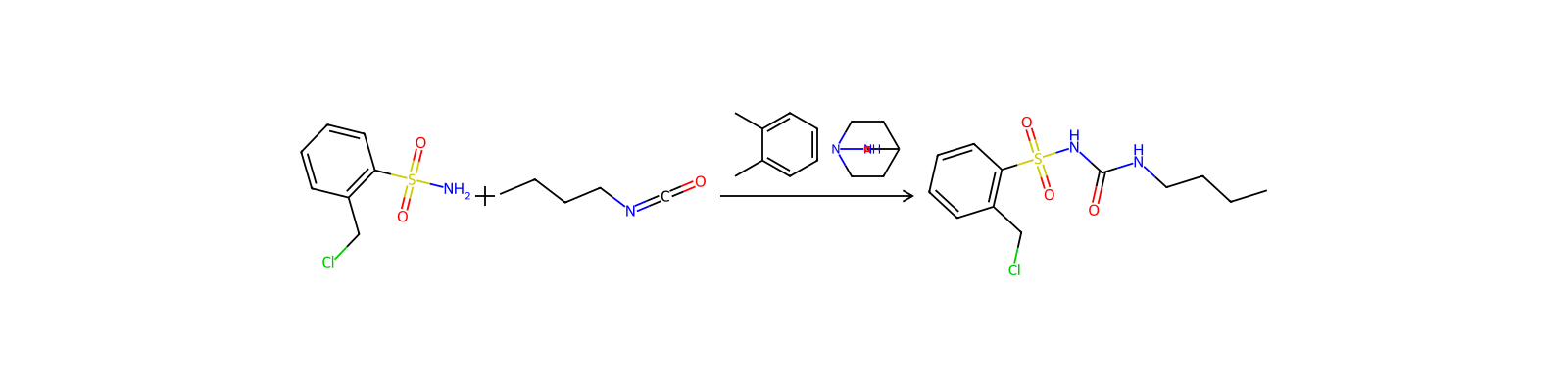
IDENTIFICATION AND USE: N-Butyl isocyanate is a colorless flammable liquid, and It is soluble in water. It is used as a reagent in organic synthesis; used as intermediates in production of carbamate, and urea insecticides, and fungicides. It is also used in the production of sulfonyl urea antidiabetic drugs. HUMAN EXPOSURE AND TOXICITY: In female subjects exposed to N-butyl isocyanate there was an irritating effect to the mucous membranes and temporary lesions to the cardiac conduction system. Occupational exposure to N-butyl isocyanate may occur through inhalation, and dermal contact in the workplace where this chemical is used or manufactured. Butyl isocyanate is an irritant to the eyes of workers in an occupational setting. It is a strong irritant to to the skin. Individuals with a history of asthma, allergies or impaired lung function are at increased risk to the adverse effects of N-butyl isocyanate exposure. ANIMAL STUDIES: In a repeated exposure study, male rats were exposed by inhalation to N-Butyl isocyanate. No treatment related clinical signs were observed in the low dose groups. At the higher dose groups animals appeared unkempt, and exhibited labored breathing, reduced motility and an increased serous discharge from the nose. Substantial decrease in pulmonary function was noted in high dose treated animals. High dose animals exhibited widespread septal destruction, indicative of emphysema. In male rats, exposed to N-butyl isocyanate, neutrophils, LDH, and protein in the bronchoalveolar lavage fluid were elevated. Lung function parameters were decreased. This chemical was a sensitizer in guinea pigs exposed by inhalation. No irritation was observed in a rabbit ear exposed to a solution of N-butyl isocyanate. Butyl isocyanate was highly corrosive to rabbit eyes when instillation of test material to the conjunctival sac. Cats exposed to this chemical orally, had no related clinical effects in hematology or methemoglobin formation. Butyl isocyanate was negative in an Ames test using Salmonella typhimurium strains TA 98, TA 100, TA 1535 and TA 1537 with and without metabolic activation.
Cyanide is an inhibitor of cytochrome c oxidase in the fourth complex of the electron transport chain (found in the membrane of the mitochondria of eukaryotic cells). It complexes with the ferric iron atom in this enzyme. The binding of cyanide to this cytochrome prevents transport of electrons from cytochrome c oxidase to oxygen. As a result, the electron transport chain is disrupted and the cell can no longer aerobically produce ATP for energy. Tissues that mainly depend on aerobic respiration, such as the central nervous system and the heart, are particularly affected. Cyanide is also known produce some of its toxic effects by binding to catalase, glutathione peroxidase, methemoglobin, hydroxocobalamin, phosphatase, tyrosinase, ascorbic acid oxidase, xanthine oxidase, succinic dehydrogenase, and Cu/Zn superoxide dismutase. Cyanide binds to the ferric ion of methemoglobin to form inactive cyanmethemoglobin. (L97)
Signs and Symptoms
Cough. Sore throat. Laboured breathing. Burning sensation.
Redness. Pain. Skin burns.
Redness. Pain. Burns.
Abdominal pain. Burning sensation. Shock or collapse.
Cyanide poisoning is identified by rapid, deep breathing and shortness of breath, general weakness, giddiness, headaches, vertigo, confusion, convulsions/seizures and eventually loss of consciousness. (L96, L97)
ICSC Environmental DataThis substance may be hazardous to the environment. Special attention should be given to aquatic organisms.
Soil Adsorption/Mobility
Isocyanates undergo rapid hydrolysis under environmental conditions with half-lives of less than 10 minutes(1). Therefore, hydrolysis is expected to be the dominant fate process for n-butyl isocyanate in moist soil and water(SRC). Adsorption to soil and sediment is not expected to compete with hydrolysis as an important environmental process(SRC).
Regulatorische Informationen
TSCA Requirements
Section 8(a) of TSCA requires manufacturers of this chemical substance to report preliminary assessment information concerned with production, exposure, and use to EPA as cited in the preamble in 51 FR 41329.
Pursuant to section 8(d) of TSCA, EPA promulgated a model Health and Safety Data Reporting Rule. The section 8(d) model rule requires manufacturers, importers, and processors of listed chemical substances and mixtures to submit to EPA copies and lists of unpublished health and safety studies. Butane, 1-isocyanato- is included on this list.
Sicherheitsdaten
- F
- 10-19-21
- wgk
- 1
- tsca
- TSCA listed
- ridadr
- UN 2485
- hs_code
- 29291090
- RTECS-Nr.
- NQ8250000
- risk_code
- 11-21/22-26-34-37-42/43
- Toxizität
- LC50 (4hr) in male, female rats (mg/m3): 60, 55 by inhalation (Pauluhn, Eben)
- hazard_code
- F,T+
- safety_code
- 23-26-28-36/37/39-45
- hazard_class
- 6.1
- packing_group
- I
- Speicherklasse
- 3 - Flammable liquids
- Giftige Stoffe Daten
- 111-36-4(Hazardous Substances Data)
- Hazard Classifications
- Acute Tox. 1 InhalationAcute Tox. 4 OralAquatic Chronic 3Eye Dam. 1Flam. Liq. 2Resp. Sens. 1Skin Corr. 1BSkin Sens. 1
- Selbstentzündungstemperatur
- 425°C
Chemie und Industrie
Pharmakologische Informationen
Mechanism of Action
The inactivation of guinea pig liver transglutaminase was investigated using aliphatic isocyanates. It was found that one equivalent of ethyl isocyanate reduced transglutaminase activity to less than 25% within 3 minutes. ... The isocyanates reacted slowly with the sulfhydryl groups of reduced glutathione, indicating enzyme inactivation with transglutaminase. The investigators concluded that alkyl isocyanates inactivate guinea pig liver transglutaminase by forming N-alkylthiocarbamyl ester with the single active site sulfhydryl group of the enzyme. /Aliphatic isocyanates/
Cutinase purified from Fusarium solani f. pisi was effectively inhibited by the fungicide benomyl. This irreversible inhibition was caused by the reaction of butylisocyanate, a breakdown product, with the active serine in the enzyme.
Butyl isocyanate has been found to inactivate yeast alcohol dehydrogenase in a reaction involving 3 mol of SH-groups/mol of enzyme. /No information on the isomer/
Changes in the cytochrome P450 monooxygenase system were investigated in HepG2 cells treated for 24 hr with 1.25, 2.5, 5, 10 and 20 ug/mL of carbendazim (MBC) and n-butylisocyanate (BIC), the principal benomyl metabolites. The results show that n-butylisocyanate leads to a decrease in both ethoxyresorufin deethylase (P4501A1) (EROD) and ethoxycoumarin deethylase (P4502B) (ECOD), whereas MBC has no effect on EROD and increases ECOD. The decrease in ECOD and EROD activities after BIC treatment can be attributed to the detrimental action of this substance. The MBC-induced increase in ethoxycoumarin can be considered an enzyme-specific inductive phenomenon. This hypothesis was confirmed by Western immunoblot analysis and treatment with actinomycin D 8 x 10⁻⁴ uM: the first showed an increase in P4502B isoenzyme content and the second evidence of a partial block of the increase in ECOD activity induced by MBC. Given these results, MBC and BIC seem to be the metabolites responsible for the double opposite action of their parent compound benomyl. Data deriving from an equimolar mixture of the two metabolites suggest that benomyl activity on some cytochrome P450 isoenzymes is the result of a balance between the action of the single metabolites
Metabolism/Metabolites
... Reactive isocyanates in general, can react with biological molecules containing amino, alcohol, or sulfhydryl groups, as well as with water. While hydrolysis in an aqueous environment, such as the lung, is theoretically possible, measurements show that alkyl isocyanates are relatively resistant (compared to arylisocyanates) to such hydrolysis.
Isocyanates ... form labile glutathione conjugates from which they can be released. /Isocyanate/
Benomyl (a non-thio fungicide) inhibits hepatic mitochondrial low-Km aldehyde dehydrogenase (mALDH or ALDH2) in ip-treated mice by 50% (IC50) at 7.0 mg/kg, which is surprisingly the same potency range as that for several dithiocarbamate fungicides (and the related alcohol abuse drug disulfiram) and thiocarbamate herbicides previously known for their alcohol-sensitizing action. The mechanism by which benomyl inhibits mALDH was therefore examined, first by comparing the metabolism of benomyl with the aforementioned mono- and dithiocarbamates and second by evaluating the inhibitory potency of the benomyl metabolites. Benomyl in ip-treated mice is converted, via butyl isocyanate, S-(N-butylcarbamoyl)glutathione, and S-(N-butylcarbamoyl)cysteine, to S-methyl N-butylthiocarbamate (MBT), identified as a transient metabolite in liver. MBT is >10-fold more potent than benomyl or butyl isocyanate as an in vivo mALDH inhibitor and is also more potent than the intermediary S-(N-butylcarbamoyl) conjugates. Benomyl and MBT inhibit mouse hepatic mALDH in vitro with IC50s of 0.77 and 8.7 uM, respectively. The potency of MBT is greatly enhanced by fortification of the mitochondria with NADPH alone or plus microsomes giving IC50s of 0.50 and 0.23 uM, respectively. This activation of MBT is almost completely blocked by the cytochrome P450 inhibitor N-benzylimidazole but not by several other cytochrome P450 inactivators. MBT (probably following bioactivation) inhibits mALDH in vivo with an IC50 of 0.3 mg/kg. Two candidate activation products were synthesized for potency determinations. N-Hydroxy MBT (prepared via the trimethylsilyl derivative) was not detected as an MBT metabolite; its low potency also rules against N-hydroxylation as the activation process. MBT sulfoxide, from oxidation of MBT with magnesium monoperoxyphthalate in water, is one of the most potent inhibitors known for mALDH and yeast ALDH in vitro (IC50 0.08-0.09 uM). These findings are consistent with a six-step bioactivation of benomyl, via the metabolites above and N-butylthiocarbamic acid, with MBT as the penultimate and MBT sulfoxide as the ultimate inhibitor of mALDH.
The inhibition of yeast (Saccharomyces cerevesiae) metabolism by fungicidal chemicals was investigated. Glucose- or ethanol-dependent yeast respiration was measured with an oxygen electrode, and manometric determination of carbon dioxide release was used to measure fermentation. Both respiration and fermentation were inhibited more by benomyl than by identical molar concentrations of its breakdown product, carbendazim. Butyl isocyanate, another benomyl breakdown product, inhibited respiration more but inhibited fermentation less than the parent compound. Of the isocyanates tested, hexyl isocyanate was the most inhibitory towards both activities. Captan was more active and iprodione less active than benomyl. Because benomyl rapidly broke down to carbendazim when it was prepared in 80% ethanol, only 59% of the dissolved benomyl was intact when it was added to yeast to determine its effect on respiration or fermentation.
Cyanide is rapidly alsorbed through oral, inhalation, and dermal routes and distributed throughout the body. Cyanide is mainly metabolized into thiocyanate by either rhodanese or 3-mercaptopyruvate sulfur transferase. Cyanide metabolites are excreted in the urine. (L96)
Verwendung und Herstellung
Uses
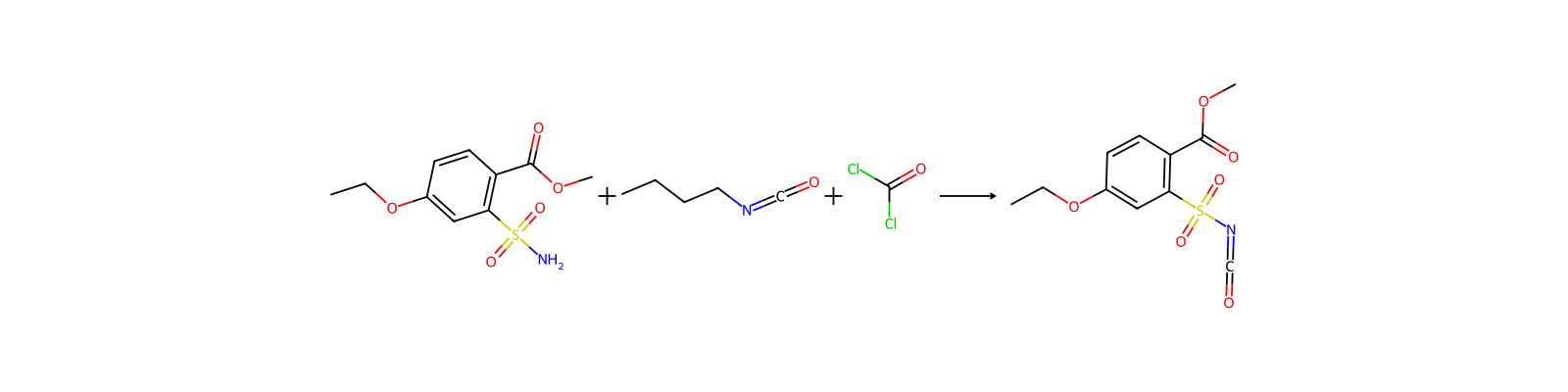
Used as a chemical intermediate in the production of insecticides, fungicides, and pharmaceuticals (sulfonylureas for diabetes); [HSDB]
Reagent in organic synthesis.
... Used as intermediates in the production of carbamate and urea insecticides and fungicides. n-Butyl isocyanate is also employed in the manufacture of sulfonyl urea antidiabetic drugs.
U.S. Production
2023: 263,968 lb
This chemical is listed as a High Production Volume (HPV) (65FR81686). Chemicals listed as HPV were produced in or imported into the U.S. in >1 million pounds in 1990 and/or 1994. The HPV list is based on the 1990 Inventory Update Rule. (IUR) (40 CFR part 710 subpart B; 51FR21438).
Production volumes for non-confidential chemicals reported under the Inventory Update Rule. [Table#5429]
Industry UsesCatalyst
Methods of ManufacturingThe reaction of phosgene with amines or amine salts and the thermal cleavage of urethanes, preformed from the appropriate amine, urea,and an alcohol, are used commercially on a large scale. /Isocyanates/
General Manufacturing Information
Pesticide, Fertilizer, and Other Agricultural Chemical Manufacturing
Butane, 1-isocyanato-: ACTIVE
Benomyl [methyl 1-(butylcarbamoyl)-2-benzimidazolecarbamate] is the active ingredient in DuPont Benlate fungicides. The formation of N, N'-dibutylurea (DBU), a phytotoxic degradation product of benomyl, in Benlate formulations was evaluated by analyzing Benlate samples maintained under simulated storage conditions and assessing the effects of temperature and humidity on sample moisture content, benomyl degradation, and the rate of DBU formation. Benomyl degraded during storage by the elimination of n-butylisocyanate (BIC) to form methyl 2-benzimidazole carbamate (MBC; carbendazim). Liberated BIC could then proceed to react with water to form DBU (first-order rate constant of 8.4 x 10(-)(4) s (-)(1)). The degradation of benomyl and subsequent formation of DBU were dependent on the temperature and highly dependent on the humidity of the storage environment. At the lower humidity storage conditions the rates of DBU formation were significantly higher in the dry flowable (DF) formulation than in the wettable powder (WP) formulation. The initial moisture content of Benlate DF samples was higher than those of Benlate WP samples, although the Benlate WP samples absorbed more moisture upon incubation. These results may yield insight on the appearance of high levels of DBU found in some boxes and bags of Benlate DF and Benlate WP formulations.
N,N'-Dibutylurea (DBU) is a breakdown product of benomyl [methyl 1-(butylcarbamoyl)-2-benzimidazole carbamate], the active ingredient in Benlate fungicides, and has been proposed as one cause for crop damage that growers claim to have occurred from the use of Benlate 50 DF fungicide. This study assessed DBU formation upon (1). application of n-butyl-1-[(14)C]butylisocyanate (BIC), the immediate precursor to DBU formation, in four soils at two water potentials (0.03 and 0.1 MPa) and (2). application of benomyl butyl-1-(14)C-benomyl enriched Benlate DF and SP fungicides to two soils at various combinations of negative water potential (0.03 or 0.1 MPa) and temperature (23 or 33 degrees C). Parent compounds, metabolites, and (14)CO(2) were tracked using chromatographic analysis with radioassay and UV detection, liquid scintillation counting, and postextraction oxidation of the soil. At 0.03 MPa in all four BIC-treated soils, DBU formation was never detected. At 0.1 MPa, DBU was detected in two soils, but at concentrations <3.6 ug/kg (0.3 wt % of applied BIC). In both soils treated with benomyl formulations, DBU formation was observed with only Benlate 50 DF application at 0.03 MPa and 23 degrees C, which was followed by rapid dissipation of DBU. The maximum concentration observed was 0.41 ug/g (0.65 wt % of applied benomyl at 62.8 ug/g, which is well below levels currently reported to cause adverse effects to plants. Combined benomyl and carbendazim half-lives in soils across treatments were 2-3 months. This study demonstrated that further production and accumulation of DBU in soils after Benlate application or from residual benomyl remaining in the soil are highly unlikely and that persistence of any DBU in soils is likely to be short-lived.
Anwendungen
Verwendenn-Butyl isocyanate is used as an acylatingagent in the Friedel–Crafts reaction to produce amide.
Vor- und nachgelagerte Produkte
Vorgelagerte Rohstoffe
Nachgelagerte Produkte
Anbieter50 Anbieter
梯希爱(上海)化成工业发展有限公司021-67121386 · [email protected]
上海阿拉丁生化科技股份有限公司400-6206333 13167063860 · [email protected]
湖北成丰化工有限公司13125175253 · [email protected]
武汉欣扬瑞和化学科技有限公司153-07155313 15307155313 · [email protected]
山东金悦源新材料有限公司18615186228 · [email protected]
爱斯特(成都)生物制药股份有限公司+86-28-85122536 85324413 · [email protected]
武汉绿景丰华生物科技有限公司19972070065 · [email protected]
Syntechem Co.,Ltd[email protected]
上海迈瑞尔生化科技有限公司4006356688 18621169109 · [email protected]
上海晶抗生物工程有限公司021-54721350 13524668266 · [email protected]
武汉市聚舜化工有限公司027-02783261126 18971318572 · [email protected]
安耐吉化学&3A(安徽泽升科技股份有限公司)400-0056266 · [email protected]
武汉卡诺斯科技有限公司027-83238443 15327105076 · [email protected]
上海瀚鸿科技股份有限公司021-54306202 13764082696 · [email protected]
江苏艾康生物医药研发有限公司025-5885952 15955137747 · [email protected]
上海景颜化工科技有限公司13817811078 · [email protected]
武汉市皇臻生物化工有限公司13795480948 · [email protected]
山东西亚化学有限公司13355009207 13355009207 · [email protected]
四川库利南科技有限公司400-1166-196 18981987031 · [email protected]
Xiamen AmoyChem Co., Ltd+86-86-5926051114 · [email protected]
南京化学试剂股份有限公司025-58369808 17895012682 · [email protected]
艾科试剂4008-755-333 18080918076 · [email protected]
上海思域化工科技有限公司86-21-34053660 · [email protected]
赛默飞世尔科技(中国)有限公司800-810-5118 · [email protected]
TOKYO CHEMICAL INDUSTRY CO., LTD.03-36680489 · [email protected]
武汉普洛夫生物科技有限公司17612776928 · [email protected]
Xunteng International Trading Co.,Limited—
上海湄水化工科技有限公司021-60549325 18616193163
上海将来实业股份有限公司021-61552785 · [email protected]
HBCChem, Inc.+1-510-219-6317 · [email protected]
成都零六生物科技有限公司400-1166-196 13458535857 · [email protected]
上海麦克林生化科技股份有限公司15221275939 15221275939 · [email protected]
杭州杰恒化工有限公司0571-87396432 · [email protected]
康迪斯化工(湖北)有限公司13125172151 · [email protected]
Changzhou Fullone Chemical Co., Ltd.+86-13328197671 +86-13861172460 · [email protected]
九鼎化学(上海)科技有限公司4009209199 · [email protected]
广东翁江化学试剂有限公司0751-2815987 13927875076 · [email protected]
武汉峰耀同辉化学制品有限公司027-87466205 15377579727 · [email protected]
厦门志信化学有限公司+86-5922680277 +86-13806087780 · [email protected]
荆州市尹杰化工有限公司18008658728 · [email protected]
上海玻尔化学试剂有限公司19102157732 · [email protected]
启源(广东)医药化工有限公司18026564465 · [email protected]
成都润泽本土化工有限公司028-88469284 18000562381 · [email protected]
康幸生物科技(上海)有限公司021-61556450 15800904410
上海岚克医药科技发展有限公司0086-21-58956006
南京艾比克斯生化科技有限公司025-87193546 18652950785 · [email protected]
上海思言生物科技有限公司021-50908862,442785678,326799392 18721037013 · [email protected]
上海西陇生化科技有限公司021-52907766-8042
上海源叶生物科技有限公司13636370518 · [email protected]
武汉克米克生物医药技术有限公司027-13163388153 13163388153 · [email protected]
Ergänzende Hinweise
DefinitionChEBI: An isocyanate having a butyl group attached to the nitrogen.
Zugehörige Reaktionen
559


Verknüpfte Notizen
Wird geladen…