
Tris(1,1-dimethylethyl)phosphin
Tris(1,1-dimethylethyl)phosphine
Daten werden ergänzt – lade die Seite später neu, um den aktuellen Stand zu sehen
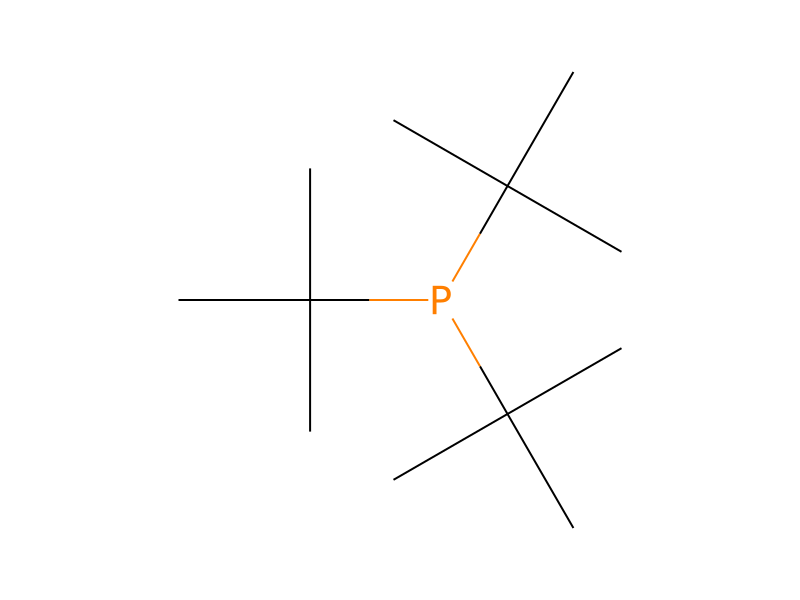
Grundinformationen
- CAS
13716-12-6- Standard-SMILES
CC(C)(C)P(C(C)(C)C)C(C)(C)C- InChIKey
BWHDROKFUHTORW-UHFFFAOYSA-N- Summenformel
- C12H27P
- Durchschnittliche Molmasse
- 202,32 g/mol
- Monoisotopische Masse
- 202,18503749
Namen und Bezeichner
- Bevorzugter Name
- Tris(1,1-dimethylethyl)phosphine
- IUPAC
- tritert-butylphosphane
- Lokaler Name
- Tris(1,1-dimethylethyl)phosphin
- Englischer Name
- Tri-tert-butylphosphine
- Summenformel
- C12H27P
- Molmasse
- 202.32
Namen und Synonyme
Tri-tert-butylphosphine13716-12-6Tris(1,1-dimethylethyl)phosphineEINECS 237-266-4DTXSID80160090RefChem:900102DTXCID4082581237-266-4tri-t-Butylphosphinetritert-butylphosphanetri-tert-butylphosphanePhosphine, tris(1,1-dimethylethyl)-
Weitere Namen anzeigen
TTBPTri-tert-butyLButylphosphineri-tert-butylphosphineUncle Ding JilinTri-t-butylphosphosphin
tri-Tertbutylphosphinetri(tert-butyl)phosphineTRIS(TERT-BUTYL)PHOSPHINEPtBu3tBu3PMFCD00015006Tri-tert-butylphosphine,TTBPP(T-BU)3
Datenbank-Bezeichner
- CAS
13716-12-6- PubChem CID
- 83681
- DTXSID
DTXSID80160090- UNII
- BH6Z6Z4K6W
- EC Number
- 237-266-4
- Nikkaji
- J278.010K
Eigenschaften
Berechnete StruktureigenschaftenWird ergänzt
- XLogP
- 2,9
- Polarare Oberfläche (TPSA)
- 0 Ų
- H-Brücken-Donoren
- 0
- H-Brücken-Akzeptoren
- 0
- Frei drehbare Bindungen
- 3
- Schwere Atome
- 13
- Formalladung
- 0
- Komplexität
- 128
Experimentelle und physikochemische Eigenschaften
SpringerMaterials PropertiesSchoenflies notation
Physikochemische Eigenschaften
- Schmelzpunkt
- 30 · 30-35 °C(lit.)
- Siedepunkt
- 102 · 102-103 °C13 mm Hg(lit.)
- Dichte
- 0.861 g/mL · 0.861 g/mL at 25 °C
- Flammpunkt
- 1 °F · 1 °F
- storage temp.
- Flammables area
- Aggregatzustand
- solid
- Wichte
- 0.68 · 0.68
- Wasserlöslichkeit
- insoluble
- BRN
- 1738613 · 1738613
- InChI
- InChI=1S/C12H27P/c1-10(2,3)13(11(4,5)6)12(7,8)9/h1-9H3
- InChIKey
- BWHDROKFUHTORW-UHFFFAOYSA-N
- SMILES
- P(C(C)(C)C)(C(C)(C)C)C(C)(C)C
Sicherheit und Regulatorisches
Sicherheitsangaben dienen nur zur Orientierung und ersetzen weder das Sicherheitsdatenblatt (SDB) des Lieferanten noch geltende Vorschriften oder eine fachliche Bewertung.
GHS-Klassifizierung
GHS Classification
Danger
H250 (98.2%): Catches fire spontaneously if exposed to air [Danger Pyrophoric liquids]
P210, P222, P231, P233, P260, P264, P264+P265, P280, P301+P330+P331, P302+P335+P334, P302+P361+P354, P304+P340, P305+P354+P338, P316, P317, P321, P363, P370+P378, P405, and P501 (click each P-code to see the statement)
Aggregated GHS information provided per 57 reports by companies from 6 notifications to the ECHA C&L Inventory. Each notification may be associated with multiple companies.
Gefahrenhinweise
Hazard Classes and CategoriesPyr. Liq. 1 (98.2%)
Sicherheitsdaten
- F
- 10-19-23
- wgk
- 3
- ridadr
- UN 2846 4.2/PG 1
- hs_code
- 2931900090
- risk_code
- 17-34-67-65-63-48/20-11
- hazard_code
- F,C
- safety_code
- 26-45-62-36/37/39-25-43-27-16
- hazard_class
- 4.2
- packing_group
- I
- Speicherklasse
- 4.2 - Pyrophoric and self-heating hazardous materials
- Hazard Classifications
- Carc. 2Eye Dam. 1Flam. Liq. 2Pyr. Liq. 1Skin Corr. 1BSTOT SE 3
Chemie und Industrie
Anwendungen
VerwendenTri-tert-butylphosphine is used primarily in the preparation of mono- and bidentate phosphine ligands in metal complexes for catalytic chiral asymmetric hydrogenations and other asymmetric reactions as well as transition metal coupling reactions. This reagent is also used in the preparation of other phosphines in catalytic polymerization reactions.
Vor- und nachgelagerte Produkte
Vorgelagerte Rohstoffe
Nachgelagerte Produkte
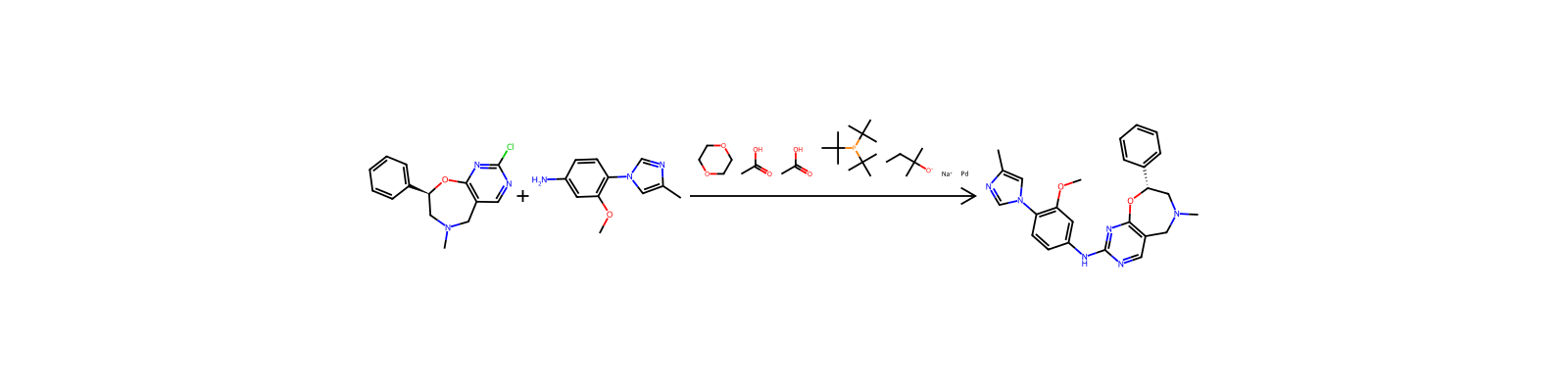
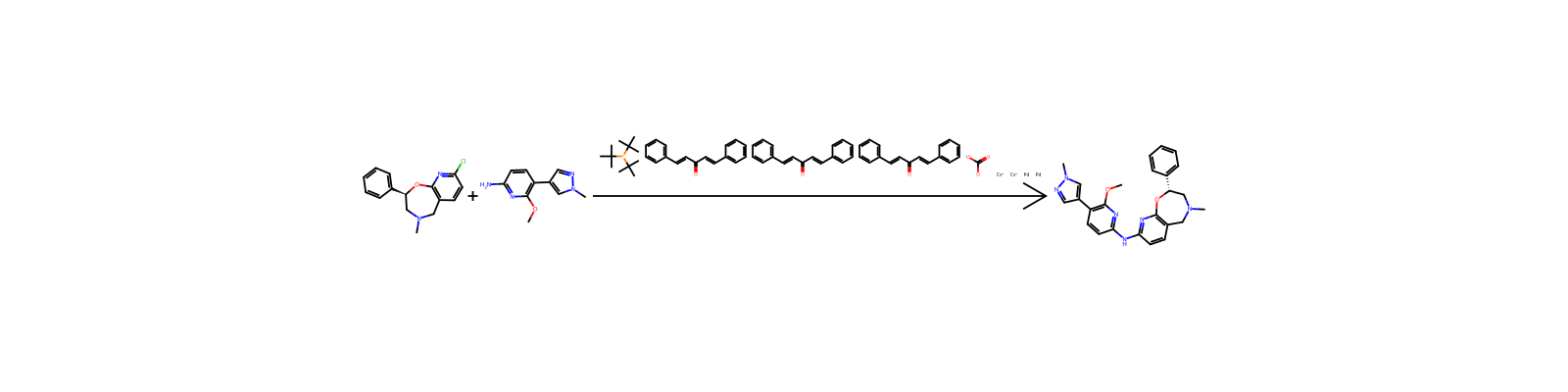
Zugehörige Reaktionen
2.436





Notizen zur Verbindung
Wird geladen…